
Not every part needs 5-axis machining, and not every part can be made on a 3-axis machine. Choosing the right CNC machining process affects cost, lead time, and whether the part is even feasible to manufacture. Here’s a practical guide to help you decide.
3-Axis Machining: The Foundation of Precision
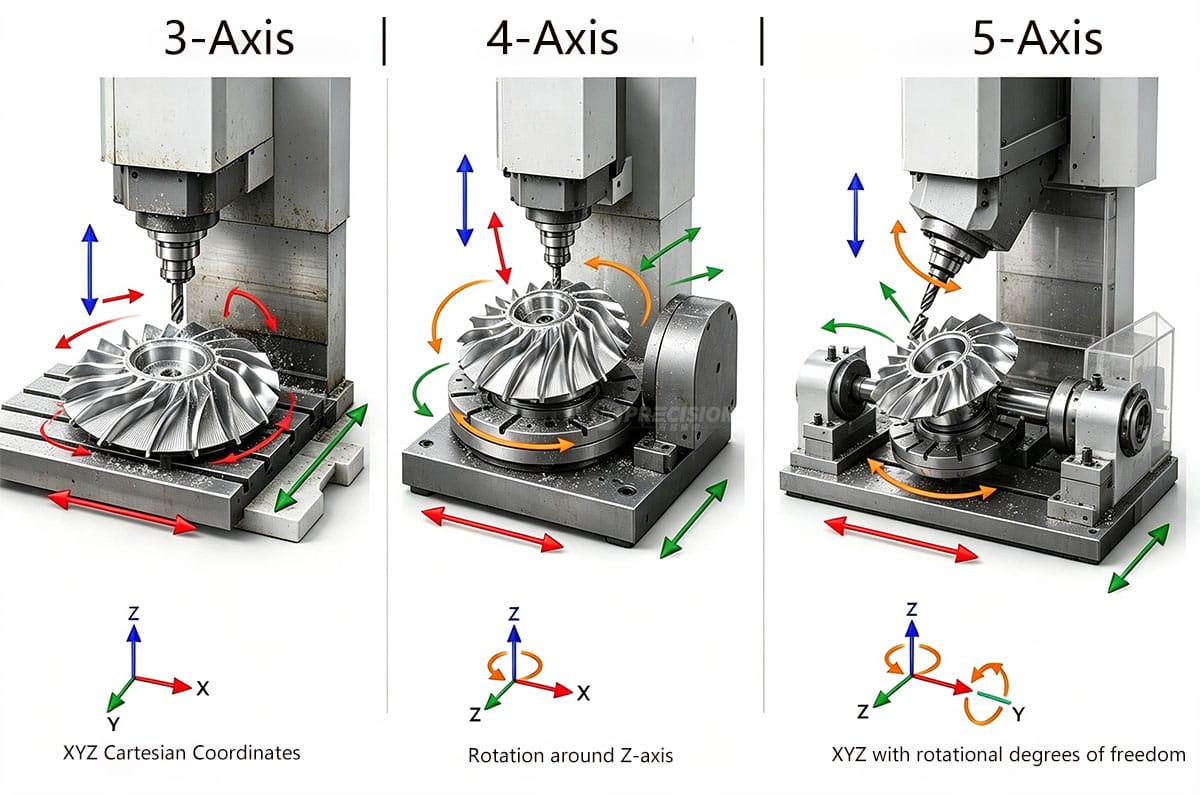
A 3-axis mill moves the cutting tool along the X, Y, and Z axes. It’s the most common and cost-effective CNC milling method, perfectly suited for:
- Flat plates, blocks, and simple housings.
- Parts with features accessible from one or two faces.
- High-volume production of simple geometries where speed is critical.
Limitation: Complex angled features or undercuts often require multiple setups, adding time and introducing potential alignment errors between fixtures.
4-Axis Machining: Enhanced Versatility
4-axis machining adds rotation around one additional axis (typically the A-axis), allowing the part to rotate while the tool cuts. This is ideal for:
- Cylindrical parts with features around their circumference.
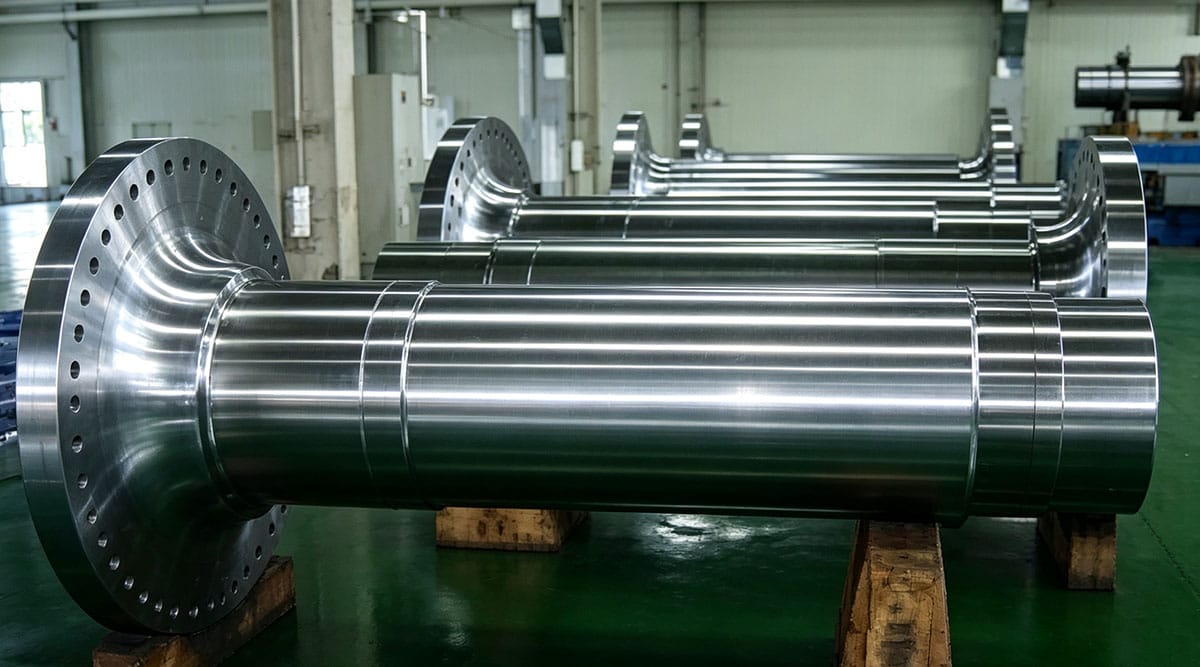
- Helical grooves, cams, and screw threads produced via CNC turning and milling.
- Parts like valve bodies and manifolds that need multiple faces machined without manual repositioning.
5-Axis Machining: The Ultimate in Complexity
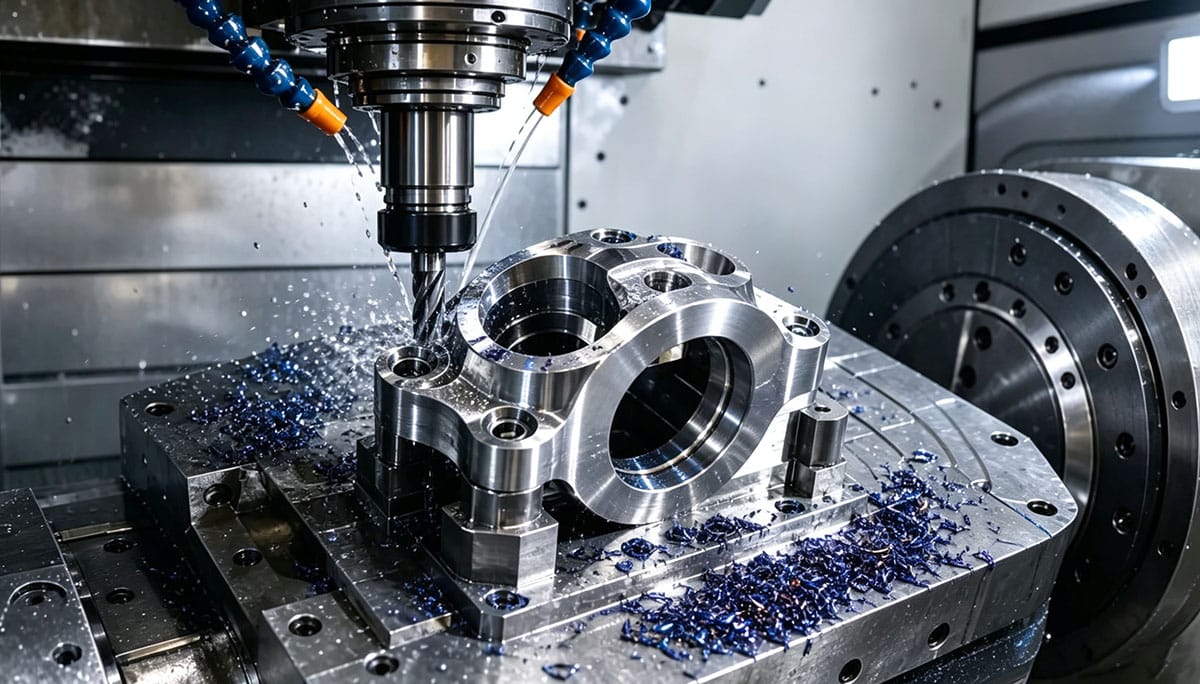
Utilizing professional 5-axis machining services adds two rotational axes, allowing the cutting tool to approach the part from nearly any angle in a single setup. This is the essential choice for:
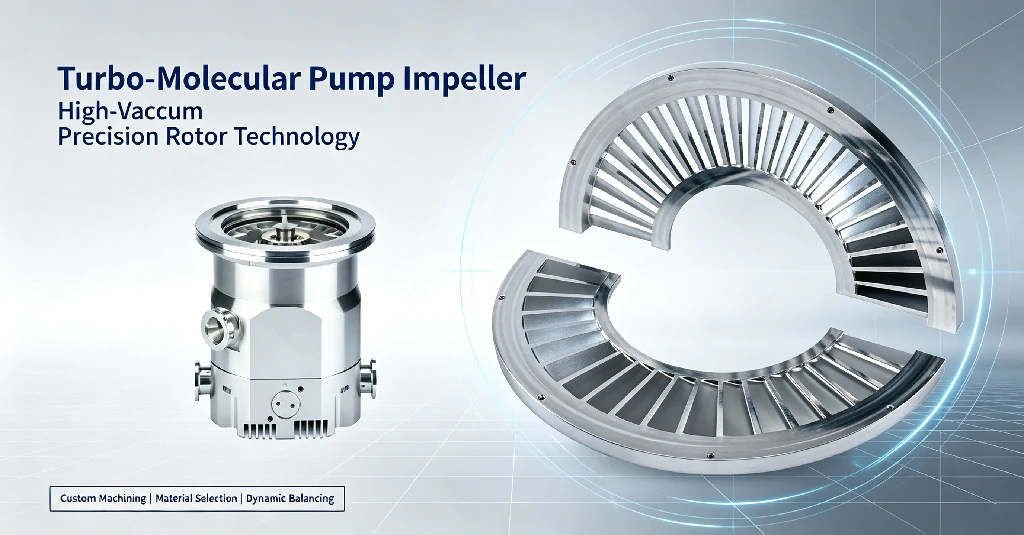
- Complex freeform 3D surfaces like impellers, turbine blades, and blisks.
- Parts with deep pockets, undercuts, or steep angled walls.
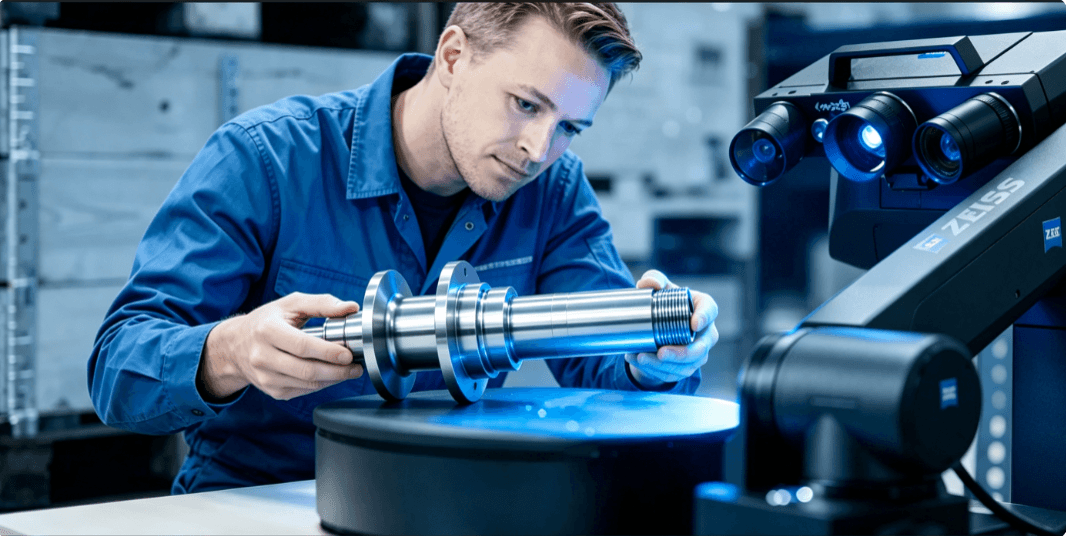
- High-precision aerospace and medical components where minimizing setups reduces cumulative tolerance error.
Trade-off: 5-axis machines and programming are more expensive, so this process is best reserved for geometries that genuinely require it.
Quick Decision Framework
| Part Characteristic | Recommended Process |
|---|---|
| Flat, prismatic, simple | 3-axis |
| Cylindrical, multi-face | 4-axis |
| Freeform, undercuts, tight tolerances | 5-axis |
A useful rule of thumb: if a part needs to be flipped or re-clamped more than twice on a 3-axis machine, it’s worth evaluating whether 4-axis or 5-axis machining would be more cost-effective once setup time and alignment risk are factored in.
Frequently Asked Questions
Is 5-axis machining always more expensive? Per hour, yes—but for complex parts, it can be cheaper overall by eliminating multiple setups and reducing scrap risk.
Can a 3-axis machine make angled features? Yes, using multiple setups or angled fixtures, but this adds time and increases the chance of dimensional error.
Which industries use 5-axis the most? Aerospace, energy, and medical industries frequently require it for complex curved surfaces and tight tolerances.
Not sure which process your part requires? Contact our engineering team for a free manufacturability review and process recommendation.