
METAL CNC MACHINING MATERIALS
Metal CNC Machining Materials
Tik Precision supports CNC machining for aluminum, stainless steel, steel, brass, copper, titanium, and high-performance metal materials. We help engineers and purchasing teams evaluate material suitability based on strength, tolerance, surface finish, corrosion resistance, and application requirements.
Material Types
Aluminum · Steel · Titanium
Production Stage
Prototype to Low-Volume
Finish Support
Anodizing · Plating · Passivation
Engineering Review
Material · Tolerance · Surface Finish
METAL MACHINING CAPABILITY
From Raw Metal to Precision Machined Parts
Metal CNC machining requires more than material availability. Each material needs the right machining strategy, toolpath planning, tolerance control, and surface finish consideration. Tik Precision supports metal parts from prototype samples to low-volume production.
Raw material and grade review
CNC milling, turning and 5-axis support
Inspection-ready precision components
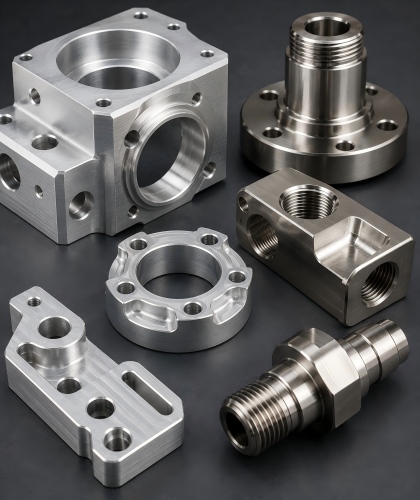
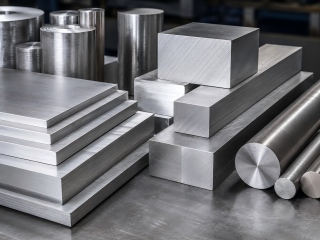
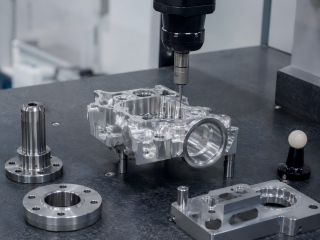
Metal Materials for Precision CNC Machined Parts
Metal material selection affects machining cost, dimensional stability, strength, surface finish, corrosion resistance, and long-term part performance. Tik Precision works with common and advanced metal materials for custom machined parts, prototypes, fixtures, housings, brackets, shafts, connectors, and industrial components.
Engineering Review
Review material grade, machining difficulty, tolerance requirements, and application environment before production.
Process Compatibility
Evaluate CNC milling, CNC turning, 5-axis machining, drilling, tapping, and finishing compatibility.
Surface Finish Planning
Support anodizing, passivation, plating, polishing, bead blasting, and other finish requirements.
Common Metal CNC Machining Materials We Support
Select from commonly used metals for strength, weight reduction, corrosion resistance, conductivity, heat resistance, and precision mechanical performance.
Aluminum
Lightweight, machinable, and suitable for housings, brackets, panels, prototypes, and precision parts.
Best for: Lightweight parts, anodized components, prototypes.
Stainless Steel
Strong, corrosion-resistant, and suitable for durable parts used in industrial and harsh environments.
Best for: Corrosion resistance, strength, clean surface finish.
Alloy Steel
Suitable for high-strength parts, shafts, tooling components, fixtures, and wear-resistant applications.
Best for: Strength, durability, mechanical load-bearing parts.
Copper
Used for electrical, thermal, and conductive components that require stable conductivity and precision machining.
Best for: Electrical conductivity, thermal transfer, connectors.
Superalloyalloy
superalloys serve as the backbone for any application that demands sustained mechanical strength, creep resistance, and oxidation protection at temperatures where conventional steels and aluminum alloys would rapidly fail.
Best for:turbine blades, turbine discs and casings , turbochargers components.
Titanium
High strength-to-weight ratio and corrosion resistance for aerospace, medical, robotics, and advanced applications.
Best for: Lightweight strength, corrosion resistance, demanding applications.
How to Choose a Metal Material for CNC Machining
The right material depends on how the part will be used, the required tolerance, surface finish, mechanical load, weight target, corrosion environment, and budget. Our team can review your drawing and recommend a practical machining route before production.
Need lightweight parts?
Consider aluminum alloys such as 6061 or 7075.
Need corrosion resistance?
Consider stainless steel, titanium, or suitable surface finishes.
Need conductivity?
Consider copper or brass depending on function and machinability.
Need high strength?
Consider alloy steel, stainless steel, or titanium.
Material selection should be confirmed with your drawing, tolerance requirements, surface finish request, and application environment.
Metal Parts with Functional and Visual Finish Requirements
Different metal materials may require different post-processing methods for appearance, corrosion resistance, wear resistance, conductivity, or assembly performance.
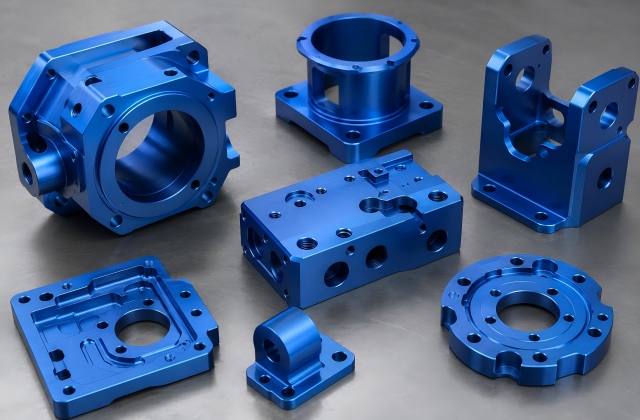
Anodized Aluminum
Common for aluminum housings, brackets, panels, and visible parts that require corrosion resistance and color consistency.
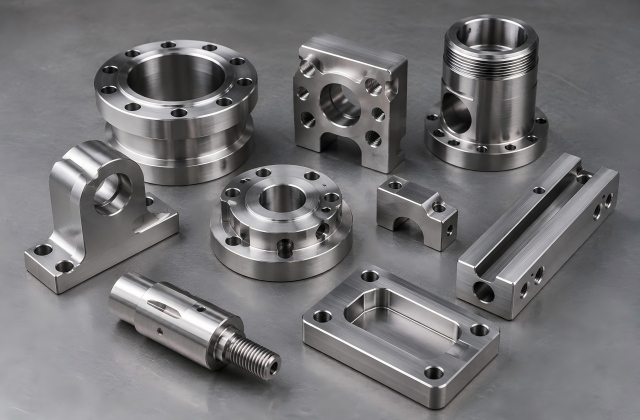
Brushed Stainless Steel
Suitable for stainless steel parts that need a clean industrial appearance, corrosion resistance, and controlled surface texture.
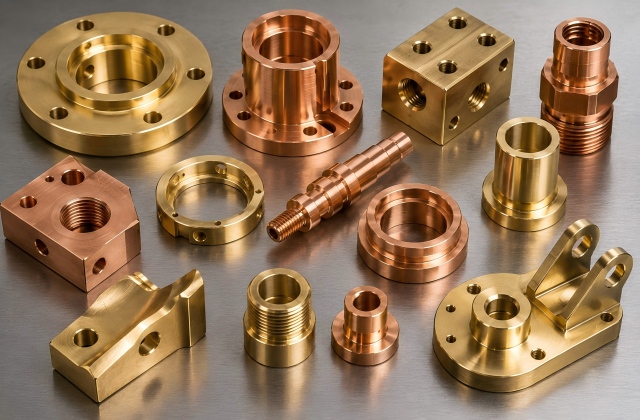
Polished Brass and Copper
Used for conductive, decorative, connector, and fitting components where appearance and conductivity are both important.
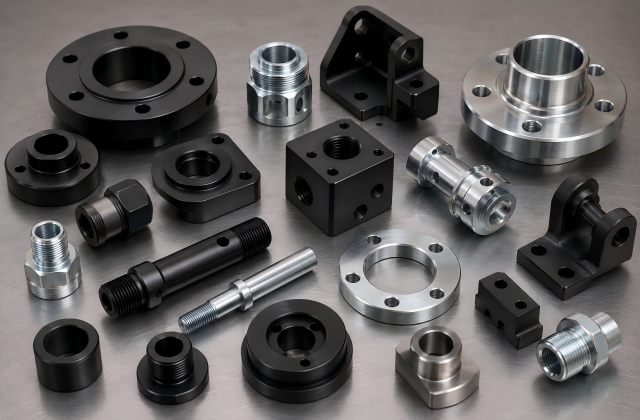
Black Oxide and Plated Steel
Applied to steel parts for improved surface protection, wear resistance, and controlled functional appearance.
Metal CNC Machining and Surface Finish Support
Metal parts often require both dimensional control and surface finish planning. Tik Precision supports finish options such as anodizing, passivation, plating, polishing, brushing, bead blasting, black oxide, and other post-processing requirements based on part material and application.
Aluminum
Anodizing · Bead Blasting · Polishing
Stainless Steel
Passivation · Brushing · Polishing
Steel
Black Oxide · Plating · Heat Treatment
Copper / Brass
Polishing · Plating · Anti-Oxidation Finish
Need Help Selecting a Metal Material?
Send us your CAD file, drawing, material grade, tolerance requirement, surface finish request, or application details. Our engineering team can help review material suitability and machining feasibility.