
For decades, CNC machining was the undisputed choice for producing custom parts. Then additive manufacturing — 3D printing — entered the conversation, promising faster prototypes and greater geometric freedom. Today, both technologies coexist, each with distinct strengths. Knowing when to use which can save your project months of development time and thousands of dollars.
How Each Technology Works
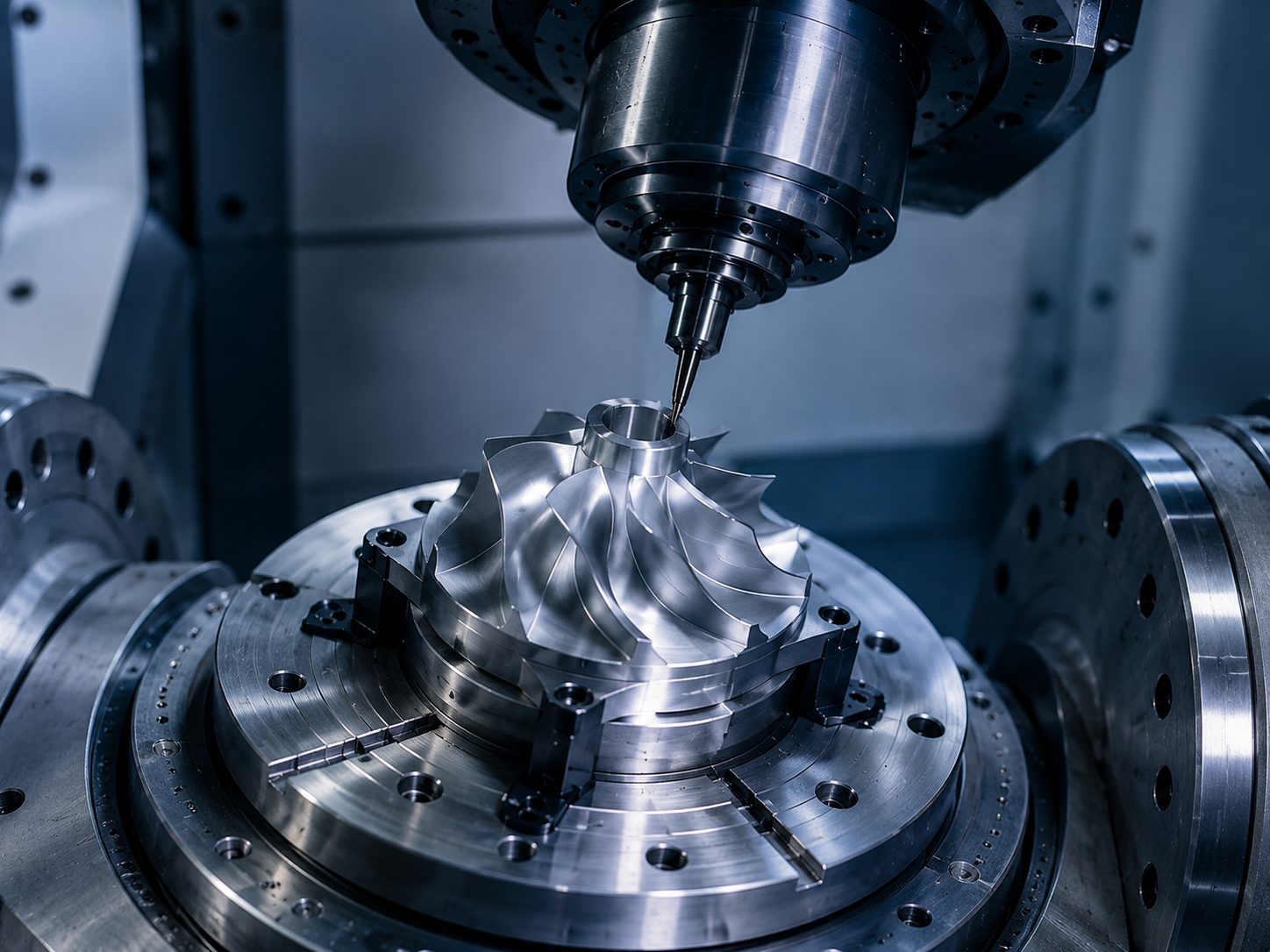
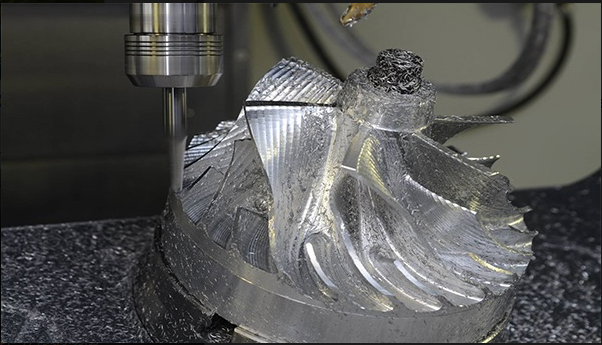
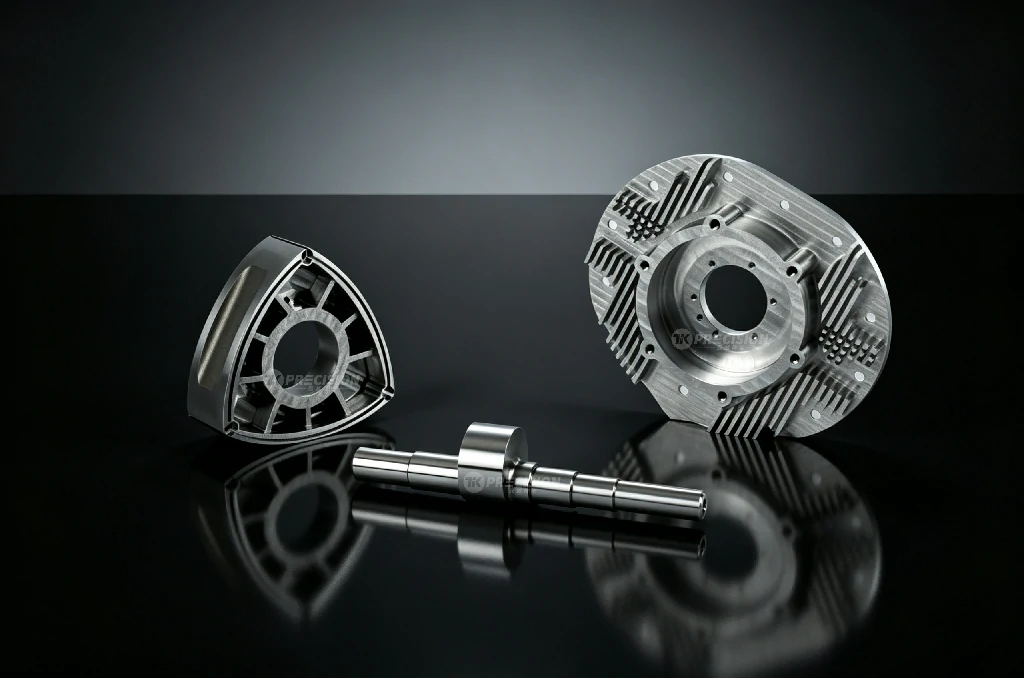
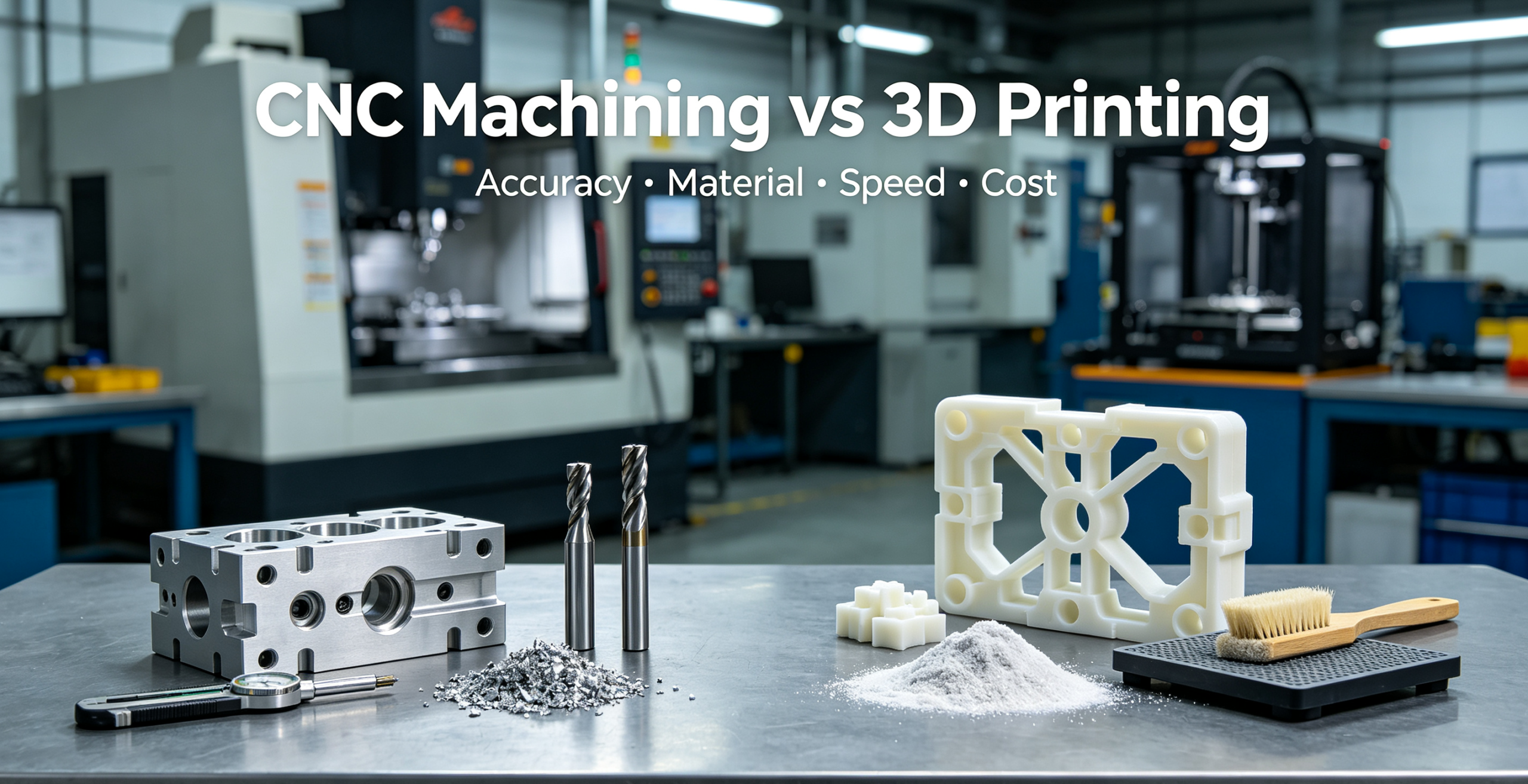
CNC machining is a subtractive process. It starts with a solid block of material and removes everything that is not the part. The result is a component milled from real production-grade material with mechanical properties identical to the raw stock.
3D printing (additive manufacturing) builds parts layer by layer from powdered or filament material, fused together by laser, heat, or binder. The material properties of a printed part depend on the printing technology — not just the material feedstock.
When CNC Machining is the Clear Winner
Production-Grade Material Properties
A CNC-machined aluminum 6061-T6 part has exactly the same yield strength, fatigue life, and thermal performance as the certified billet it came from. A 3D-printed aluminum part — even a high-quality DMLS (Direct Metal Laser Sintering) one — has directionally-dependent mechanical properties and typically requires hot isostatic pressing (HIP) to achieve near-wrought density. For structural, load-bearing, or safety-critical parts, CNC is the reliable choice.
Tight Tolerances
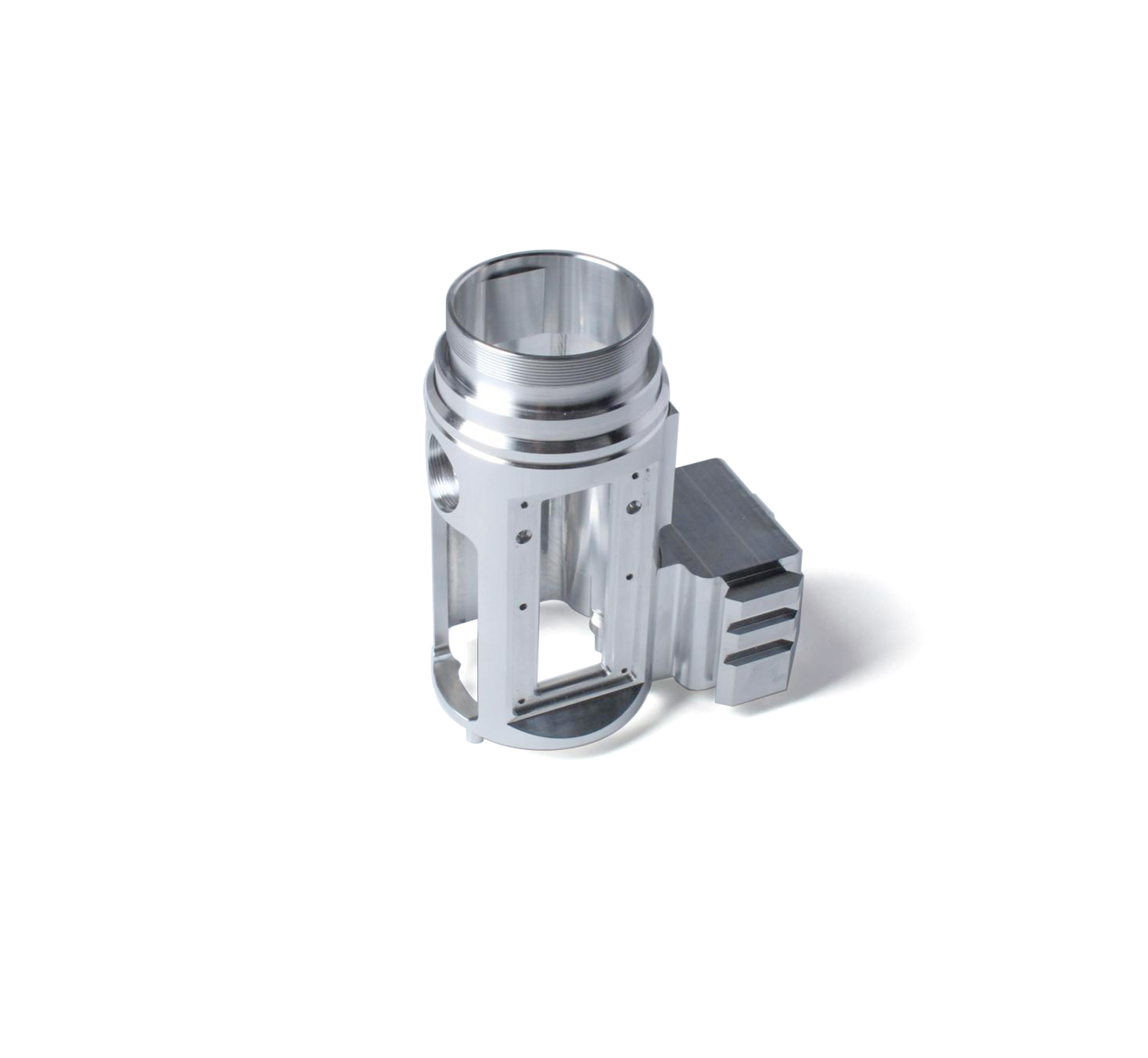
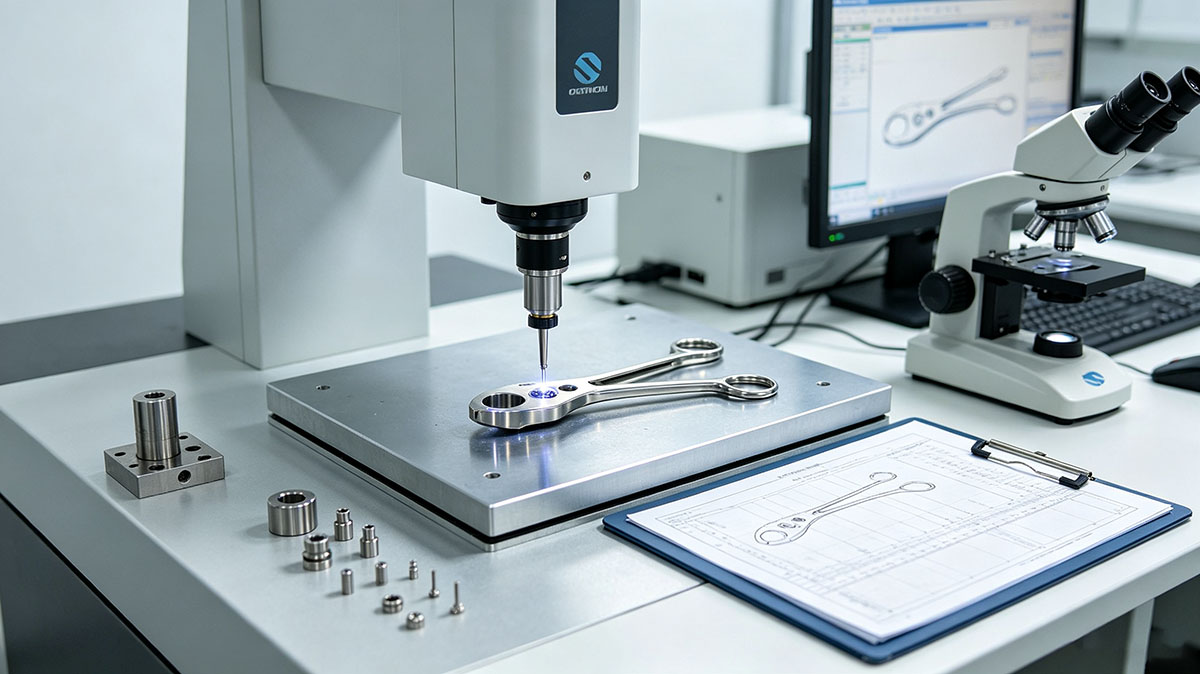
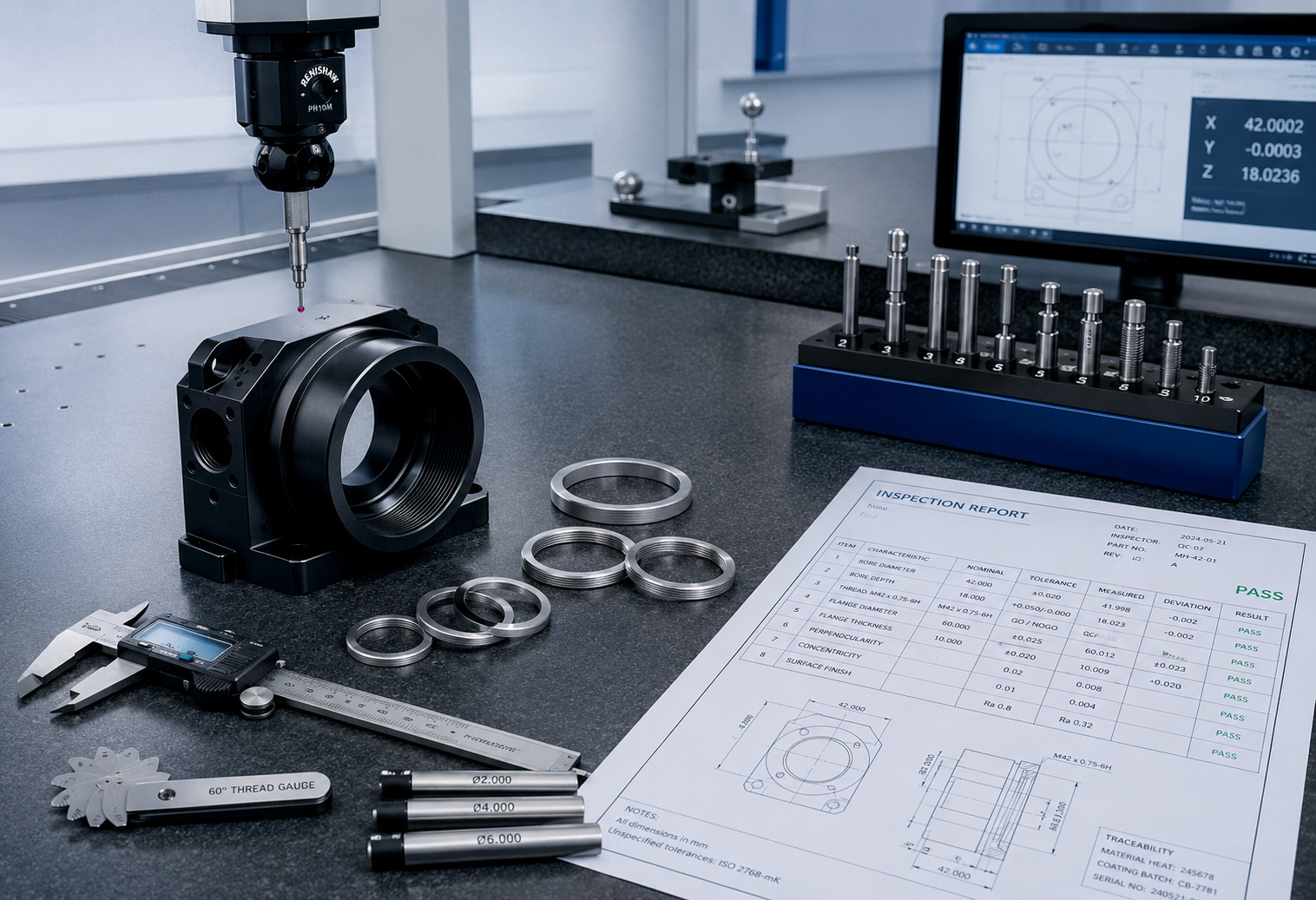
CNC machining routinely holds ±0.025 mm tolerances. Top-tier shops achieve ±0.005 mm. 3D printing, even with post-processing, generally holds ±0.1-0.2 mm for metal and ±0.3 mm or worse for polymer parts. If your assembly requires press fits, bearing bores, or precision alignment features, CNC machining is non-negotiable.
Surface Finish and Aesthetics
As-machined aluminum can achieve Ra 0.8 µm directly off the machine. 3D-printed metal parts typically require machining or polishing post-processing to achieve a functional surface — adding time, cost, and complexity. For cosmetic parts or sealing surfaces, CNC is the more efficient path.
Scalability
CNC machining scales linearly: produce one part or ten thousand, and the per-part cost trends downward with volume as setup costs are amortized. Most metal 3D printing processes have high fixed costs per build and scale poorly beyond low volumes. If your production exceeds 50-100 units, CNC is almost certainly more economical.
When 3D Printing Has the Edge
Geometric Complexity at No Extra Cost
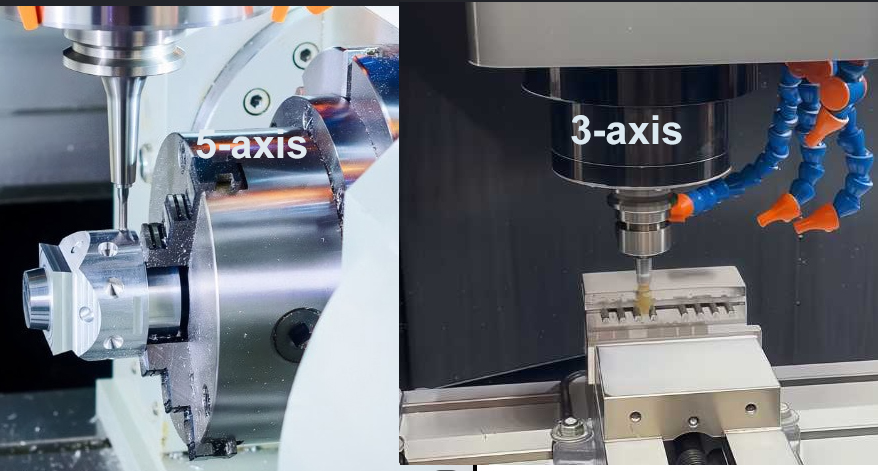
Internal channels, lattice structures, organic topology-optimized shapes — 3D printing builds these as easily as a simple cube. CNC machining requires reachable geometry; undercuts, internal cavities, and conformal cooling channels may be impossible to mill regardless of setup count.
Rapid Prototyping Speed
For a single prototype of moderate complexity, 3D printing often delivers in hours rather than days. No CAM programming, no fixture design — just slice the STL and print. This speed advantage diminishes with part quantity and material requirements.
Part Consolidation
3D printing can consolidate assemblies of dozens of individual CNC-machined components into a single printed part. This reduces assembly labor, eliminates fasteners, and can improve reliability — a powerful advantage in aerospace and medical applications where part count reduction is a key metric.
Material Efficiency
Subtractive machining generates chips — especially in aerospace parts where the buy-to-fly ratio (raw material weight to finished part weight) can exceed 10:1 for complex structural components. 3D printing uses only the material that becomes the part, with minimal waste.
Head-to-Head Comparison
| Criterion | CNC Machining | 3D Printing (Metal) |
|---|---|---|
| Typical tolerance | ±0.025 mm | ±0.1-0.2 mm |
| Material properties | Identical to wrought material | Anisotropic; requires HIP for full density |
| Surface finish (as-built) | Ra 0.8–3.2 µm | Ra 6–15 µm |
| Optimal volume | 10 to 100,000+ | 1 to 100 |
| Geometric freedom | Limited by tool access | Near-unlimited |
| Lead time (1 part) | 1-5 days | 1-3 days |
| Material options | Hundreds (metals, plastics, composites) | Dozens (technology-dependent) |
| Part size range | 1 mm to 5+ meters | Typically 250-500 mm build envelope |
The Hybrid Approach
Increasingly, smart manufacturers combine both technologies. A common workflow:
- 3D print a near-net-shape blank with complex internal features.
- CNC machine the critical interfaces — bearing bores, sealing surfaces, and mounting faces — to precision tolerances.
- Apply surface finishing (anodizing, plating, passivation) appropriate to the final application.
This approach captures the geometric freedom of additive manufacturing while delivering the precision and surface quality of CNC machining — ideal for conformal-cooled injection mold inserts, hydraulic manifolds with integrated channels, and lightweight aerospace brackets.
Making the Right Decision
Ask yourself these three questions:
- Does the part carry significant mechanical load? If yes, lean toward CNC.
- Does the part have internal geometry that cannot be reached by a cutting tool? If yes, 3D printing or a hybrid approach may be required.
- What is the production volume? For prototyping (<10 units), 3D printing wins on speed. For production (>50 units), CNC wins on cost and consistency.
Not sure which method fits your project? Upload your CAD files to Tik Precision and our engineers will recommend the optimal manufacturing approach — whether CNC, additive, or a hybrid strategy — with your free quote.