
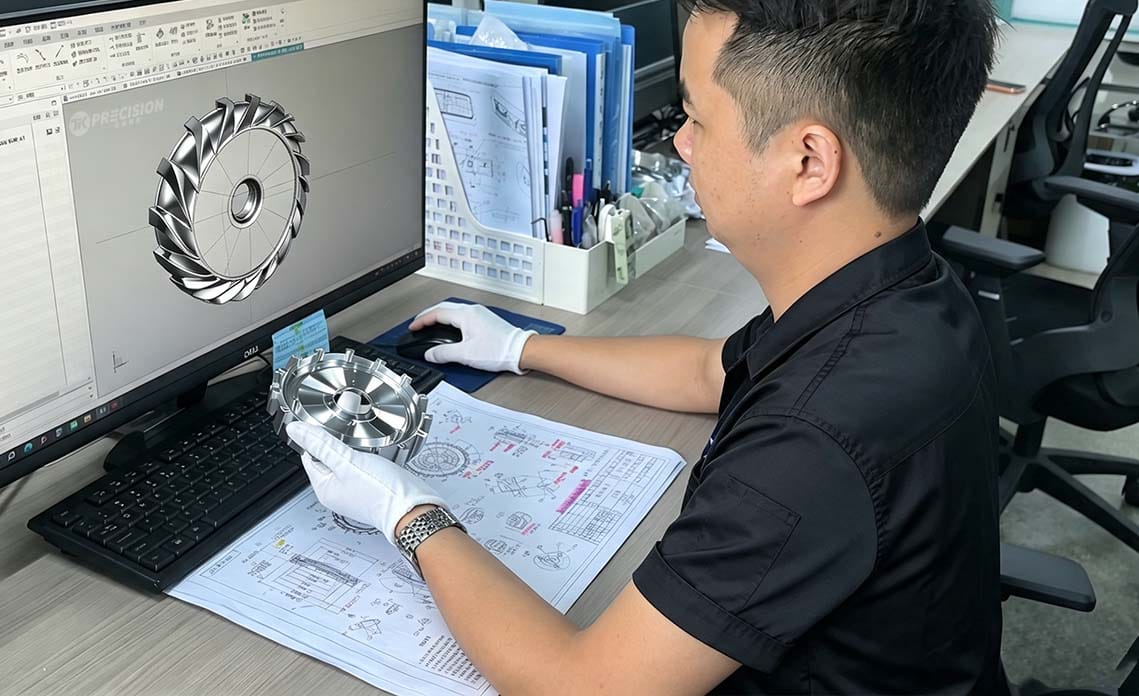
When purchasing custom CNC machined parts, one of the most common questions buyers ask is: “Why is this machining quote so expensive?”
Two manufacturers can receive exactly the same engineering drawing and return quotes that differ significantly. In many cases, the difference is not simply a matter of profit margin. Machine selection, material, tolerances, programming, tooling, inspection, finishing, and production volume can all have a major impact on the final cost.
Understanding these factors can help engineers and purchasing teams obtain more competitive quotes without compromising part quality.
1. Material Selection
The material is one of the first factors affecting CNC machining cost.
Aluminum is generally easier to machine than stainless steel or titanium. Harder materials increase tool wear, machining time, and tooling costs.
For example, aerospace-grade titanium components may require specialized cutting strategies and significantly slower machining parameters than aluminum components.
The key is to select a material based on actual application requirements rather than unnecessarily specifying an expensive material.
2. Tight Machining Tolerances
Tighter tolerances require greater manufacturing control.
A part with a general tolerance may be produced relatively quickly, while a component requiring ±0.01 mm or tighter tolerances may require:
- Additional machining operations
- Temperature-controlled inspection
- Precision measuring equipment
- Additional finishing passes
- More frequent in-process inspection
Not every dimension needs an extremely tight tolerance. Applying tight tolerances only where functionally necessary can reduce manufacturing costs.
3. Complex Geometry
Complex geometries often require more advanced CNC equipment.
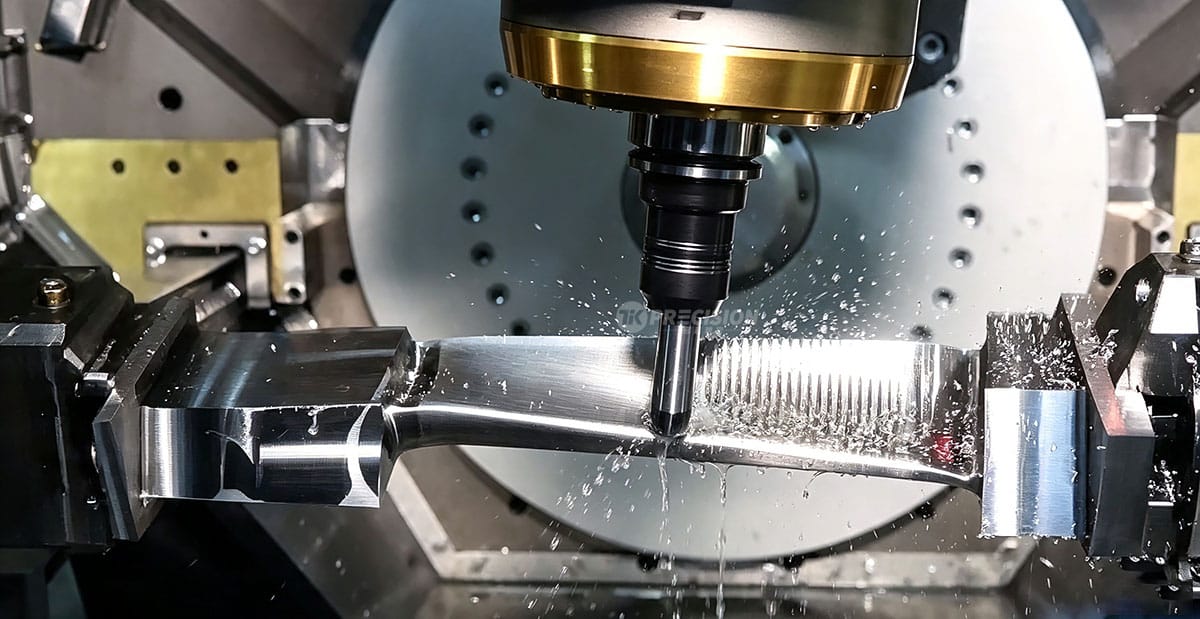
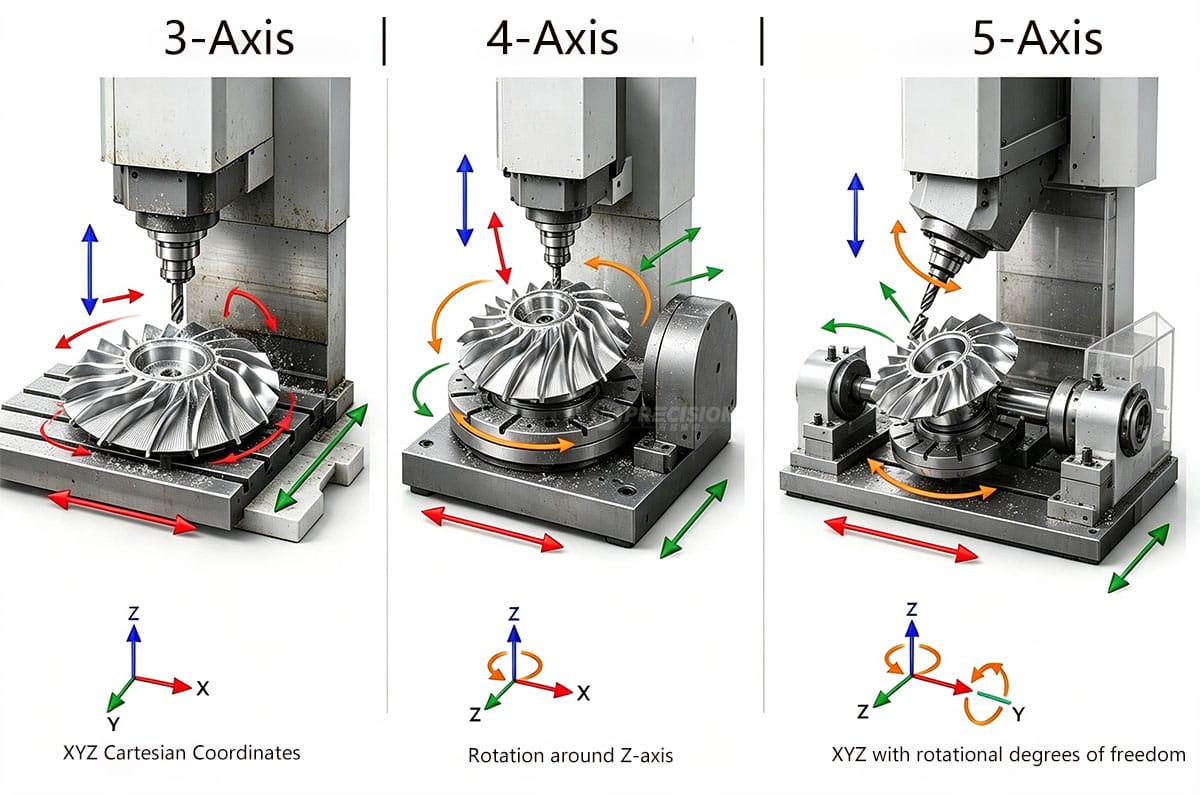
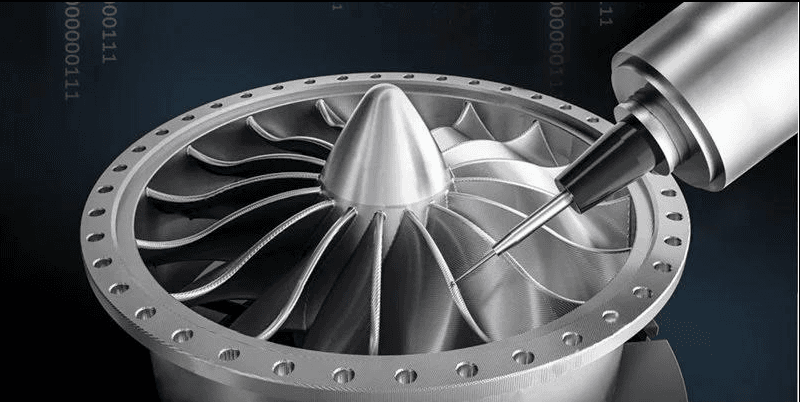
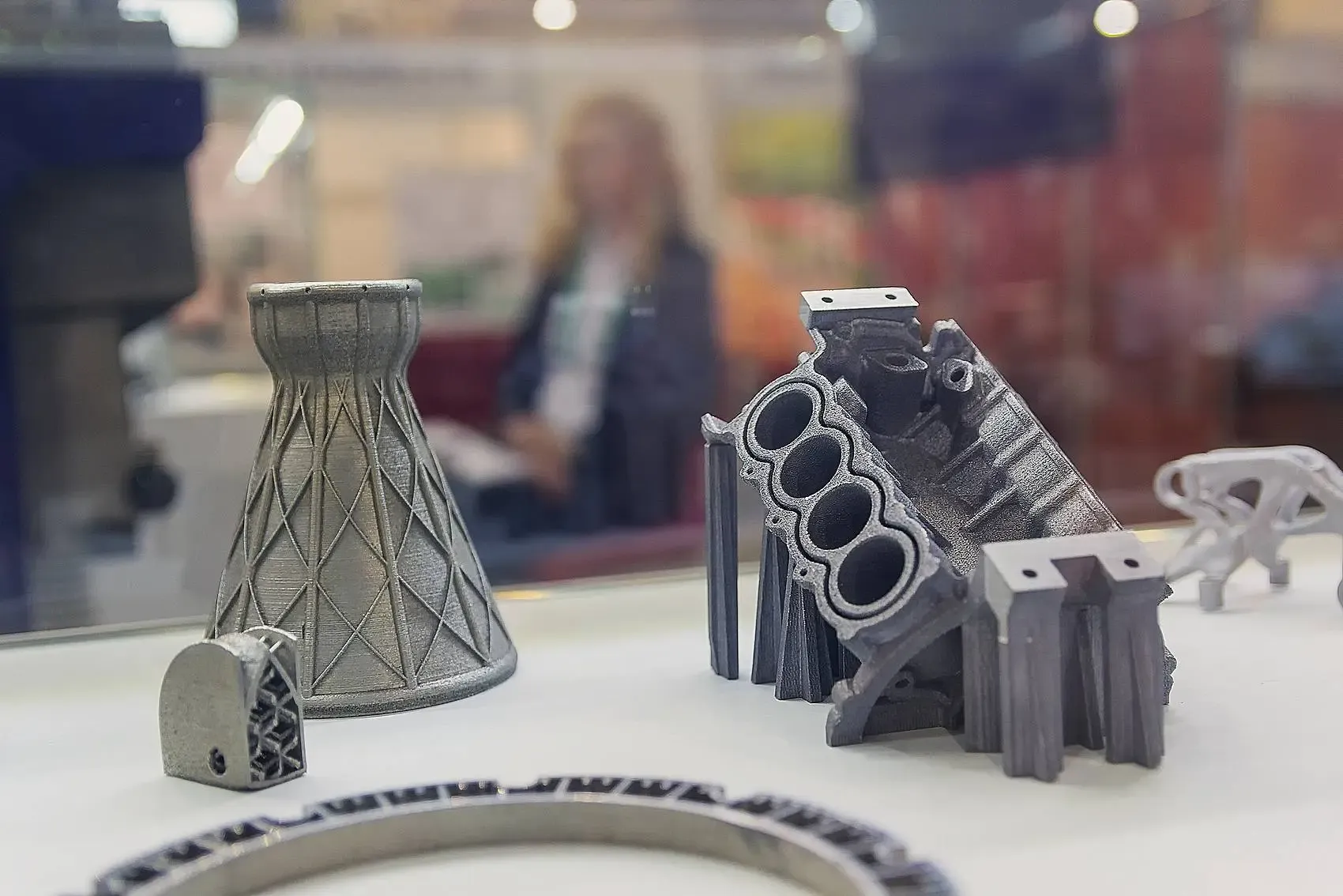
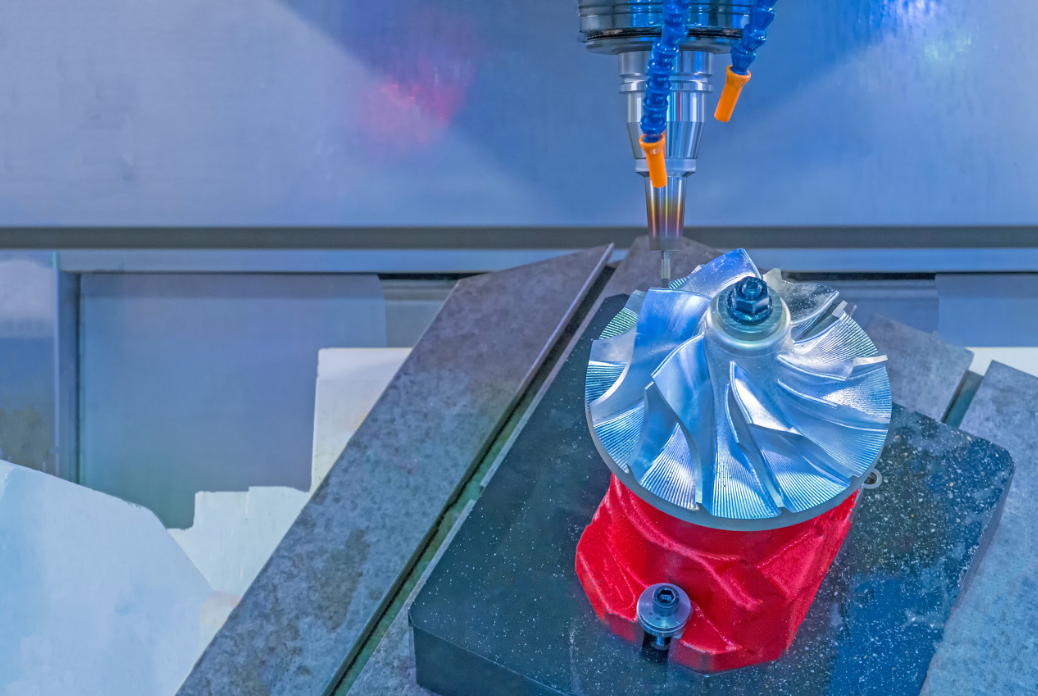
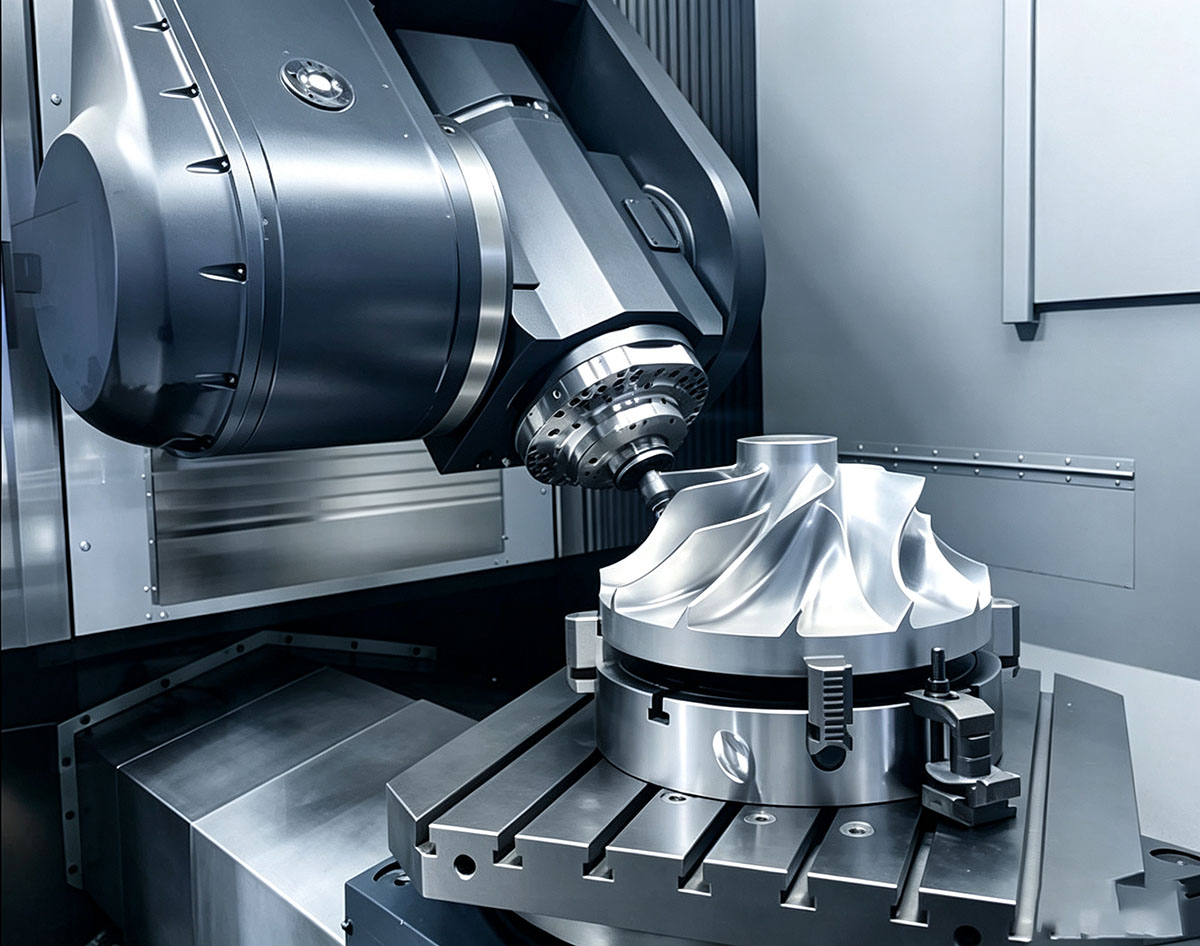
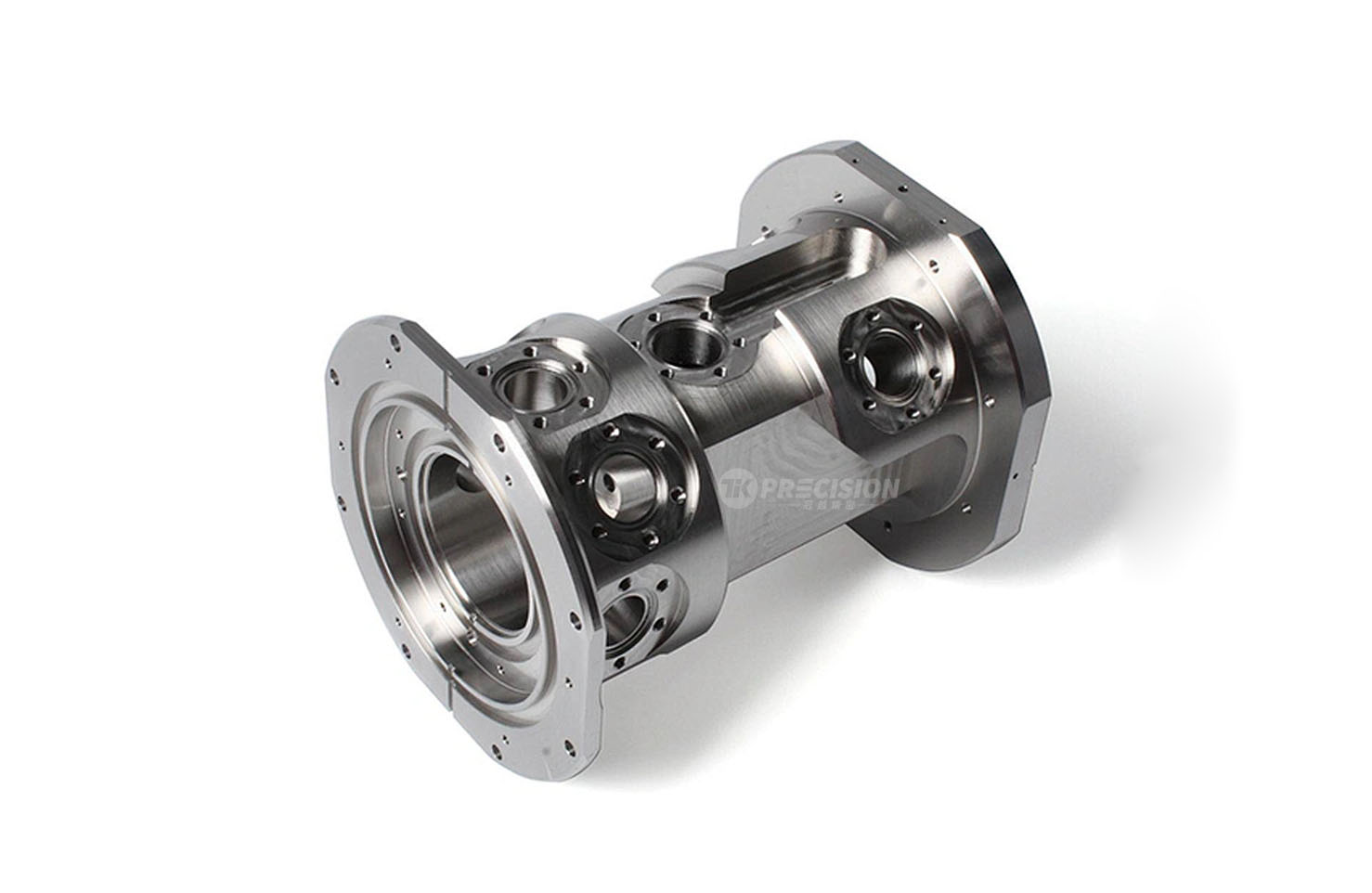
A relatively simple three-axis component may be manufactured efficiently using standard CNC milling. Complex curved surfaces, deep cavities, blades, impellers, and multi-sided components may require 4-axis or simultaneous 5-axis machining.
More machine axes can reduce setups, but the programming and process planning can also become more sophisticated.
4. Number of Setups
Every additional setup increases production time and introduces another opportunity for positioning errors.
Designing a component so that more features can be completed in fewer setups can significantly improve manufacturing efficiency.
This is one reason experienced CNC manufacturers review the entire drawing before selecting the machining process.
5. Surface Finish Requirements
Surface finishing can represent a significant portion of the total manufacturing cost.
Requirements such as:
- Anodizing
- Electroless nickel plating
- Passivation
- Polishing
- Heat treatment
- Grinding
- Shot blasting
may require additional suppliers, processes, inspection, and transportation.
6. Inspection Requirements
A precision component may require more than a simple dimensional check.
Depending on the application, manufacturers may use:
- CMM inspection
- Optical measurement
- Surface roughness testing
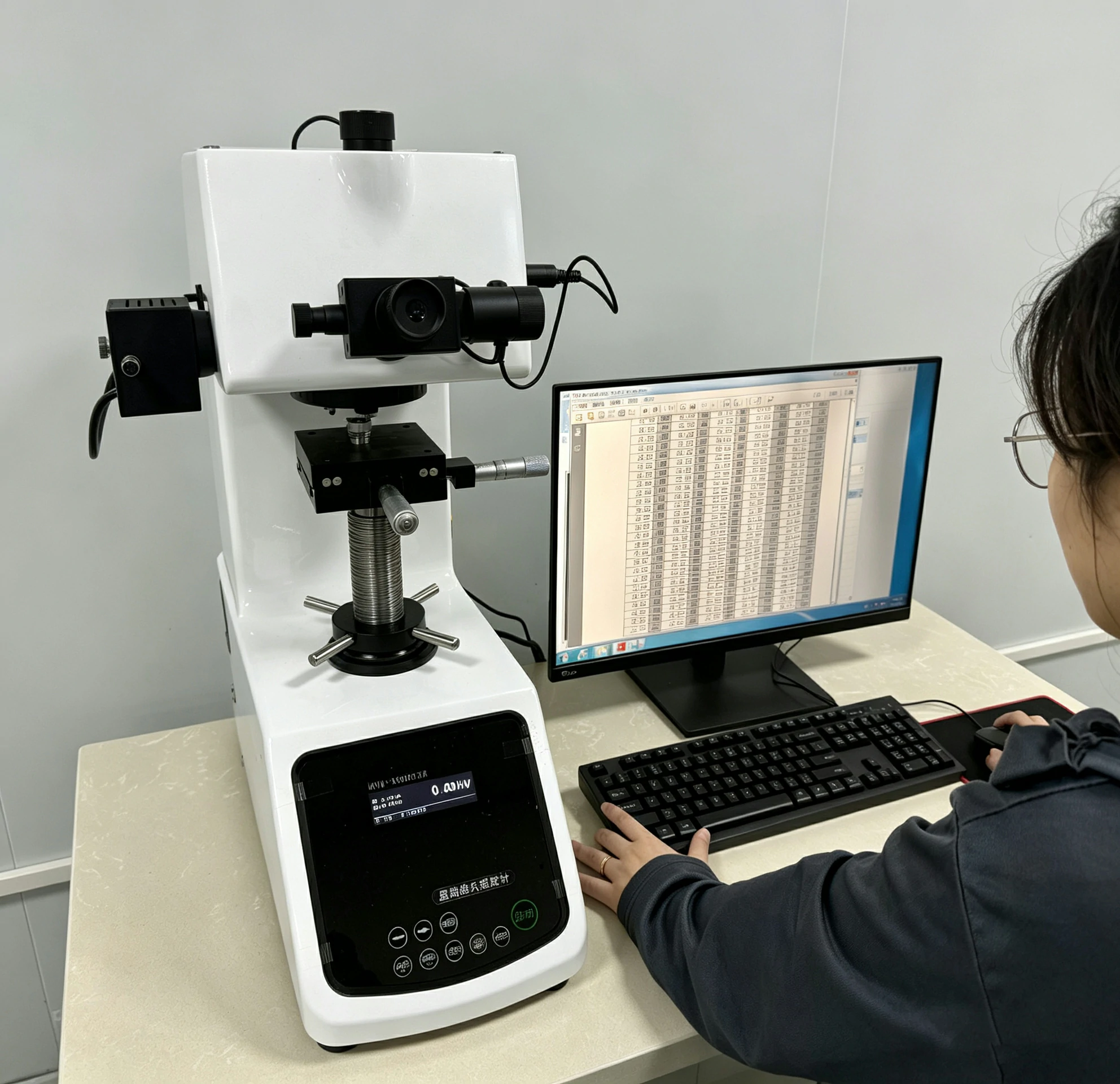
- Hardness testing
- Thread inspection
- Material certification
- First Article Inspection
The more demanding the quality requirements, the more resources are required to verify the final part.
7. Low Production Volume
Low-volume manufacturing often has a higher unit cost because programming, setup, tooling, and inspection costs are distributed across fewer parts.
For example, producing 5 prototype components will generally have a higher unit price than producing 1,000 components with the same geometry.
8. Difficult-to-Machine Features
Deep cavities, thin walls, long holes, small internal radii, complex threads, and difficult internal features can increase machining time and tool wear.
A design that looks simple on a drawing may actually be difficult to manufacture.
9. Engineering and DFM Requirements
A good CNC supplier does more than simply run a machine.
Engineering teams may need to analyze:
- Datum structures
- Tolerances
- Tool accessibility
- Material condition
- Machining sequence
- Fixturing
- Inspection requirements
Early DFM analysis can identify manufacturing risks before production begins.
10. Production Risk
Sometimes the cheapest quotation is not the lowest-cost option.
A supplier with insufficient equipment or process capability may offer a low initial price but later experience:
- High scrap rates
- Dimensional problems
- Delayed delivery
- Rework
- Quality disputes
For precision components, buyers should evaluate total manufacturing risk rather than price alone.
Conclusion
A CNC machining quotation reflects much more than machine cutting time.
Material, tolerance, geometry, setup requirements, surface treatment, inspection, production volume, and manufacturing risk all contribute to the final cost.
The best way to reduce machining costs is not simply to find the cheapest supplier. It is to optimize the part design, manufacturing process, quality requirements, and production strategy together.
For complex precision components, early communication between the engineering team and CNC manufacturer can often reduce both cost and production risk.
Need a More Accurate CNC Machining Quote?
Every precision part has different cost drivers. Our engineering team can review your drawings, materials, tolerances, machining requirements, and finishing specifications to identify potential cost-saving opportunities.
Send Your Drawing
Share your 2D drawing or 3D CAD model with our engineering team for a manufacturing review.
Request a Quote
Get a detailed quotation based on your actual part requirements, quantity, material, tolerances, and finishing needs.
Request a DFM Review
Let our engineers identify potential manufacturing risks and opportunities to optimize your part before production.