
3-Axis vs 4-Axis vs 5-Axis CNC Machining: Which One Do You Need?

Picture of Kenny Gan
Kenny Gan
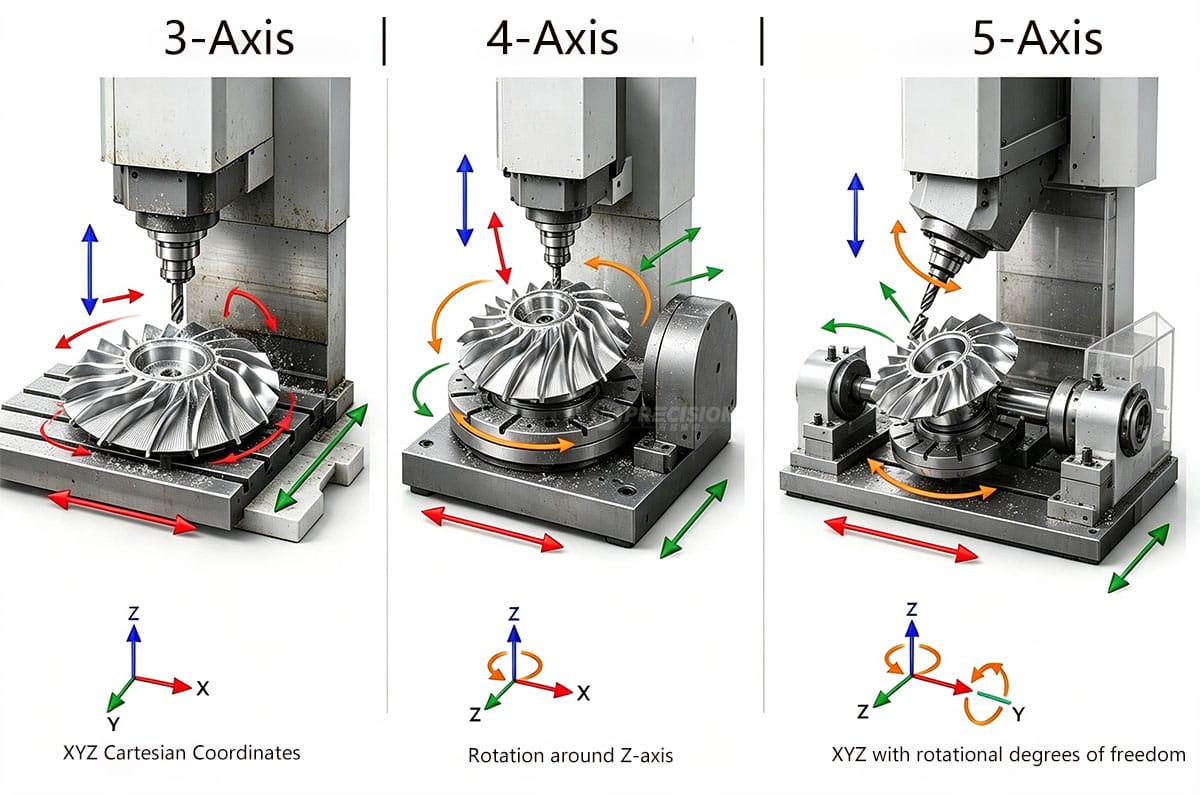
Industrial technical illustration, three panels side by side, labeled at top left to right: 3-axis, 4-axis, 5-axis.
Share

Table of Contents

Not every part needs 5-axis machining, and not every part can be made on a 3-axis machine. Choosing the right CNC machining process affects cost, lead time, and whether the part is even feasible to manufacture. Here’s a practical guide to help you decide.

3-Axis Machining: The Foundation of Precision

A 3-axis mill moves the cutting tool along the X, Y, and Z axes. It’s the most common and cost-effective CNC milling method, perfectly suited for:

  • Flat plates, blocks, and simple housings.
  • Parts with features accessible from one or two faces.
  • High-volume production of simple geometries where speed is critical.

Limitation: Complex angled features or undercuts often require multiple setups, adding time and introducing potential alignment errors between fixtures.

4-Axis Machining: Enhanced Versatility

4-axis machining adds rotation around one additional axis (typically the A-axis), allowing the part to rotate while the tool cuts. This is ideal for:

  • Cylindrical parts with features around their circumference.
  • Helical grooves, cams, and screw threads produced via CNC turning and milling.
  • Parts like valve bodies and manifolds that need multiple faces machined without manual repositioning.

5-Axis Machining: The Ultimate in Complexity

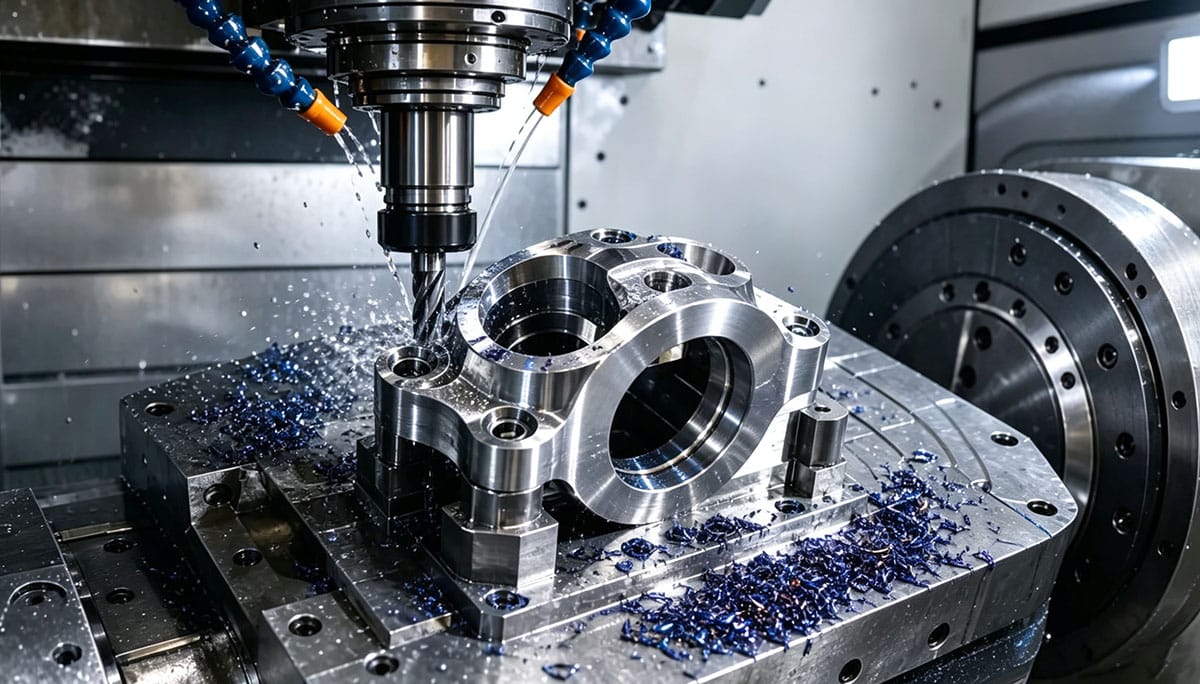
Utilizing professional 5-axis machining services adds two rotational axes, allowing the cutting tool to approach the part from nearly any angle in a single setup. This is the essential choice for:

  • Complex freeform 3D surfaces like impellers, turbine blades, and blisks.
  • Parts with deep pockets, undercuts, or steep angled walls.
  • High-precision aerospace and medical components where minimizing setups reduces cumulative tolerance error.

Trade-off: 5-axis machines and programming are more expensive, so this process is best reserved for geometries that genuinely require it.

Quick Decision Framework

Part CharacteristicRecommended Process
Flat, prismatic, simple3-axis
Cylindrical, multi-face4-axis
Freeform, undercuts, tight tolerances5-axis

A useful rule of thumb: if a part needs to be flipped or re-clamped more than twice on a 3-axis machine, it’s worth evaluating whether 4-axis or 5-axis machining would be more cost-effective once setup time and alignment risk are factored in.

Frequently Asked Questions

Is 5-axis machining always more expensive? Per hour, yes—but for complex parts, it can be cheaper overall by eliminating multiple setups and reducing scrap risk.

Can a 3-axis machine make angled features? Yes, using multiple setups or angled fixtures, but this adds time and increases the chance of dimensional error.

Which industries use 5-axis the most? Aerospace, energy, and medical industries frequently require it for complex curved surfaces and tight tolerances.


Not sure which process your part requires? Contact our engineering team for a free manufacturability review and process recommendation.


Need a Manufacturing Quote?

Upload your drawings and receive DFM feedback, material recommendations, and a clear manufacturing quote.

16+

Year

50K+

Parts Manufactured

98.2%

On-time Delivery

Request a Quote
All Articles From The Author
5 axis cnc machining titanium alloy robot joint bracket, precision cnc milled robotic structural component

Machining of Titanium Alloy Parts for Robots: Why Is TC4 Cutting So Slow?

1.Overview The low cutting speed in TC4 (Ti-6Al-4V) machining is a process requirement, not an inefficiency. It is driven by the material’s poor thermal

Overseas customer and engineering team review technical documents on laptop, ZEISS CMM metrology lab background

How to Reduce CNC Machining Lead Times Without Sacrificing Quality

Long CNC machining lead times can disrupt product launches, prototype testing, equipment maintenance, and customer deliveries. However, reducing lead time does not necessarily mean

Turbo‑molecular pump and custom CNC machined impeller, high vacuum precision rotor technology for semiconductor vacuum equipment

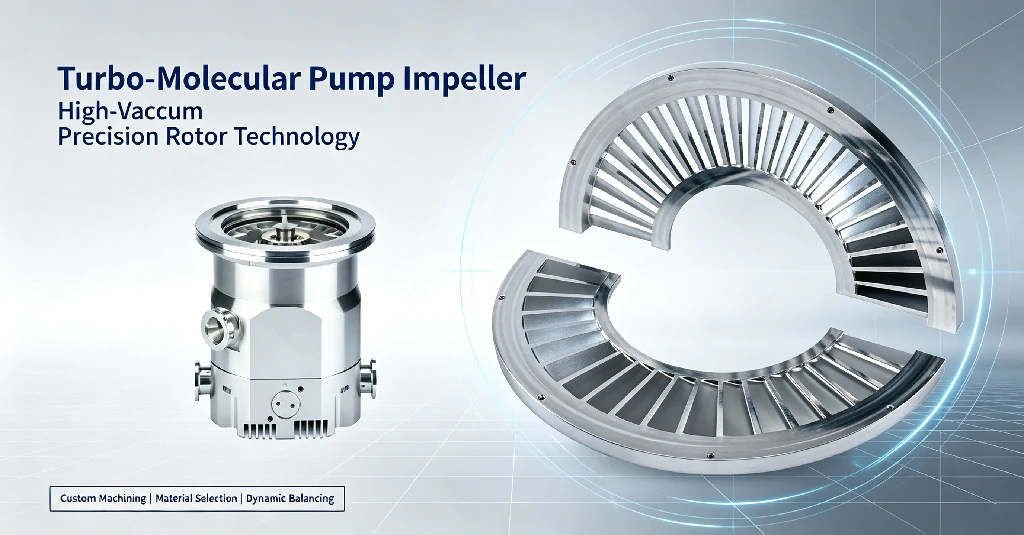
Turbo-Molecular Pump Impeller: Precision Rotor for High-Vacuum Systems

Learn how turbo-molecular pump impellers affect pumping speed, compression ratio, vibration, and service life, and what engineers should evaluate when sourcing custom high-vacuum rotors.

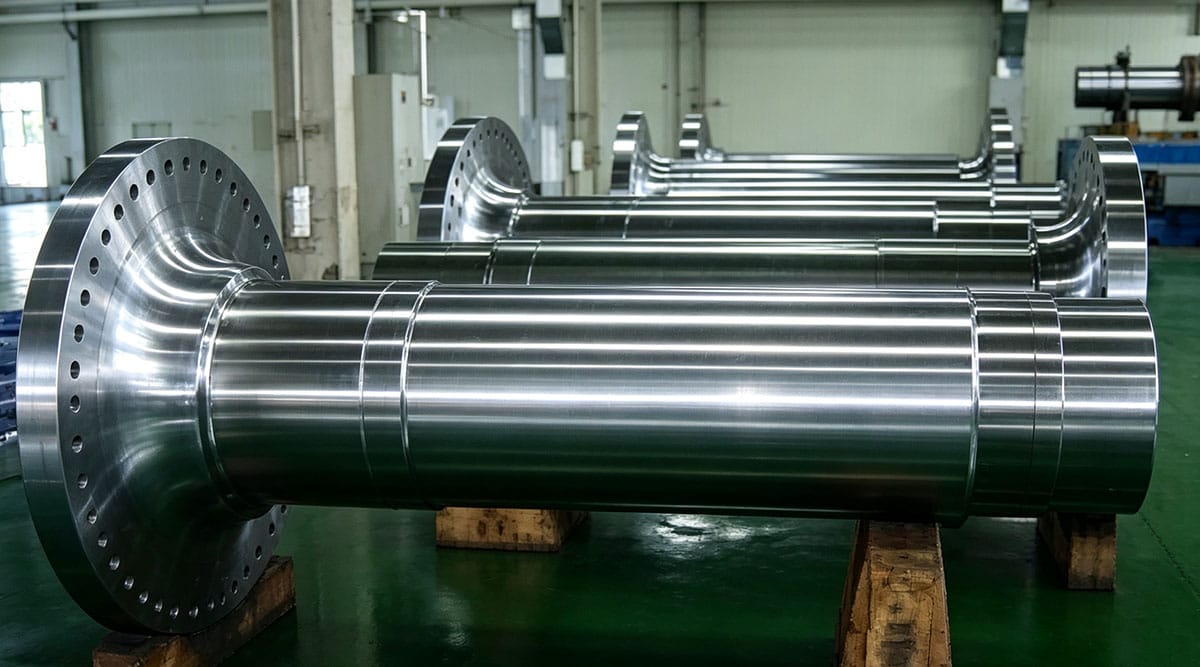
Wind Turbine Main Shaft Machining: Forging, Inspection, and Quality Control

Learn how wind turbine main shafts are forged and machined, including heat treatment, deep-hole machining, bearing-seat finishing, dimensional inspection, and quality documentation.

CNC Machining Inspection Failures: 10 Causes and Prevention Tips

CNC machining inspection failures can result from drawing errors, datum issues, tool wear, thermal expansion, poor fixturing, material variation, and inadequate process control. Learn
CNC lathe machining turbine rotor shaft, custom aerospace turbine rotors precision manufacturing

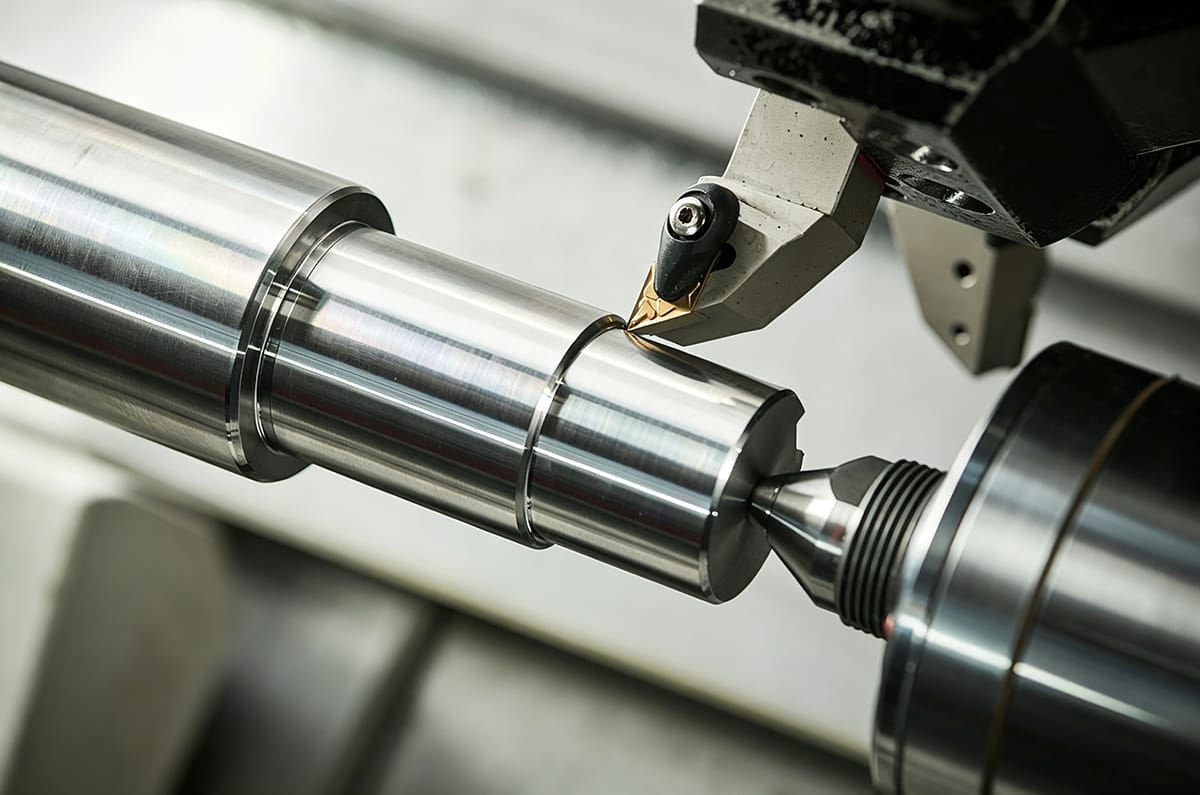
Steam Turbine Rotor Precision Machining: Process, Tolerances, and Inspection

Learn how steam turbine rotors are precision machined, including forging preparation, rough and finish turning, grinding, heat-treatment control, dynamic balancing, and quality inspection.
Engineer working with NX UG CAD software for turbine diffuser 3D modeling, comparing CAD model, engineering drawing and CNC machined aerospace diffuser prototype

Why Is My CNC Machining Quote So High? 10 Factors That Affect Precision CNC Machining Cost

When purchasing custom CNC machined parts, one of the most common questions buyers ask is: “Why is this machining quote so expensive?” Two manufacturers

Aerospace CNC Machining High-Temperature Alloy Components

CNC Milling Companies for Aerospace Prototype Parts with Tight Tolerances

Discover how to choose CNC milling companies for aerospace prototype parts with tight tolerances. Compare 5-axis machining, aerospace materials, GD&T, CMM inspection, DFM review,

Precision CNC Turning for Medical Device Parts: Supplier Selection Guide

Learn how to choose a qualified precision CNC turning supplier for medical device parts, including ISO 13485, materials, micro-machining, cleanroom processing, traceability, and supplier

Start a New Project

Turn Your CAD Files Into Precision Parts

Share your requirements with our engineering team. We will review manufacturability, materials, tolerances and lead time before quoting.

2-Hour Quote

Fast response for complete RFQs

Free DFM Review

Engineering feedback before production

Secure CAD Files

Confidential upload and NDA support

No MOQ

Prototype to low-volume production

Need help preparing an RFQ?

info@tikprecision.com

RFQ Form

Tell Us About Your Project

Upload CAD Files | Free DFM Analysis | 2-Hour Quote | No MOQ Required | NDA Protected