
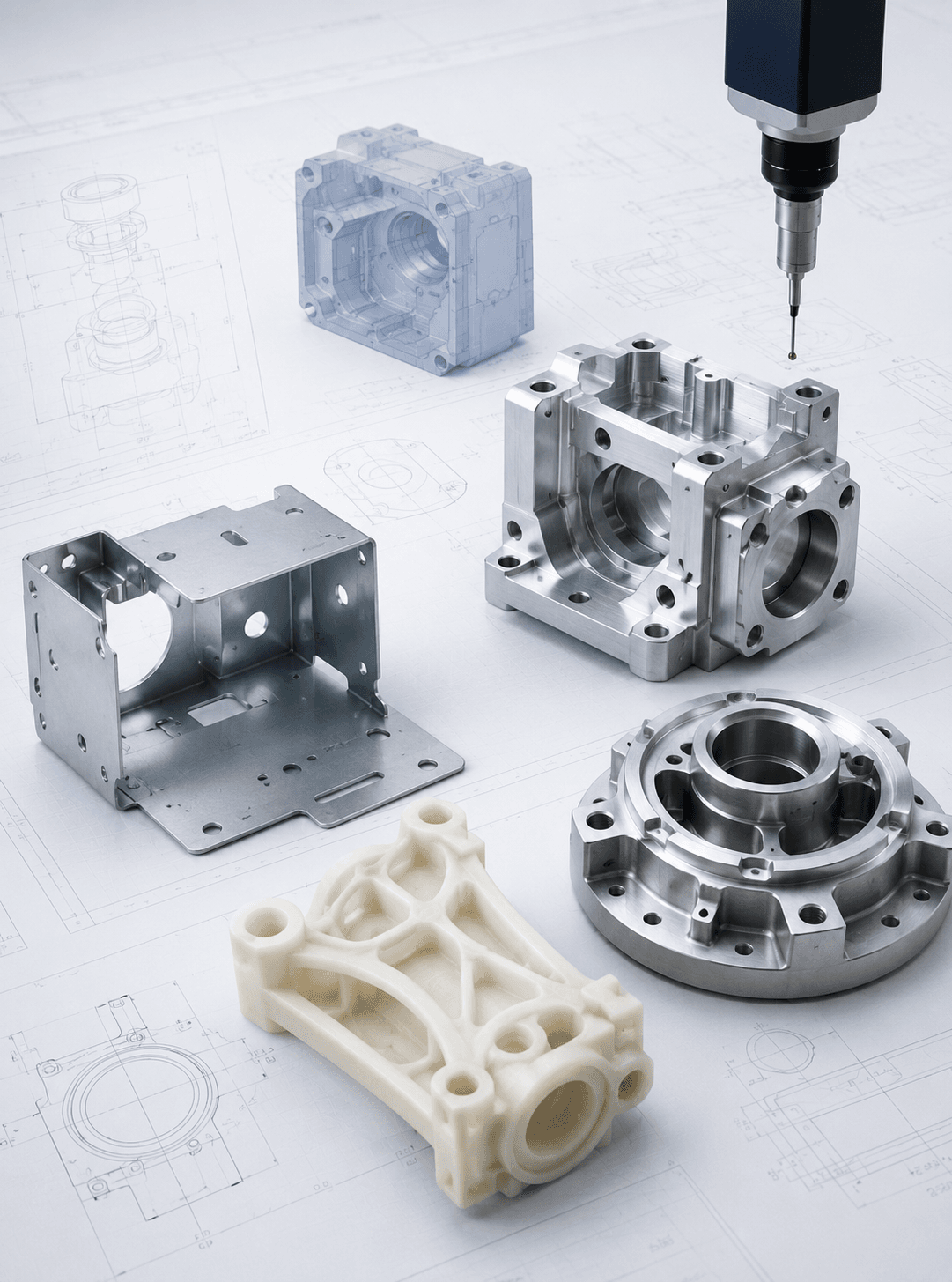
A successful prototype does not guarantee a successful production run. Moving from a few CNC machined prototypes to thousands of parts introduces new risks involving tooling, process control, inspection, delivery, and cost.
A planned CNC machining scale-up helps manufacturers protect quality while increasing production volume. This guide explains why projects fail during the transition and how to avoid common problems.
Why Prototype and Production Machining Are Different
Prototype machining usually focuses on proving the part design. Engineers check geometry, fit, function, and basic performance. Production machining must also deliver repeatable results, stable cycle times, controlled costs, reliable tool life, and consistent quality across many batches.
1. Tool Wear Is Not Controlled
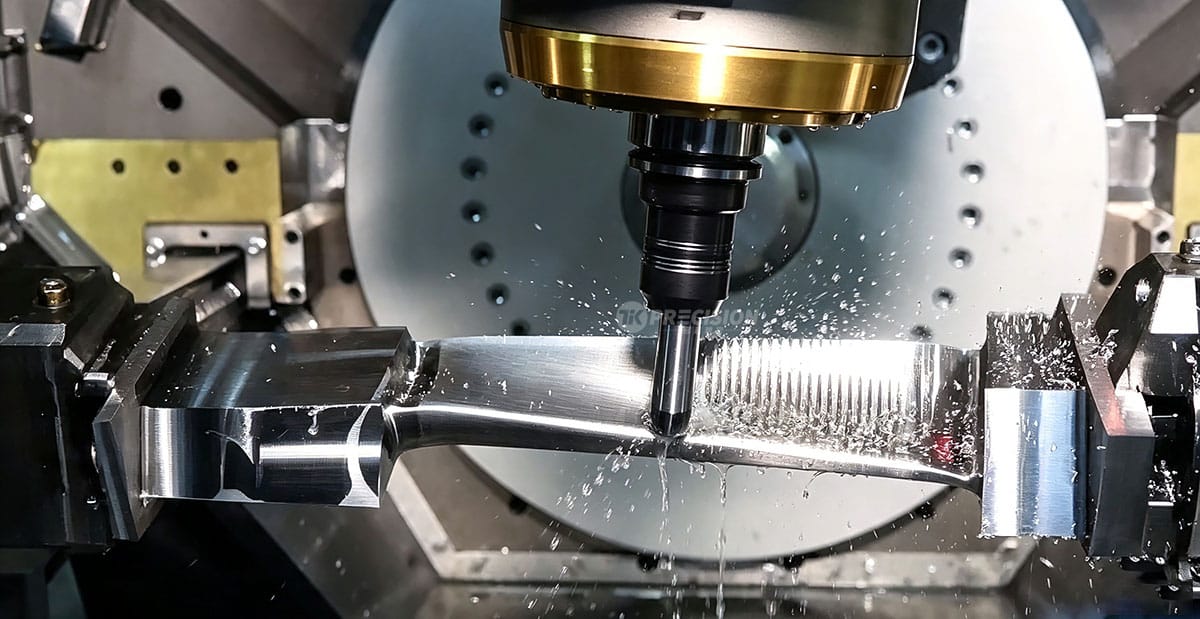
A prototype may be completed with one set of cutting tools. During mass production, however, tool wear can affect hundreds or thousands of parts. A worn tool may change dimensions, increase surface roughness, or create burrs.
To prevent this problem, manufacturers should define tool-life limits, monitor cutting performance, and schedule tool replacement before quality declines. Standard tool management also makes production more predictable.
2. The Process Is Not Repeatable
A process that works once may not remain stable across different batches, machines, or operators. Uncontrolled setups and undocumented parameters can create variation during a CNC machining scale-up.
Standardized work instructions, fixture designs, machine settings, and inspection procedures improve repeatability. Clear documentation also helps new operators follow the approved process.
3. Inspection Does Not Scale
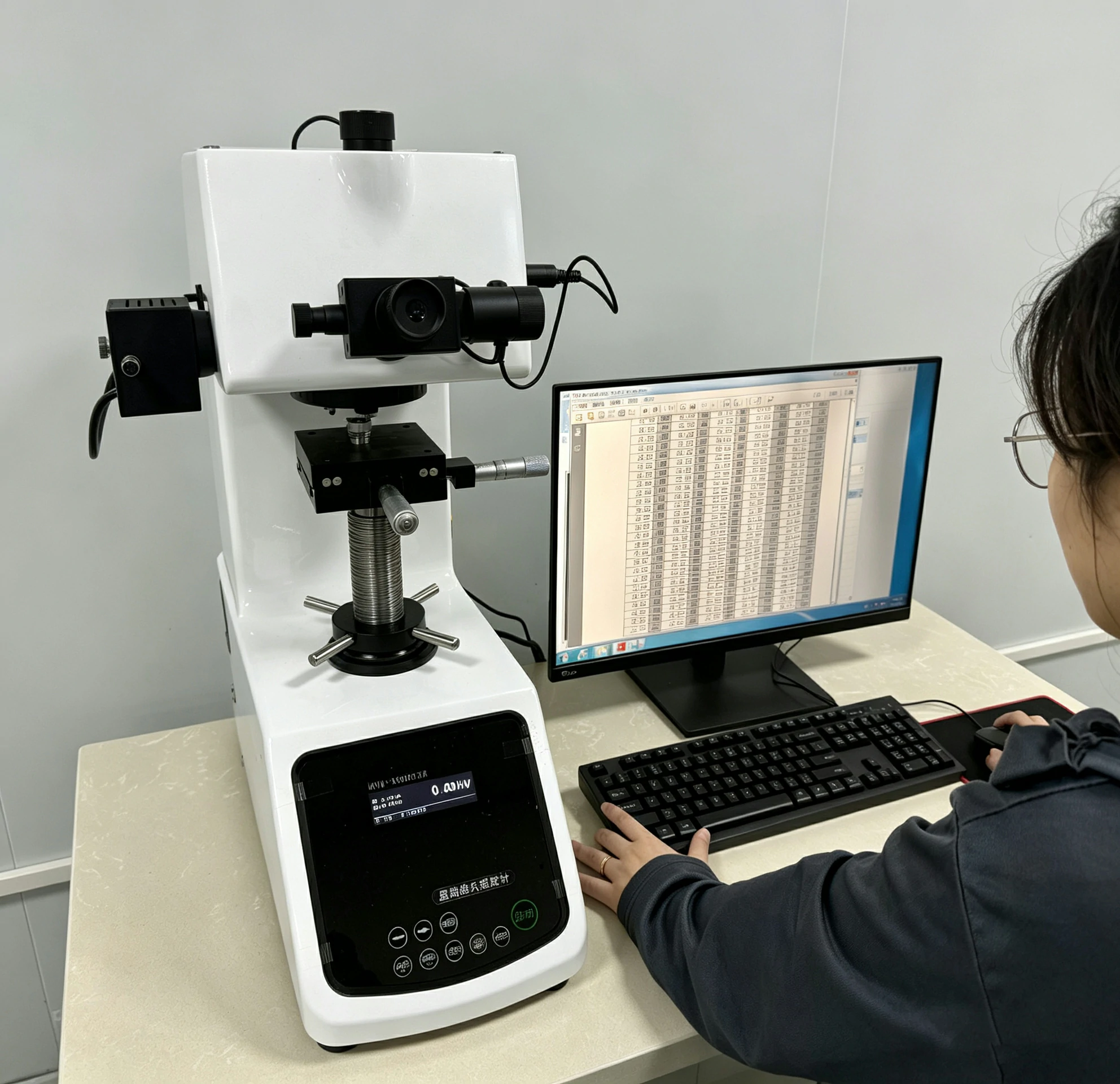
Inspecting every dimension on every prototype may be practical for a small batch. That approach is often inefficient for high-volume production. A scalable quality plan should match the production risk and part requirements.
Depending on the application, the inspection strategy may combine:
- First-piece inspection
- In-process inspection
- Statistical process control
- Sampling inspection
- Final inspection
4. The Cost Structure Changes
Prototype machining often accepts higher programming and setup costs because the priority is speed and design validation. Production machining requires efficient cycle times, stable fixtures, optimized tooling, and lower cost per part.
A design for manufacturing review can identify opportunities to simplify setups, reduce unnecessary tight tolerances, and improve material use before production begins.
5. Production Capacity Is Not Confirmed
A supplier may produce prototypes successfully but lack the machine capacity, labor plan, or supply chain needed for mass production. Before scaling up, confirm equipment availability, expected monthly volume, lead time, material sourcing, and backup plans.
How to Plan a Successful CNC Machining Scale-Up
Start with a pilot production run before releasing the full order. Use this stage to verify cycle time, tool life, inspection results, packaging, and operator instructions. Then review the data and correct process issues before increasing the volume.
Regular quality reviews are also important. Tracking defects, rework, downtime, and delivery performance helps the manufacturing team improve the process over time.
Conclusion
Successful CNC machining scale-up requires more than copying the prototype process. Manufacturers must control tool wear, standardize operations, expand inspection methods, confirm capacity, and manage production costs.
A reliable CNC supplier should support the project from prototype development through stable mass production. Early planning reduces risk and helps ensure consistent quality at every volume.
Ready to Move from Prototype to Production?
Tik Precision can review your design and production targets to develop a practical manufacturing strategy.
Send Your Prototype Drawing: Share your CAD files, drawings, prototype quantity, and production targets.
Request a DFM Review: Our engineers can evaluate your design for repeatable production, quality, and cost efficiency.
Request a Production Quote: Tell us your expected volume and delivery requirements so we can recommend a suitable CNC machining process.