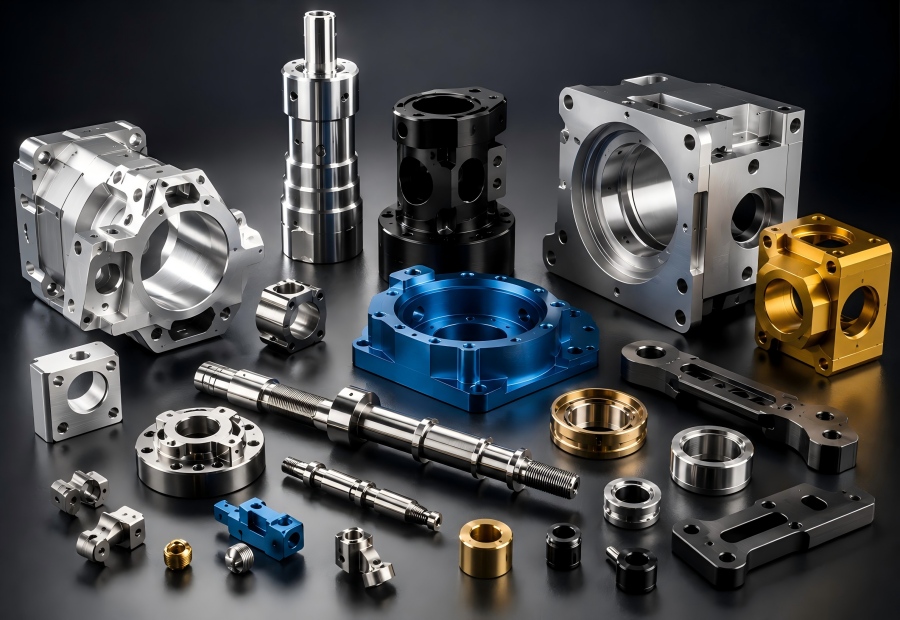

Swiss CNC machining has become one of the most trusted manufacturing solutions for producing high-precision components across industries such as medical, aerospace, automotive, and electronics. However, many engineers and purchasing managers still need to determine whether Swiss machining or traditional CNC machining is the better choice for their specific applications.
Both machining methods rely on computer-controlled equipment to manufacture precision machined parts, but they are designed for different production requirements and offer distinct advantages in terms of accuracy, efficiency, cost, and part complexity.
Choosing the wrong machining process can lead to higher production costs, longer lead times, unnecessary secondary operations, or components that fail to meet critical tolerance requirements. Understanding the differences between these two technologies is essential for making informed manufacturing decisions.
In this guide, we’ll compare Swiss machining with traditional CNC machining in detail. You’ll learn how each process works, their key differences, advantages, limitations, and how to choose the best machining solution for your precision parts.
What Is Swiss CNC Machining?
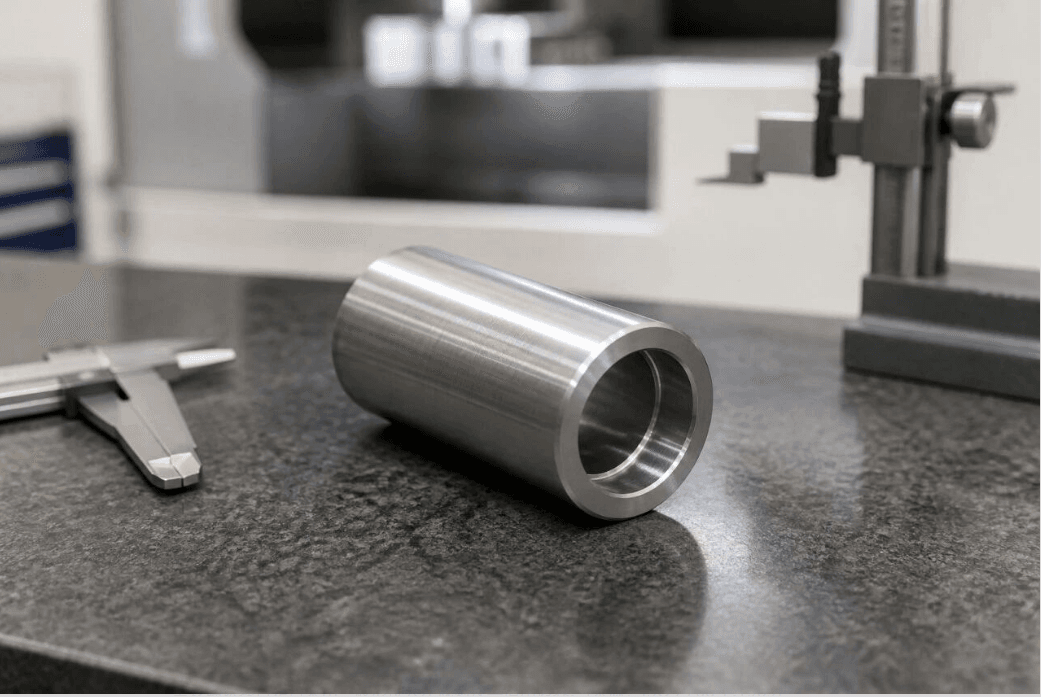
Swiss CNC machining, also known as Swiss machining or Swiss-type CNC turning, is a highly specialized manufacturing process designed for producing small, complex, and high-precision components.
Unlike conventional lathes, a Swiss CNC machine supports the workpiece with a guide bushing positioned close to the cutting tool. Instead of the cutting tool moving toward a stationary workpiece, the material bar continuously slides through the guide bushing while multiple cutting tools perform machining operations.
This unique design significantly reduces vibration and material deflection, making Swiss machining ideal for producing long, slender parts with exceptional dimensional accuracy.
Typical characteristics of Swiss machining include:
- Extremely tight tolerances
- Excellent concentricity
- Superior surface finishes
- Multi-axis simultaneous machining
- Reduced secondary operations
- High repeatability in mass production
Today’s Swiss CNC machines often combine turning, milling, drilling, tapping, threading, and engraving into a single setup. As a result, manufacturers can complete highly complex components without moving the workpiece between different machines.
This not only improves production efficiency but also minimizes positioning errors and ensures consistent quality across large production runs.
Common Materials Used in Swiss CNC Machining
Swiss machining supports a wide range of engineering materials, including:
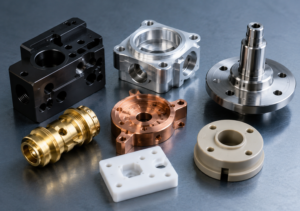
- Stainless Steel
- Aluminum
- Brass
- Copper
- Titanium
- Carbon Steel
- Tool Steel
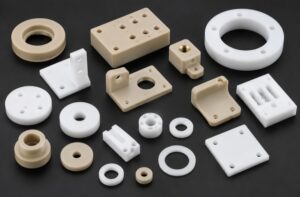
- PEEK
- Delrin (POM)
- PTFE
- Nylon
Material selection depends on the application’s mechanical strength, corrosion resistance, weight, and dimensional stability requirements.
Industries That Commonly Use Swiss machining
Because of its outstanding precision, Swiss machining has become the preferred manufacturing method for industries that require miniature or high-performance components.
Common applications include:
- Medical implants
- Surgical instruments
- Dental components
- Aerospace fasteners
- Automotive fuel system parts
- Hydraulic fittings
- Electronic connectors
- Optical equipment
- Semiconductor components
- Robotics and automation parts
These industries often demand micron-level precision, making Swiss CNC machining an ideal solution.
What Is Traditional CNC Machining?
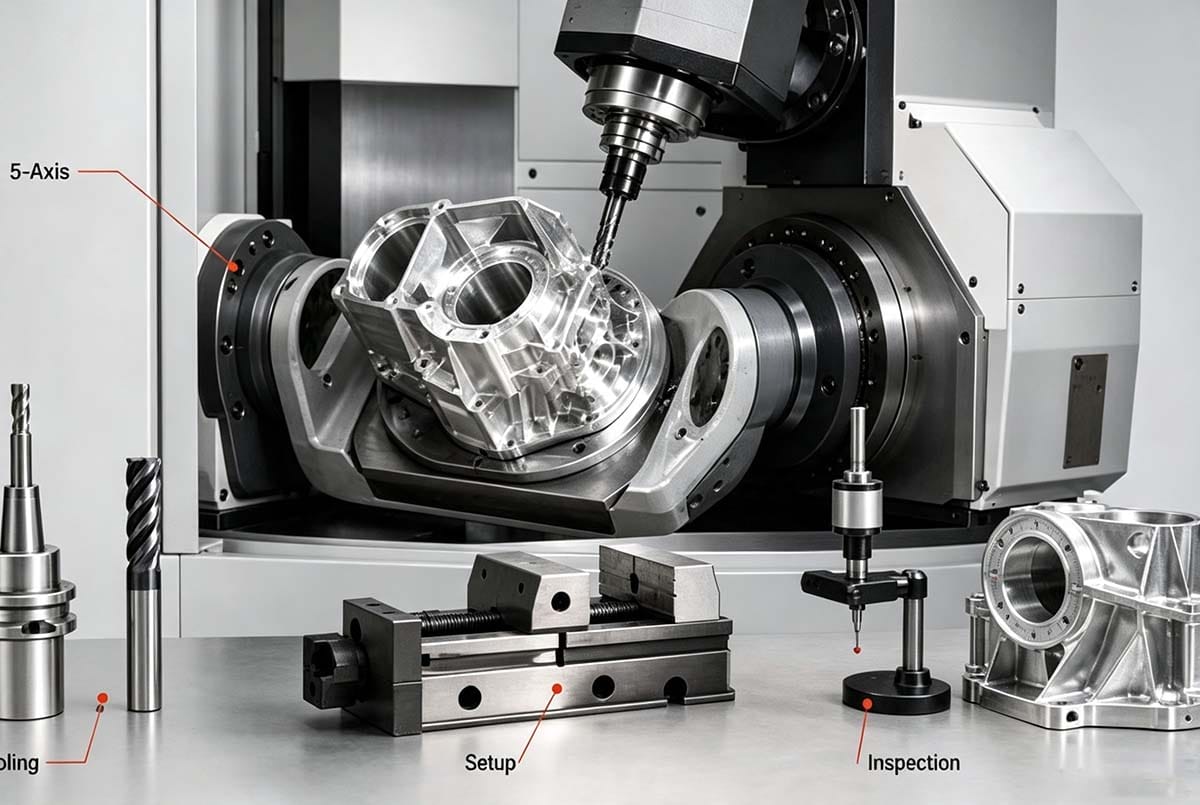
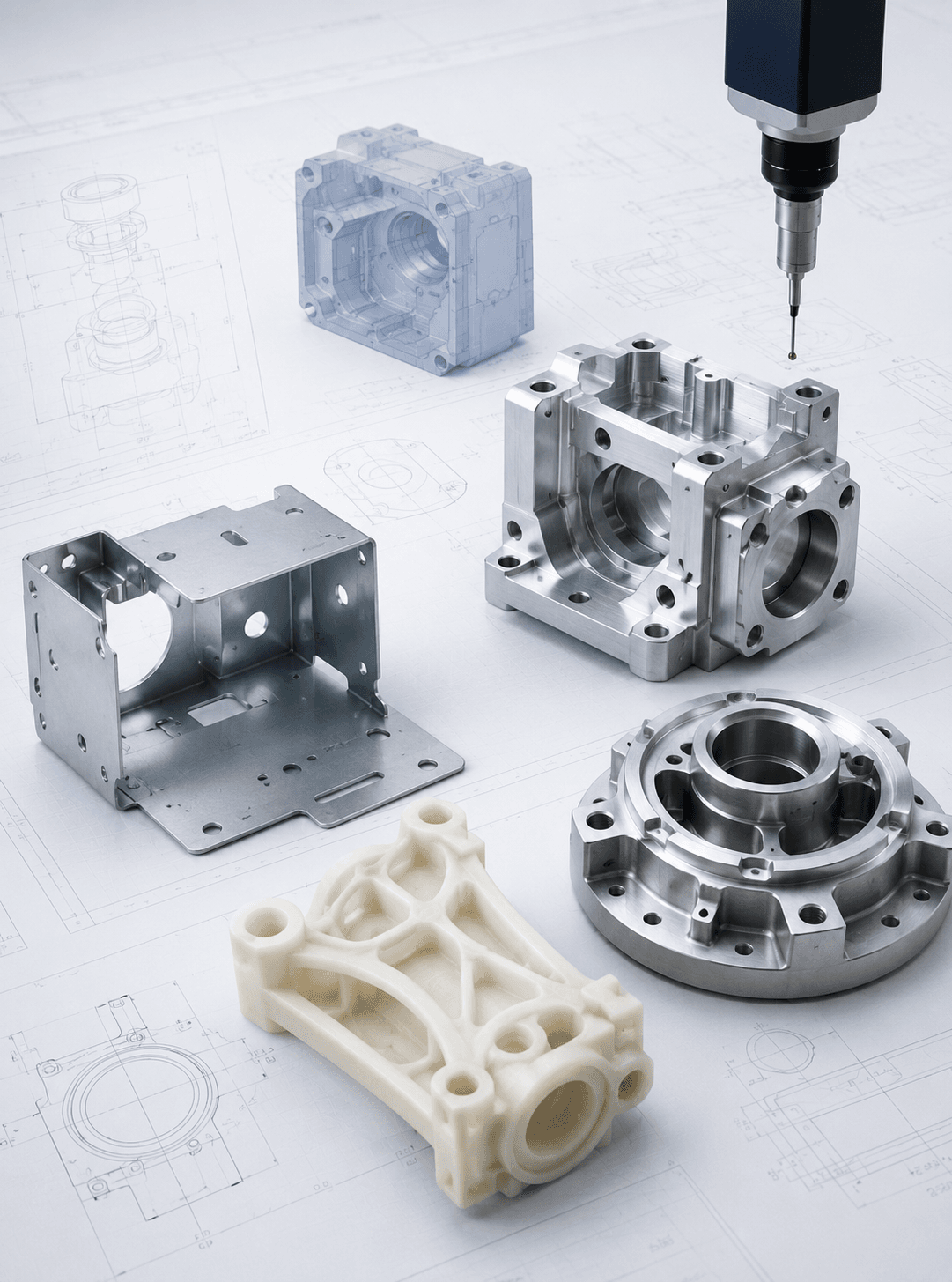
Traditional CNC machining refers to the conventional CNC turning and CNC milling processes used across virtually every manufacturing industry.
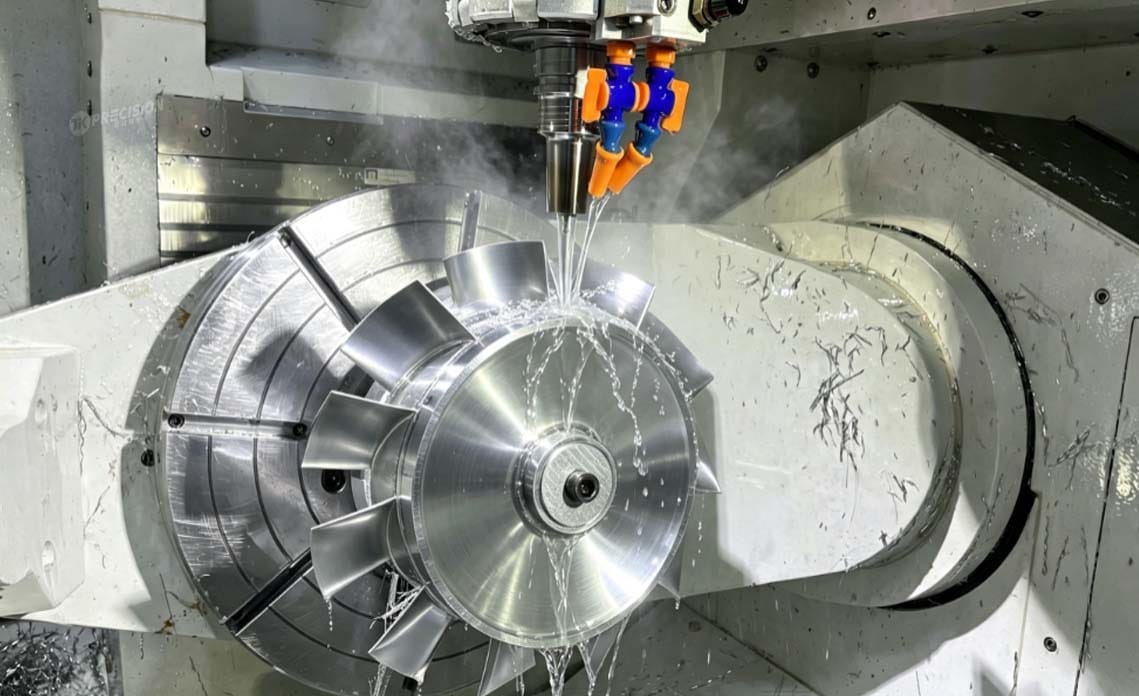
In a traditional CNC lathe, the workpiece is clamped securely in a chuck while the cutting tool removes material to create the desired geometry. Unlike Swiss machining, the material is not supported by a guide bushing near the cutting zone.
Similarly, CNC milling machines rotate cutting tools while the workpiece remains fixed on the machine table. Milling is commonly used to create flat surfaces, slots, pockets, holes, and complex three-dimensional features.
Traditional CNC machining is highly versatile and suitable for manufacturing parts in a wide variety of sizes and shapes.
Its key advantages include:
- Lower machine cost
- Flexible setup for different part sizes
- Suitable for both prototypes and production
- Excellent for larger workpieces
- Broad material compatibility
Many manufacturers choose traditional CNC machining because it can efficiently produce medium-to-large components without the specialized equipment required for Swiss machining.
Typical Applications of Traditional CNC Machining
Traditional CNC machining is commonly used for:
- Pump housings
- Valve bodies
- Engine components
- Machine frames
- Industrial equipment
- Structural brackets
- Aluminum enclosures
- Fixtures and tooling
- Custom mechanical assemblies
These components generally have larger dimensions or simpler geometries that do not require the specialized capabilities of Swiss CNC machines.
Swiss CNC Machining vs Traditional CNC Machining: Understanding the Core Differences
Although both processes belong to the CNC machining family, they were developed to solve different manufacturing challenges.
The biggest distinction lies in how the workpiece is supported during machining.
With traditional CNC turning, the workpiece extends outward from the chuck. As machining progresses, especially on long or thin parts, cutting forces can cause vibration or deflection. This may reduce dimensional accuracy and require slower cutting speeds or additional support.
Swiss CNC machining addresses this challenge by positioning the guide bushing immediately next to the cutting tool. Since the unsupported length of the material is extremely short, the workpiece remains remarkably stable throughout the machining process.
This design offers several significant benefits:
- Higher machining accuracy
- Better dimensional consistency
- Reduced chatter and vibration
- Improved surface finish
- Faster machining of slender components
For manufacturers producing thousands of identical precision parts, these advantages translate directly into improved productivity and lower defect rates.
However, this does not automatically mean Swiss CNC machining is the better choice for every project.
Traditional CNC machining remains the preferred solution for many applications involving larger parts, simpler geometries, lower production volumes, or projects where ultra-tight tolerances are unnecessary.
The key is not determining which technology is “better,” but rather identifying which process best matches your part design, performance requirements, production volume, and budget.
In the next section, we’ll compare Swiss CNC machining and traditional CNC machining side by side across the factors that matter most to engineers and purchasing professionals, including accuracy, production speed, surface finish, material utilization, setup costs, and ideal applications.
Swiss CNC Machining vs Traditional CNC Machining: Side-by-Side Comparison
The following comparison highlights the key differences between the two machining methods and helps buyers quickly determine which process best suits their project.
| Feature | Swiss CNC Machining | Traditional CNC Machining |
|---|---|---|
| Best Part Size | Small and slender parts | Medium to large parts |
| Precision | Excellent (±0.005 mm or better) | Excellent for general precision applications |
| Surface Finish | Outstanding | Very good |
| Part Complexity | High | Medium to High |
| Production Volume | Medium to high volume | Prototype to high volume |
| Material Stability | Excellent due to guide bushing | Depends on part geometry |
| Setup Cost | Higher | Lower |
| Machining Speed | Faster for complex small parts | Faster for larger, simple parts |
| Secondary Operations | Often minimized | May require additional operations |
| Typical Industries | Medical, electronics, aerospace | Automotive, industrial equipment, machinery |
Rather than asking which process is superior, the better question is:
Which machining process delivers the best balance of quality, efficiency, and cost for your specific part?
The answer depends on your design requirements.
Advantages of Swiss CNC Machining
Swiss CNC machining has become the preferred choice for manufacturers producing precision components because it combines accuracy, efficiency, and consistency.
1. Exceptional Precision
The guide bushing supports the workpiece close to the cutting tool, minimizing vibration and maintaining excellent dimensional stability.
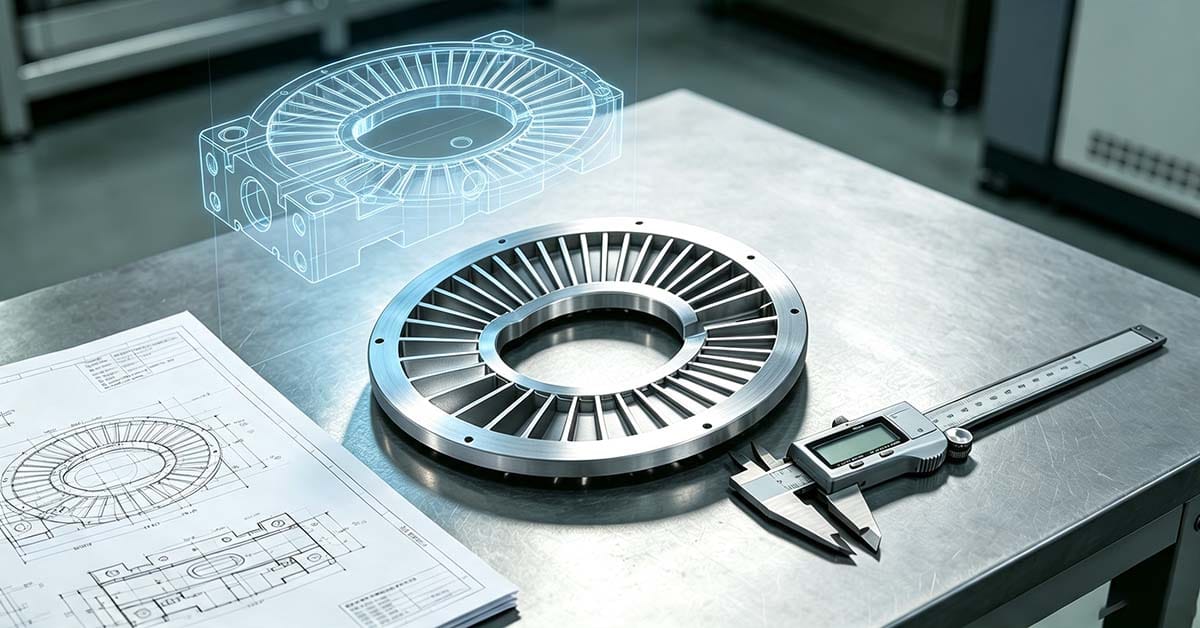
This allows manufacturers to produce precision machined parts with extremely tight tolerances, making Swiss CNC machining ideal for industries where accuracy is critical.
2. Better Surface Finish
Because the material experiences less vibration during cutting, Swiss machining generally produces smoother surface finishes.
This often reduces or even eliminates secondary polishing or grinding operations, helping lower production costs.
3. Ideal for Small and Slender Parts
Swiss CNC machining excels at manufacturing components with:
- Small diameters
- Long length-to-diameter ratios
- Thin walls
- Intricate geometries
These features are difficult to achieve consistently using traditional CNC machining.
4. Reduced Production Time
Modern Swiss CNC machines can perform multiple machining operations—including turning, drilling, milling, tapping, and threading—in a single setup.
This reduces handling time, improves production efficiency, and minimizes positioning errors.
5. Excellent Repeatability
For high-volume manufacturing, repeatability is just as important as precision.
Swiss CNC machining ensures every component is produced with consistent quality, making it an excellent solution for long-term production programs.
When Is Traditional CNC Machining the Better Choice?
Although Swiss machining offers many advantages, traditional CNC machining remains the smarter option in many situations.
Larger Components
Swiss machines are designed primarily for smaller workpieces.
If your part is relatively large, conventional CNC turning or milling is generally more economical.
Prototype Development
For one-off prototypes or low-volume production, traditional CNC machining often requires less setup time and lower initial costs.
It provides greater flexibility during product development and design validation.
Simple Part Geometry
Not every component requires the advanced capabilities of Swiss machining.
If the design consists mainly of standard turning or milling features, conventional CNC machining can deliver excellent quality at a more competitive price.
Budget-Sensitive Projects
Swiss CNC machines represent a significant investment, and setup costs can be higher for simple components.
When ultra-high precision is unnecessary, traditional CNC machining may provide a better overall value.
Which Industries Benefit Most from Swiss CNC Machining?
Swiss CNC machining is widely used in industries where precision, consistency, and reliability are essential.
Medical Devices
Medical manufacturers rely on Swiss machining to produce:
- Bone screws
- Surgical instruments
- Dental implants
- Orthopedic components
These products demand exceptional dimensional accuracy and flawless surface quality.
Aerospace
Aircraft components often feature complex geometries and tight tolerances.
Swiss CNC machining helps manufacturers produce lightweight yet highly accurate precision parts for demanding aerospace applications.
Automotive
Modern vehicles contain numerous precision machined components, including:
- Fuel injection parts
- Sensor housings
- Transmission components
- Brake system fittings
Swiss machining supports high-volume production while maintaining consistent quality.
Electronics
Electronic devices continue to become smaller and more sophisticated.
Swiss machining enables manufacturers to produce miniature connectors, pins, terminals, and other precision components used in consumer electronics and industrial equipment.
Robotics and Automation
Robotic systems require lightweight, compact, and highly accurate mechanical components.
Swiss CNC machining ensures these parts meet strict performance and reliability standards.
How to Choose the Right Machining Process for Your Project
Choosing between Swiss CNC machining and traditional CNC machining should never be based on price alone.
Instead, evaluate the following factors before making a decision.
Part Size
Small-diameter components usually benefit from Swiss machining, while larger parts are often better suited for conventional CNC equipment.
Tolerance Requirements
If your project requires extremely tight tolerances and excellent repeatability, Swiss-type CNC turning is typically the better solution.
For standard industrial tolerances, traditional CNC machining can provide outstanding results at a lower cost.
Production Volume
Swiss CNC machining becomes increasingly cost-effective as production quantities increase.
Traditional CNC machining remains highly competitive for prototypes and low-volume manufacturing.
Part Complexity
Components requiring multiple machining operations can often be completed in one setup on a Swiss CNC machine, reducing production time and improving consistency.
Material Selection
Both machining methods support a wide variety of metals and engineering plastics.
However, your material properties, mechanical requirements, and finishing needs should always be considered during the design stage.
Why Work with a Professional Swiss CNC Machining Supplier?
Selecting the right machining process is only part of the equation. Choosing an experienced manufacturing partner is equally important.
A professional Swiss-type CNC turning supplier can help optimize your design, improve manufacturability, and reduce overall production costs through Design for Manufacturability (DFM) recommendations.
An experienced supplier should also provide:
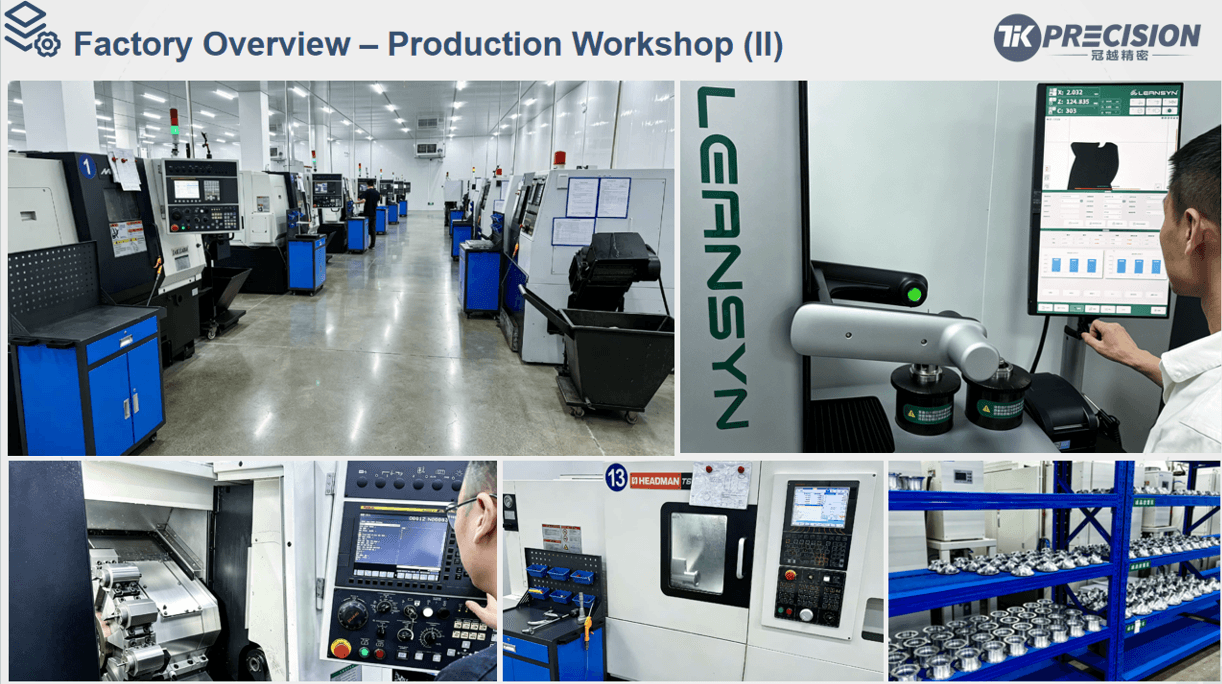
- Advanced Swiss CNC machining equipment
- Skilled engineering support
- Strict quality inspection procedures
- Material traceability
- Surface finishing services
- Rapid prototyping capabilities
- Stable production capacity
- On-time global delivery
Working with a reliable machining partner helps reduce project risks while ensuring every precision machined part meets your technical specifications.
FAQ
Yes. Swiss machining generally provides higher precision for small, slender, and complex parts because the guide bushing minimizes vibration and material deflection during machining.
The machine investment and setup costs are typically higher. However, for high-volume production of precision parts, Swiss machining can reduce secondary operations, improve efficiency, and lower the overall manufacturing cost.
Swiss CNC machining supports stainless steel, aluminum, brass, copper, titanium, carbon steel, engineering plastics, and many other materials.
Traditional CNC machining is often the better option for larger components, simple geometries, prototype development, and projects that do not require ultra-tight tolerances.
Conclusion
Both Swiss CNC machining and traditional CNC machining play important roles in modern manufacturing. Neither process is universally better—the right choice depends on your part design, tolerance requirements, production volume, and budget.
If your project involves small, complex, high-precision components, Swiss-type CNC turning offers exceptional accuracy, superior surface finishes, and excellent production efficiency.
On the other hand, if you are manufacturing larger or less complex parts, traditional CNC machining remains a cost-effective and highly reliable solution.
Understanding the strengths of each process allows engineers and purchasing professionals to make informed decisions, improve product quality, and optimize manufacturing costs.
If you’re looking for a trusted Swiss CNC machining supplier for custom precision parts, our engineering team is ready to help. From design review and material selection to full-scale production, we provide reliable precision machining solutions tailored to your project requirements.
Contact us today for a free consultation and quotation.