
±0.01 mm CNC Machining Tolerance: Can Every Machine Achieve It?

Picture of Kenny Gan
Kenny Gan
Share

Table of Contents

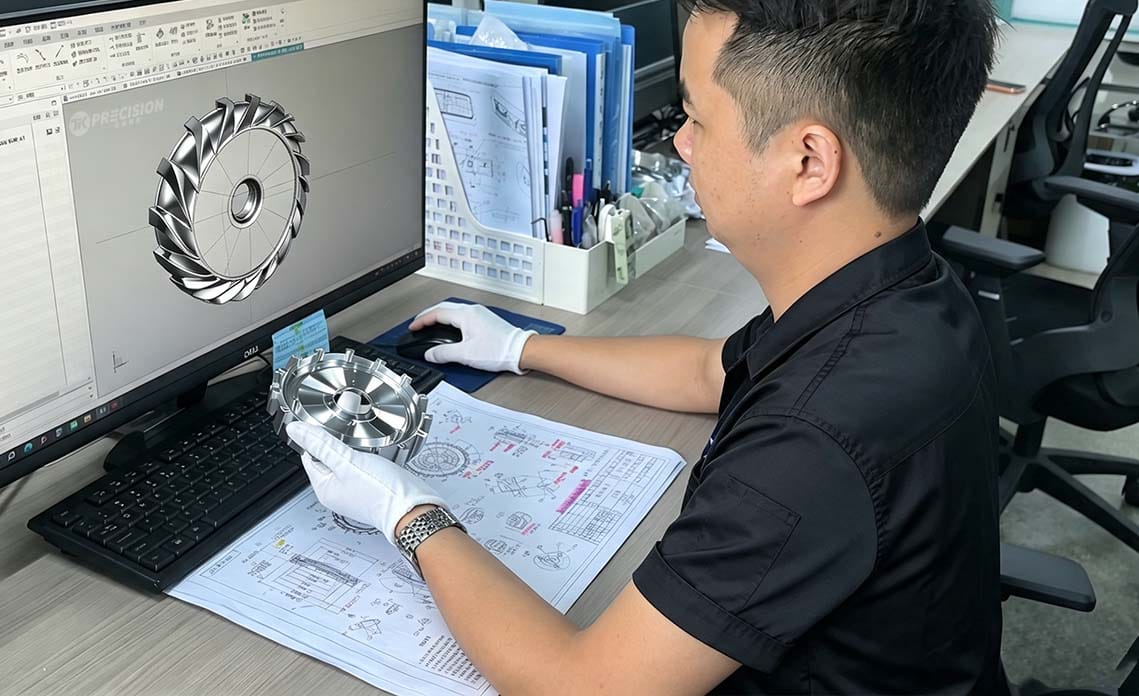
A drawing may specify a tolerance of ±0.01 mm, but that does not automatically mean every CNC machine can reliably produce the part within that range.
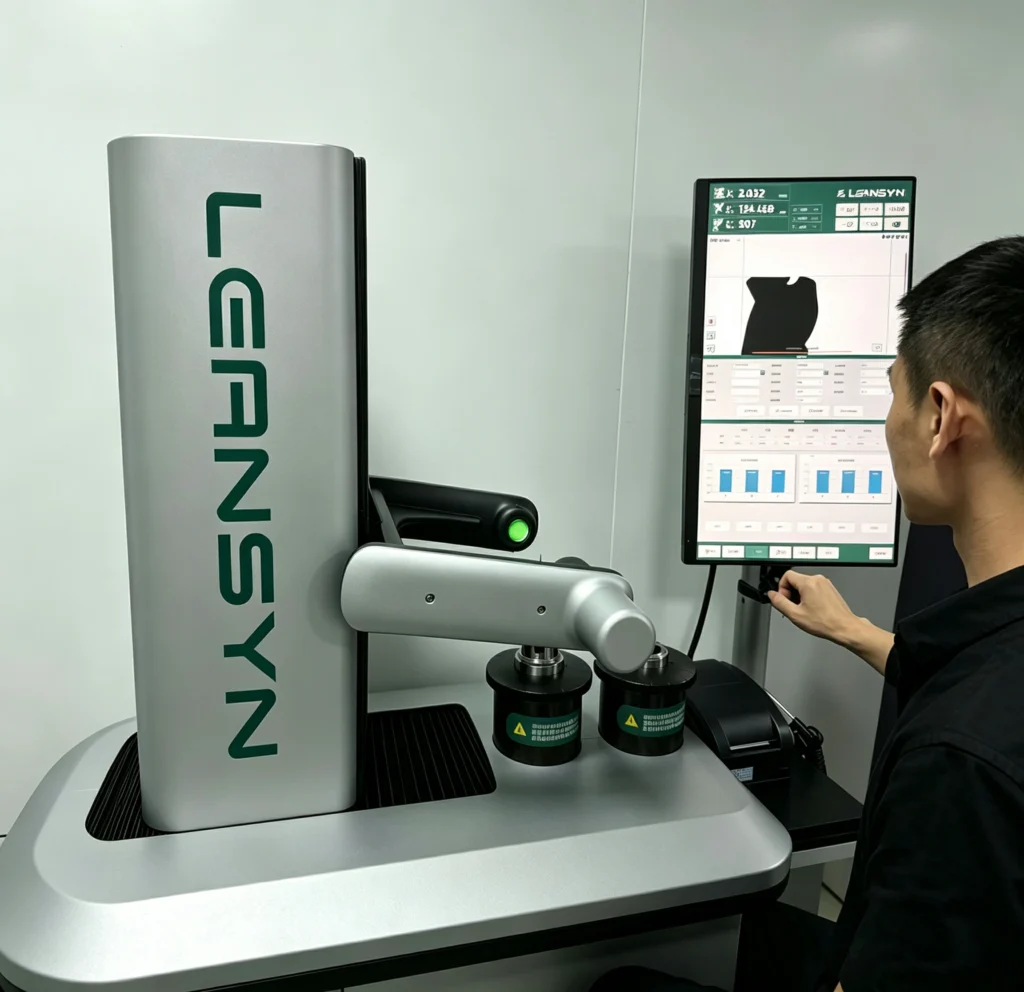
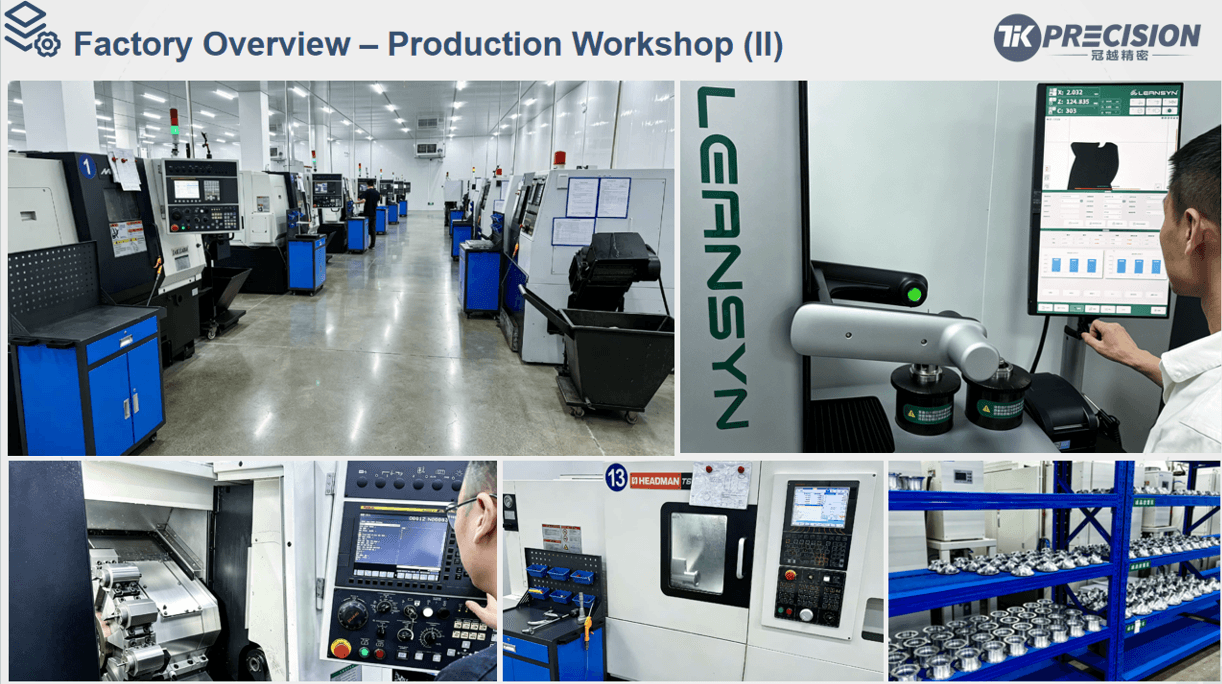
Precision machining depends on much more than machine resolution.

Machine Accuracy vs. Process Capability

A machine may have extremely fine positioning resolution but still struggle to maintain a tight tolerance consistently.
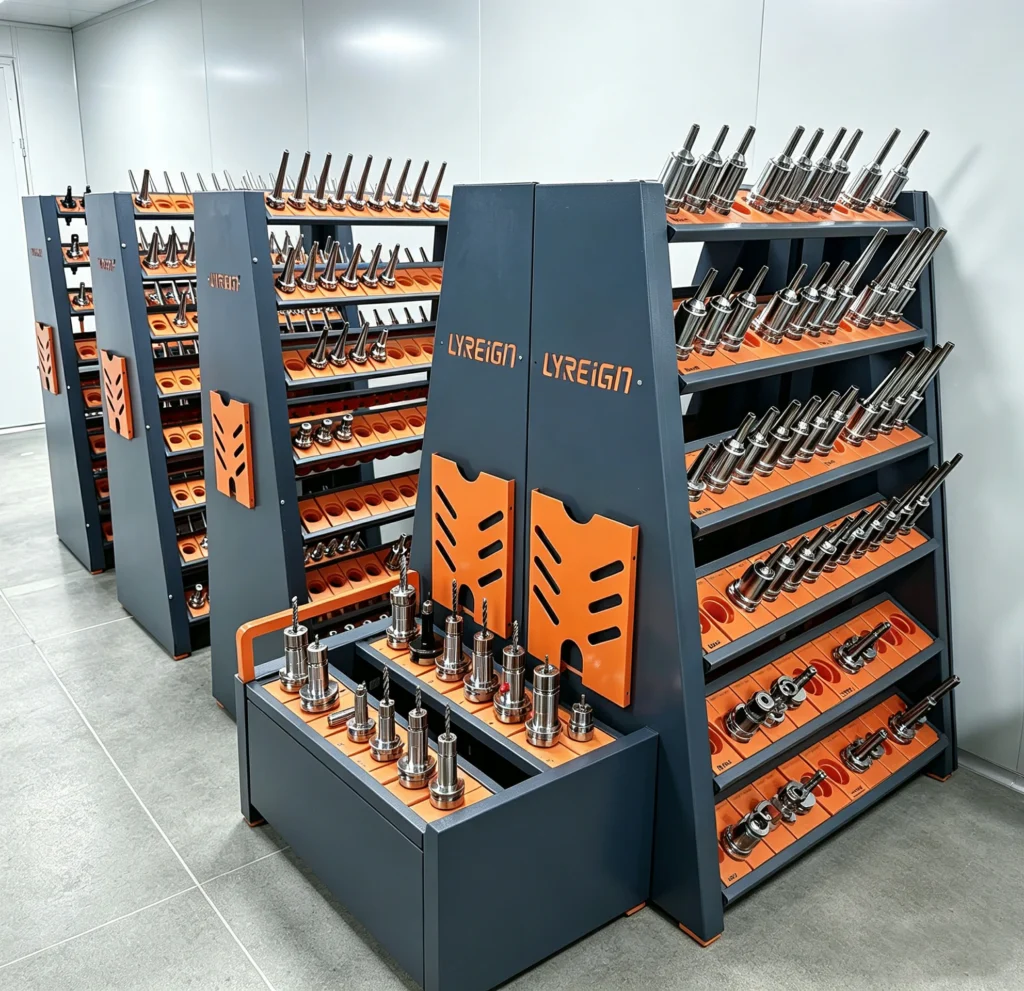
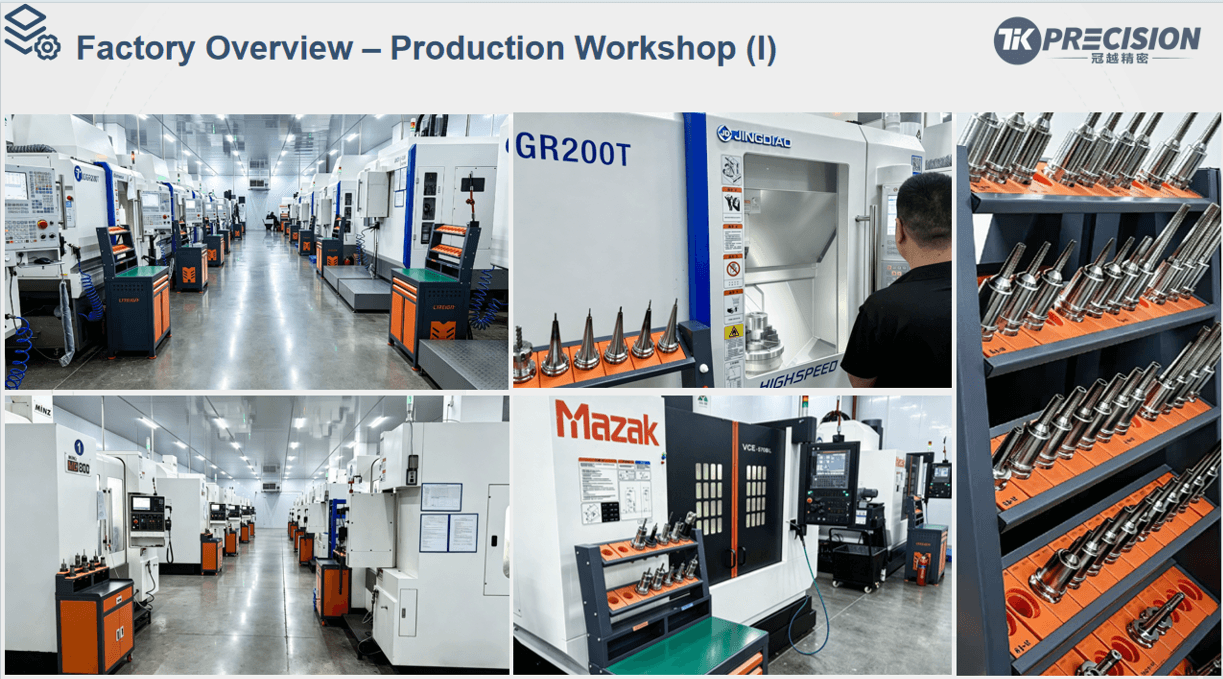
Actual machining capability depends on:

  • Machine condition
  • Thermal stability
  • Tool condition
  • Fixturing
  • Material
  • Cutting parameters
  • Machining sequence
  • Measurement method

Thermal Stability

Temperature changes can affect machine geometry and workpiece dimensions.

For demanding applications, stable environmental conditions can become essential.

Tool Wear

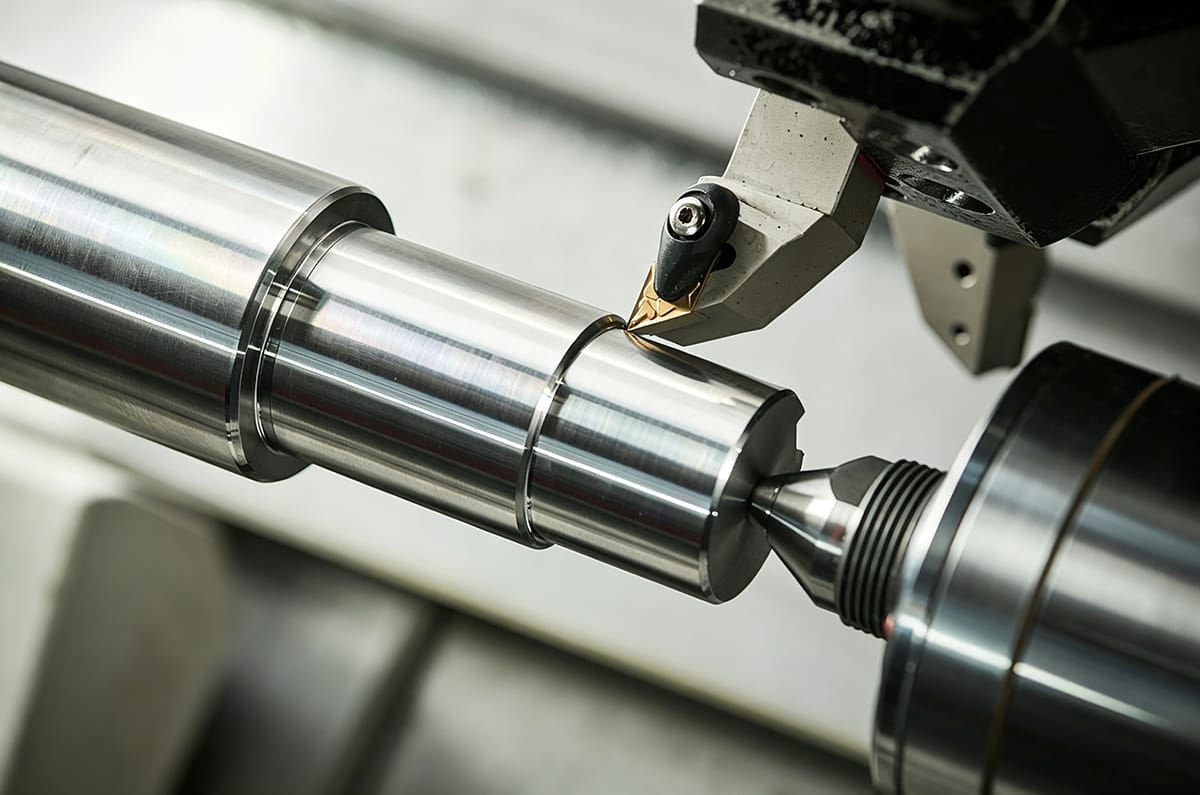
A new cutting tool and a worn cutting tool may produce different dimensional results.

Tool-life management is therefore important for repeatable production.

Workpiece Deformation

Thin-wall or delicate components may deform during clamping or machining.

Once the component is released from the fixture, it may partially return to its original shape.

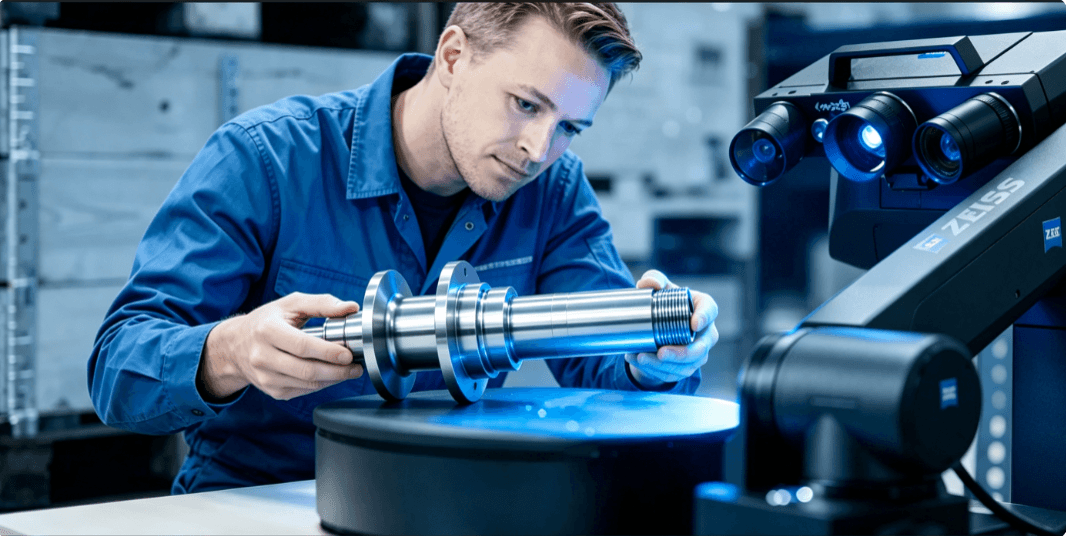
Inspection Method

A tolerance requirement is meaningful only when the measurement method is appropriate.
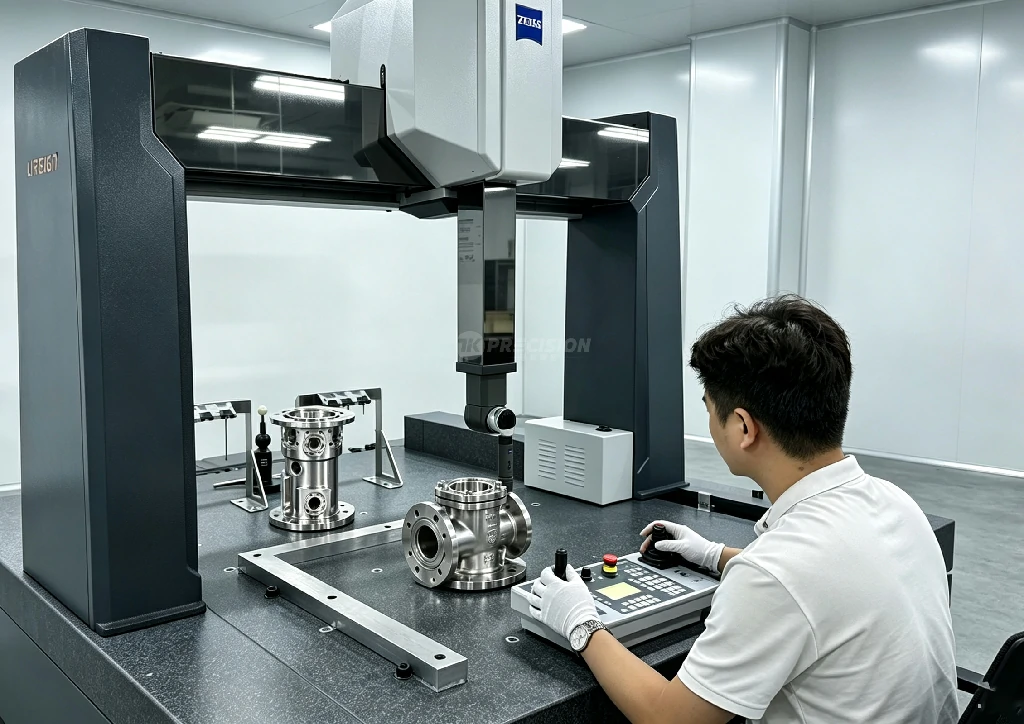
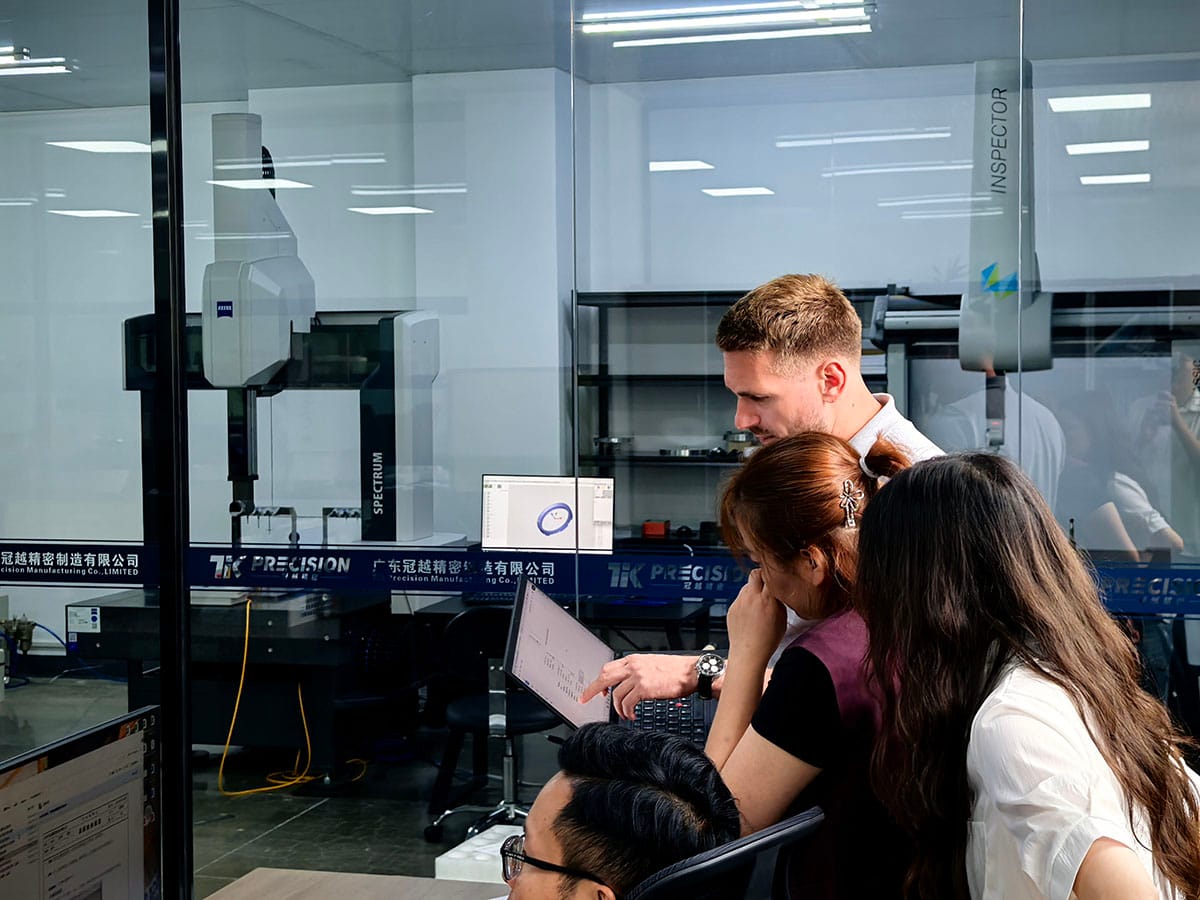
zeiss-cmm-inspection-machined-parts

Depending on the component, inspection may involve:

  • CMM
  • Micrometers
  • Gauges
  • Optical systems
  • Surface measurement equipment

Not Every Dimension Needs ±0.01 mm

One common engineering mistake is specifying extremely tight tolerances on every feature.

Tight tolerances should normally be applied to dimensions that directly affect function, assembly, performance, or interchangeability.

This can improve both manufacturability and cost.

Conclusion

±0.01 mm machining is achievable for many precision components, but consistent results require the right combination of equipment, process control, tooling, fixturing, and inspection.

The better question is not:

“Can the machine reach ±0.01 mm?”

It is:

“Can the entire manufacturing process repeatedly maintain ±0.01 mm under production conditions?”

That distinction is critical when selecting a precision CNC machining supplier.

Need Reliable ±0.01 mm CNC Machining?
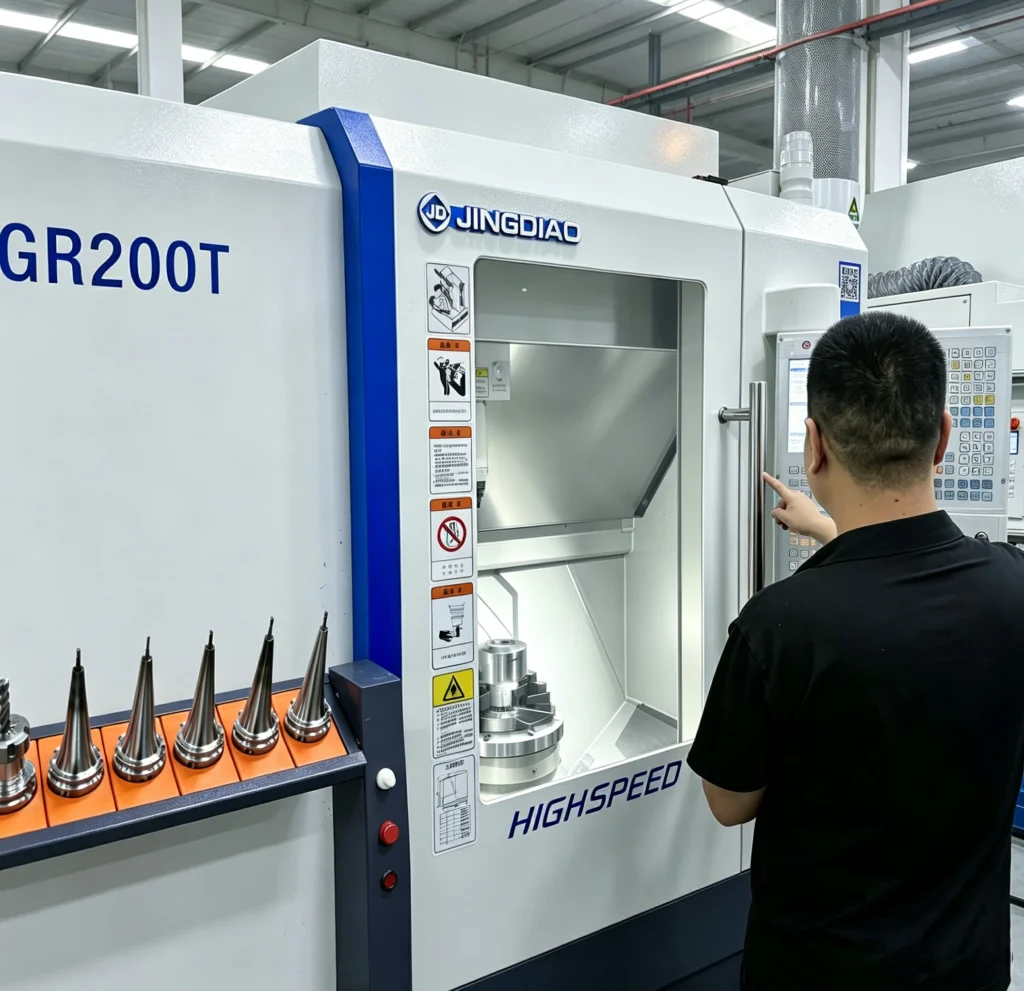
Tight tolerances require more than a high-resolution CNC machine. Machine capability, tooling, fixturing, thermal stability, machining strategy, and inspection all contribute to repeatable precision.

Send Your Drawing
Our engineers can review your critical dimensions and tolerance requirements.

Request a DFM Review
Find out whether your specified tolerances are practical, necessary, and cost-effective.

Request a Precision Machining Quote
Send your part specifications and quantity for a project-specific quotation.


Need a Manufacturing Quote?

Upload your drawings and receive DFM feedback, material recommendations, and a clear manufacturing quote.

16+

Year

50K+

Parts Manufactured

98.2%

On-time Delivery

Request a Quote
All Articles From The Author
5 axis cnc machining titanium alloy robot joint bracket, precision cnc milled robotic structural component

Machining of Titanium Alloy Parts for Robots: Why Is TC4 Cutting So Slow?

1.Overview The low cutting speed in TC4 (Ti-6Al-4V) machining is a process requirement, not an inefficiency. It is driven by the material’s poor thermal

Overseas customer and engineering team review technical documents on laptop, ZEISS CMM metrology lab background

How to Reduce CNC Machining Lead Times Without Sacrificing Quality

Long CNC machining lead times can disrupt product launches, prototype testing, equipment maintenance, and customer deliveries. However, reducing lead time does not necessarily mean

Turbo‑molecular pump and custom CNC machined impeller, high vacuum precision rotor technology for semiconductor vacuum equipment

Turbo-Molecular Pump Impeller: Precision Rotor for High-Vacuum Systems

Learn how turbo-molecular pump impellers affect pumping speed, compression ratio, vibration, and service life, and what engineers should evaluate when sourcing custom high-vacuum rotors.

Wind Turbine Main Shaft Machining: Forging, Inspection, and Quality Control

Learn how wind turbine main shafts are forged and machined, including heat treatment, deep-hole machining, bearing-seat finishing, dimensional inspection, and quality documentation.

CNC Machining Inspection Failures: 10 Causes and Prevention Tips

CNC machining inspection failures can result from drawing errors, datum issues, tool wear, thermal expansion, poor fixturing, material variation, and inadequate process control. Learn
CNC lathe machining turbine rotor shaft, custom aerospace turbine rotors precision manufacturing

Steam Turbine Rotor Precision Machining: Process, Tolerances, and Inspection

Learn how steam turbine rotors are precision machined, including forging preparation, rough and finish turning, grinding, heat-treatment control, dynamic balancing, and quality inspection.
Engineer working with NX UG CAD software for turbine diffuser 3D modeling, comparing CAD model, engineering drawing and CNC machined aerospace diffuser prototype

Why Is My CNC Machining Quote So High? 10 Factors That Affect Precision CNC Machining Cost

When purchasing custom CNC machined parts, one of the most common questions buyers ask is: “Why is this machining quote so expensive?” Two manufacturers

Aerospace CNC Machining High-Temperature Alloy Components

CNC Milling Companies for Aerospace Prototype Parts with Tight Tolerances

Discover how to choose CNC milling companies for aerospace prototype parts with tight tolerances. Compare 5-axis machining, aerospace materials, GD&T, CMM inspection, DFM review,

Precision CNC Turning for Medical Device Parts: Supplier Selection Guide

Learn how to choose a qualified precision CNC turning supplier for medical device parts, including ISO 13485, materials, micro-machining, cleanroom processing, traceability, and supplier

Start a New Project

Turn Your CAD Files Into Precision Parts

Share your requirements with our engineering team. We will review manufacturability, materials, tolerances and lead time before quoting.

2-Hour Quote

Fast response for complete RFQs

Free DFM Review

Engineering feedback before production

Secure CAD Files

Confidential upload and NDA support

No MOQ

Prototype to low-volume production

Need help preparing an RFQ?

info@tikprecision.com

RFQ Form

Tell Us About Your Project

Upload CAD Files | Free DFM Analysis | 2-Hour Quote | No MOQ Required | NDA Protected