
±0.01 mm CNC Machining Tolerance: Can Every Machine Achieve It?

Picture of Kenny Gan
Kenny Gan
Share

Table of Contents

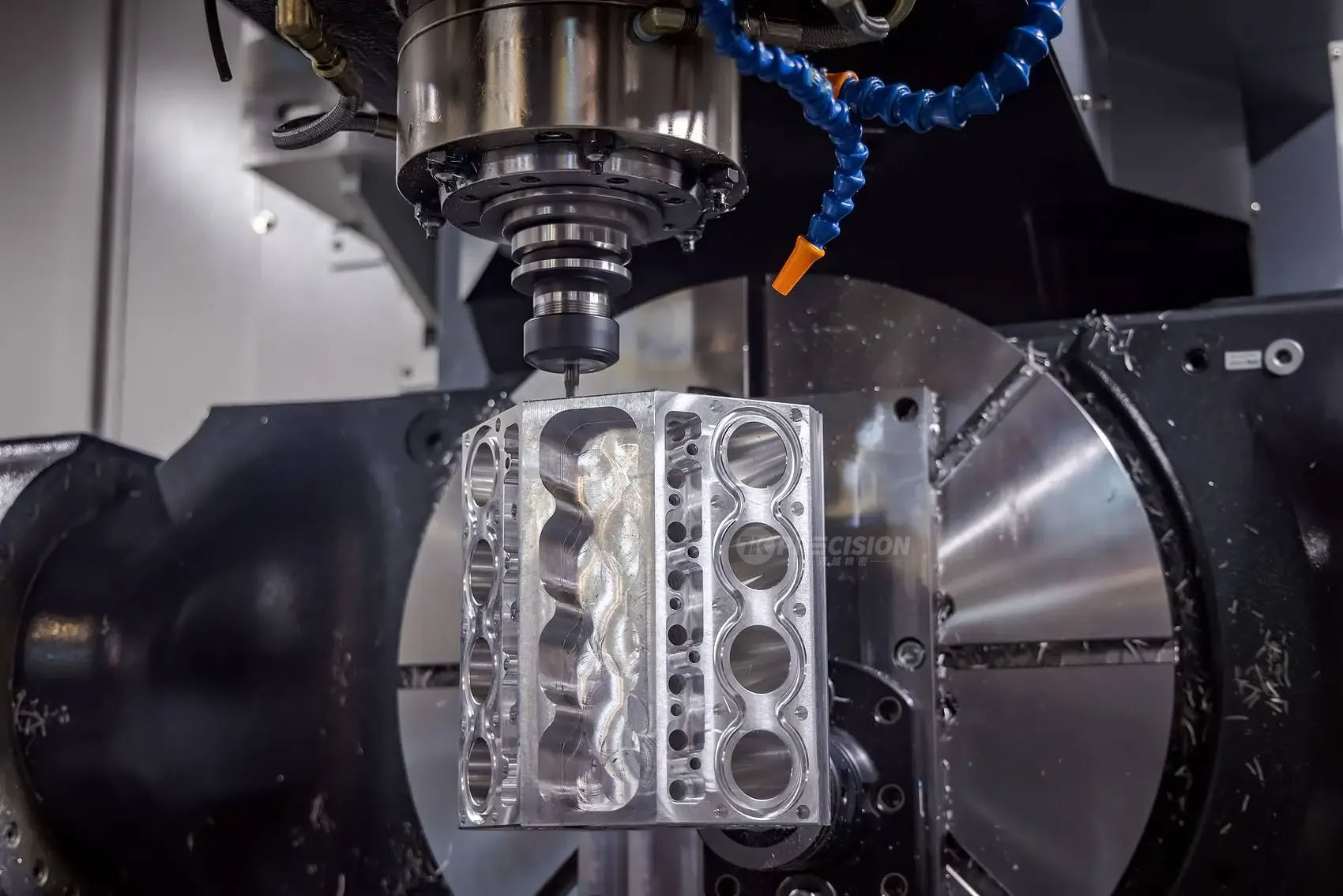
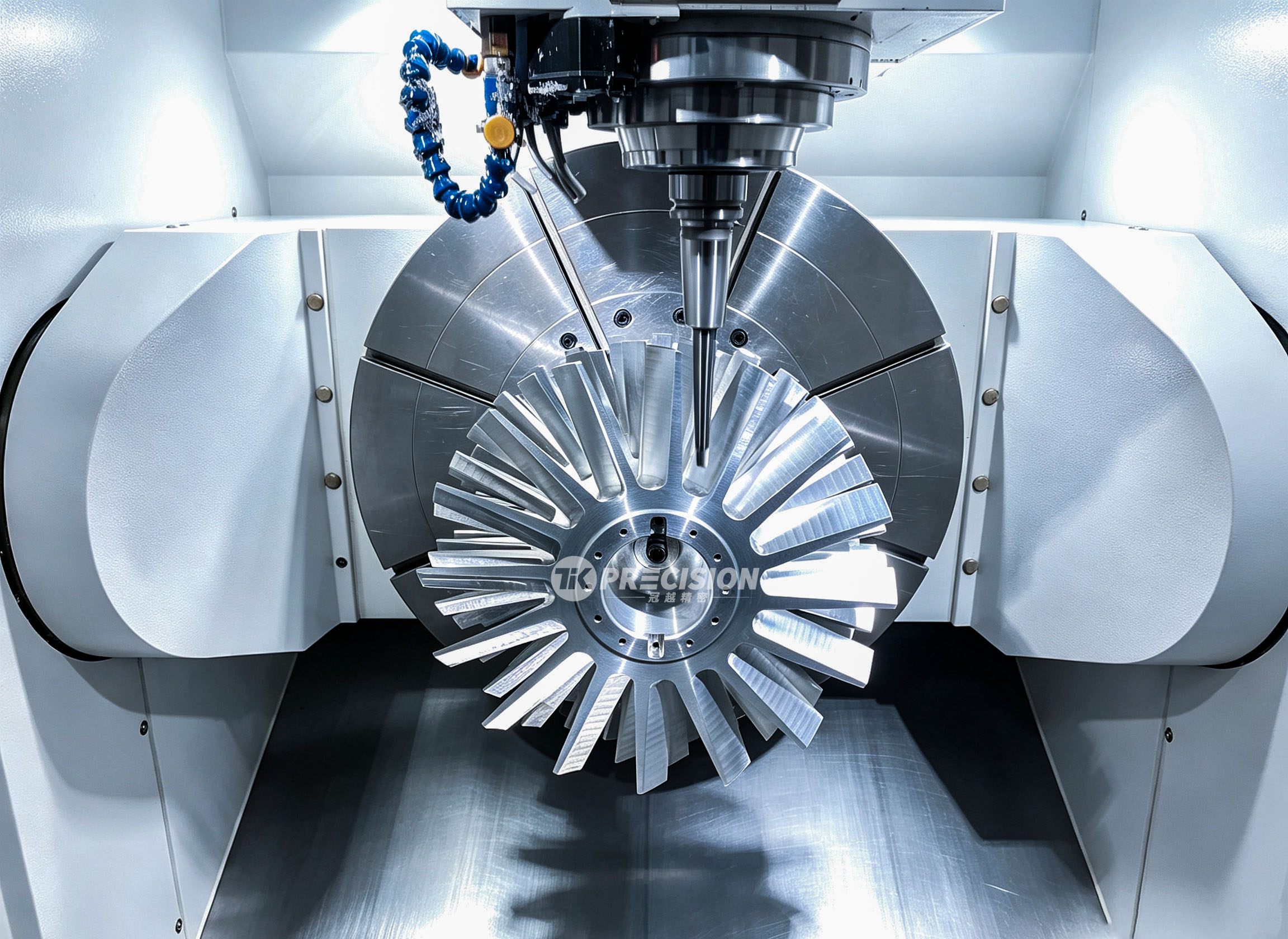
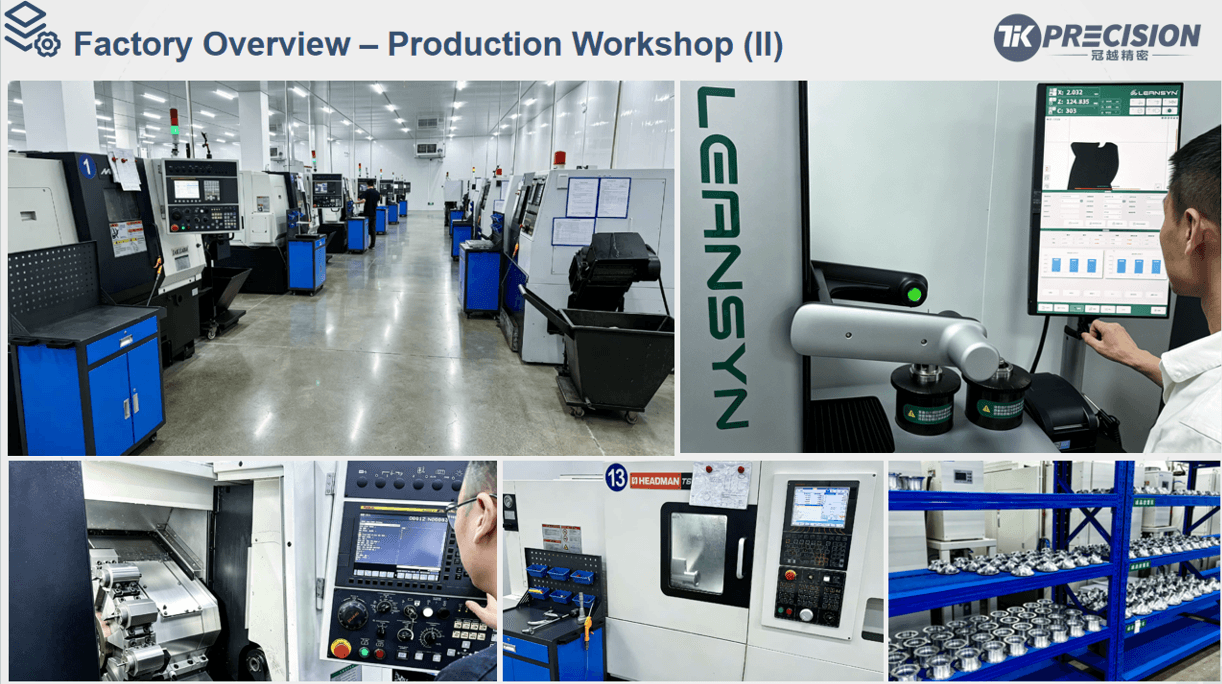
A drawing may specify a tolerance of ±0.01 mm, but that does not automatically mean every CNC machine can reliably produce the part within that range.
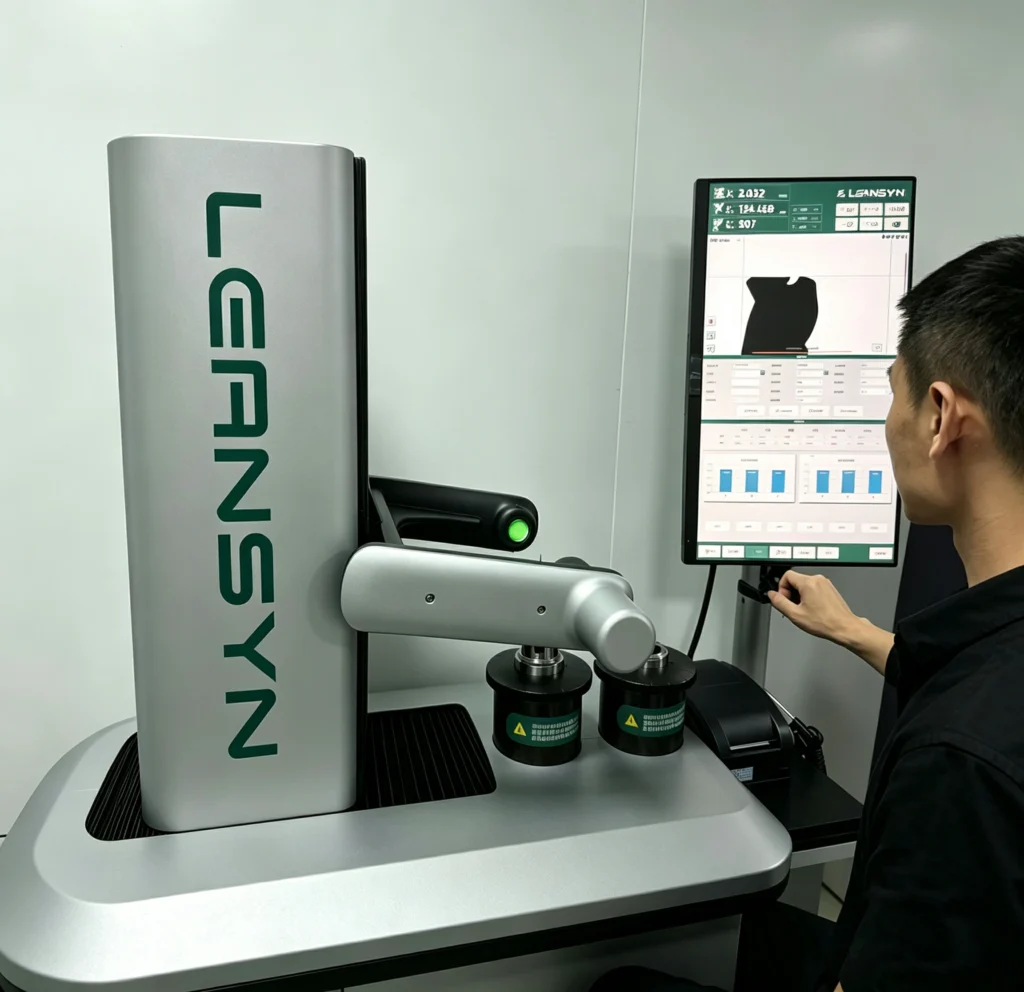
Precision machining depends on much more than machine resolution.

Machine Accuracy vs. Process Capability

A machine may have extremely fine positioning resolution but still struggle to maintain a tight tolerance consistently.
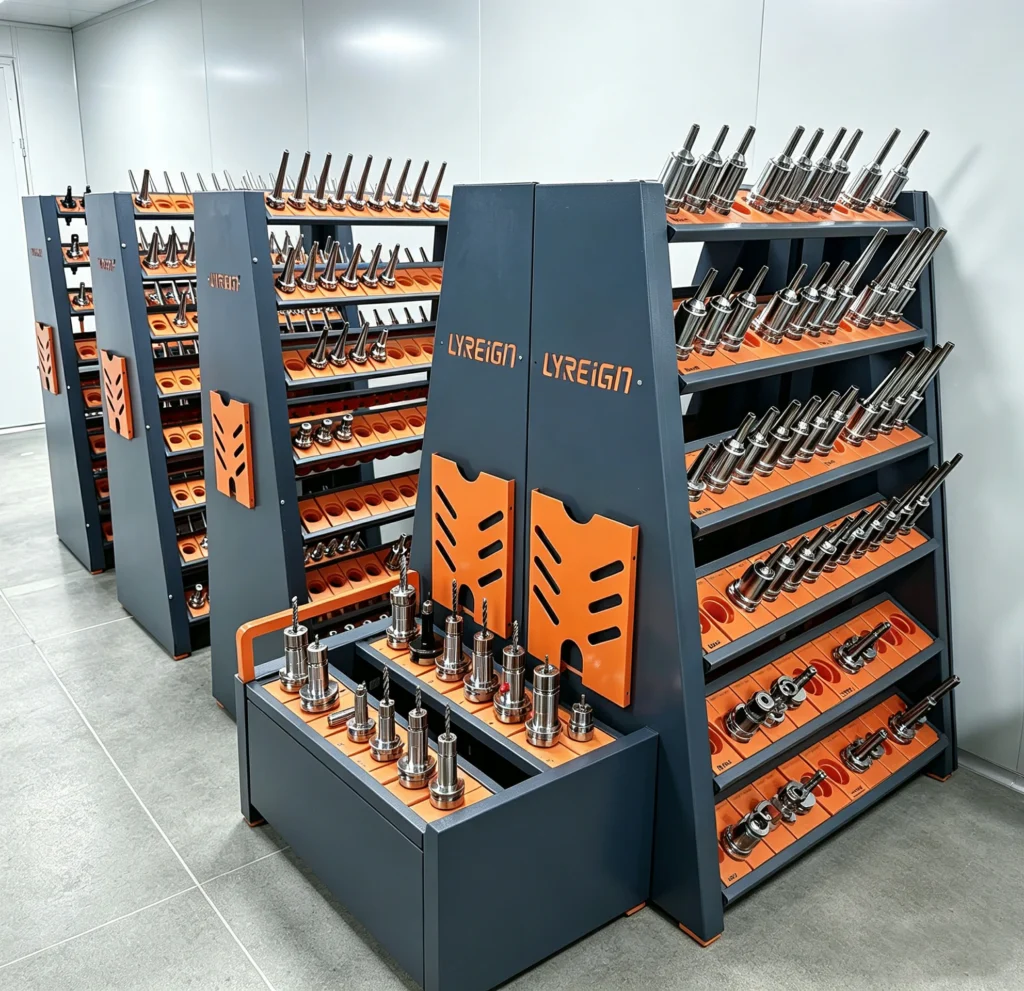
Actual machining capability depends on:

  • Machine condition
  • Thermal stability
  • Tool condition
  • Fixturing
  • Material
  • Cutting parameters
  • Machining sequence
  • Measurement method

Thermal Stability

Temperature changes can affect machine geometry and workpiece dimensions.

For demanding applications, stable environmental conditions can become essential.

Tool Wear

A new cutting tool and a worn cutting tool may produce different dimensional results.

Tool-life management is therefore important for repeatable production.

Workpiece Deformation

Thin-wall or delicate components may deform during clamping or machining.

Once the component is released from the fixture, it may partially return to its original shape.

Inspection Method

A tolerance requirement is meaningful only when the measurement method is appropriate.
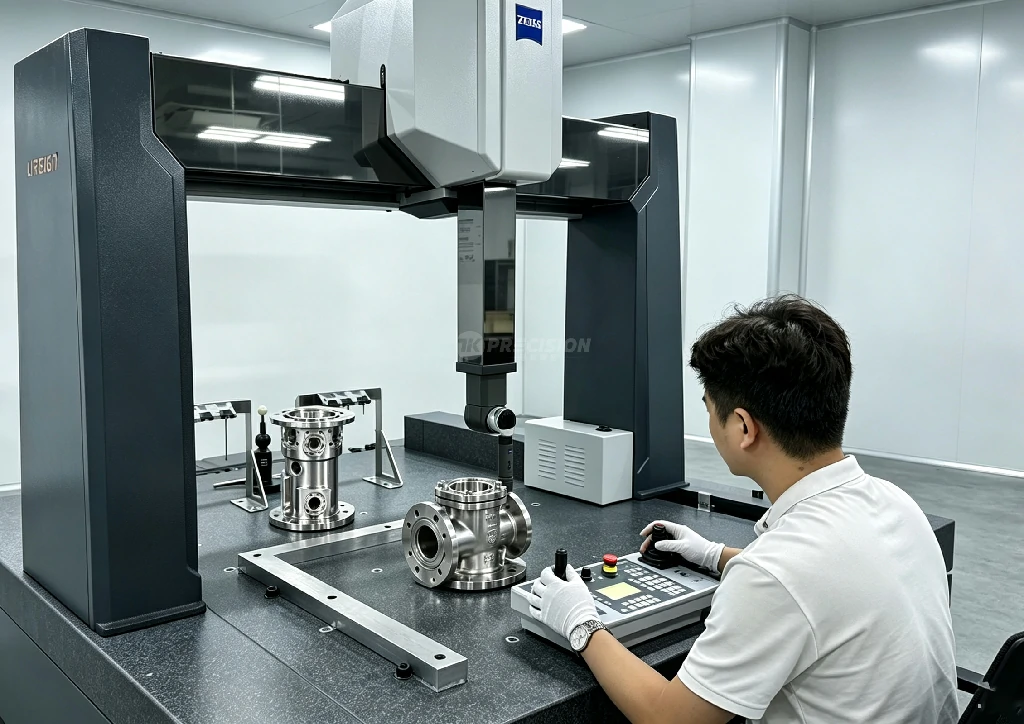
zeiss-cmm-inspection-machined-parts

Depending on the component, inspection may involve:

  • CMM
  • Micrometers
  • Gauges
  • Optical systems
  • Surface measurement equipment

Not Every Dimension Needs ±0.01 mm

One common engineering mistake is specifying extremely tight tolerances on every feature.

Tight tolerances should normally be applied to dimensions that directly affect function, assembly, performance, or interchangeability.

This can improve both manufacturability and cost.

Conclusion

±0.01 mm machining is achievable for many precision components, but consistent results require the right combination of equipment, process control, tooling, fixturing, and inspection.

The better question is not:

“Can the machine reach ±0.01 mm?”

It is:

“Can the entire manufacturing process repeatedly maintain ±0.01 mm under production conditions?”

That distinction is critical when selecting a precision CNC machining supplier.

Need Reliable ±0.01 mm CNC Machining?
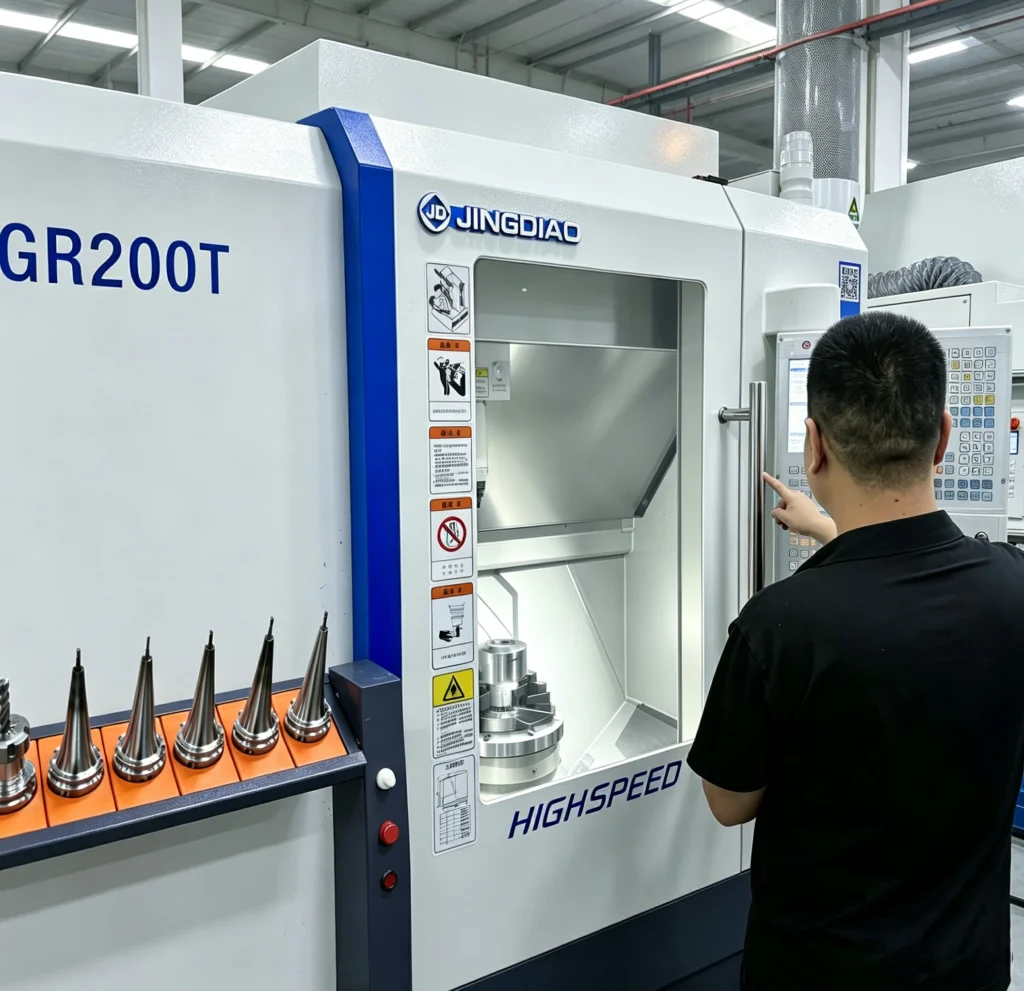
Tight tolerances require more than a high-resolution CNC machine. Machine capability, tooling, fixturing, thermal stability, machining strategy, and inspection all contribute to repeatable precision.

Send Your Drawing
Our engineers can review your critical dimensions and tolerance requirements.

Request a DFM Review
Find out whether your specified tolerances are practical, necessary, and cost-effective.

Request a Precision Machining Quote
Send your part specifications and quantity for a project-specific quotation.


Need a Manufacturing Quote?

Upload your drawings and receive DFM feedback, material recommendations, and a clear manufacturing quote.

16+

Year

50K+

Parts Manufactured

98.2%

On-time Delivery

Request a Quote
All Articles From The Author
Swiss CNC machining process using a guide bushing to manufacture high-precision metal components

Precision CNC Machining Services: 5-Axis Technology, Quality & Industry Applications

Learn how precision CNC machining services use 5-axis technology, quality control, and advanced manufacturing processes to produce reliable components for aerospace, medical, semiconductor, energy,
Precision CNC Machining Prototyping Services for Industrial Parts

Next-Gen CNC Machining: Driving Innovation through Precision Prototyping

CNC Machining Prototyping has become an invaluable tool in the product development phase, offering high-speed, precise, and flexible production for a wide range of

Understanding CNC Machining Tolerances

CNC Machining Tolerances Guide | Precision Standards & Cost Optimization

FAQ: CNC Machining Tolerances Q1: What is the standard tolerance for CNC machining?A typical standard tolerance for CNC machining is ±0.127 mm (±0.005 in),

Simultaneous 5-axis CNC machining of a high-precision titanium impeller

Precision Impeller CNC Machining: A Complete Guide to Precision 5-Axis Machining for Turbomachinery Components

Master the complexities of 5‑axis impeller machining – from material selection and CAM programming to inspection and real‑world applications. What Is an Impeller and

Swiss CNC machining compared with traditional CNC machining for precision parts manufacturing

Swiss CNC Machining vs Traditional CNC Machining: Which Is Better for Precision Parts?

Swiss CNC machining has become one of the most trusted manufacturing solutions for producing high-precision components across industries such as medical, aerospace, automotive, and

How to choose a precision CNC machining supplier in China for custom machined parts

Exploring the Importance of Precision Manufacturing in Industry

Why Choosing the Right CNC Machining Supplier Matters Finding the right precision CNC machining supplier is one of the most important decisions for companies

Start a New Project

Turn Your CAD Files Into Precision Parts

Share your requirements with our engineering team. We will review manufacturability, materials, tolerances and lead time before quoting.

2-Hour Quote

Fast response for complete RFQs

Free DFM Review

Engineering feedback before production

Secure CAD Files

Confidential upload and NDA support

No MOQ

Prototype to low-volume production

Need help preparing an RFQ?

info@tikprecision.com

RFQ Form

Tell Us About Your Project

Upload CAD Files | Free DFM Analysis | 2-Hour Quote | No MOQ Required | NDA Protected