
In high‑vacuum application fields such as semiconductor process chambers, surface analysis instruments, and scientific research vacuum devices, the turbo‑molecular pump is critical equipment to achieve ultra‑high vacuum from 10⁻⁴ Pa to 10⁻⁹ Pa. As the core moving part of a turbo‑molecular pump, the impeller directly determines the pump’s pumping speed, compression ratio, running vibration and service life. It is an essential technical point for vacuum engineers during equipment selection, troubleshooting, and spare‑part localization replacement.
Core Working Principle of Turbo‑Molecular Pump Impeller
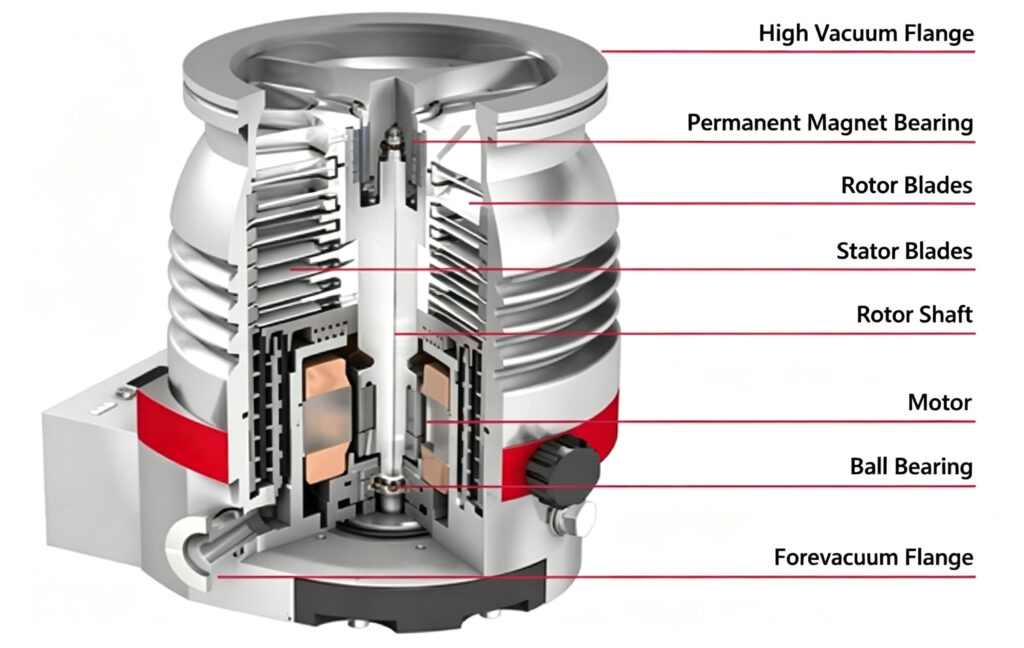
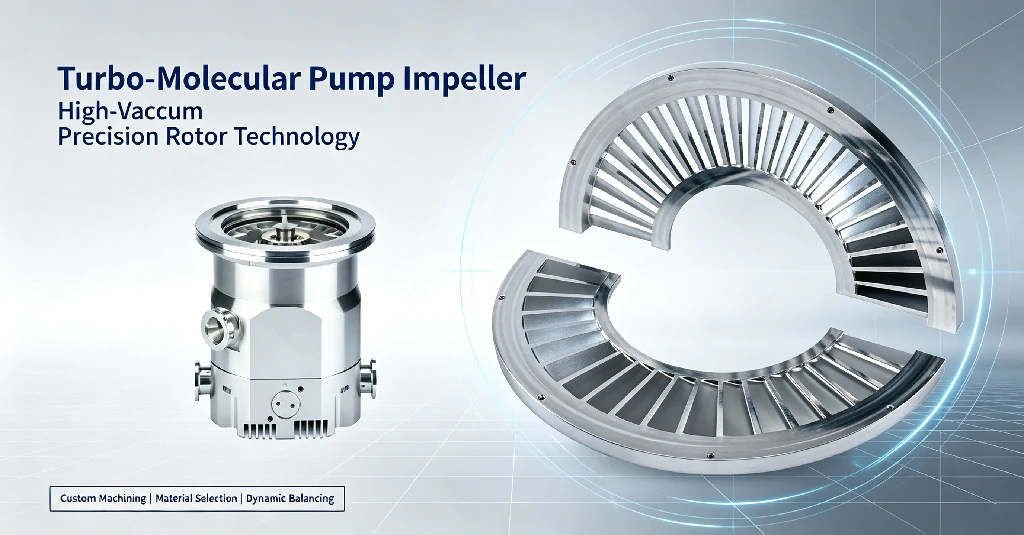
The turbo‑molecular pump relies on its impeller rotating at tens of thousands of RPM to transfer directional momentum to gas molecules. Working together with stator blades, it completes multi‑stage gas compression and exhaust. The impeller operates under extreme working conditions: huge centrifugal load and micron‑level tip operating clearance. Any manufacturing imperfection, profile deviation or dynamic balance defect will cause higher vibration, increased noise and degraded pumping performance. In severe cases, blade collision and fracture may occur, resulting in chamber contamination and permanent damage to expensive vacuum equipment. Therefore, the turbomolecular pump impeller is not an ordinary machined part, but a typical ultra‑high‑precision high‑speed rotor component.
Material Selection for Turbo‑Molecular Pump Impeller
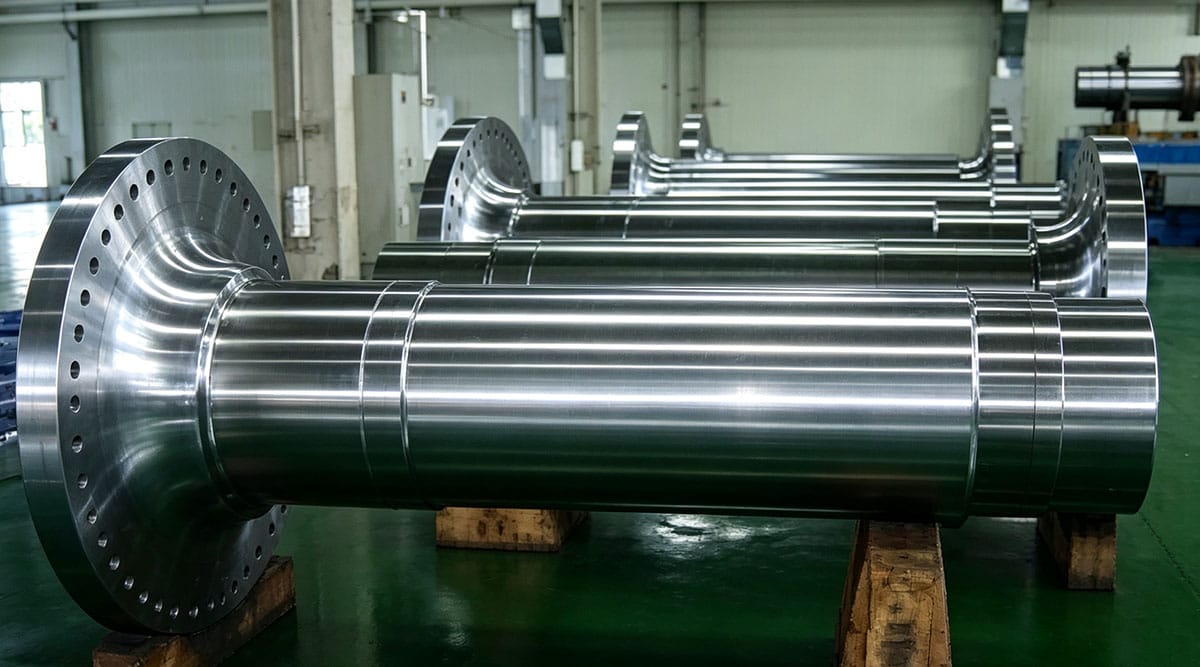
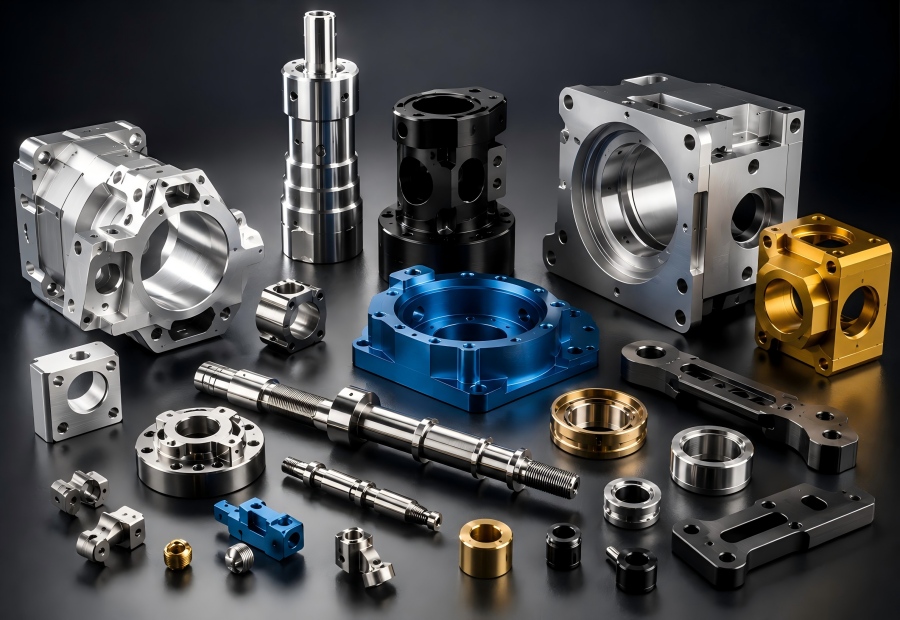
Material selection is the primary consideration for custom impeller manufacturing. Mass‑produced impellers mostly adopt aerospace‑grade aluminum alloy, featuring low density, high specific strength and good machinability. For corrosive process gas and high‑temperature operating environments, titanium alloy or Inconel nickel‑based superalloy are selected. Base materials must be free of internal defects such as pores and slag inclusions to prevent fatigue cracks under high‑speed rotation. After 5‑axis milling, aluminum alloy impellers usually receive hard anodizing surface treatment to improve wear resistance and anti‑erosion performance, reducing particle generation to meet strict clean‑vacuum requirements for semiconductors.
5‑Axis CNC Machining & Key Manufacturing Requirements
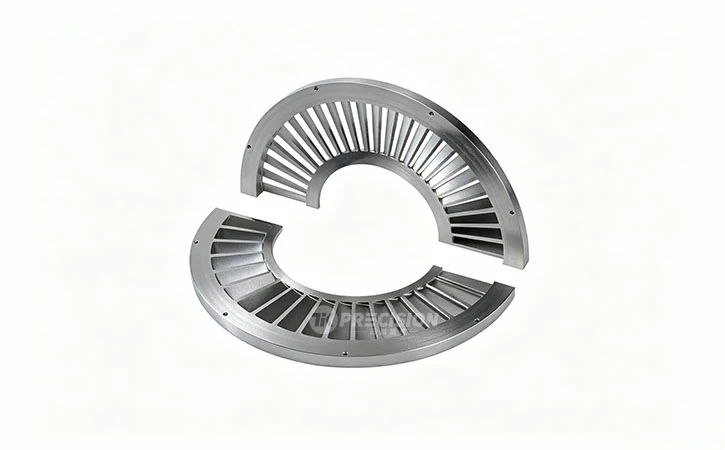
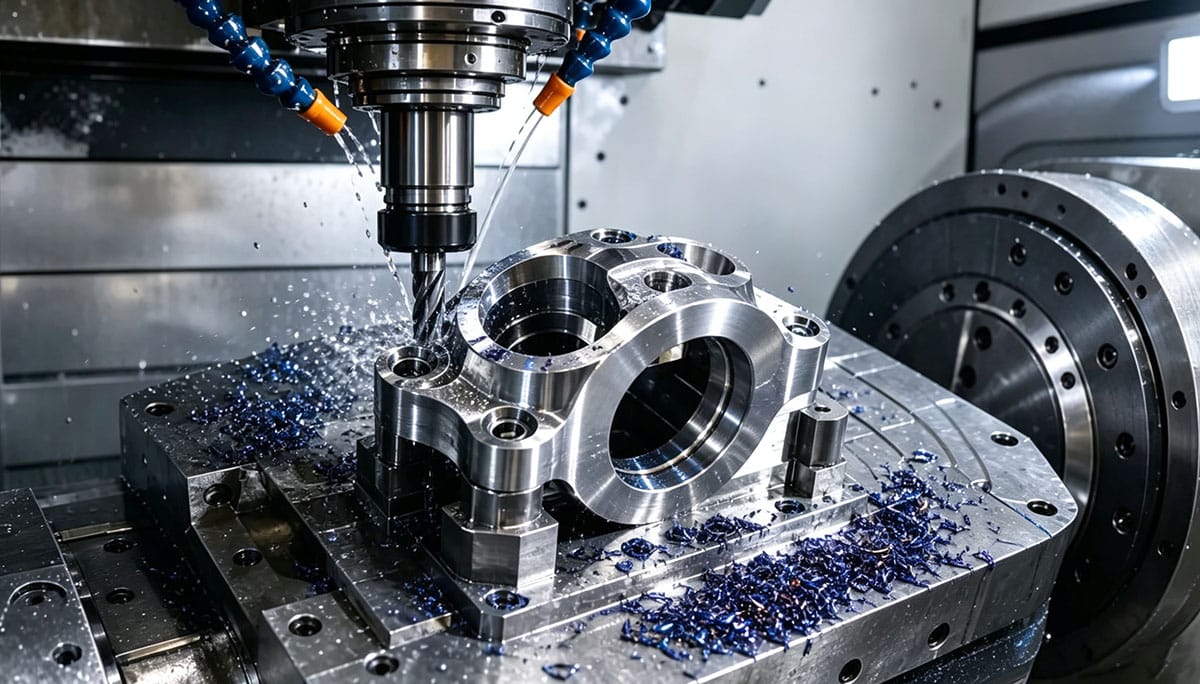
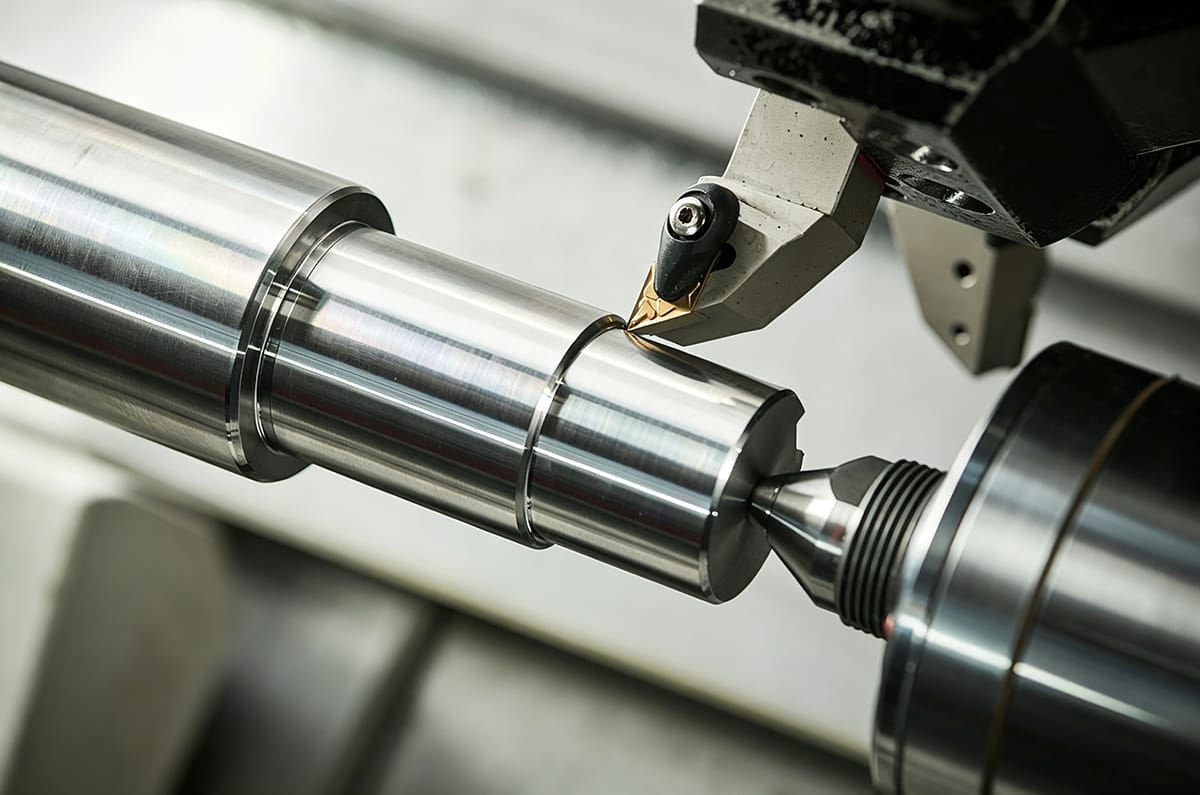
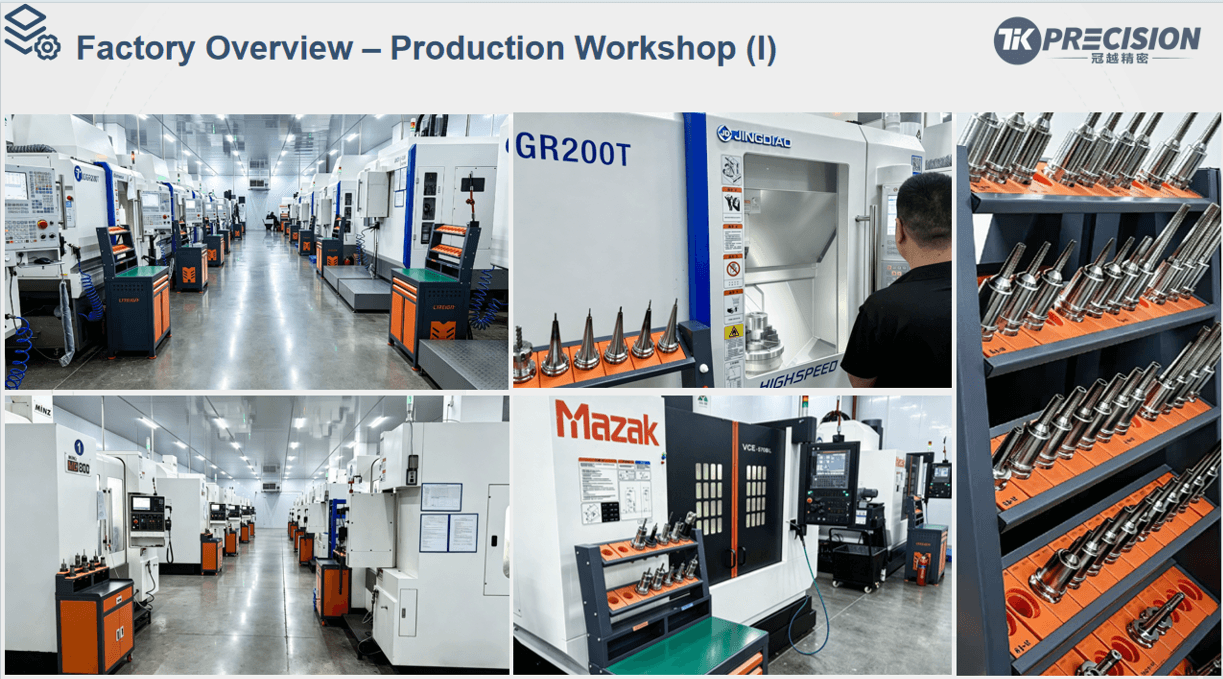
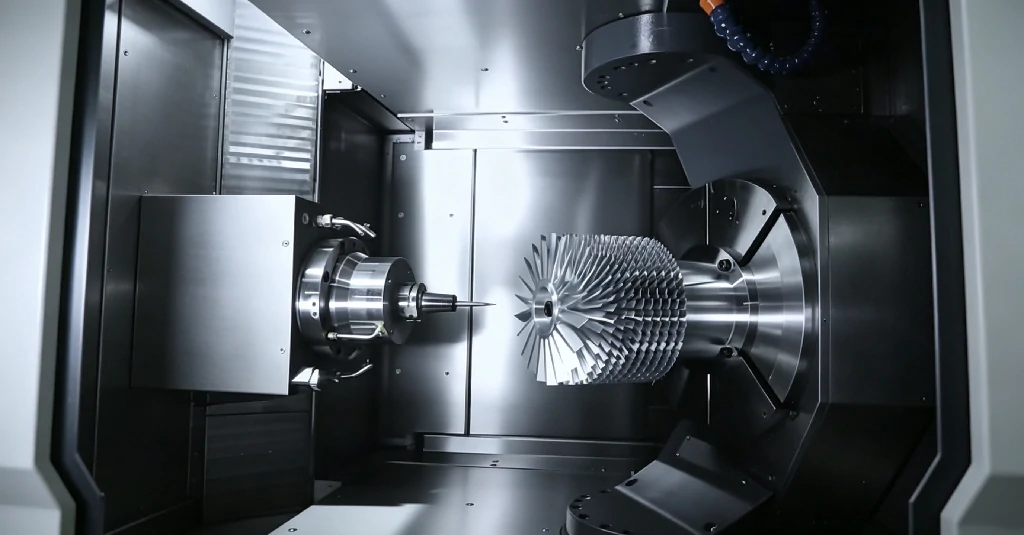
5‑axis CNC machining is the core manufacturing process for impellers. Impeller blades are complex free‑form surfaces with narrow flow channels and thin blades, which place high demands on toolpath strategy and cutting tool selection. Blade wall thickness, airfoil profile and angular consistency between blades all require micron‑level tolerances. The tip clearance between impeller and pump housing is normally only 0.2‑0.5 mm; tiny deformation will change the pumping characteristics of the whole pump. Completion of machining does not mean a finished product. High‑precision dynamic balancing correction is mandatory to keep residual unbalance within strict limits, suppress overall unit vibration and protect turbo pump bearing assemblies. Many custom‑part failures on‑site originate from omitted or simplified dynamic balancing procedures.
Important Notes for Custom Drawings‑Based Impeller Manufacturing
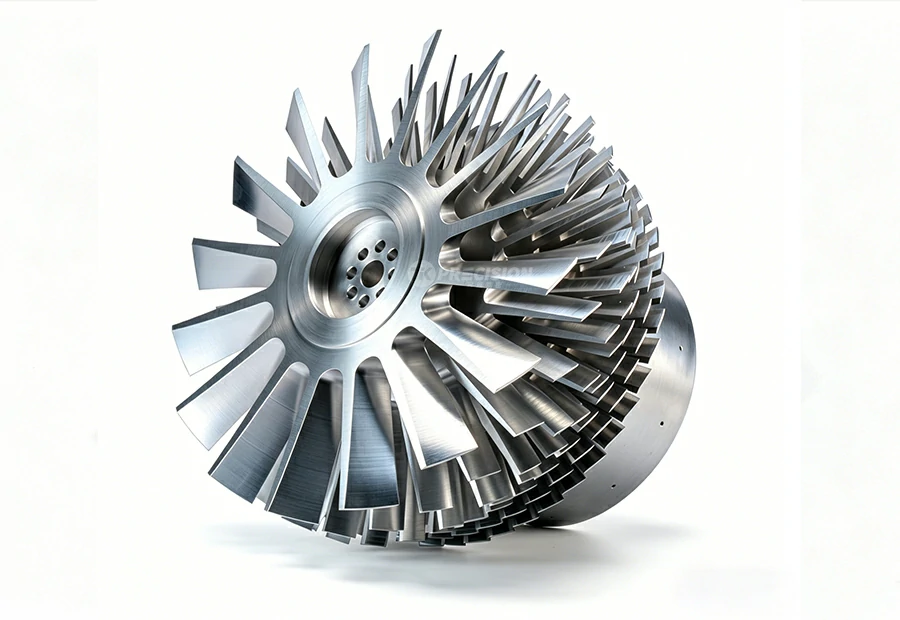
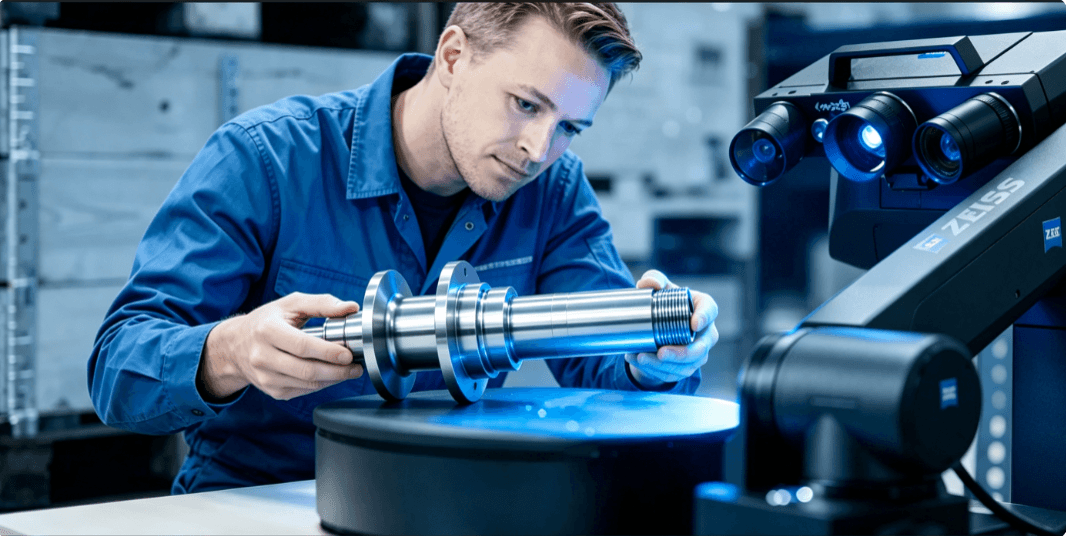
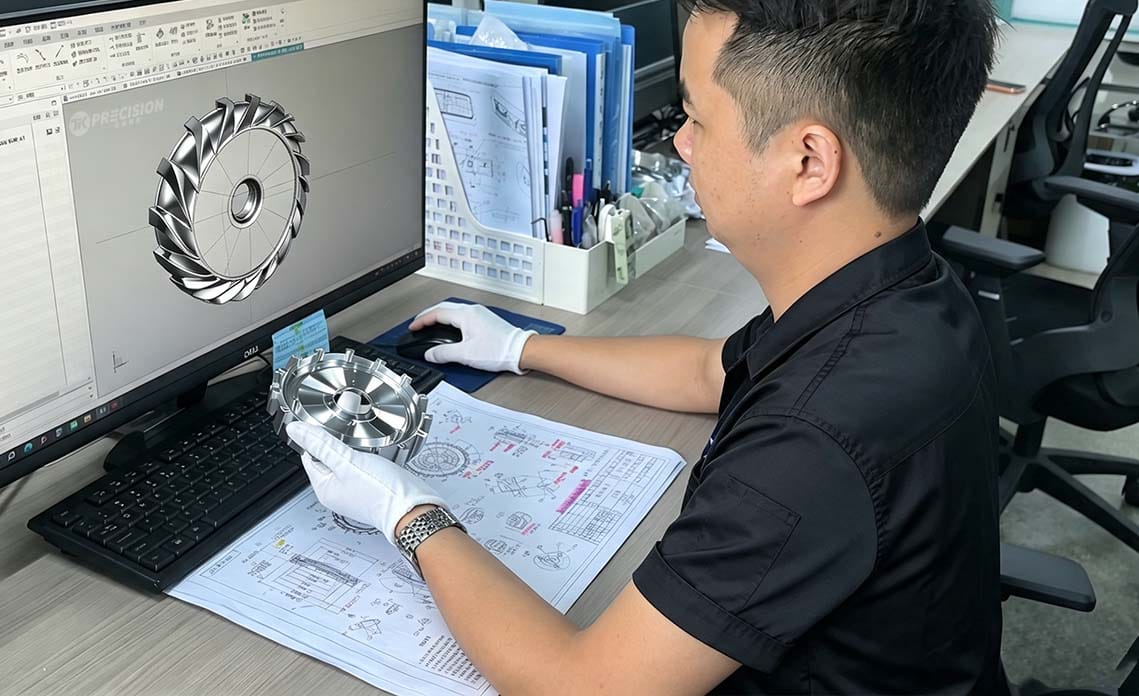
Faced with long lead‑time and high‑cost original imported spare parts, drawing‑based custom impeller reproduction has become a widely‑adopted industry solution. However, drawing reproduction is far more than simple contour milling. A qualified custom impeller requires a complete workflow: base‑material verification, 5‑axis precision machining, surface finishing, dynamic balancing correction and full‑dimensional inspection. If only outer dimensions are pursued while ignoring profile tolerance, surface roughness, dynamic balance grade and material performance, problems such as insufficient pumping speed, abnormal noise and premature failure will occur after installation.
Key Evaluation Metrics for Engineers to Verify Custom Impeller
When evaluating custom‑made impellers, engineers are advised to focus on these critical indicators: blade airfoil profile tolerance, blade wall‑thickness tolerance, dynamic balance G grade, surface‑treatment specification and material test report. After assembly, comprehensively judge whether custom parts match OEM performance by monitoring pump‑body vibration value, ultimate vacuum and operating noise.
Conclusion
The turbo‑molecular pump impeller looks like a simple set of metal blades, yet it integrates gas dynamics, rotor dynamics, multi‑axis precision machining and surface finishing. Whether for new vacuum project specification, spare‑part replacement of existing equipment, or domestic localization upgrade, mastering these technical points will help engineers avoid unexpected on‑site failures and reduce costly equipment downtime. Keep this guide for your high‑vacuum equipment troubleshooting and component sourcing work.