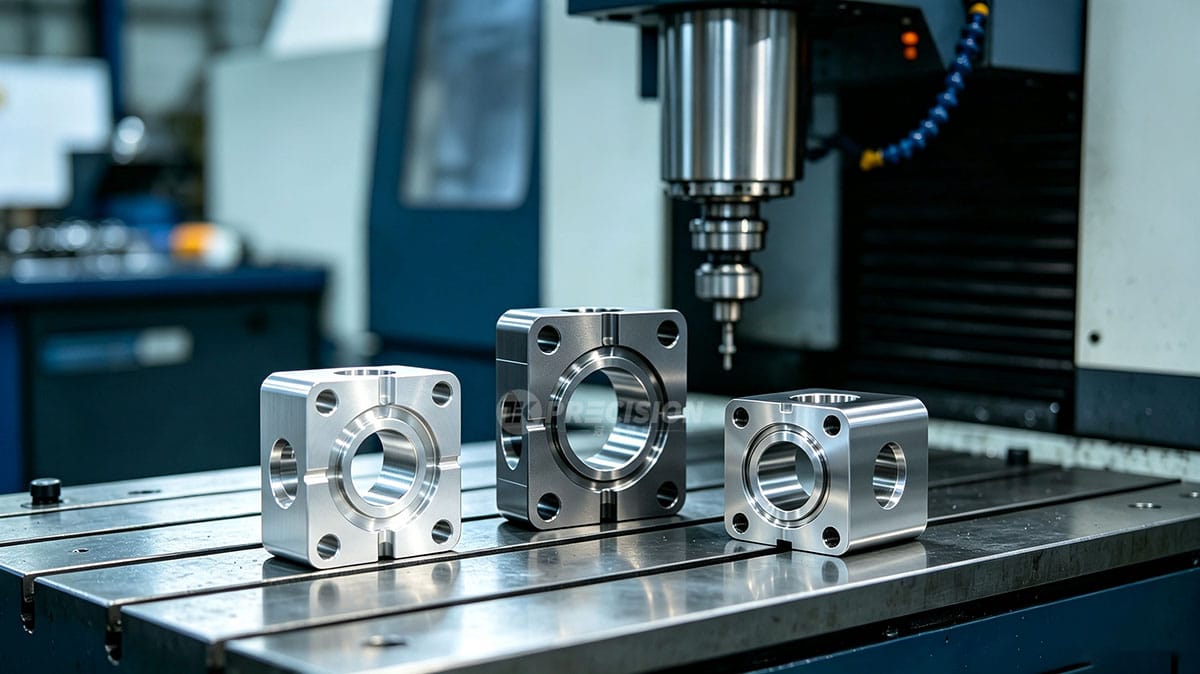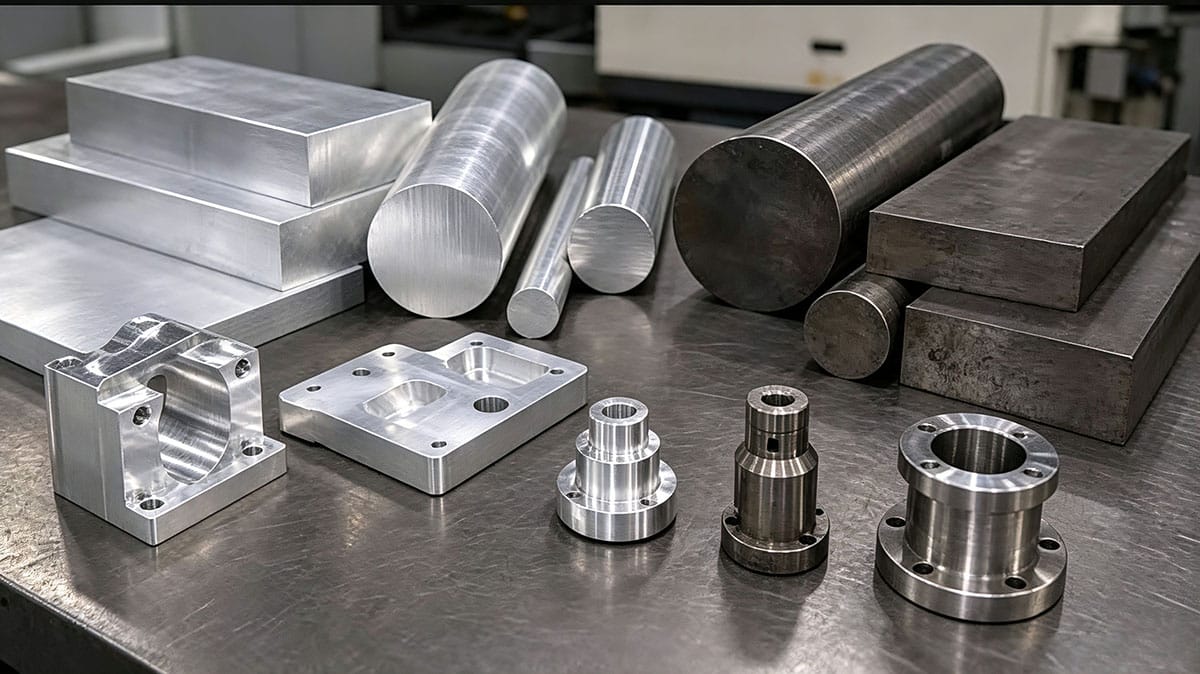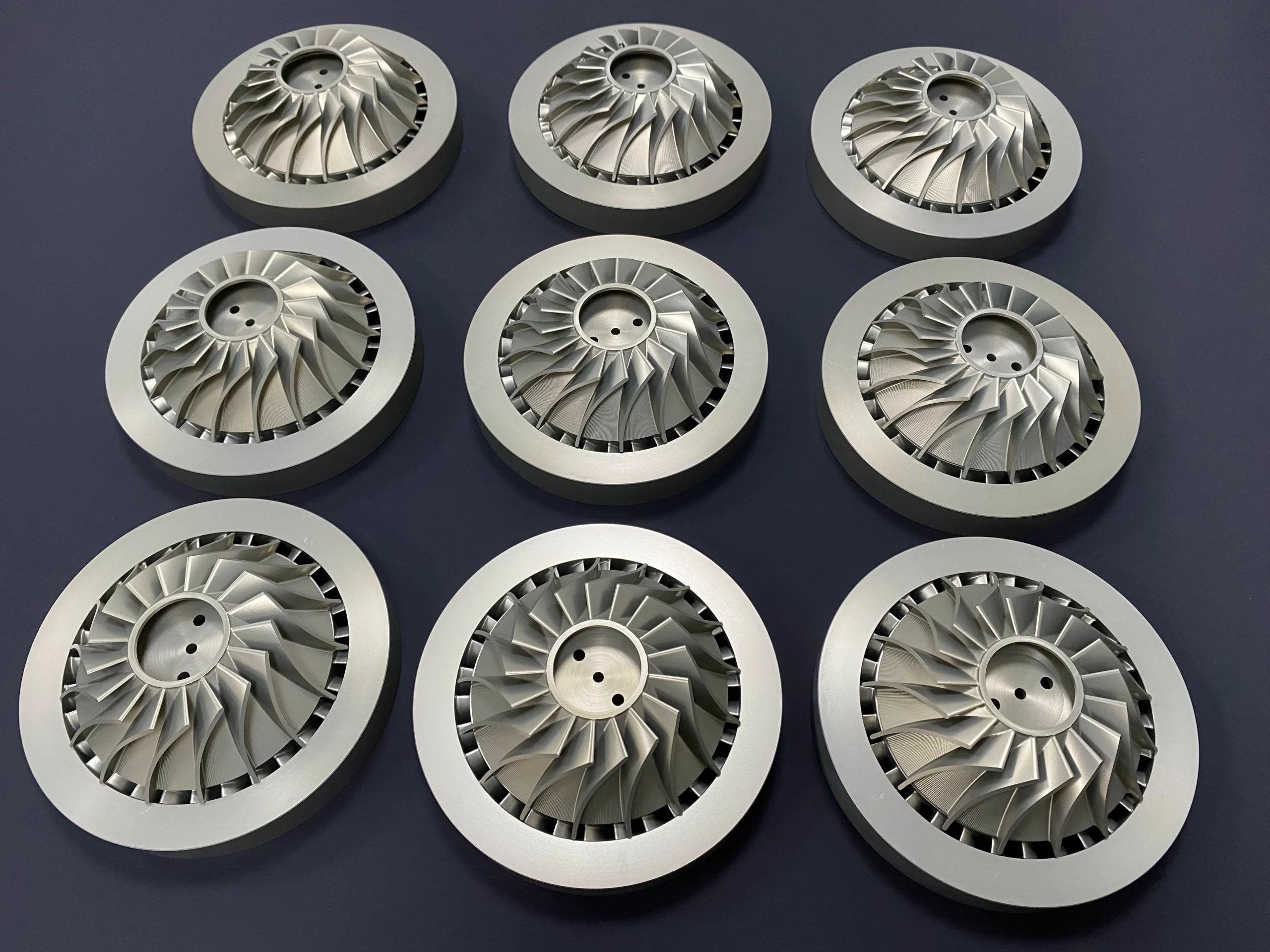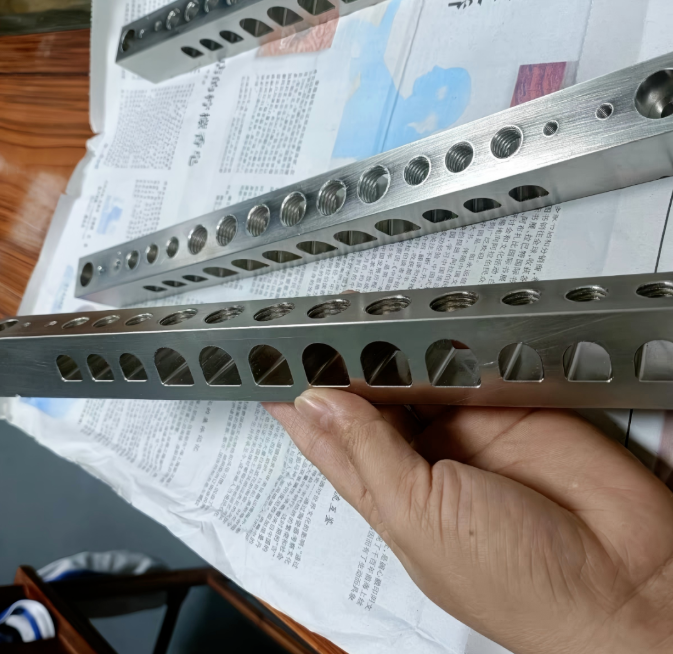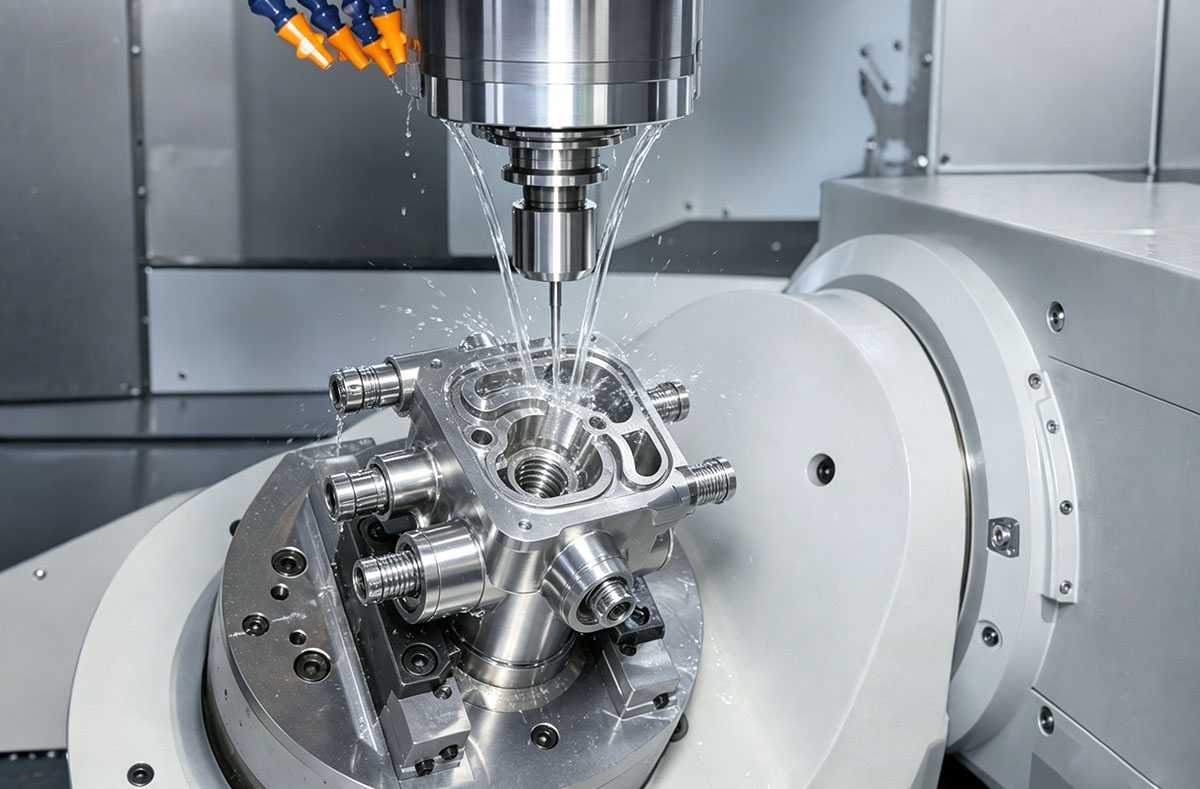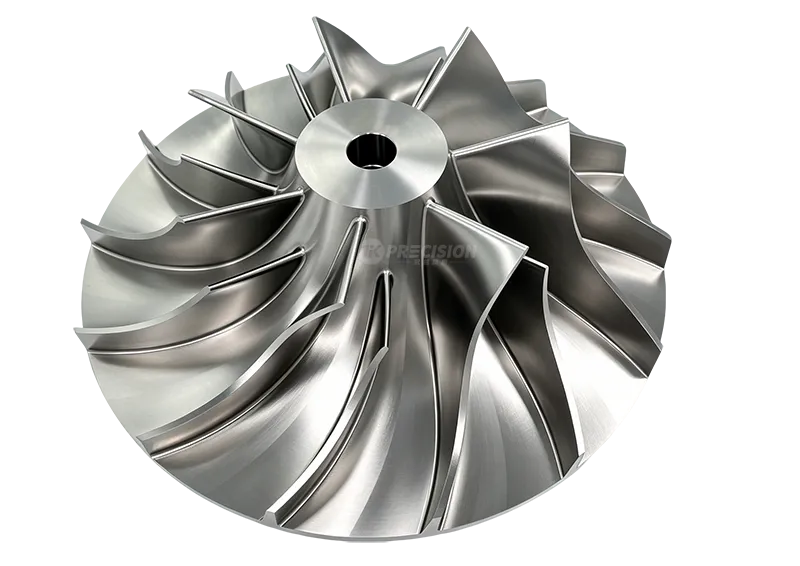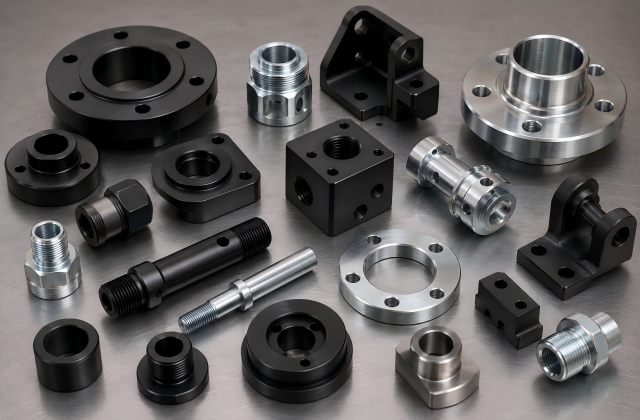

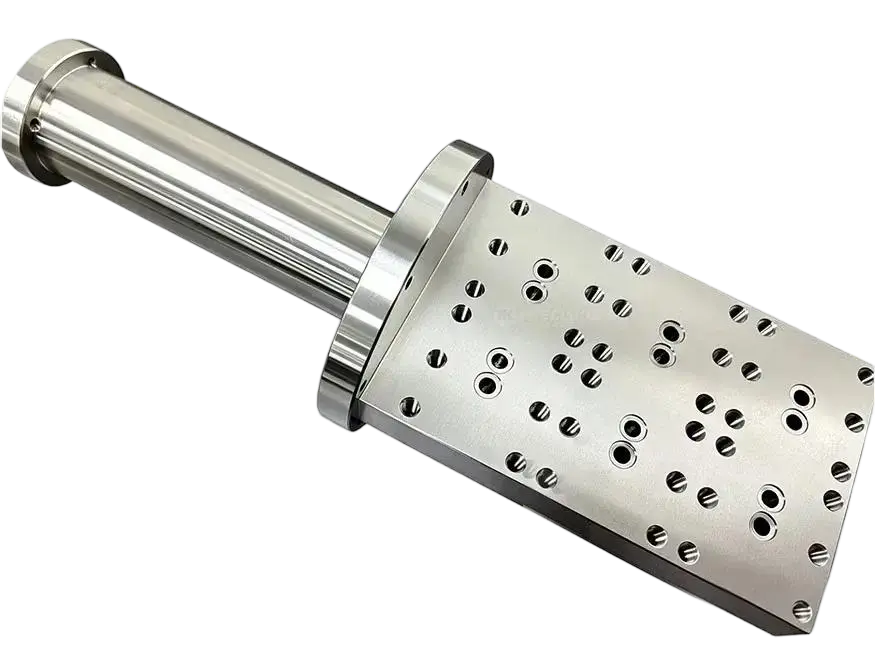
Exotic alloys are the materials engineers turn to when standard stainless steels and aluminum cannot survive the operating environment—jet engine hot sections at 1,000°C, chemical reactors with boiling sulfuric acid, and deep-sea oil wells. These materials deliver extraordinary performance in service, but they extract their pound of flesh in the machine shop. Machining Inconel, Hastelloy, duplex stainless, and other exotic alloys demands specialized precision CNC machining services, rigid machine tools, and expert process planning.
What Makes Exotic Alloys So Difficult to Machine
Four metallurgical characteristics unite the exotic alloy family and explain their poor machinability:
- Extreme Work Hardening: Nickel-based alloys work-harden at the cut surface instantly. This makes subsequent passes difficult and requires precise 5-axis CNC machining strategies to maintain tool life.
- Poor Thermal Conductivity: Heat generated at the shear zone cannot dissipate into the workpiece, accelerating tool wear.
- High Cutting Forces: Nickel alloys retain their strength at elevated temperatures, requiring robust setups.
- Abrasive Wear: Hard carbide particles and intermetallic phases abrade the tool cutting edge rapidly.
Common Exotic Alloys in CNC Machining
Inconel 718 (UNS N07718)
The most widely used nickel-based superalloy for aerospace turbine blades. It maintains strength from cryogenic temperatures to 700°C.
- Machining Strategy: Machine in the solution-annealed condition, then age-harden.
- Tooling: Whisker-reinforced ceramic for roughing; solid carbide with AlCrN coating for finishing.
Hastelloy C-276 (UNS N10276)
Known for exceptional corrosion resistance in aggressive media. It is among the most difficult alloys to machine, requiring cutting speeds 20-30% lower than Inconel.
Duplex and Super Duplex Stainless (2205, 2507)
Combines strength and chloride stress corrosion cracking resistance. Essential for deepwater oil & gas and desalination plants. Proper tolerance control is vital here.
Tooling Strategies for Exotic Alloys
| Operation | Tool Material | Speed (m/min) | Feed (mm/tooth) |
|---|---|---|---|
| Rough Turning | Ceramic (Whisker) | 200-350 | 0.15-0.30 |
| Finish Turning | Carbide/CBN | 30-50 | 0.08-0.15 |
| Rough Milling | Solid Carbide | 25-40 | 0.05-0.10 |
Process Planning & DFM
Successful machining requires a strict DFM checklist:
- Rough Aggressively, Finish Gently: Finishing passes must have adequate depth (0.2 mm minimum) to cut beneath the work-hardened layer.
- Rigid Setup: Minimize tool overhang to prevent vibration and premature tool failure.
- Coolant Strategy: High-pressure through-spindle coolant (70-140 bar) is essential to evacuate heat.
Conclusion
Machining exotic alloys is a specialized field that requires the right equipment and experience. Tik Precision has invested in the technology needed to deliver high-quality Inconel, Hastelloy, and Duplex components. Contact us today to discuss your project.