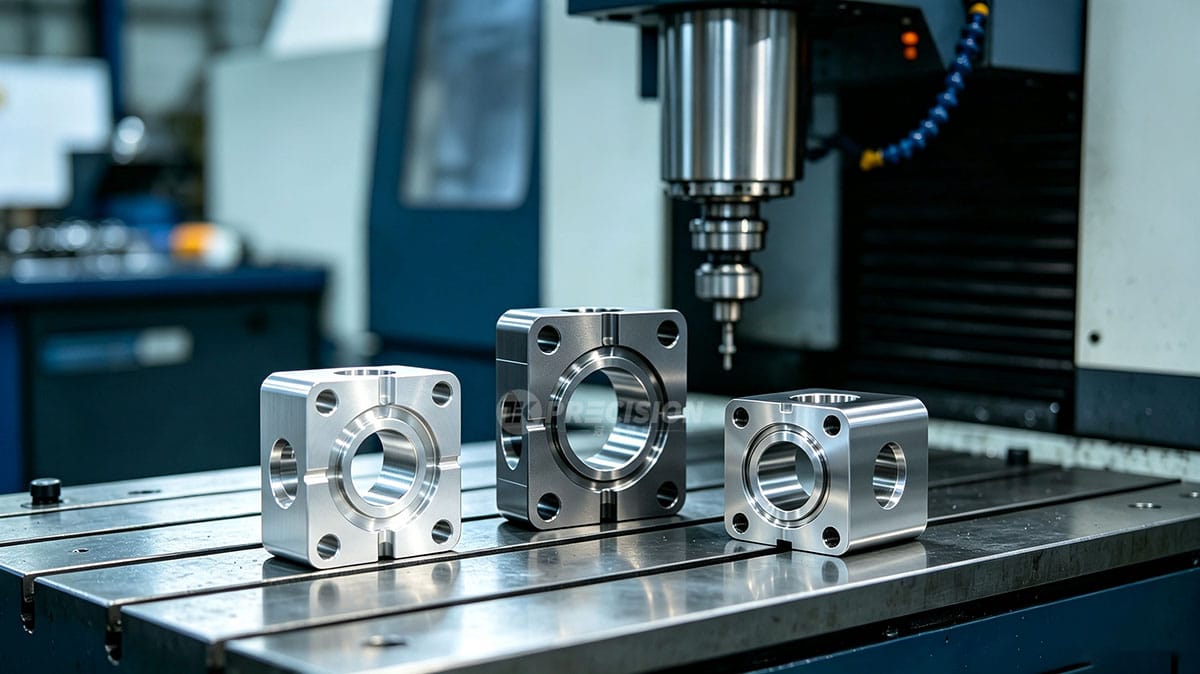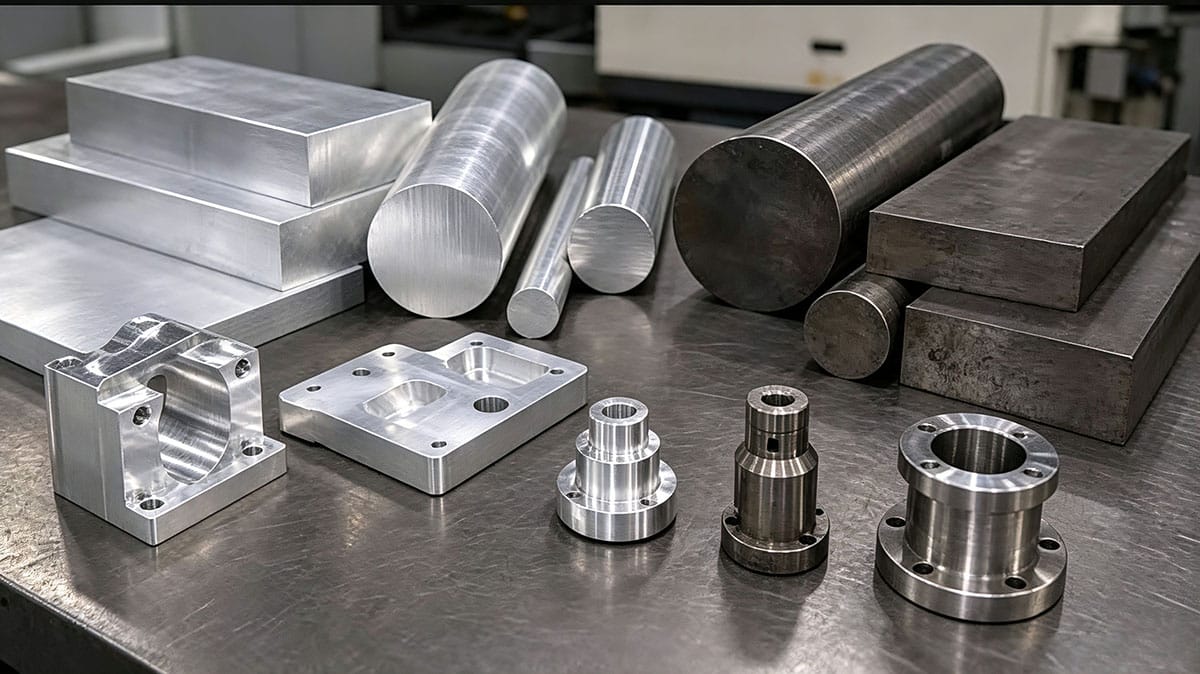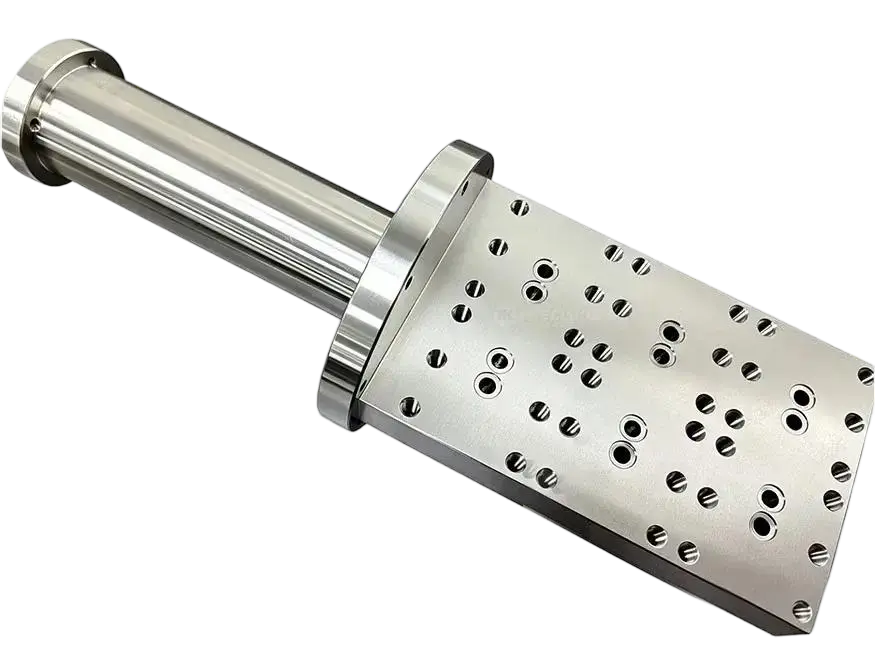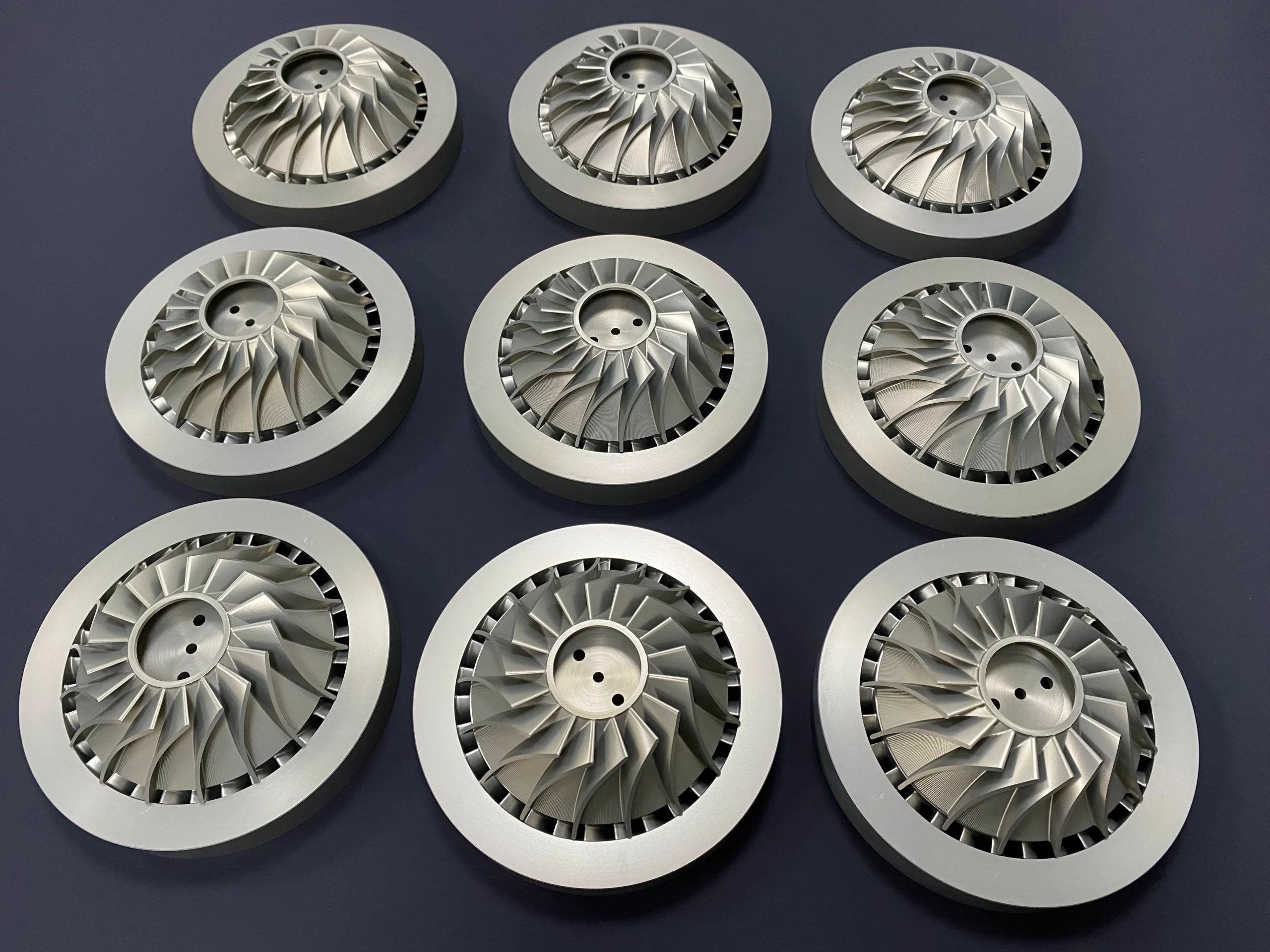

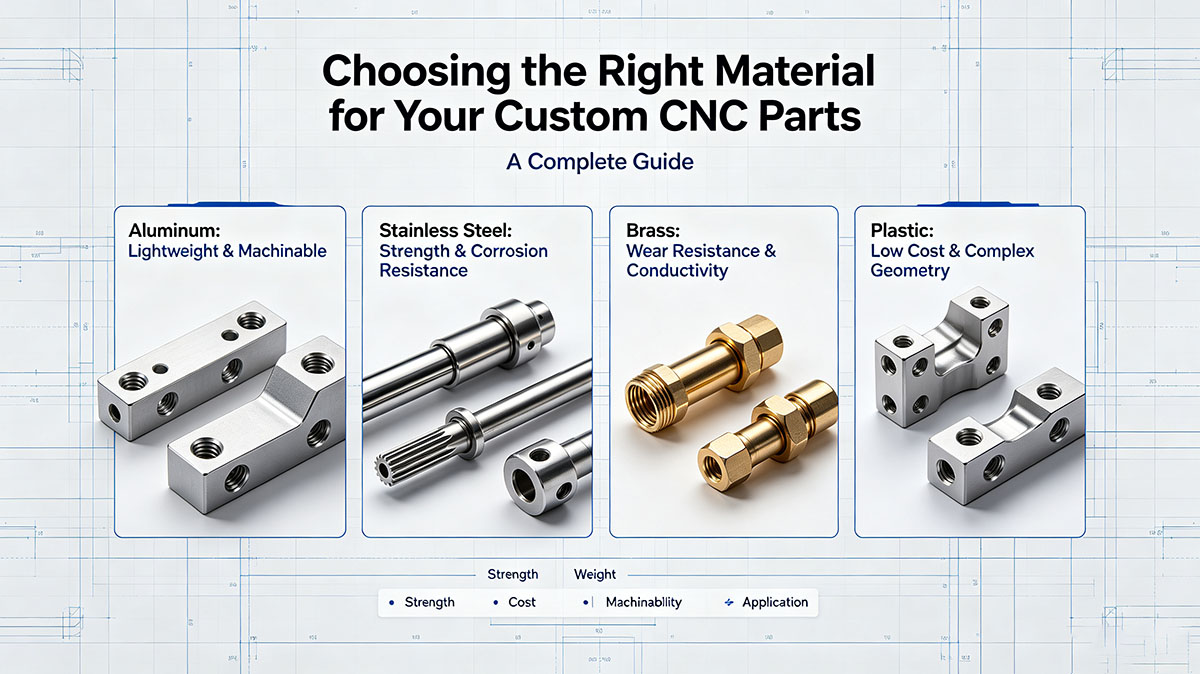
Selecting the right material is the single most impactful decision in custom CNC part design. The wrong choice leads to premature failure, excessive cost, or manufacturing delays. The right choice balances mechanical properties, machinability, surface finish requirements, and budget — often with trade-offs that require careful engineering judgment. This guide walks through the decision framework used by experienced manufacturing engineers.
Step 1: Define Your Functional Requirements
Before comparing materials, document exactly what your part must do. Answer these five questions:
- What loads will the part experience? Tensile, compressive, shear, impact, or cyclic fatigue?
- What is the operating environment? Temperature range, chemical exposure, UV radiation, moisture, or vacuum?
- What are the tolerance requirements? Tight tolerances may limit material options due to thermal expansion or machinability constraints.
- What surface finish is needed? Does the part require anodizing, plating, polishing, or will it remain as-machined?
- What is the expected production volume? High-volume parts may justify higher raw material costs if machinability reduces cycle time.
Step 2: Understand the Material Categories
Aluminum Alloys
Best for: Lightweight structural components, enclosures, heat sinks, and prototypes.
- 6061-T6: The most versatile aluminum alloy. Good strength-to-weight ratio, excellent machinability, readily anodizable. Yield strength ~276 MPa.
- 7075-T6: Aircraft-grade aluminum with strength approaching mild steel. More expensive and harder to anodize than 6061. Yield strength ~503 MPa.
- 5083: Superior corrosion resistance in marine environments. Commonly used for welded assemblies.
- MIC-6: Cast aluminum plate with stress-relieved properties — ideal for flatness-critical parts and vacuum applications.
Stainless Steels
Best for: Corrosion-resistant components, medical instruments, food processing equipment.
- 304: Excellent corrosion resistance, good formability. Machinability is moderate — requires sharp tooling and adequate coolant.
- 316: Enhanced corrosion resistance from molybdenum addition. Preferred for marine and chemical processing applications.
- 303: Free-machining grade with sulfur addition. Best choice when stainless properties are needed but machining time is a concern.
- 17-4 PH: Precipitation-hardening stainless steel. Can be heat-treated to achieve hardness up to 44 HRC while maintaining corrosion resistance.
Carbon and Alloy Steels
Best for: High-strength structural parts, tooling, shafts, and gears.
- 1018: Low-carbon steel with good machinability and weldability. Can be case-hardened for wear resistance.
- 4140: Chromium-molybdenum alloy steel. Heat-treatable to high strength levels (up to ~1,000 MPa). Common in automotive and oil & gas components.
- 4340: Nickel-chromium-molybdenum steel with exceptional toughness. Used in aerospace landing gear and high-stress shafts.
Engineering Plastics
Best for: Electrical insulators, low-friction bearings, chemical-resistant components, and lightweight replacements for metal parts.
- PEEK: Exceptional mechanical properties up to 250°C. Autoclavable and biocompatible. Expensive but irreplaceable for high-performance applications.
- Delrin (POM): Excellent machinability and dimensional stability. Low friction and good wear resistance. Ideal for precision gears and bushings.
- PTFE (Teflon): Outstanding chemical resistance and the lowest coefficient of friction of any solid. Challenging to machine due to its softness and creep behavior.
- Nylon: Good toughness and wear resistance, but absorbs moisture which can affect dimensional stability.
Titanium Alloys
Best for: Aerospace, medical implants, and high-performance automotive where weight savings justify cost.
- Ti-6Al-4V (Grade 5): The workhorse titanium alloy. Exceptional strength-to-weight ratio, biocompatible. Slow machining speed required — expect 3-5x the cycle time of steel.
Step 3: Factor in Surface Treatments
Many materials reach their full potential only after surface treatment. Common options include:
- Anodizing (Type II & III): Aluminum only. Enhances corrosion resistance and provides a durable decorative or hard-wear surface.
- Electroless Nickel Plating: Uniform coating thickness even on complex geometries. Excellent corrosion resistance for steel parts.
- Passivation: Removes free iron from stainless steel surfaces, maximizing natural corrosion resistance. Mandatory for medical-grade stainless.
- Black Oxide: Mild corrosion protection with minimal dimensional change. Common for tooling and aesthetic applications.
- Powder Coating: Durable, colorful finish for aluminum and steel. Not suitable for high-precision surfaces.
Step 4: Match Material to Manufacturing Process
Not all materials are equal in the machine shop. Material selection directly affects:
- Cycle time: Titanium and Inconel machine 5-10x slower than aluminum.
- Tooling cost: Hard materials consume carbide tooling faster and may require diamond-coated tools.
- Achievable tolerances: Plastics experience thermal expansion and moisture absorption that can push parts out of tolerance.
- Minimum wall thickness: Brittle materials like cast iron cannot support the same thin features as ductile steels.
Quick Reference: Material Selection by Application
| Application | Recommended Material | Key Reason |
|---|---|---|
| Drone / UAV components | 7075-T6 Aluminum | Maximum strength-to-weight |
| Medical implant | Ti-6Al-4V ELI | Biocompatibility + osseointegration |
| Food processing equipment | 316 Stainless Steel | Corrosion resistance + cleanability |
| Precision gear | 4140 Steel (heat-treated) | High fatigue strength + wear resistance |
| Semiconductor vacuum chamber | 6061-T6 Aluminum | Low outgassing + good thermal conductivity |
| Marine hardware | 316 Stainless or 5083 Aluminum | Saltwater corrosion resistance |
| Electrical insulator / connector | PEEK | High dielectric strength + thermal stability |
| Automotive suspension component | 4340 Steel | Exceptional toughness under impact loads |
Conclusion
Material selection is an engineering decision, not a guessing game. By systematically evaluating functional requirements, understanding material behavior during machining, and factoring in surface treatments, you can select the optimal material that balances performance, manufacturability, and cost. When in doubt, consult your machining partner early in the design phase — an experienced DFM review can save weeks of iteration and thousands of dollars in tooling.
Have a custom part design but unsure about the best material? Upload your CAD file to Tik Precision and our engineering team will provide a free material recommendation with your quote.