
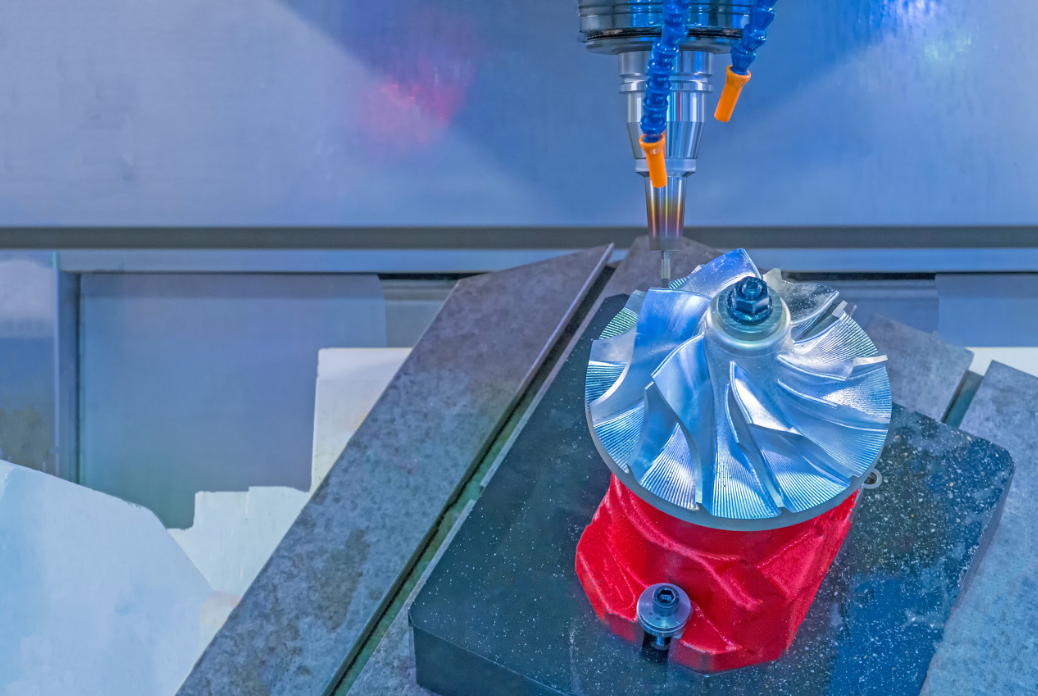
Precision CNC machining is the backbone of modern manufacturing. From aerospace turbine components to medical implants to consumer electronics enclosures, CNC machining produces the parts that other processes cannot — parts with tolerances measured in microns, surface finishes measured in fractions of a micron, and geometries that would be impossible to cast, forge, or mold. This comprehensive guide explains what precision CNC machining services actually encompass, how the technology works, and what distinguishes truly precision-level output from general machining.
What ”Precision CNC Machining” Actually Means
In practice, precision CNC machining is defined by three measurable parameters:
- Tolerance capability: The ability to consistently hold dimensional tolerances of ±0.025 mm (0.001 inch) or tighter. General machining typically operates in the ±0.1-0.2 mm range.
- Surface finish: The ability to achieve surface roughness of Ra 1.6 µm (63 microinches) or better as-machined, and Ra 0.4 µm (16 microinches) or better with finishing processes.
- Repeatability: The ability to produce identical results across production runs — demonstrated through statistical process control (SPC) with Cpk values of 1.33 or higher on critical dimensions.
Precision is not just about the machine tool — it is a combination of machine accuracy, tooling quality, programming expertise, fixturing strategy, temperature control, measurement capability, and operator skill. Remove any one element, and precision degrades.
Core CNC Machining Processes
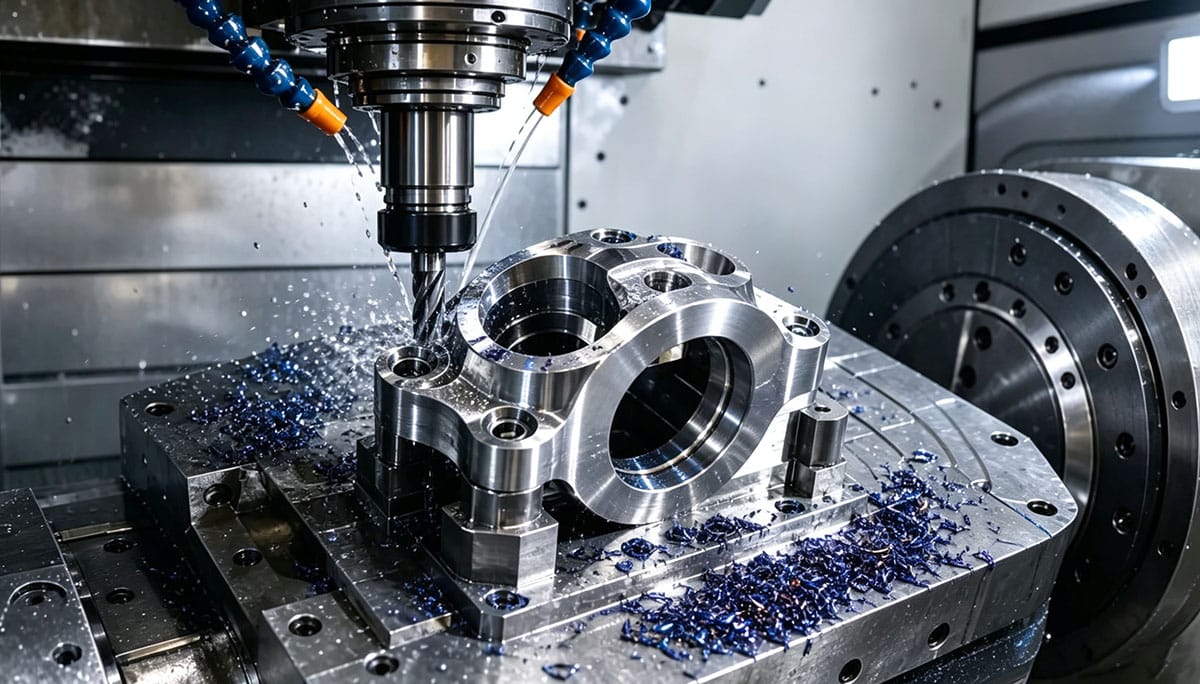
CNC Milling
The most versatile CNC process. A rotating cutting tool removes material from a stationary or moving workpiece. Modern CNC milling encompasses:
- 3-axis milling: The tool moves in X, Y, and Z. Suitable for prismatic parts with features accessible from one orientation.
- 4-axis milling: Adds a rotary axis (typically A-axis rotation around X). Enables machining on multiple faces in a single setup — ideal for parts with features around a cylindrical axis.
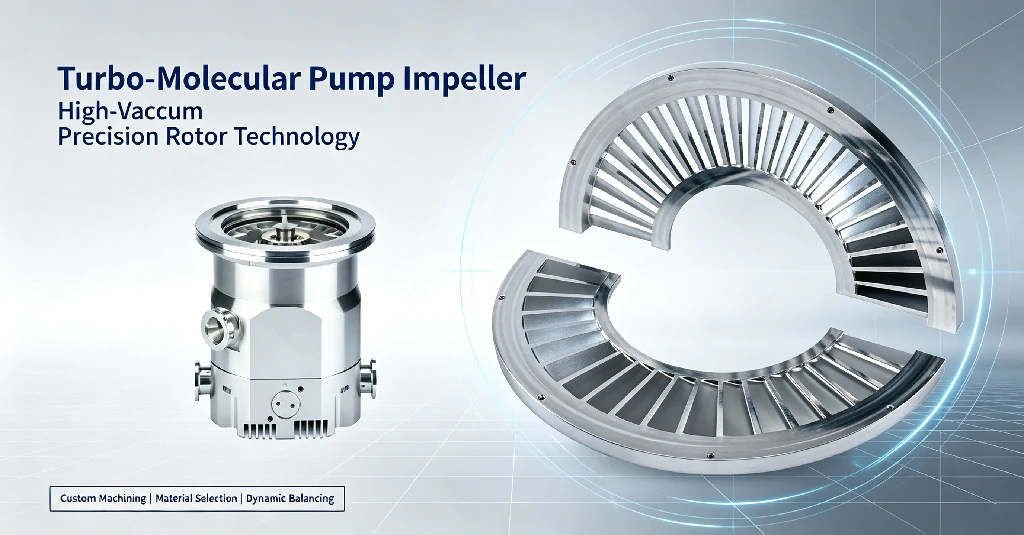
- 5-axis milling: Adds two rotary axes, allowing the tool to approach the workpiece from any angle. Essential for complex contoured surfaces — impellers, turbine blades, orthopedic implants, mold cavities — and for reducing setups on multi-face parts.
CNC Turning
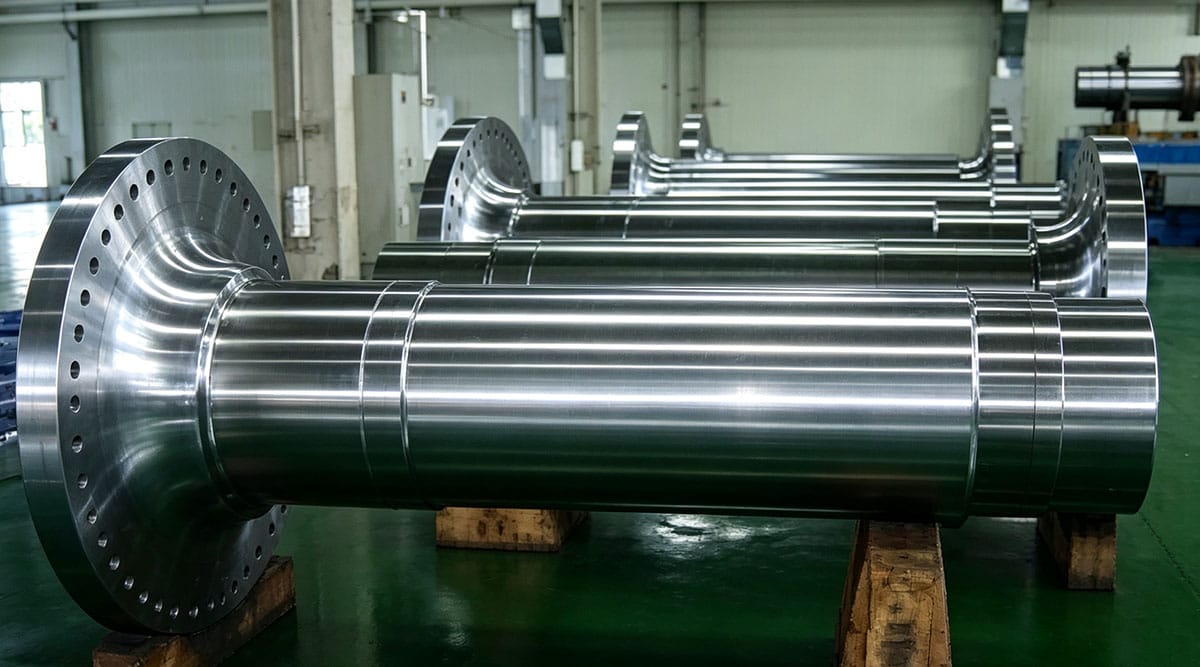
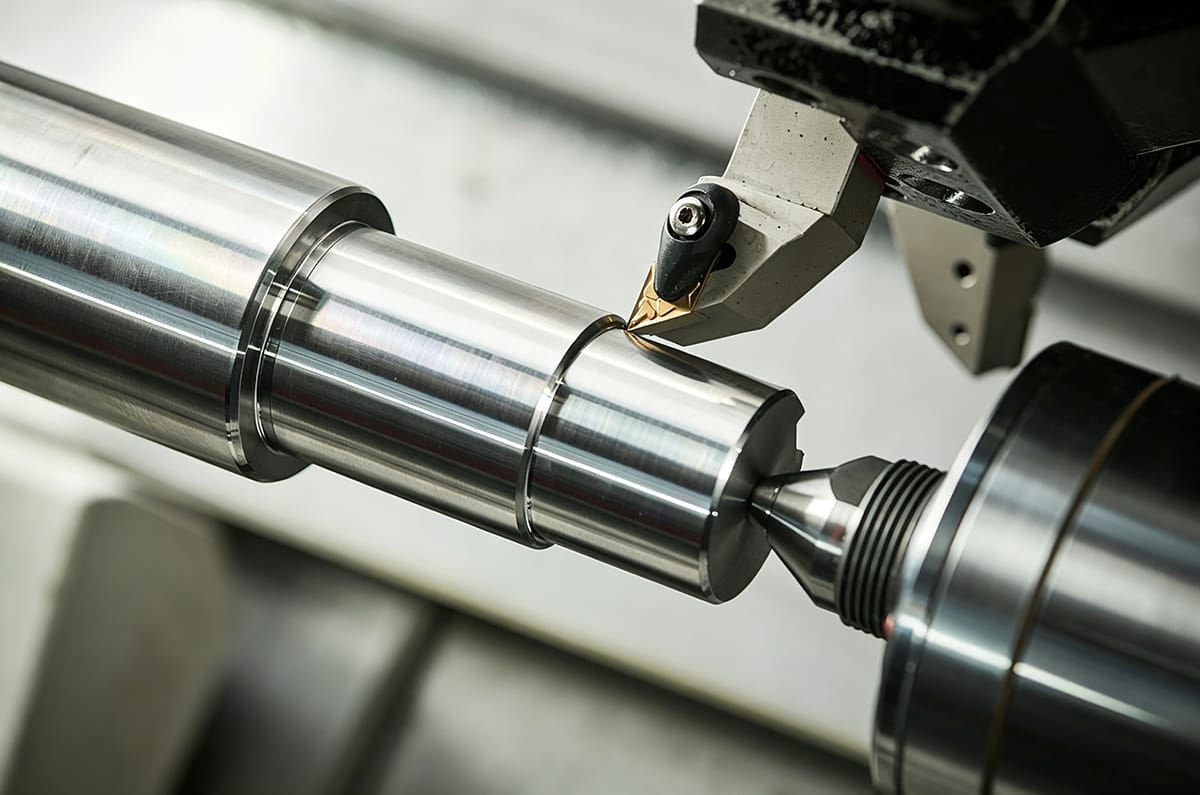
The workpiece rotates while a stationary cutting tool removes material. CNC turning produces cylindrical parts with exceptional concentricity — shafts, bushings, fittings, and rotating components. Modern CNC lathes include:
- 2-axis turning: Basic OD/ID turning, facing, grooving, and threading.
- Multi-axis turning (mill-turn): Live tooling enables milling, drilling, and tapping on a turned part without moving it to a separate machine. Y-axis capability enables off-center features.
- Swiss-type turning: The workpiece moves axially through a guide bushing while the tool remains stationary. Enables machining of long, slender parts (down to 1 mm diameter) with exceptional precision — the standard for medical device components and watch parts.
Additional Precision Processes
- CNC grinding: Uses an abrasive wheel rather than a cutting tool. Achieves tolerances down to ±0.001 mm and surface finishes below Ra 0.1 µm. Used for bearing journals, precision shafts, and hardened surfaces that cannot be cut with conventional tools.
- Wire EDM (Electrical Discharge Machining): A thin wire electrode erodes material through controlled electrical discharges. Cuts any electrically conductive material regardless of hardness. Ideal for sharp internal corners, delicate features, and hardened tool steels.
- Sinker EDM: A shaped electrode ”sinks” into the workpiece, eroding a cavity. Used for mold cavities, forging dies, and features inaccessible to conventional cutting tools.
- Honing: Abrasive stones rotate and reciprocate inside a bore, producing extremely precise diameters (tolerances to ±0.001 mm) with controlled cross-hatch surface texture — critical for hydraulic cylinders and engine cylinders.
Materials Processed by Precision CNC Machining
The range of materials that can be precision CNC machined is vast. Each material family demands specific tooling, cutting parameters, and coolant strategies:
Metals
- Aluminum: 6061-T6 (general purpose), 7075-T6 (aerospace strength), 2024 (fatigue resistance), 5083 (marine corrosion), MIC-6 (cast tooling plate for flatness). Machined at high speeds with carbide tooling.
- Stainless steel: 303 (free-machining), 304/304L (general corrosion), 316/316L (chemical/marine), 17-4 PH (precipitation hardening), 15-5 PH, duplex 2205/2507. Requires rigid setups, sharp tools, and consistent feed rates to avoid work hardening.
- Alloy and tool steels: 4140, 4340, 8620, A2, D2, O1, H13. Typically machined in the annealed condition, then heat-treated. Post-heat-treatment grinding or hard turning is required for final dimensions.
- Titanium: Ti-6Al-4V (Grade 5), commercially pure Grades 2 and 4. Poor thermal conductivity concentrates heat at the tool tip. Requires low cutting speeds, sharp tools, high-pressure coolant, and careful chip management.
- Nickel alloys: Inconel 625, 718; Hastelloy C-276; Monel 400, K-500. Extreme work hardening, high cutting forces, and abrasive tool wear. Reserved for the most demanding applications — aerospace hot sections, chemical processing, nuclear.
- Copper alloys: Brass C360 (excellent machinability), Tellurium Copper C145 (good machinability + electrical conductivity), Beryllium Copper (high strength + conductivity, requires safe handling of beryllium dust).
Engineering Plastics
- PEEK: High-temperature thermoplastic (continuous use to 250°C). Autoclavable, biocompatible, excellent chemical resistance. Challenging to machine — stress-relief during machining can cause warping.
- Delrin / Acetal (POM): Excellent machinability and dimensional stability. Low friction coefficient. Ideal for precision gears, bushings, and wear components.
- PTFE (Teflon): Extremely soft and prone to creep. Requires very sharp tools and low clamping forces. Unmatched chemical resistance and the lowest friction coefficient of any solid.
- Ultem (PEI): High strength, flame retardant, and capable of withstanding repeated autoclave cycles. Used in medical and aerospace interiors.
- Nylon: Good toughness and wear resistance. Absorbs moisture, which affects dimensional stability — must be accounted for in tolerance specifications.
Surface Finishing Services
Precision CNC machining services typically encompass or coordinate surface finishing:
- Anodizing (Type II and Type III hardcoat): Aluminum only. Corrosion resistance, wear resistance, and color capability.
- Passivation: Stainless steel. Removes free iron, maximizing natural corrosion resistance.
- Electroless nickel plating: Uniform corrosion protection for steel and stainless. Can be co-deposited with PTFE for low friction.
- Zinc plating: Economical corrosion protection for steel fasteners and brackets.
- Powder coating: Durable, colored finish for larger components.
- Bead blasting: Uniform matte surface texture. Cosmetic or preparation for subsequent coating.
- Electropolishing: Ultra-smooth, bright finish for stainless steel. Removes surface peaks at the microscopic level.
- Mechanical polishing: Mirror finishes on accessible surfaces.
- Shot peening: Induces compressive surface stress for improved fatigue life.
- Heat treating: Hardening, tempering, annealing, and stress relieving — often coordinated with machining for parts that are machined soft, then hardened.
Quality Assurance in Precision Machining
Without rigorous quality assurance, “precision” is just a marketing claim. A professional CNC machining service maintains:
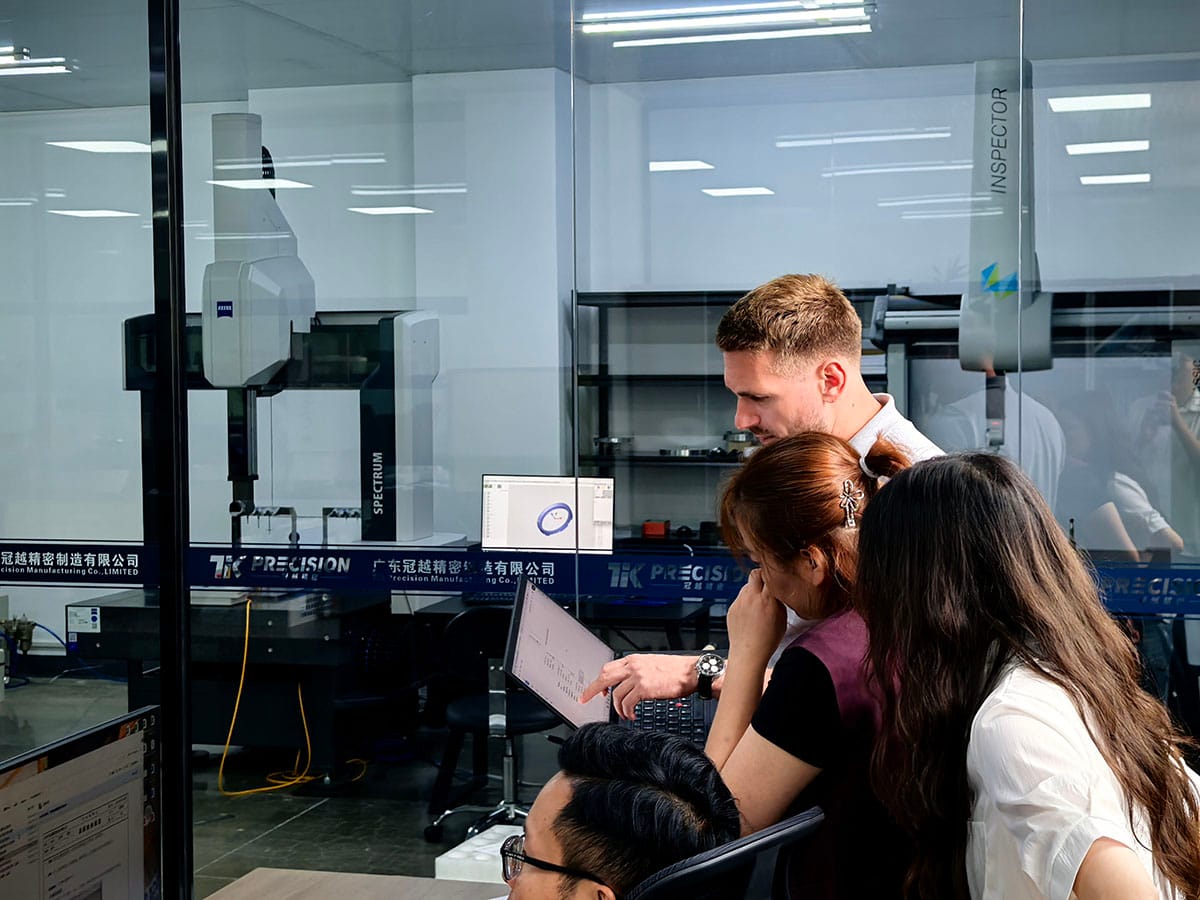
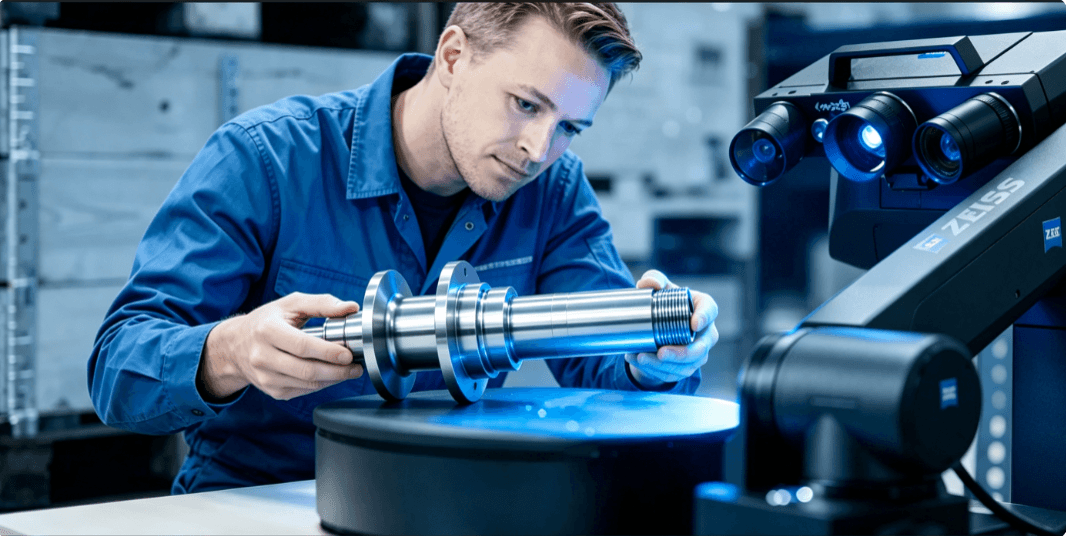
- CMM inspection: Coordinate Measuring Machines with touch-probe or scanning capability verify dimensional accuracy against CAD models. CMM reports provide objective evidence that parts meet specifications.
- Vision measurement systems: Optical comparators and video measurement machines for small features, edge profiles, and 2D geometries.
- Surface profilometry: Contact or optical profilometers quantify surface roughness (Ra, Rz, Rmax).
- Hardness testing: Rockwell, Brinell, or Vickers hardness verification — especially important for heat-treated parts.
- Material certification: Traceable documentation from the mill heat number through to the finished part.
- First Article Inspection (FAI): Complete dimensional verification of the first production part, documented per AS9102 or customer requirements.
- Statistical Process Control (SPC): Ongoing monitoring of critical dimensions with control charts — detects process drift before parts go out of tolerance.
Applications Across Industries
Precision CNC machining serves virtually every industry that requires high-quality custom components:
| Industry | Typical Parts | Key Requirements |
|---|---|---|
| Aerospace | Turbine blades, structural brackets, fuel system components | AS9100, titanium/Inconel capability, FAI, material certs |
| Medical | Orthopedic implants, surgical instruments, diagnostic equipment | ISO 13485, biocompatible materials, electropolishing, full traceability |
| Automotive | Engine components, transmission parts, EV battery housings | IATF 16949, high-volume capability, competitive pricing |
| Oil & Gas | Valve bodies, pump impellers, downhole tool components | NACE compliance, exotic alloy experience, large-part capability |
| Semiconductor | Wafer handling components, vacuum chamber parts, gas delivery manifolds | Ultra-high purity, electropolishing, cleanroom packaging |
| Robotics & Automation | End-effectors, joint housings, sensor mounts,精密齿轮 | Complex geometries, lightweight materials, tight assembly tolerances |
| Defense | Weapon system components, optical mounts, radar waveguide parts | ITAR compliance, MIL-SPEC materials, classified handling capability |
The Precision CNC Machining Workflow
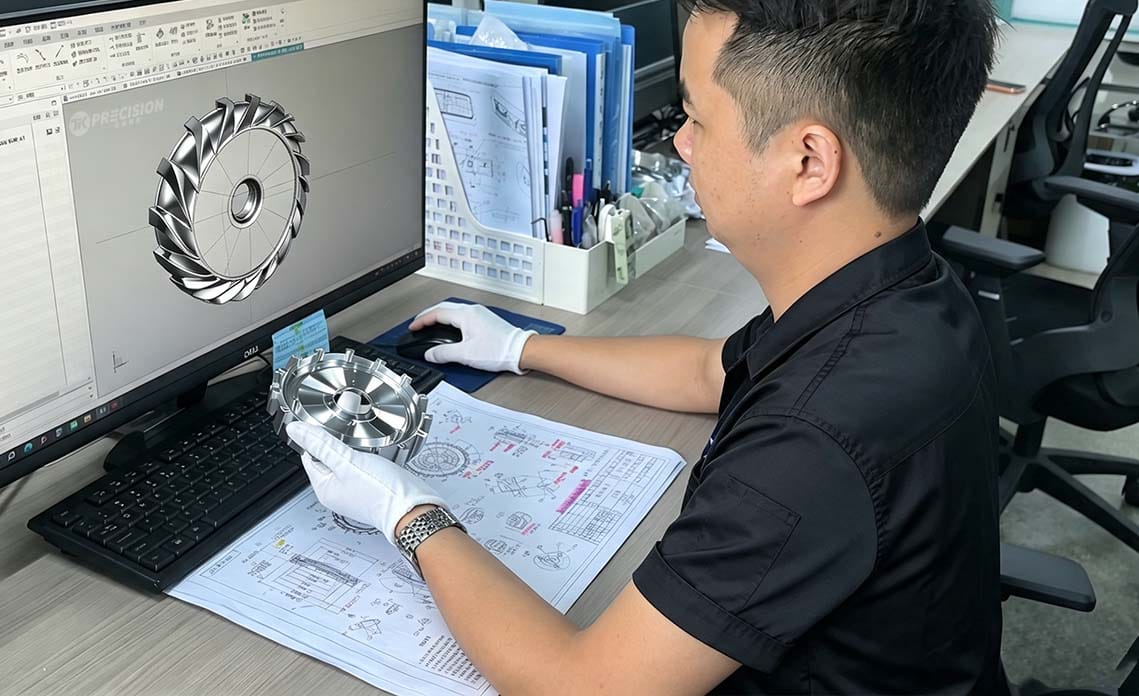
- Design and DFM Review: Customer provides CAD model (STEP or native format) and 2D drawing. Engineering team reviews for manufacturability, suggests optimizations.
- CAM Programming: Toolpaths are generated, optimized, and simulated. Tooling, fixtures, and workholding are designed.
- Material Procurement: Certified material is sourced with full traceability documentation.
- Setup and Machining: The part is fixtured, tools are loaded and measured, work offsets are set (often via probing), and machining proceeds — roughing, semi-finishing, and finishing.
- In-Process Inspection: Critical dimensions are verified while the part remains in the machine. Corrections are made before the part is removed.
- Deburring and Cleaning: Sharp edges are broken or chamfered. Cutting fluid and chips are removed.
- Surface Finishing: If specified — anodizing, plating, painting, polishing, etc.
- Final Inspection: Complete dimensional verification. Inspection report generated.
- Packaging and Shipping: Parts are packaged to prevent damage during transit. For sensitive components, cleanroom packaging, vacuum sealing, or custom foam inserts are used.
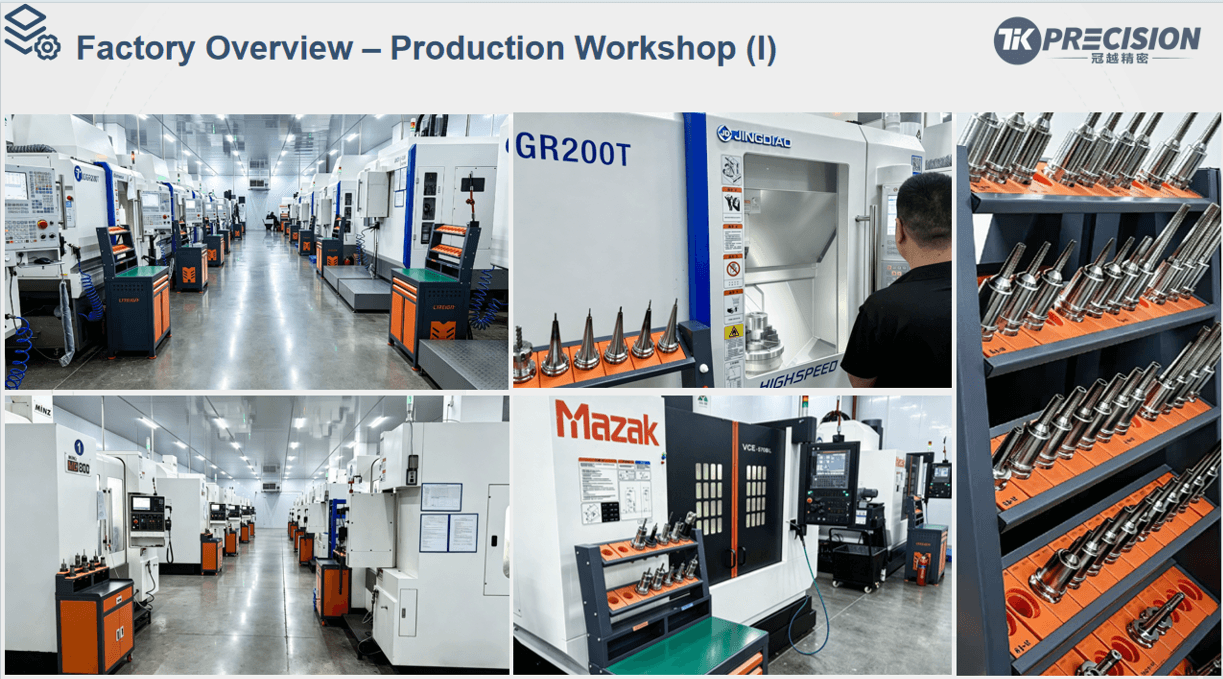
Tik Precision provides comprehensive precision CNC machining services — from single prototypes to production volumes. Our facility is equipped for 5-axis milling, CNC turning, and a full range of surface finishing. Upload your CAD files for a free DFM review and competitive quote.