
The medical device industry demands what few other sectors can: near-perfect precision, absolute reliability, and strict material compliance — all while operating under intense regulatory scrutiny. From surgical instruments to implantable components, precision CNC machining has become the backbone of medical device manufacturing. For a deeper dive into specific standards, explore our guide on CNC Machining for Medical Devices: Materials, Tolerances, and Compliance.
Why CNC Machining is Essential for Medical Devices
Medical components present a unique manufacturing challenge. They must be:
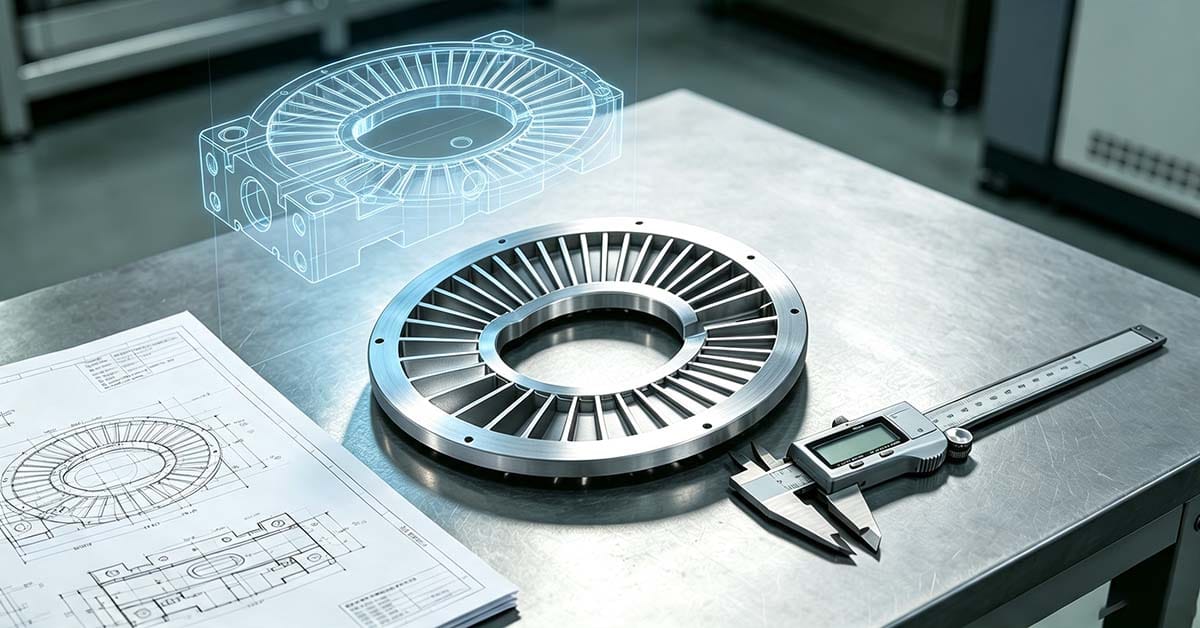
- Extremely precise: Tolerances often fall within ±0.005 mm for orthopedic implants and surgical robotics components. For more on high-accuracy standards, see our CNC Machining Tolerances Guide.
- Biocompatible: Materials must meet ISO 10993 standards, with no surface contamination from cutting fluids or tool wear.
- Consistent at scale: Every part must be identical — a variance in a bone screw or surgical guide is simply unacceptable.
- Traceable: Full material and process documentation is mandatory for FDA and CE regulatory submissions.
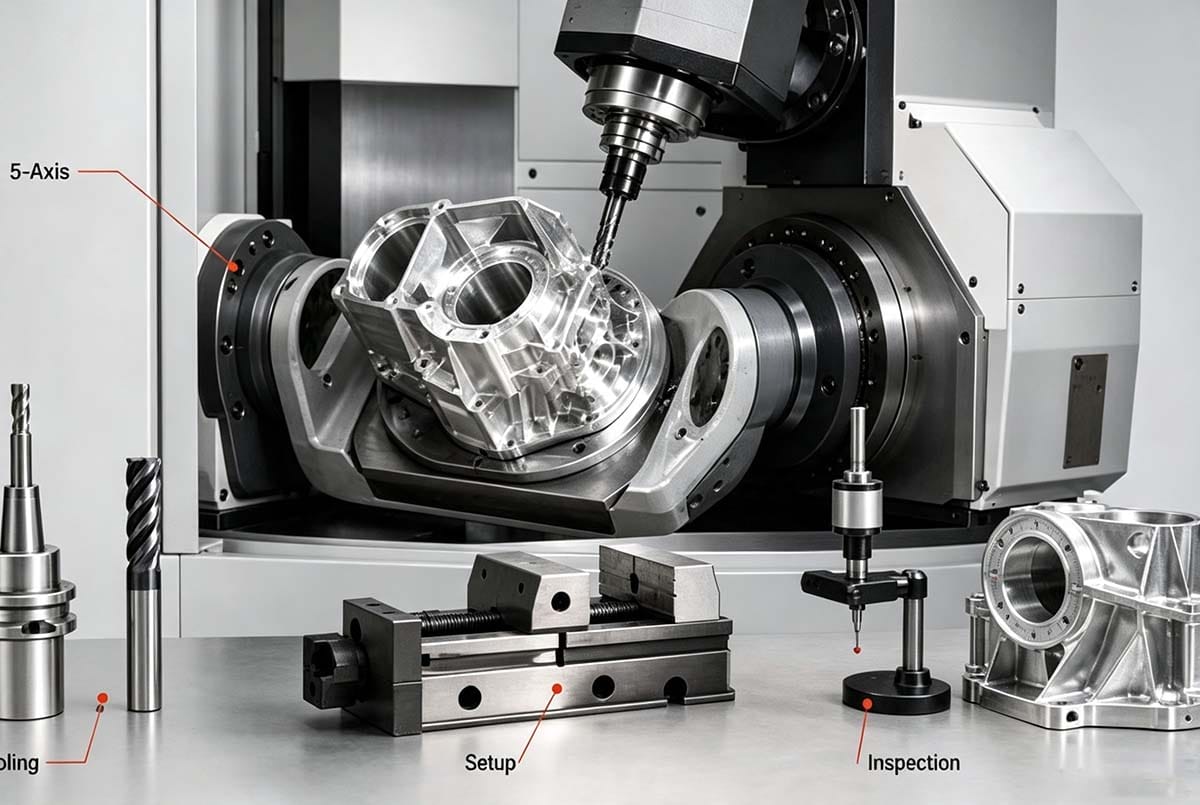
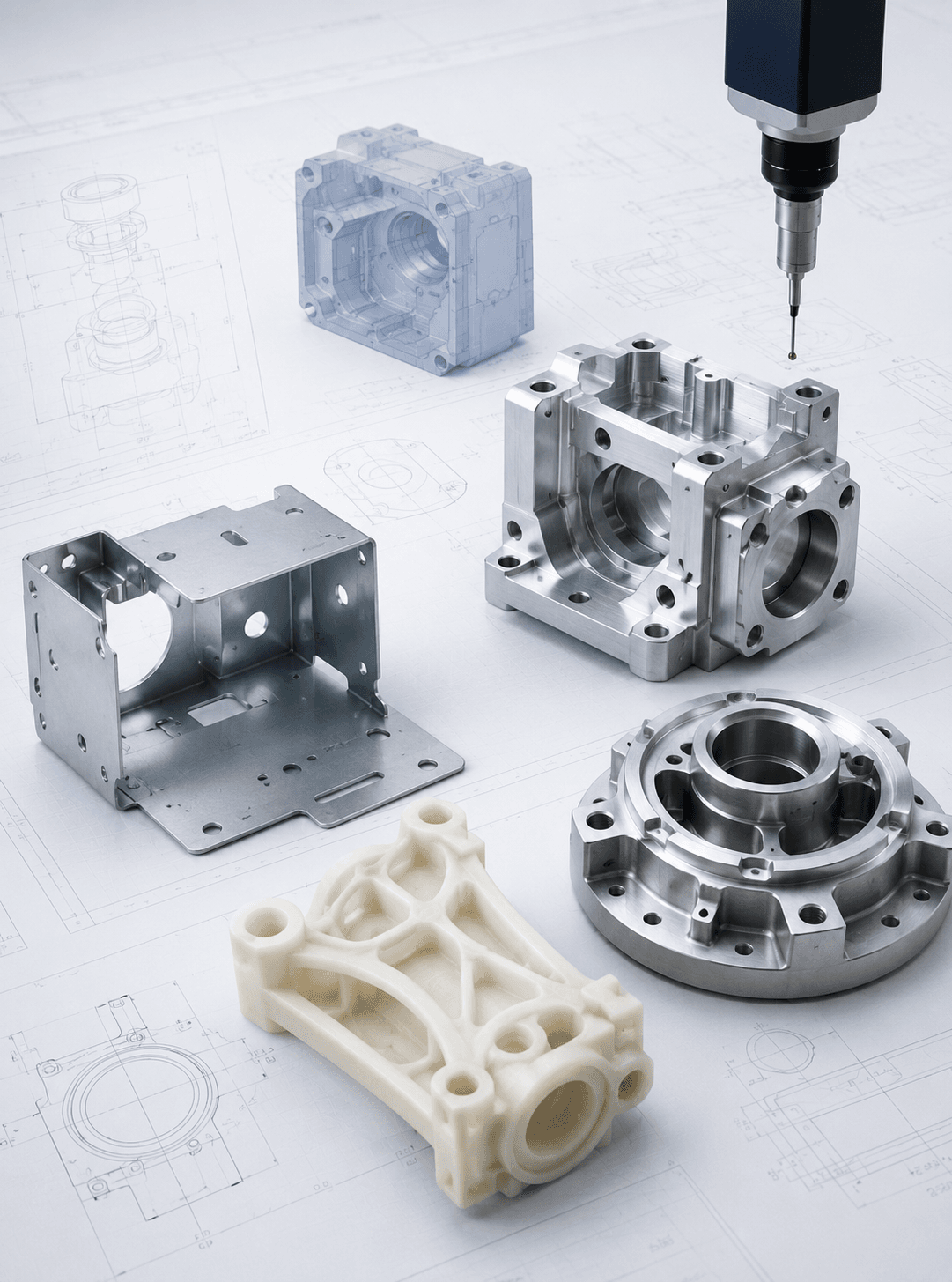
CNC machining — particularly 5-axis machining and Swiss-type turning — is uniquely capable of meeting all four requirements simultaneously. Learn more about the advantages of 5-Axis CNC Machining.
Key Medical Applications of CNC Machining
Orthopedic Implants
Knee and hip replacements, spinal cages, and trauma plates all require complex organic geometries machined from difficult materials like Ti-6Al-4V titanium and cobalt-chrome alloys. 5-axis machining enables the production of patient-specific implants from CT scan data, using single-setup strategies that preserve geometric integrity.
Surgical Instruments
From laparoscopic graspers to robotic surgery end-effectors, surgical instruments demand miniature features with razor-sharp edges and mirror finishes. Swiss-type CNC lathes excel here, capable of producing parts as small as 1 mm in diameter with sub-micron surface finishes.
Dental Components
Dental implants, abutments, and custom healing caps require thread forms and connection geometries that must interface perfectly with off-the-shelf components. CNC Swiss machining delivers the repeatability needed for these high-volume, high-precision parts.
Diagnostic Equipment
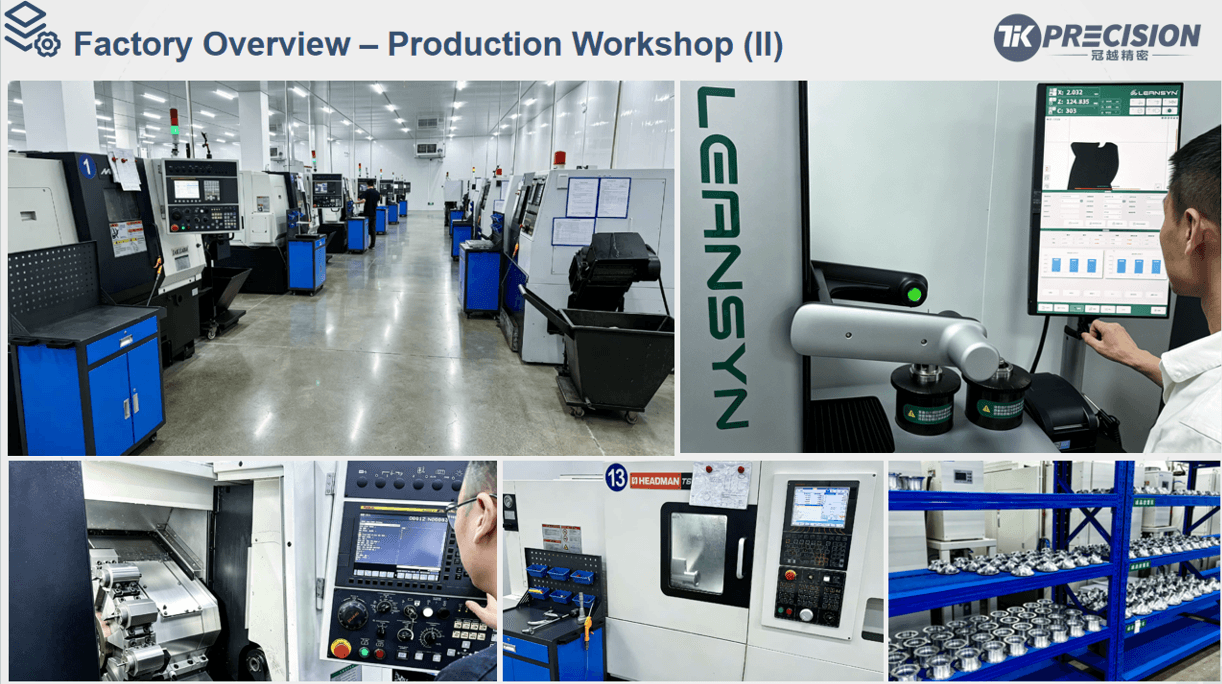
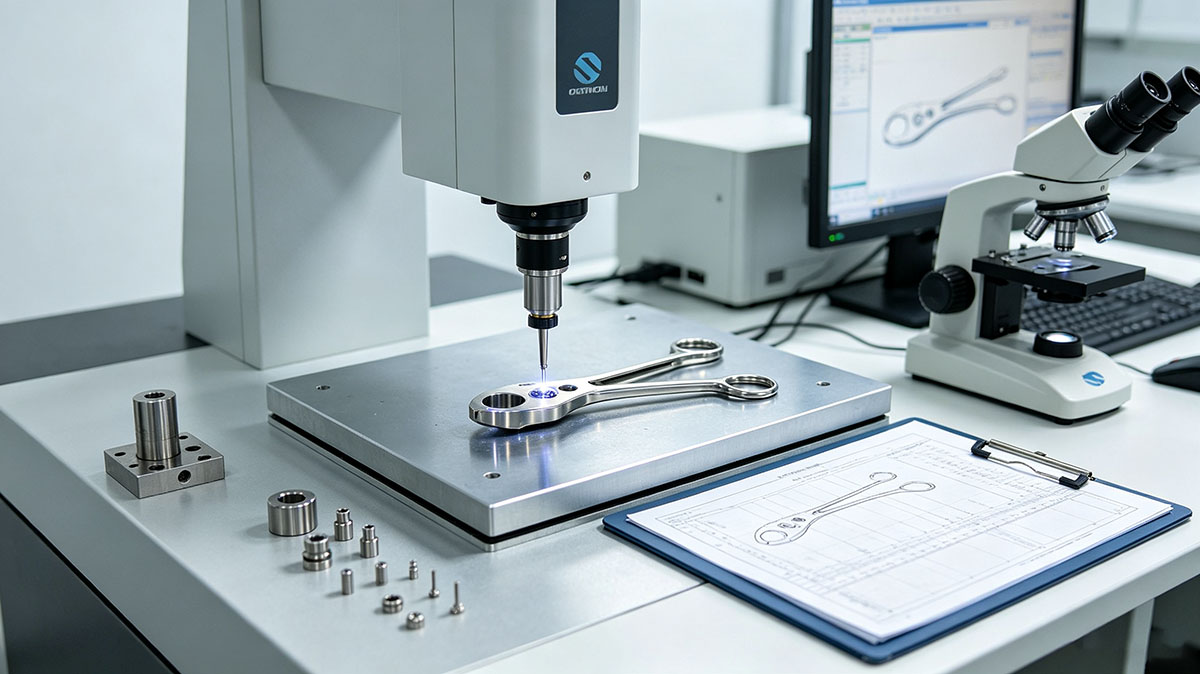
CT scanner components, MRI coil housings, and laboratory automation parts require large-format machining with tight flatness and parallelism specifications. Multi-axis machining centers with probing capabilities can verify critical dimensions in-process.
Materials That Define Medical Machining
The choice of material is as critical as the machining strategy. Common medical-grade materials include:
- Titanium (Ti-6Al-4V ELI): The gold standard for implants — high strength-to-weight ratio, excellent biocompatibility, and osseointegration properties. See our Titanium CNC Machining Guide for more technical details.
- Cobalt-Chrome (CoCr): Superior wear resistance for bearing surfaces in joint replacements.
- 316L Stainless Steel: Cost-effective for surgical instruments and temporary implants. Read about Stainless Steel Machining Solutions.
- PEEK: A high-performance polymer used in spinal implants — radiolucent, allowing post-operative imaging without artifact.
- Nitinol: A shape-memory alloy used in stents and guidewires — extremely challenging to machine.
The Role of Surface Finish in Medical Parts
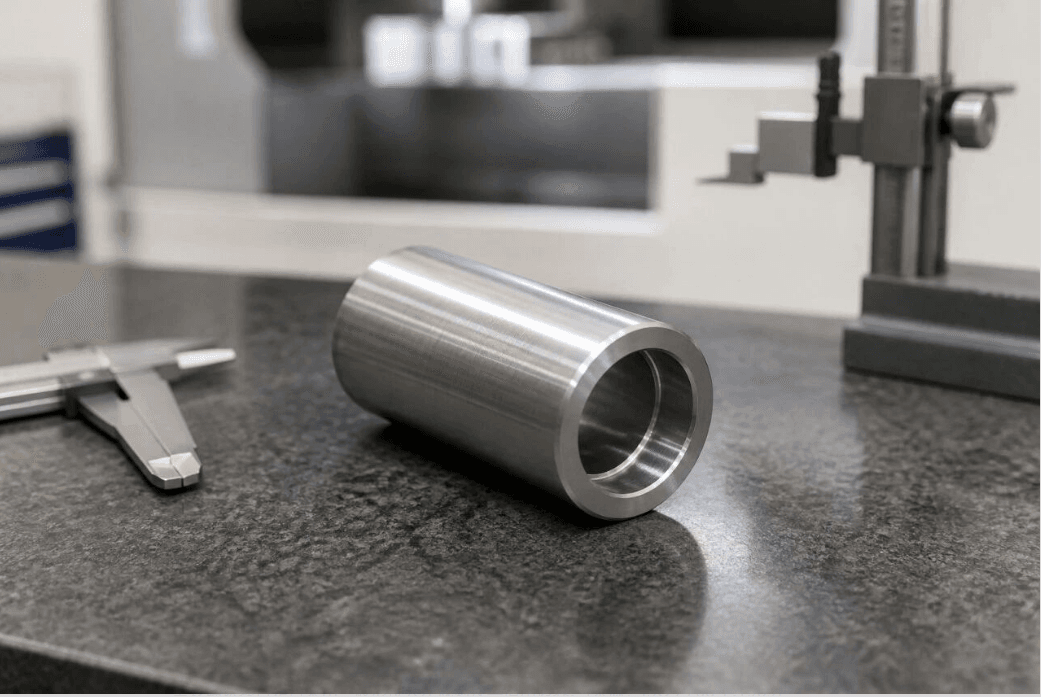
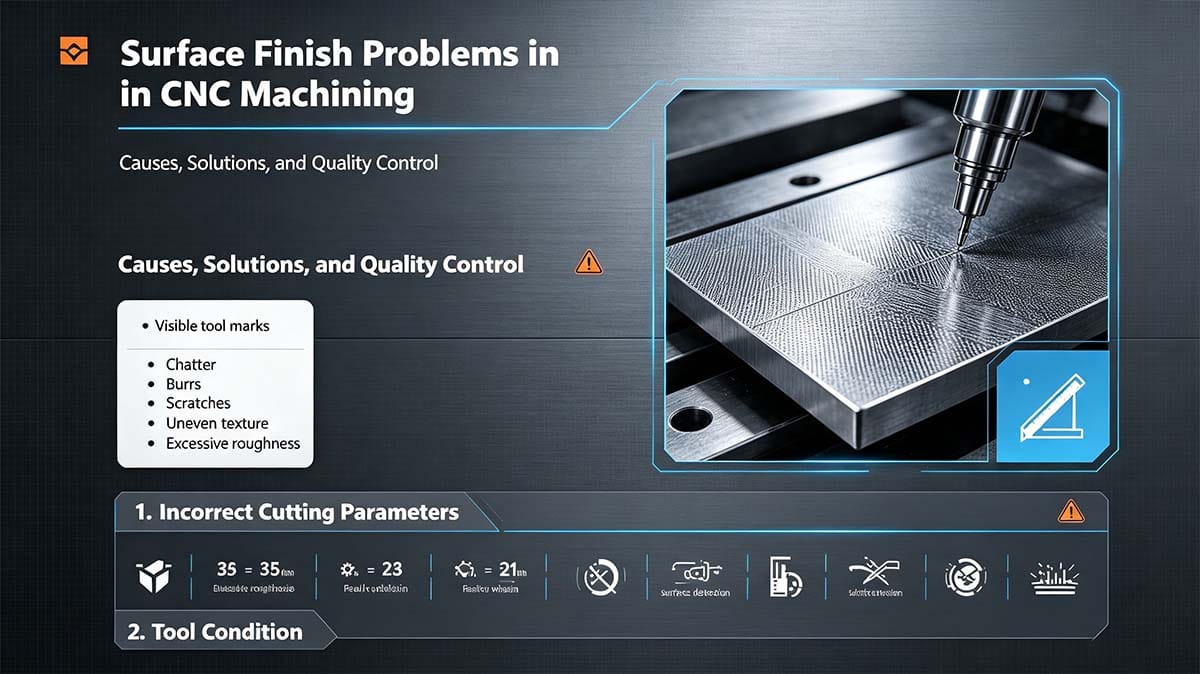
Surface finish is not merely cosmetic in medical applications — it is functional. Implant surfaces with controlled roughness promote bone cell adhesion. Conversely, surgical instrument surfaces polished to Ra ≤0.1 µm minimize bacterial adhesion. Explore our Complete Guide to Surface Finishes.
Quality Systems and Regulatory Compliance
Medical CNC machining requires more than just capable machines. A qualified supplier should demonstrate:
- ISO 13485 certification: The quality management standard specific to medical devices.
- FDA registration: For any supplier shipping components into the US medical market.
- Material certifications: Full traceability from mill to finished part.
- In-process inspection: Statistical process control (SPC) for all critical dimensions.
Partnering with the Right Manufacturer
Choosing a CNC machining partner for medical components is a decision that affects patient safety. Look for a manufacturer who can provide full DFM (Design for Manufacturability) feedback early in the design cycle. Check out our DFM Checklist for CNC Machining.
At Tik Precision, we work with medical device companies to manufacture complex custom components with tolerances down to ±0.002 mm. Contact our team to discuss your next medical machining project.