
1.Overview
The low cutting speed in TC4 (Ti-6Al-4V) machining is a process requirement, not an inefficiency. It is driven by the material’s poor thermal conductivity, high elasticity, and high strength, which concentrate cutting heat at the tool tip and accelerate tool wear. Increasing spindle speed and feed rate without proper control compromises surface finish, dimensional stability, and tool life.
Unlike aluminum alloys (which allow rapid material removal) or stainless steels (which have established parameter windows), TC4 requires a balanced approach among heat management, vibration control, and tool wear management. Components such as robot joint connectors, lightweight brackets, flanges, and load-bearing mounting seats made from TC4 typically involve longer processing cycles and higher costs.
2.Root Causes of Slow Machining
| Cause | Machining Behavior | Risk | Process Recommendation |
|---|---|---|---|
| Poor thermal conductivity | Heat concentrates at the tool tip | Tool burn-out, surface bluing, dimensional drift | Enhance coolant delivery; reduce excessive heat generation |
| High elasticity | Tool deflection and springback | Unstable bore diameter, wall thickness, and surface waviness | Control depth of cut; secondary finishing pass on critical features |
| High strength | High cutting forces | Edge chipping, chatter, reduced efficiency | Use appropriate coated tools and rigid fixturing |
| Built-up edge tendency | Chip adhesion to cutting edge | Surface scratching, increased burrs | Maintain chip evacuation; monitor tool life |
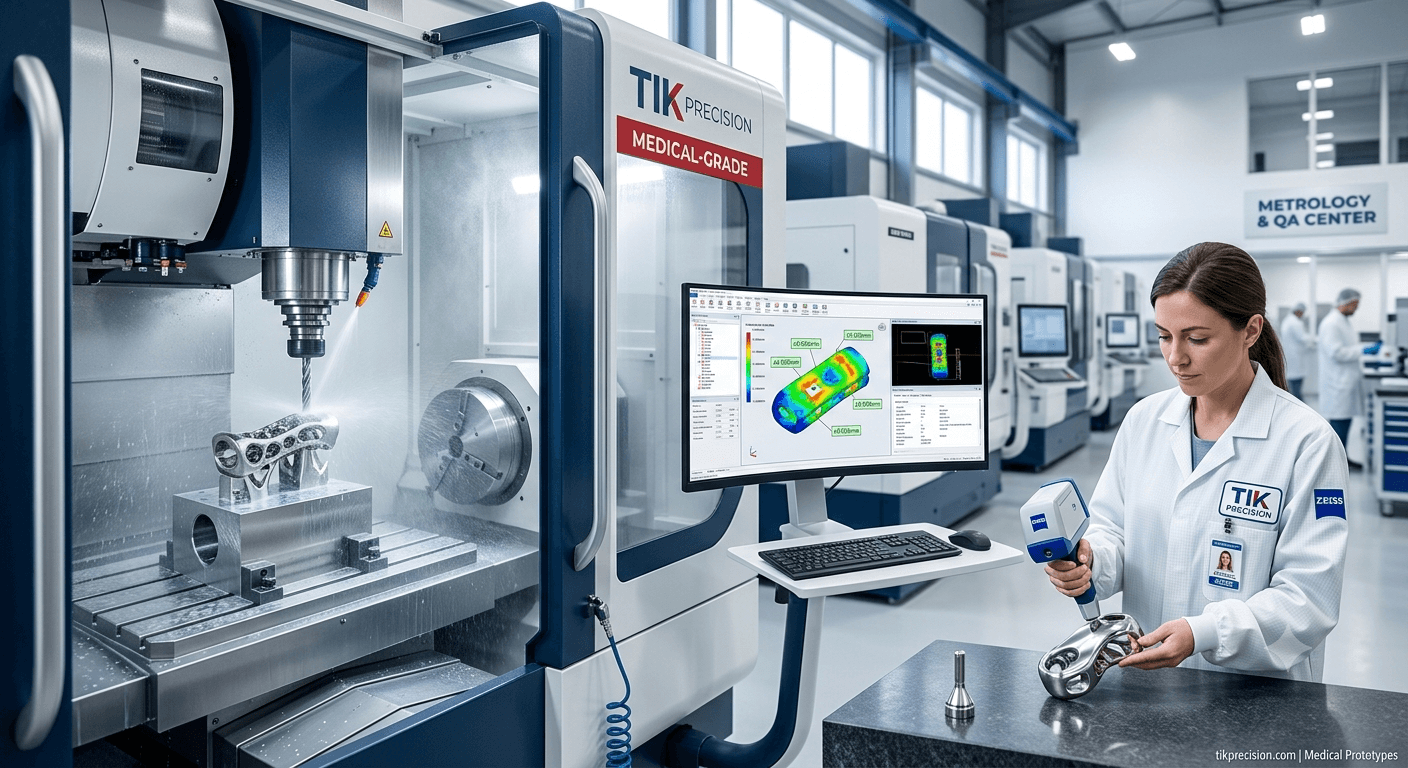
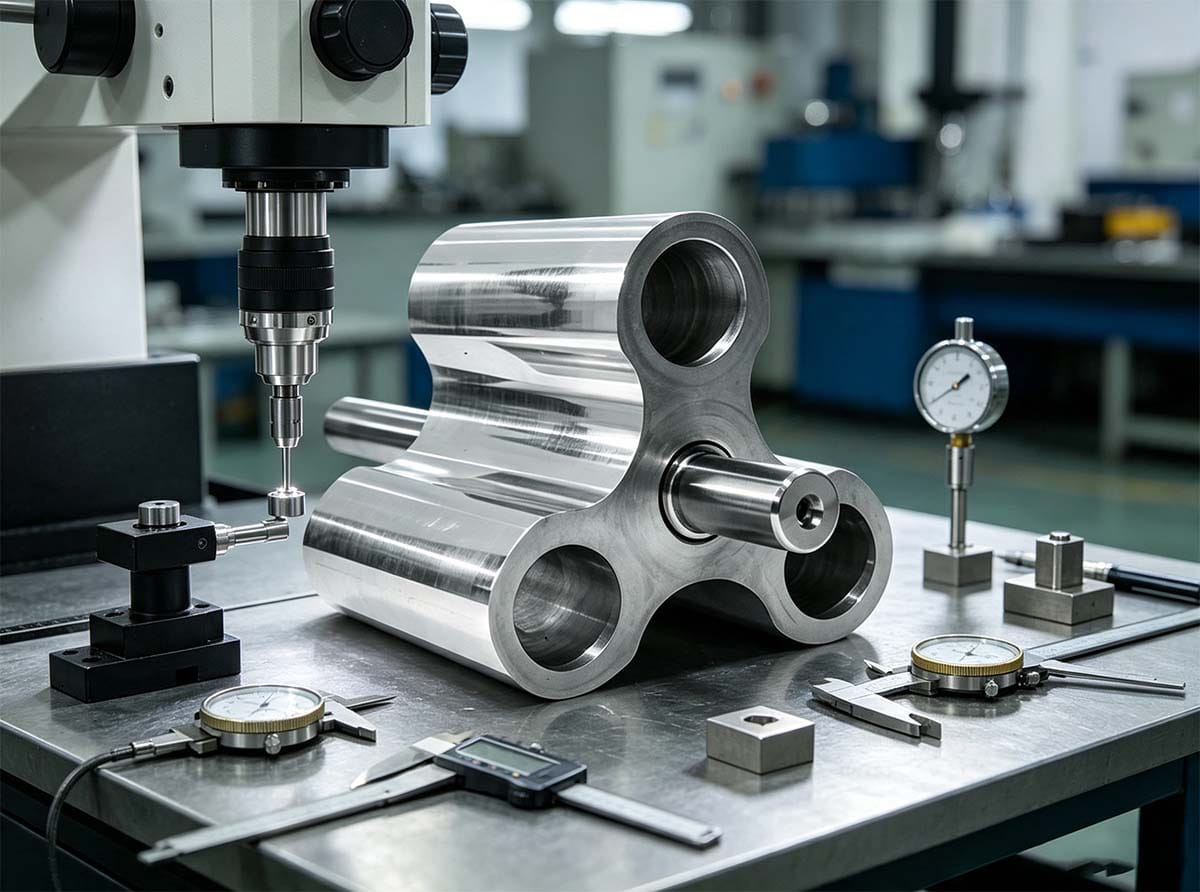
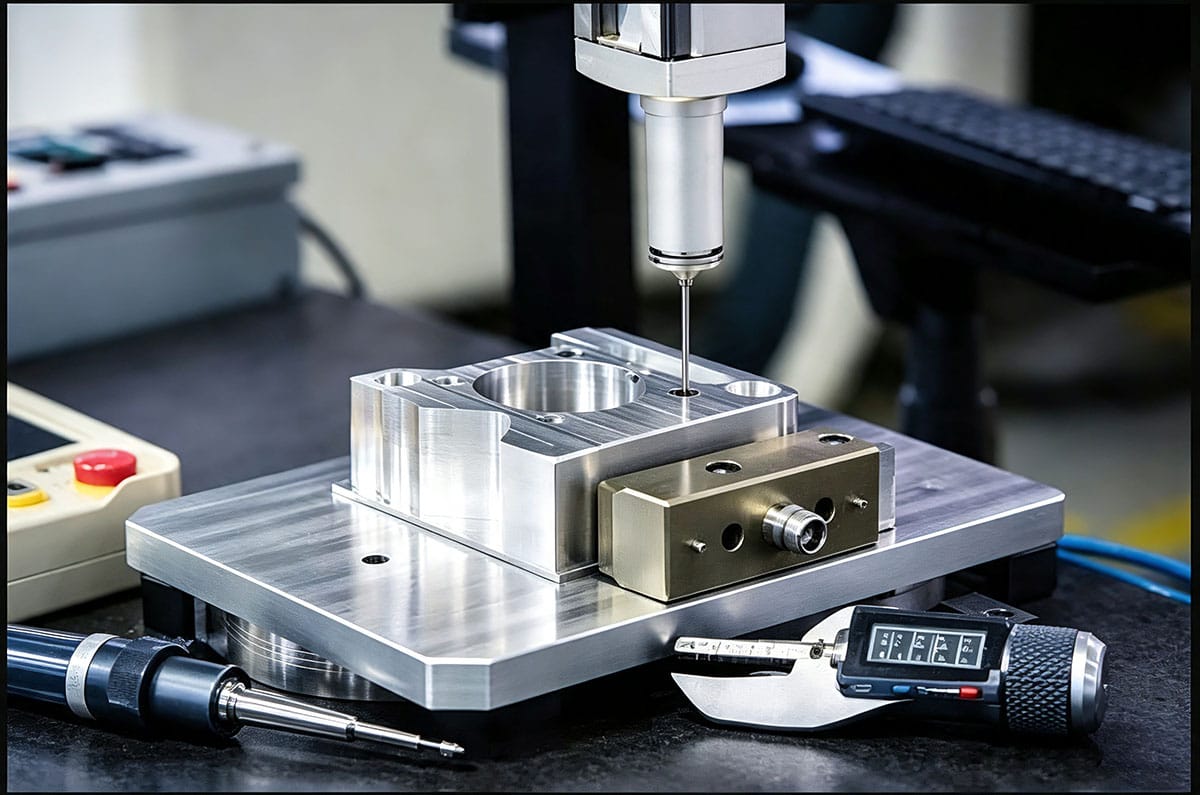
| High inspection requirements | Critical feature tolerance control | First-article pass but batch drift | CMM documentation of hole positions, end faces, and coaxiality |
This table shows that the slow machining speed of TC4 is not caused by a single parameter, but is jointly determined by material properties, tools, fixturing, cooling and inspection.
3.Thermal Management
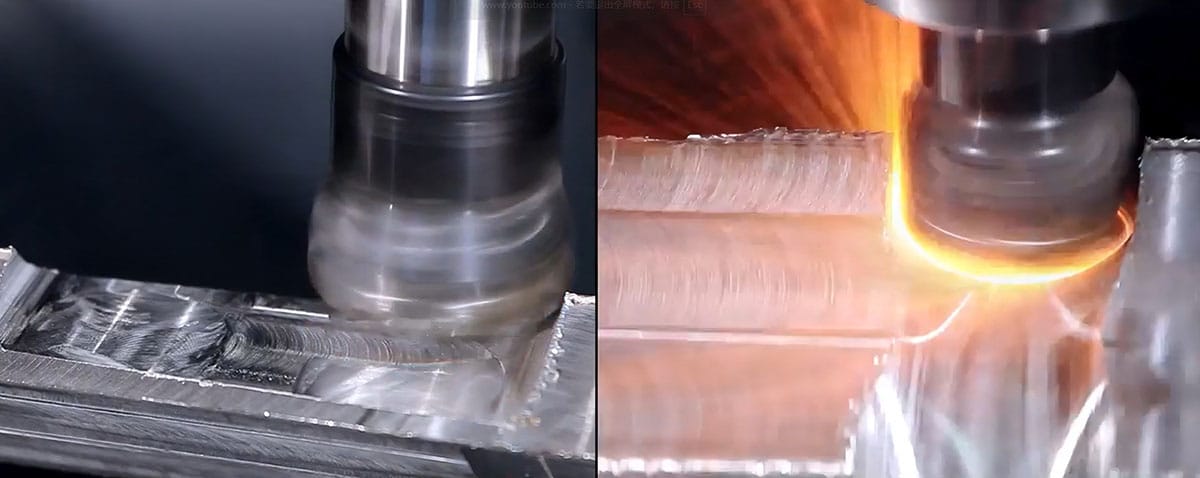
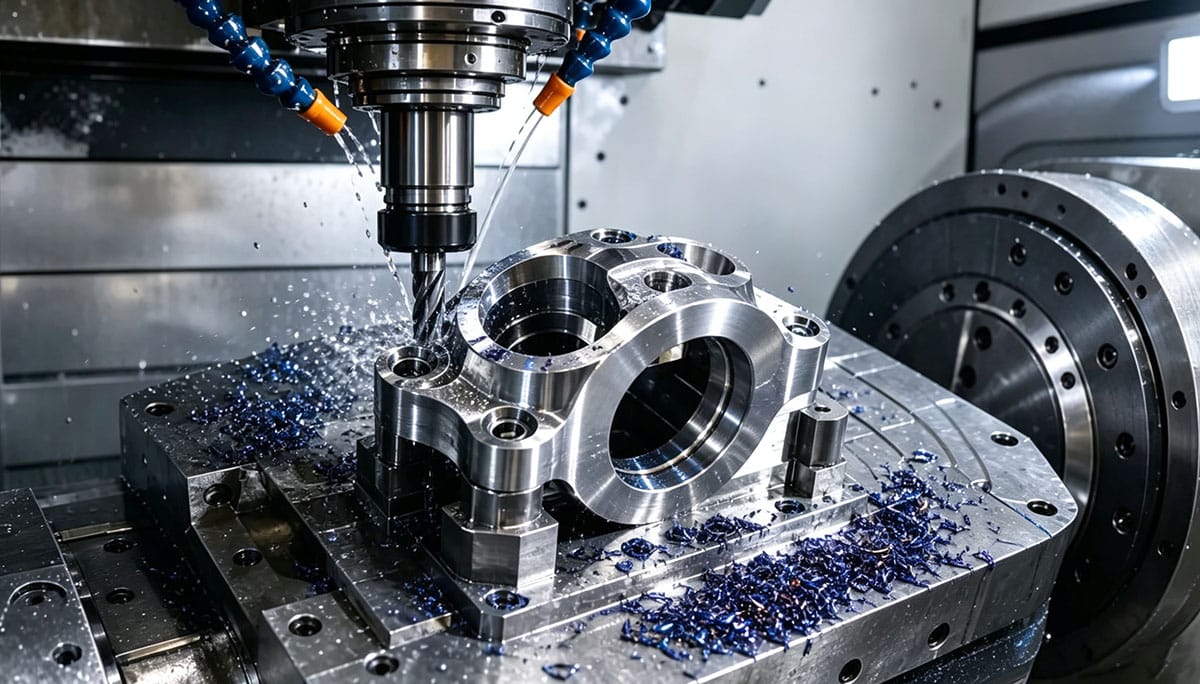
TC4 titanium alloy has poor thermal conductivity. During machining, heat is not easily dissipated through the workpiece and chips, but instead accumulates around the tool tip. As tool temperature rises, wear accelerates and surface quality tends to deteriorate.
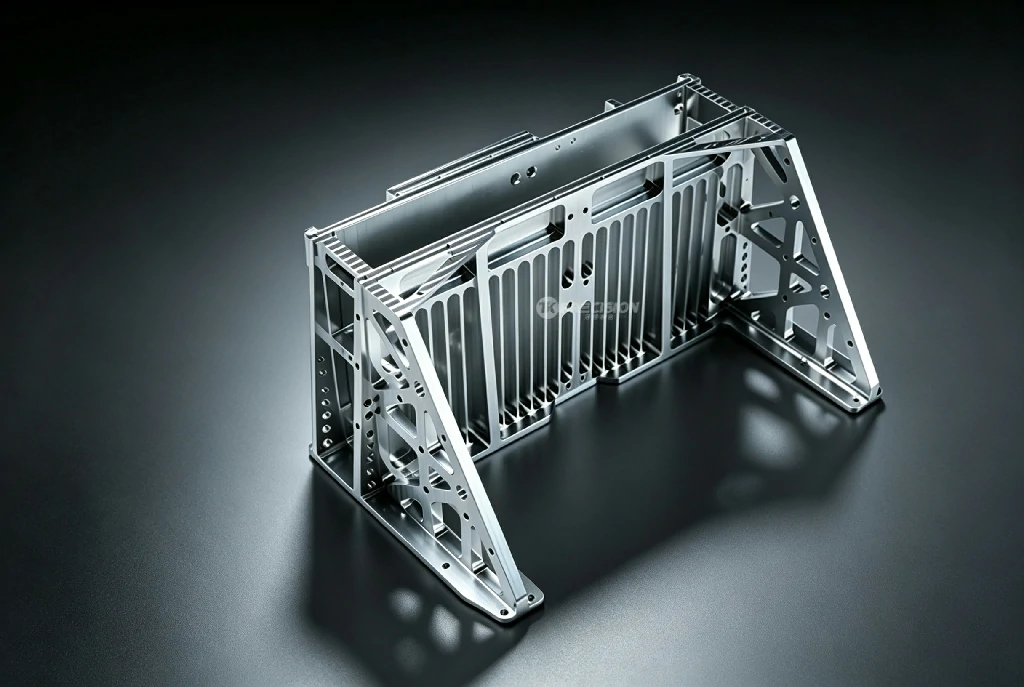
Figure 1: TC4 Titanium Alloy Robot Joint Connector
Pursuing high spindle speed and feed rate with the same logic as aluminum alloy machining may seem to improve efficiency in the short term, but in practice it can lead to problems such as sharp drop in tool life, dimensional drift of hole positions, and shiny or blued machined surfaces.
Therefore, TC4 machining often requires reduced parameters, combined with sufficient cooling and stable chip evacuation. Slower speed ensures cutting under controllable tool conditions.
4.Elasticity and Vibration Affect the Accuracy of Robot Joint Components
Titanium alloy parts for robots are commonly used as joint connectors, lightweight load-bearing brackets or special mounting seats, which typically require strict tolerances on hole positions, coaxiality, end face fit and position accuracy. Due to its high elasticity, TC4 is prone to tool deflection and springback during machining.
Thin-walled lightweight structures are particularly sensitive. Excessive cutting force may cause micro-deformation of the part in the fixture; once unclamped after machining, dimensions will shift. Simply increasing material removal will only exacerbate this problem.
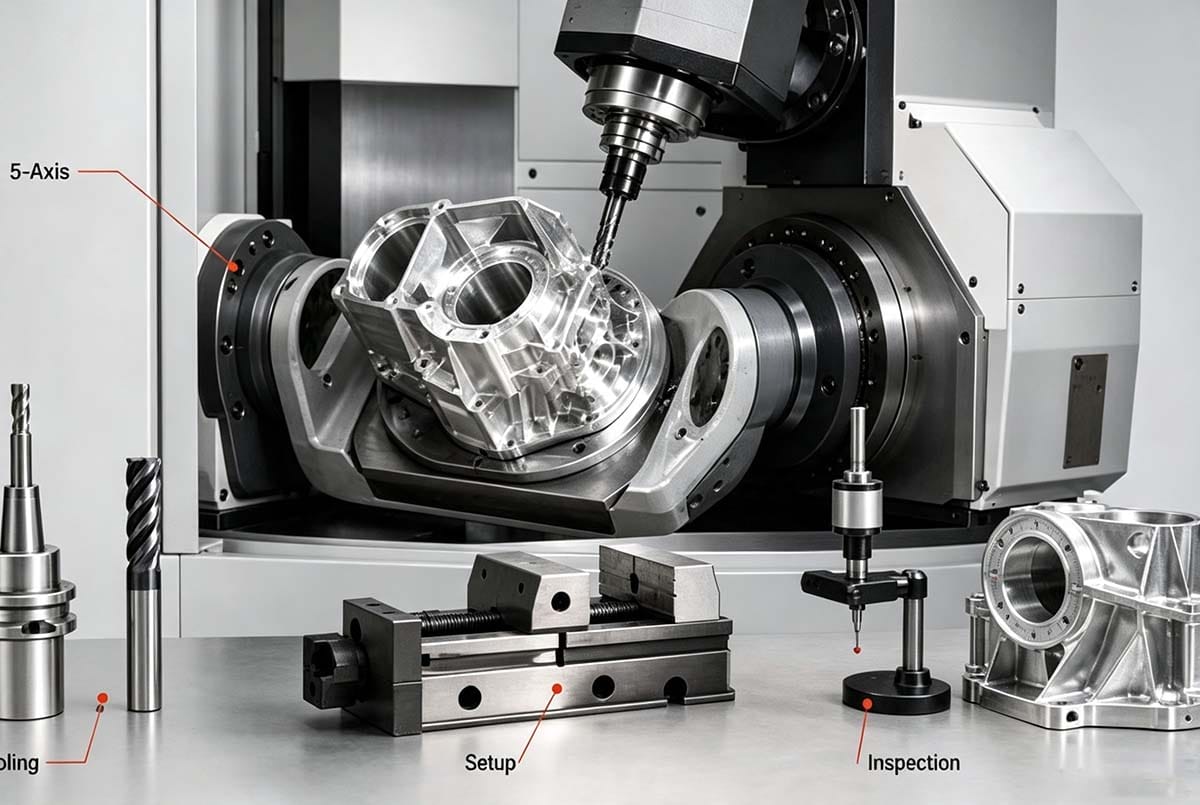
Tik Precision typically adopts separate roughing and finishing processes, maintains stable stock allowance, machines critical holes in the final stage, and uses 5-axis machining where necessary to reduce part flipping. During inspection, actual measured values of hole positions, end faces and assembly datums are recorded, instead of only checking individual dimensions.
5.Tool Life Determines the Actual Cost
In TC4 machining quotations, both tool cost and machine time are significantly higher than those of ordinary aluminum parts. Continued machining with worn tools will cause dimensional drift, surface scratches and more difficult burr removal.
Therefore, TC4 machining should not be judged solely by per-piece cutting time; tool life, tool change rhythm, first article verification and inspection time must also be considered. For small-batch robot parts, stabilizing parameters during the first article stage is more cost-effective than reworking during production.
In such projects, Tik Precision evaluates tools, fixtures, cooling and inspection as an integrated process, rather than only promising a theoretical machining accuracy.
6.Tik Precision Case Study: Slow Cutting Delivers Stable Assembly
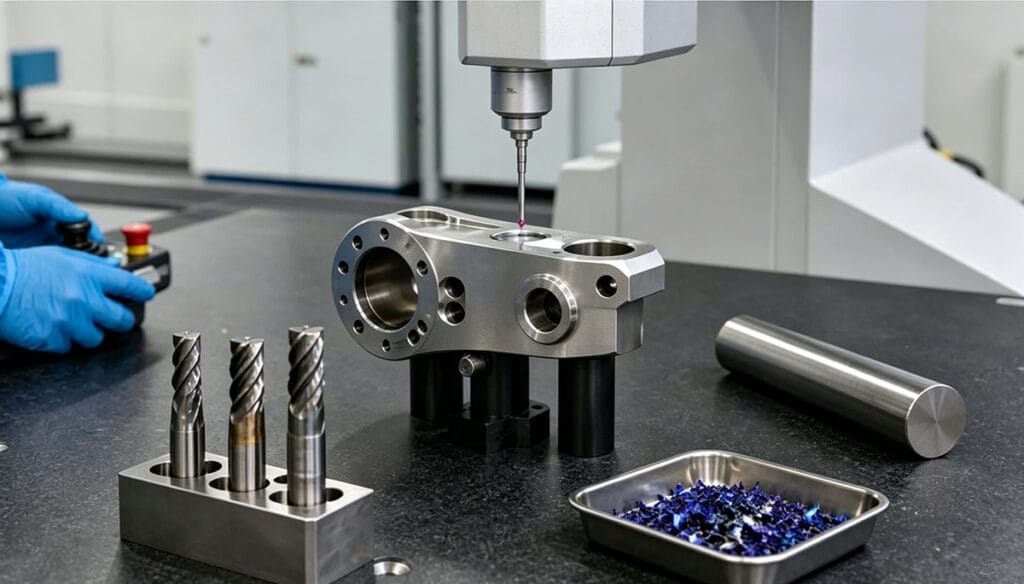
Figure 2: TC4 Titanium Alloy Robot Joint Connector
It is reported that when Tik Precision processed a certain type of TC4 robot joint connector, the client initially worried about the excessively long processing cycle. After explanation by the engineers, the process was divided into stages: roughing, semi-finishing, critical hole finishing, and CMM inspection.
Stable cutting parameters were applied to control tool wear and cooling conditions, critical holes were machined last, and end face fit, hole spacing and coaxiality were inspected. Although per-piece machining time is significantly longer than that of aluminum parts, the first article assembly is stable, and the small-batch yield has increased by approximately 30%.
This understanding of the logic behind slow titanium alloy cutting gives Tik Precision a strong competitive advantage in the supply chain of high-strength lightweight parts for robots.
7.Key Confirmations Before R&D and Procurement Orders
- Whether TC4 is truly mandatory for the part, or whether 7075 aluminum alloy or stainless steel can meet functional requirements.
- Mark critical holes, bearing seats, end faces and lightweight thin-walled areas separately.
- Whether suppliers are allowed to adjust fillets, wall thickness or process ribs based on titanium alloy characteristics.
- Whether CMM reports, first article reports and deburring requirements are needed.
- Lead time and cost should be evaluated based on titanium alloy processes; do not apply aluminum alloy prototyping expectations.
For robot R&D teams, partnering with suppliers that have TC4 machining experience, 5-axis machining capability, tool life control and closed-loop inspection capabilities can reduce the risks of titanium alloy prototyping. Tik Precision is well-suited for early involvement at the drawing stage.
8.Common Misconceptions
The first misconception is applying aluminum alloy machining speed requirements to TC4. The cutting logic of the two materials is completely different.
The second misconception is only focusing on material strength while ignoring machining costs. The advantages of TC4 should be matched with actual application scenarios.
The third misconception is sacrificing tool life and surface quality for speed. Once titanium alloy parts suffer from scratches or dimensional drift, rework costs are much higher.
9.FAQ
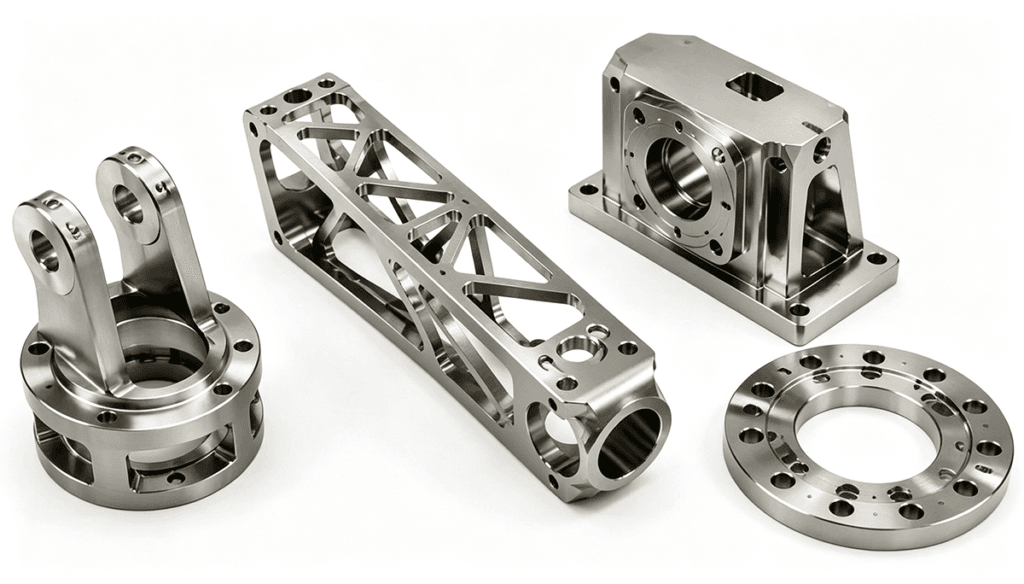
Figure 3: TC4 Titanium Alloy Robot Joint Connector
Because TC4 has poor thermal conductivity, high elasticity and high strength. Cutting heat concentrates on the tool tip, leading to rapid tool wear, so parameters cannot be blindly increased.
Not necessarily. TC4 is worth evaluating only when requirements such as high specific strength, corrosion resistance and lightweight are clearly defined.
The higher cost mainly comes from material, tool wear, machine time, cooling control, inspection and deburring.
Typically, separate roughing and finishing, stable fixturing, controlled cutting depth and cutting heat are required, with critical features machined and inspected last.
Yes. Tik Precision provides small-batch CNC machining of TC4 robot joint components, lightweight brackets, flanges and mounting seats.
10.Summary
The slow machining speed of TC4 titanium alloy robot parts is due to titanium alloy’s poor thermal conductivity, high elasticity, easy tool wear and concentrated cutting heat, which means spindle speed cannot be blindly increased. Slow speed is not low efficiency; it is to preserve tool life, dimensional accuracy and surface quality. Tik Precision is suitable for upfront process evaluation of small-batch high-precision titanium alloy parts.


.jpg)