
Evaluating a 5-axis CNC prototyping partner in China for medical devices is rarely about finding the absolute lowest piece price. For a Senior Mechanical Engineer or Medical Procurement Lead, an unvetted supplier means delayed clinical trials, FDA/CE documentation gaps, or worst—part failures due to micro-burrs and unseen residual stress in implantable/instrument components.
While thousands of machine shops claim “high-precision medical capabilities,” fewer than 5% possess the exact combination of multi-axis tooling technology, material traceability, and clean-process engineering required for medical prototyping.
Here is the pragmatic, engineering-driven framework used by tier-1 medical OEMs to evaluate 5-axis CNC suppliers in China.
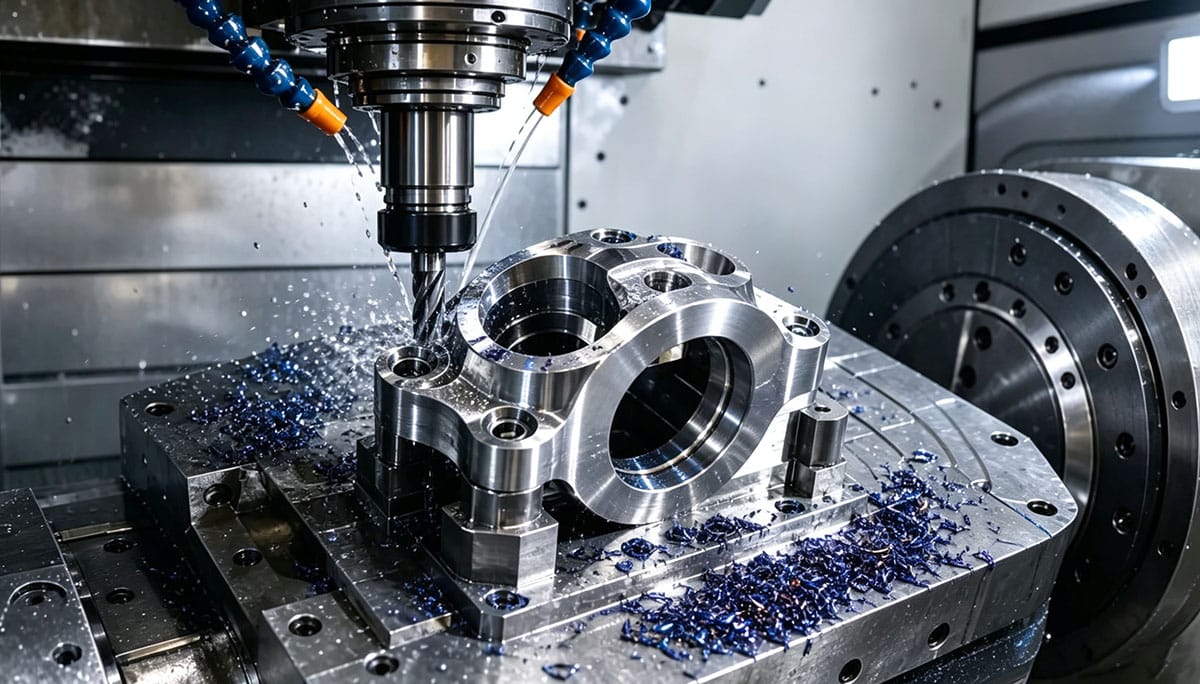
Many general precision shops run standard 3+2 positioning mills and brand them as “5-axis.” For complex surgical handles, bone plates, or semiconductor-level diagnostic fluidic blocks, continuous 5-axis simultaneous machining is mandatory.
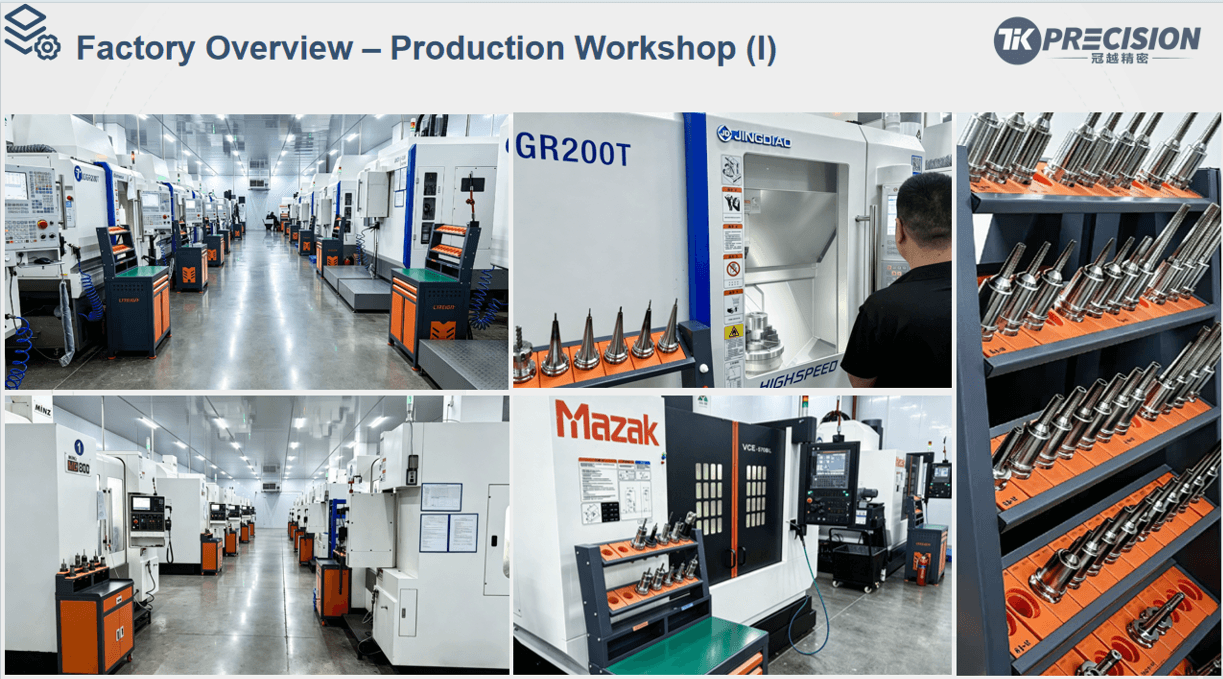
When reviewing a Chinese vendor’s machine list, look beyond machine quantity and inspect their technical thresholds:
- Thermal Drift & Kinematic Calibration: Medical metals like Titanium (Ti-6Al-4V ELI) and Stainless Steel (17-4 PH / 316L) have high thermal reactivity. Top-tier suppliers use 5-axis centers equipped with direct scale feedback (e.g., Heidenhain encoders) and automated kinematic calibration probes (like Renishaw AxiSet) to track spindle center point errors dynamically.
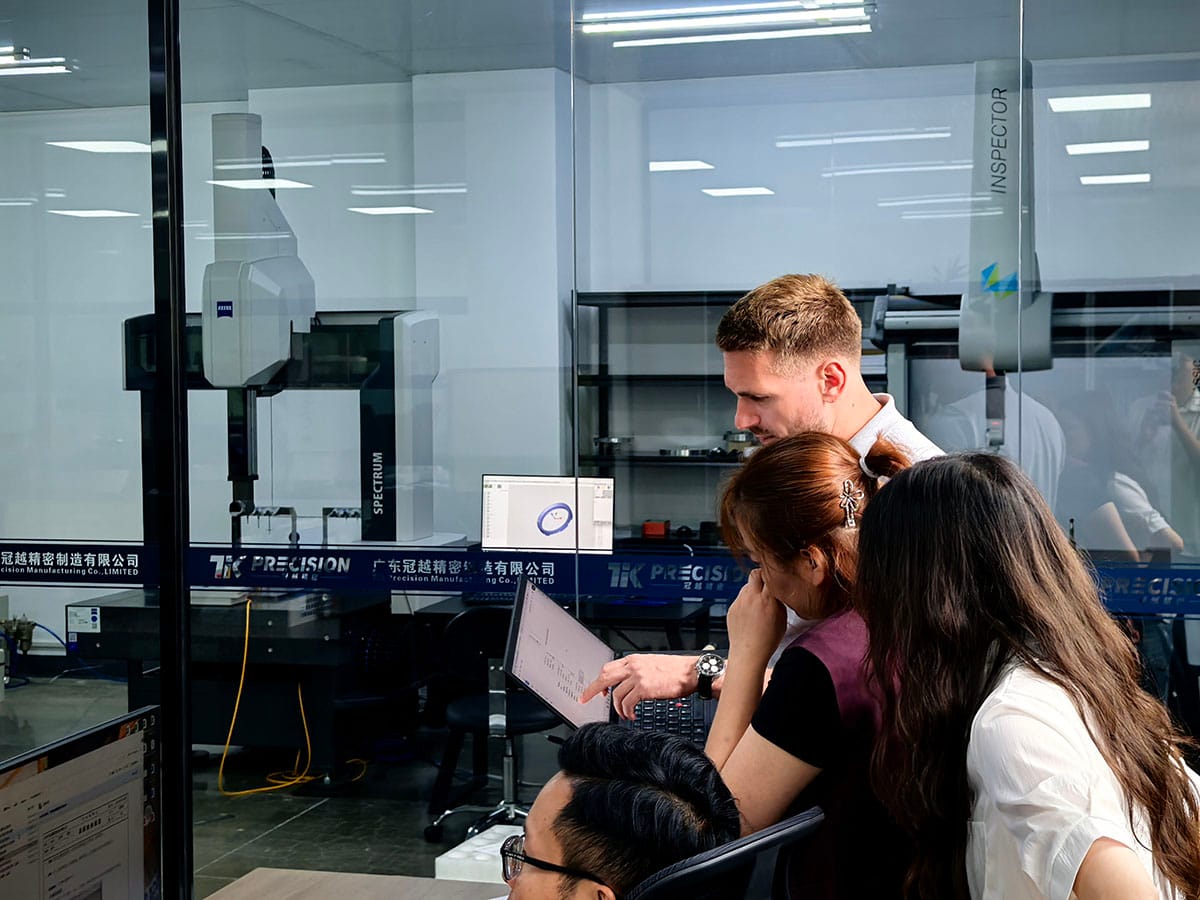
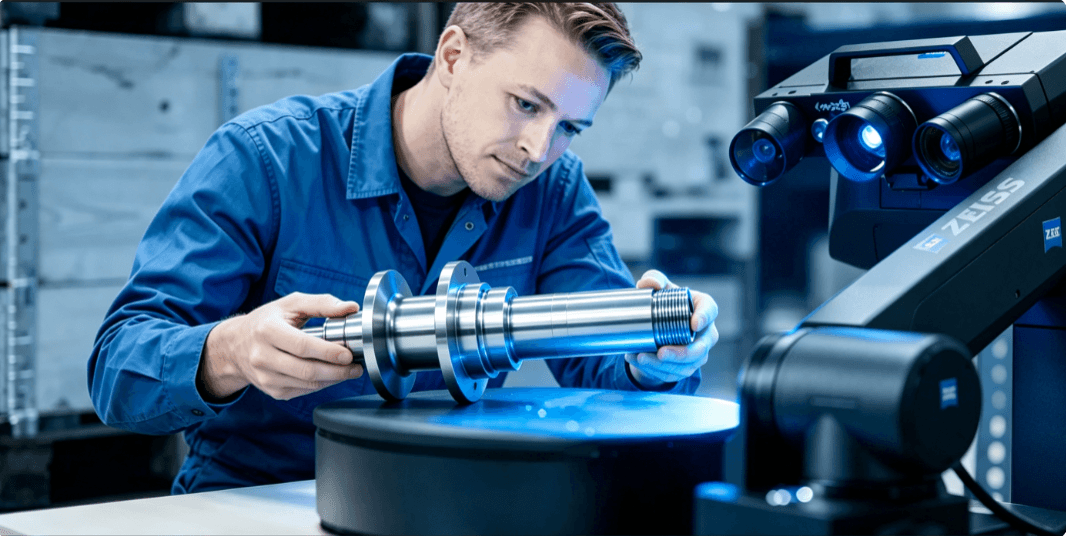
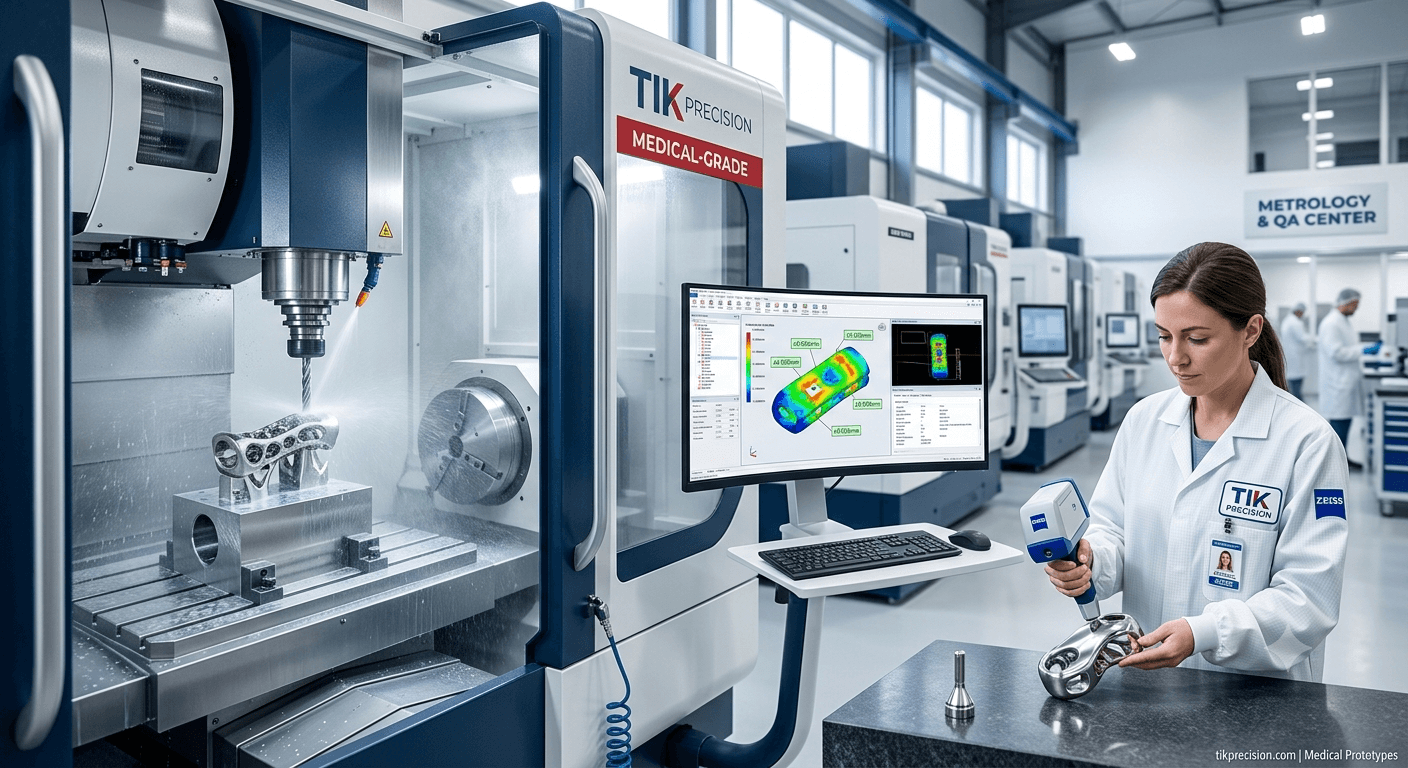
- CMM Metrology Alignment: Asking for a “±0.005 mm tolerance” drawing callout is meaningless if the supplier’s CMM (Coordinate Measuring Machine) operates in an unconditioned environment. Verify that they use temperature-controlled metrology labs ($20^\circ\text{C} \pm 0.5^\circ\text{C}$) with Zeiss or Hexagon CMMs equipped with continuous scanning probes for organic freeform surfaces.
+-----------------------------------------------------------------------------------+
|               5-Axis Prototype Vendor Screening Checklist                         |
+------------------------------------------------------+----------------------------+
| Technical Metric                                     | Medical Minimum Standard   |
+------------------------------------------------------+----------------------------+
| Simultaneous 5-Axis Capabilities                     | Yes (Not just 3+2)         |
| Sub-Surface Thermal Damage Control                   | High-pressure coolant/MQL  |
| CMM Environmental Temperature                        | 20°C ± 0.5°C Controlled    |
| Raw Material Traceability                            | Mill Test Certs (MTC) 3.1  |
+------------------------------------------------------+----------------------------+
2. Advanced DFM for Medical Geometries: Catching Risks Before Spindles Spin
A reliable medical CNC partner doesn’t just execute STEP files blindly—they perform Design for Manufacturability (DFM) reviews that highlight hidden manufacturing risks.
When submitting early-stage medical prototypes, a high-value 5-axis machining partner will flag:
- Tool Reach & L/D Ratios: Deep internal cavities in endoscopic housings or manifold blocks often push aspect ratios beyond $5\times\text{D}$. Expert vendors will propose subtle radius adjustments or multi-axis tool pathing strategies to eliminate tool chatter and deflection.
- Burr Formation in Micro-Features: For surgical instruments with intersecting micro-holes, standard deburring methods can compromise sharp cutting edges or leave loose debris. Quality suppliers utilize custom micro-endmills, thermal deburring, or specialized electrochemical polishing (ECP) processes.
- Stress Relief in Exotic Plastics: Machining radiopaque PEEK or UHMWPE for temporary implants often causes warping due to built-in stress. Skilled 5-axis shops implement multi-stage stress-relief annealing cycles between roughing and finishing passes.
3. Medical Compliance Beyond ISO 9001: Traceability & Contamination Control
In medical prototype development, the physical part is only half of the deliverable—the other half is verification and traceability.
Standard job shops often introduce cross-contamination by running medical Titanium parts on the same coolants used for cast iron or leaded brass. When auditing Chinese suppliers, confirm these critical procedural controls:
- Dedicated Coolant & Fluid Control: Cutting fluids must be free of sulfur, silicone, and chlorine compounds that could leach into biocompatible polymers or cause stress-corrosion cracking in Titanium.
- Material Certification (MTC): Ensure every batch of PEEK, CoCr, Titanium, or 316L VM includes heat-number-matched Mill Test Certificates confirming compliance with ASTM standards (e.g., ASTM F136 for Ti-6Al-4V ELI).
- Clean Cleaning & Packaging: Post-machining ultrasonic cleaning with deionized water, followed by sealed PE vacuum packaging, prevents shop-floor oils from bonding to part surfaces prior to sterilization validation.
4. Red Flags: When to Walk Away from a Medical CNC Quote
During the RFQ (Request for Quote) phase, pay attention to these common red flags:
- Unrealistically Fast Lead Times without DFM Feedback: A vendor promising 2-day delivery on a complex 5-axis Titanium surgical component without asking about grain direction, surface roughness ($\text{Ra}$), or inspection datum targets is likely taking shortcuts on stress relief or CMM inspection.
- No Serialized Inspection Data: Medical prototypes require First Article Inspection (FAI) reports with full dimensional callouts linked to specific serialized parts.
- Refusal to Sign Non-Disclosure Agreements (NDAs): Intellectual Property (IP) security is paramount in medical device R&D. Avoid shops that hesitate to sign comprehensive IP protection agreements prior to CAD file exchange.
Partnering with Tik Precision for Medical Prototypes
At Tik Precision, we specialize in bridging the gap between high-complexity engineering designs and production-ready medical components. Equipped with state-of-the-art 5-axis machining centers, in-house metrology, and strict material control protocols, our engineering team acts as an extension of your R&D department.
- Tight Tolerance Capability: Down to $\pm0.002\text{ mm}$ for critical features.
- Material Versatility: Certified Titanium, PEEK, Stainless Steel (17-4PH, 316L), Cobalt-Chrome, and specialized engineering plastics.
- Complete Transparency: Full DFM feedback within 24 hours, complemented by MTCs, CMM reports, and full traceability.
Have a complex medical prototype in development?
Upload your CAD files today for a confidential engineering review and interactive DFM analysis.