
Delivery delays are among the most common sources of dispute in precision parts procurement — but many delays don’t actually happen during “machining” itself. They hide in the handoffs between upstream and downstream steps. This article breaks down the full lifecycle of a CNC order to help procurement teams plan schedules more precisely and anticipate risk.
1. What a Real Order Timeline Actually Looks Like
For a medium-complexity metal structural part, a typical full cycle includes:
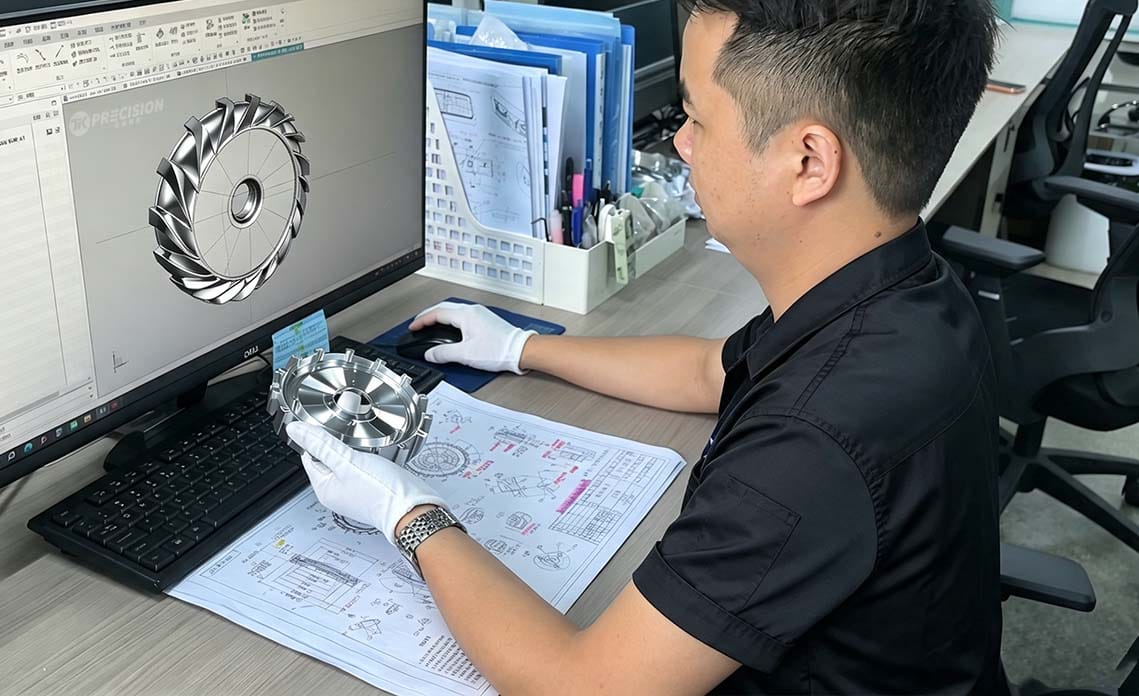
- Drawing review and DFM feedback: 1-2 days (complex parts may require multiple rounds)
- Quote and order confirmation: 1-3 days
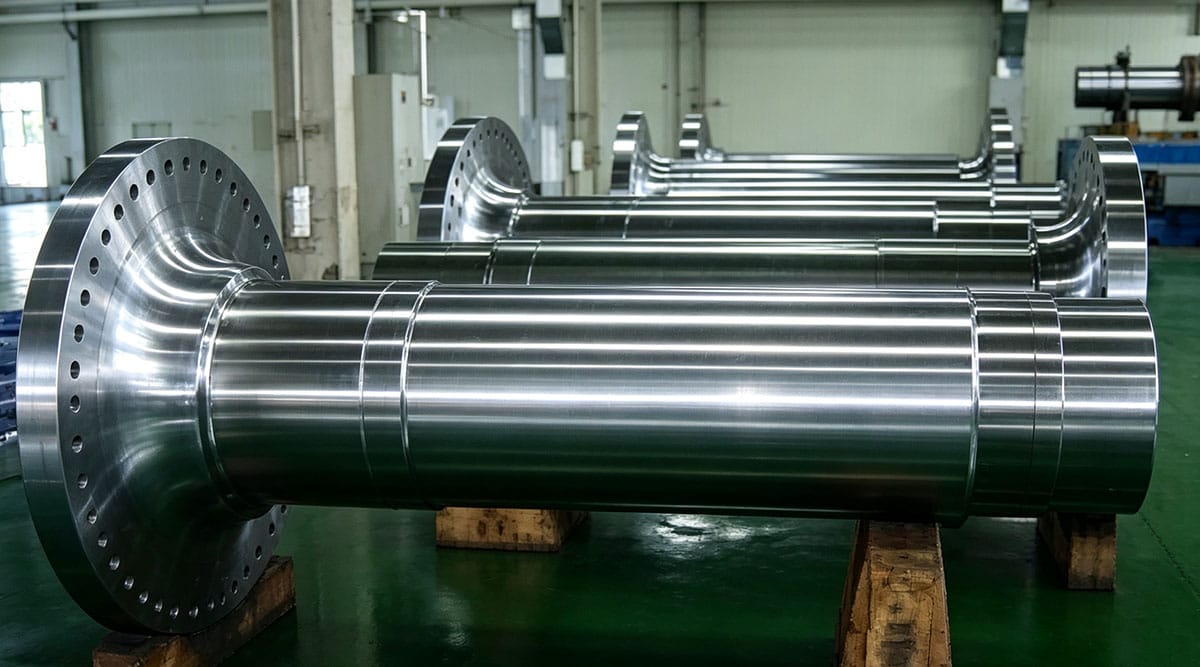
- Material procurement: 1-2 days for standard stock materials; 1-3 weeks for specialty materials or large-format bar stock
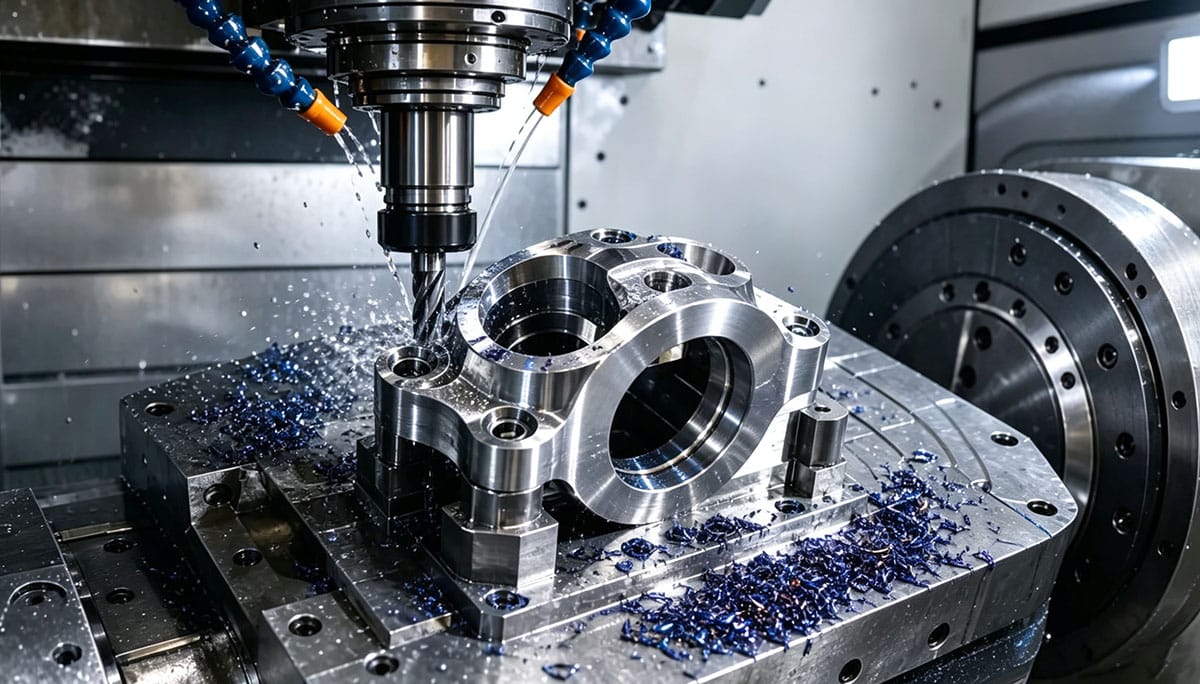
- Programming and first article machining: 2-5 days
- First article inspection and approval: 1-3 days (longer if on-site or remote re-verification is required)
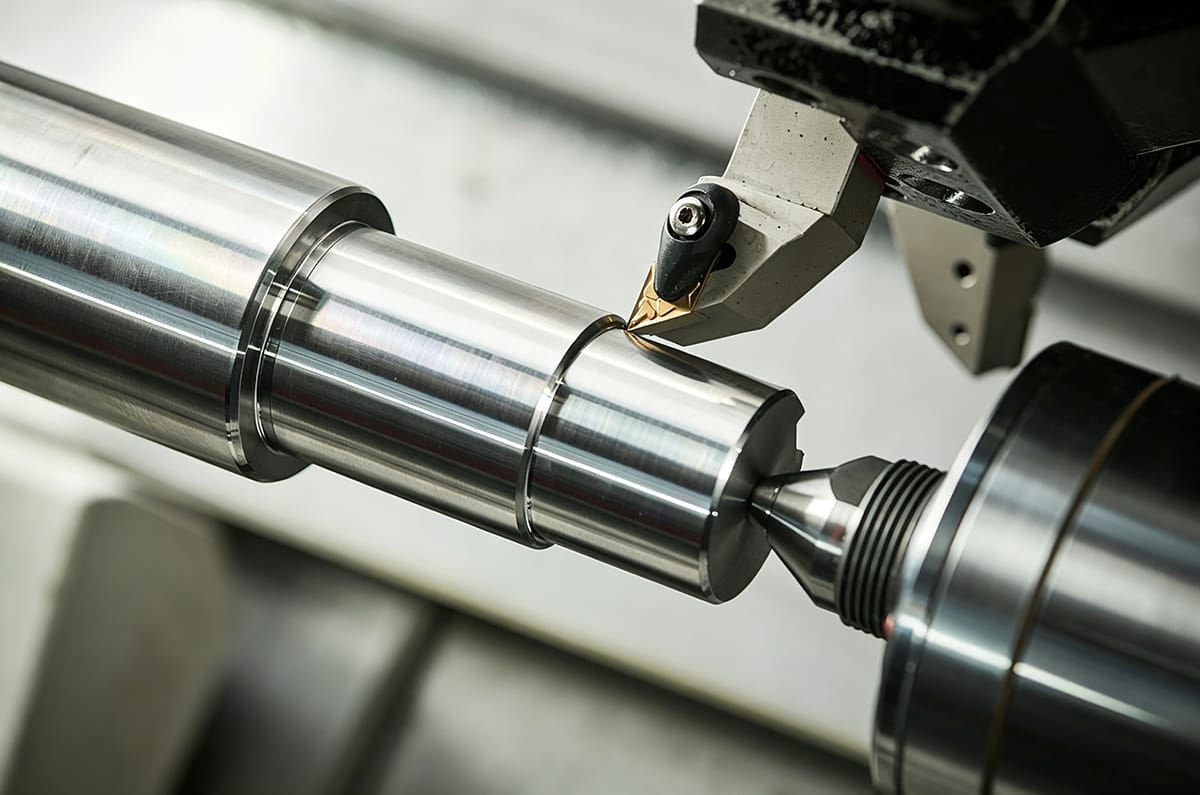
- Volume machining: Varies with quantity and operation complexity, typically 2-10 days per hundred units
- Surface finishing (outsourced): 3-7 days
- Final inspection and packaging/shipping: 1-2 days
Material procurement and outsourced surface finishing are often underestimated but together can account for 30-40% of total lead time.
2. Key Variables Affecting Lead Time
Material Availability
Specialty-size bar stock (large-diameter 7075 aluminum, titanium plate, etc.) is often not stocked and requires additional procurement lead time. Confirm the availability of key materials with your supplier at project kickoff — not just at the quoting stage.
Design Changes
A drawing revision mid-machining typically means invested labor and material are scrapped, requiring re-scheduling. Lock the design before placing the order, and manage subsequent changes through a stricter change-control process.
Capacity Fluctuation
Supplier capacity utilization varies seasonally — year-end and early-year periods are typically peak scheduling windows in the machining industry, when lead times can extend 20-50% beyond normal. Understand your supplier’s capacity calendar ahead of peak season and build in buffer time.
Outsourced Surface Finishing
Most CNC shops don’t operate anodizing or plating lines in-house and rely on outsourced partners. This step is prone to communication gaps and logistics loss, particularly risky for lead-time-sensitive projects.
3. Optimization Strategies for Procurement Teams
1. Establish Tiered Urgency in Order Placement
Not every part needs the fastest possible lead time. Separating non-urgent from urgent parts gives suppliers more reasonable scheduling room and prevents genuinely urgent orders from being diluted by “false urgency” labeling.
2. Lock in Long-Lead Materials Early
For materials known to be needed, consider negotiating advance stocking or a framework purchasing agreement with your supplier to shorten per-order material wait time.
3. Standardize First Article Approval Workflow
Clearly agree upfront on how first article approval will happen — video confirmation, courier sample review, or mandatory on-site verification — to avoid delays from ambiguous confirmation methods.
4. Parallelize Surface Finishing
For volume orders requiring multiple surface treatments, coordinate with the supplier to send completed batches to finishing incrementally, rather than waiting for the entire batch to finish machining before outsourcing all at once. This compresses total cycle time.
5. Build an Early-Warning Mechanism
Require the supplier to proactively update progress at key milestones (material arrival, first article completion, halfway point in the batch) rather than only surfacing issues near the delivery date, giving both sides room to respond to problems early.
4. Recommended Communication Template
Clearly agreeing on the following at order placement significantly reduces lead time disputes:
- Milestone dates for each stage (not just the final delivery date)
- Confirmation method and timing for material arrival
- Feedback turnaround time for first article inspection (e.g., “response within 48 hours of receiving samples”)
- Notification and escalation process for exceptions
Effective lead time management isn’t about aggressively compressing machining time — it’s about breaking the process down clearly and synchronizing information early, so potential delays get identified and addressed well before they become a surprise on delivery day.