
Precision CNC Machining for Aircraft Engine Casings and Housings | International Aerospace Solutions

Picture of Kenny Gan
Kenny Gan
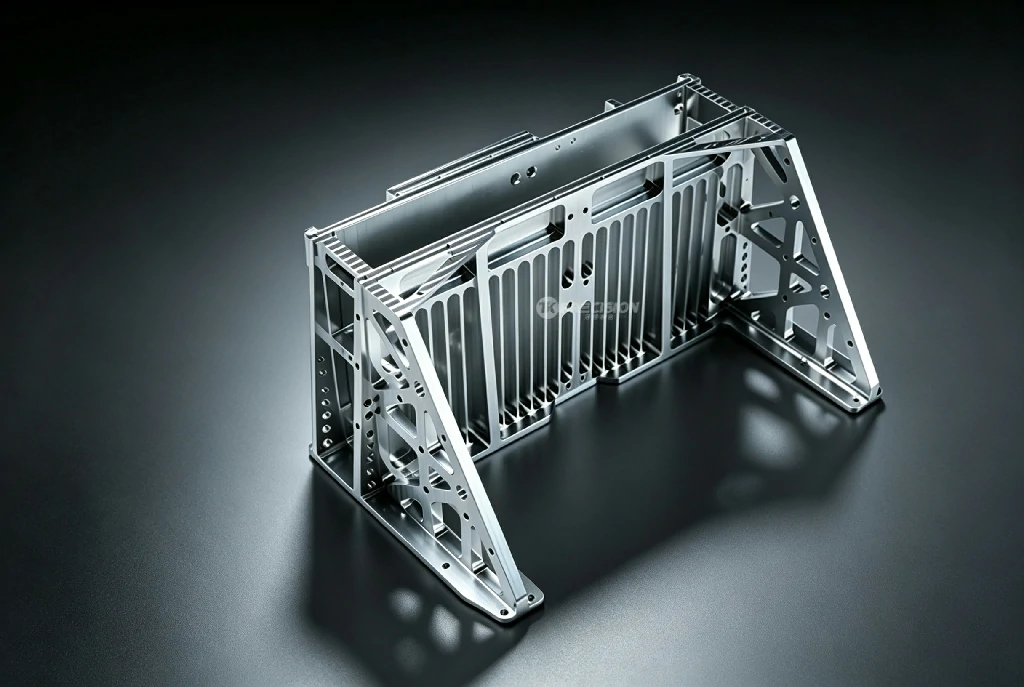
5 Axis CNC Machined Lightweight Aluminum Aerospace Frame
Share

Table of Contents

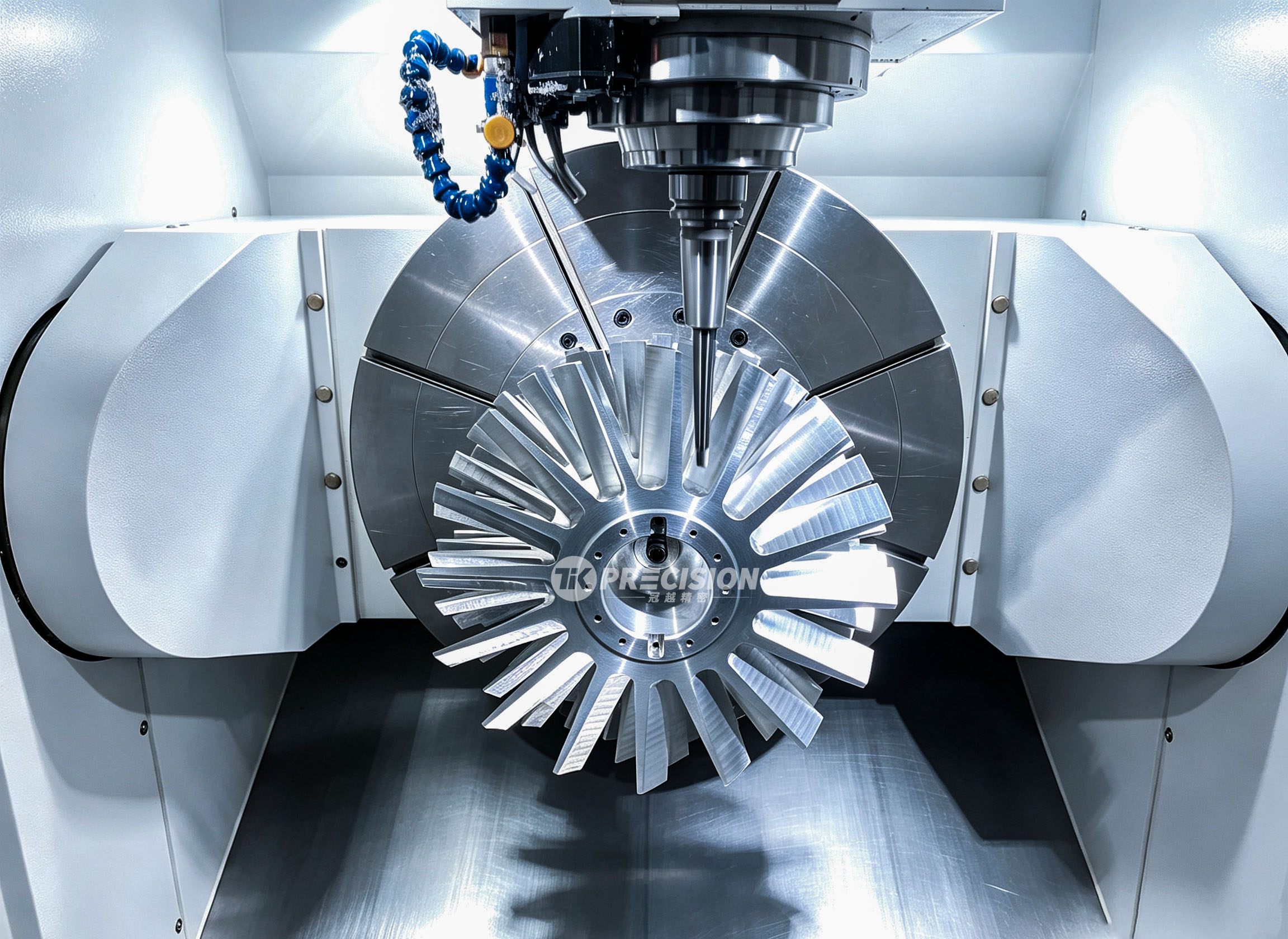
Aerospace turbine blades feature complex, twisted geometries and thin-wall sections that present significant manufacturing hurdles. Controlling distortion during the machining process is critical for maintaining aerodynamic efficiency and structural integrity. At Tik Precision, we utilize advanced precision CNC machining services to overcome these challenges and deliver high-performance components.

Why Distortion Occurs in Thin-Wall Turbine Parts

Several factors contribute to dimensional instability during manufacturing. Understanding these causes is the first step in effective distortion control in aerospace turbine parts:

  • Residual Stress Release: Raw materials like Inconel or Titanium often contain internal stresses from forging. Machining removes material and releases these stresses, causing the part to warp.
  • Cutting Forces: The pressure exerted by cutting tools can easily deflect thin-wall sections. This leads to thickness variations and profile errors.
  • Thermal Expansion: Heat generated during machining exotic alloys causes the workpiece to expand. This expansion results in dimensional inaccuracies once the part cools.

Advanced Strategies for Distortion Control

We employ a multi-layered approach to ensure every component meets strict aerospace-grade tolerances:

  • Stress Relieving Cycles: We integrate intermediate heat treatments between roughing and finishing stages. This stabilizes the material and prevents movement.
  • Custom Workholding: Utilizing encapsulation or specialized fixtures provides continuous support to thin walls. This minimizes vibration and deflection during the cut.
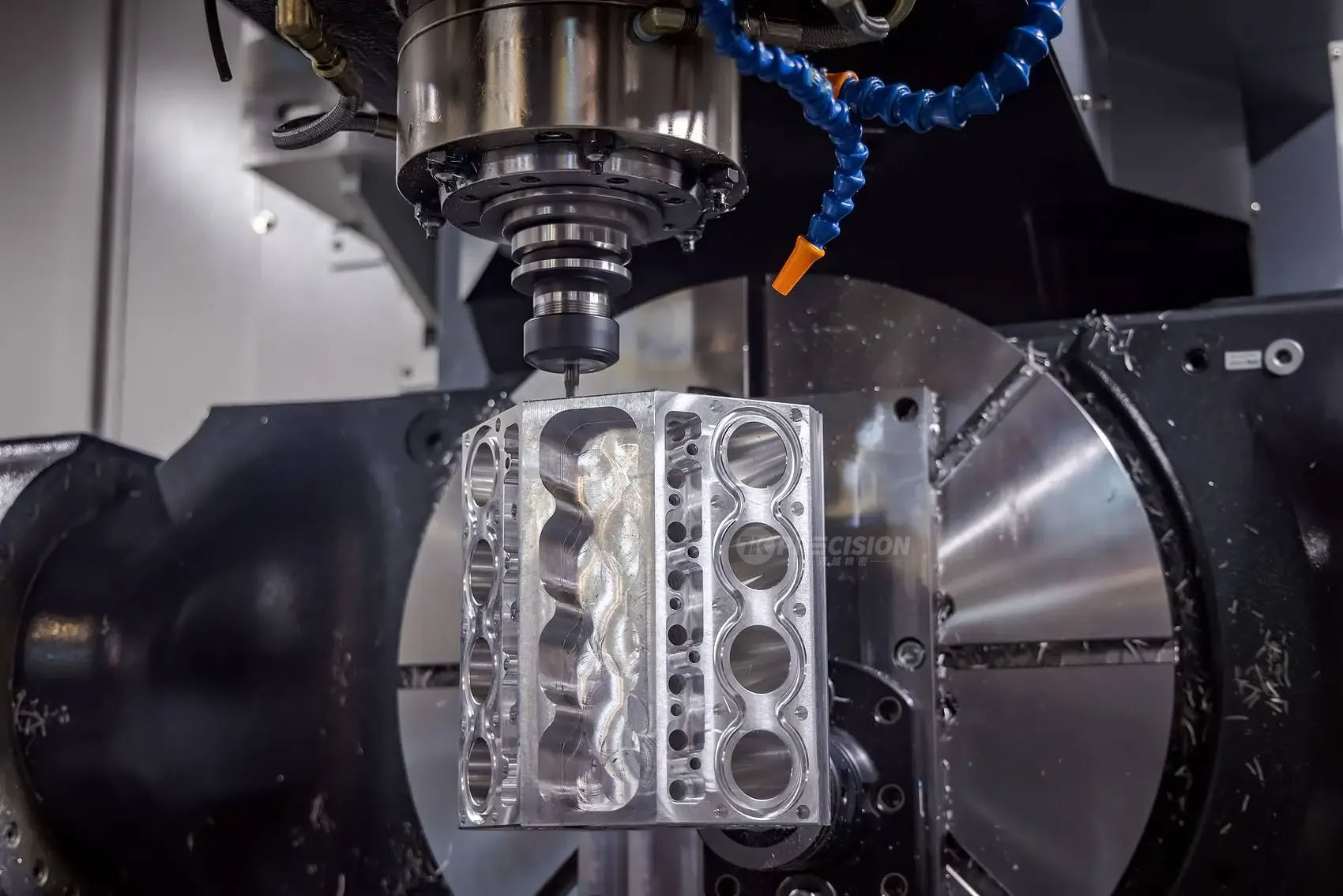
  • Optimized Toolpaths: Our team uses 5-axis CNC machining to maintain constant engagement. This balances cutting forces across the airfoil surface.

Precision Finishing and Inspection

Maintaining accuracy requires constant monitoring. We follow a rigorous process to guarantee quality:

  • In-Process Probing: Real-time measurements allow us to adjust toolpaths dynamically to compensate for any detected movement.
  • Sub-Micron Metrology: Final verification is performed using Zeiss CMM technology. This ensures the precision machining of aerospace turbine blades meets all design specifications.

Frequently Asked Questions

How do you prevent thin walls from vibrating?
We use high-frequency dampening tools and custom-designed fixtures that support the part’s geometry throughout the machining cycle.

Is material selection important for distortion control?
Yes. Choosing the right heat-treat condition for the raw material significantly impacts how much it will move during machining.

Conclusion

Mastering distortion control is essential for producing world-class aerospace components. Tik Precision combines technical expertise with advanced technology to deliver perfection in every part. For more insights into our quality standards, check our DFM checklist for aerospace manufacturing.


Need a Manufacturing Quote?

Upload your drawings and receive DFM feedback, material recommendations, and a clear manufacturing quote.

16+

Year

50K+

Parts Manufactured

98.2%

On-time Delivery

Request a Quote
All Articles From The Author
Swiss CNC machining process using a guide bushing to manufacture high-precision metal components

Precision CNC Machining Services: 5-Axis Technology, Quality & Industry Applications

Learn how precision CNC machining services use 5-axis technology, quality control, and advanced manufacturing processes to produce reliable components for aerospace, medical, semiconductor, energy,
Precision CNC Machining Prototyping Services for Industrial Parts

Next-Gen CNC Machining: Driving Innovation through Precision Prototyping

CNC Machining Prototyping has become an invaluable tool in the product development phase, offering high-speed, precise, and flexible production for a wide range of

Understanding CNC Machining Tolerances

CNC Machining Tolerances Guide | Precision Standards & Cost Optimization

FAQ: CNC Machining Tolerances Q1: What is the standard tolerance for CNC machining?A typical standard tolerance for CNC machining is ±0.127 mm (±0.005 in),

Simultaneous 5-axis CNC machining of a high-precision titanium impeller

Precision Impeller CNC Machining: A Complete Guide to Precision 5-Axis Machining for Turbomachinery Components

Master the complexities of 5‑axis impeller machining – from material selection and CAM programming to inspection and real‑world applications. What Is an Impeller and

Swiss CNC machining compared with traditional CNC machining for precision parts manufacturing

Swiss CNC Machining vs Traditional CNC Machining: Which Is Better for Precision Parts?

Swiss CNC machining has become one of the most trusted manufacturing solutions for producing high-precision components across industries such as medical, aerospace, automotive, and

How to choose a precision CNC machining supplier in China for custom machined parts

Exploring the Importance of Precision Manufacturing in Industry

Why Choosing the Right CNC Machining Supplier Matters Finding the right precision CNC machining supplier is one of the most important decisions for companies

Start a New Project

Turn Your CAD Files Into Precision Parts

Share your requirements with our engineering team. We will review manufacturability, materials, tolerances and lead time before quoting.

2-Hour Quote

Fast response for complete RFQs

Free DFM Review

Engineering feedback before production

Secure CAD Files

Confidential upload and NDA support

No MOQ

Prototype to low-volume production

Need help preparing an RFQ?

info@tikprecision.com

RFQ Form

Tell Us About Your Project

Upload CAD Files | Free DFM Analysis | 2-Hour Quote | No MOQ Required | NDA Protected