
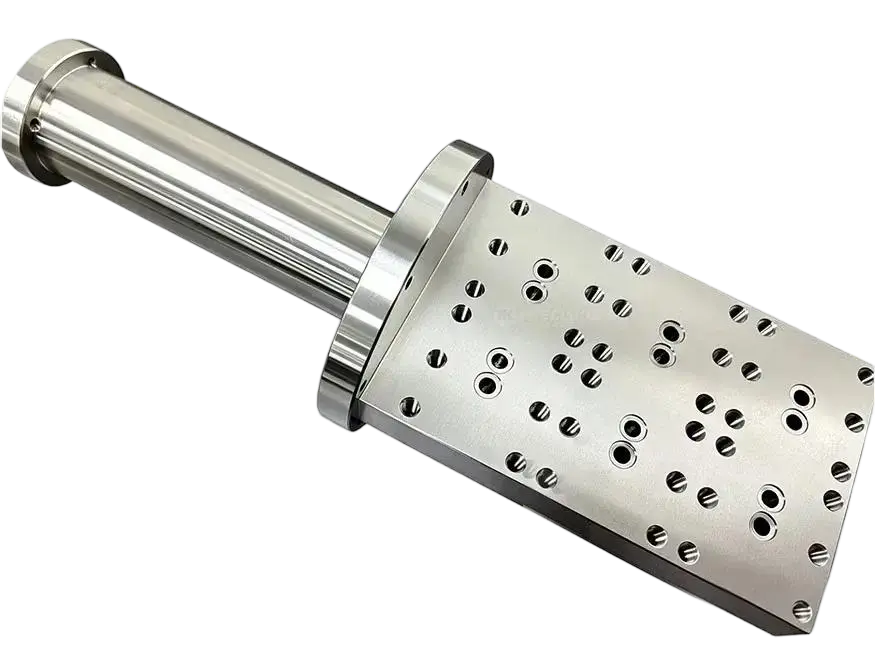
Machining Exotic Alloys: Inconel, Hastelloy, Duplex, and Nickel-Based Superalloys

Picture of Kenny Gan
Kenny Gan
Alloy steel CNC milling for high-strength components
Share

Table of Contents

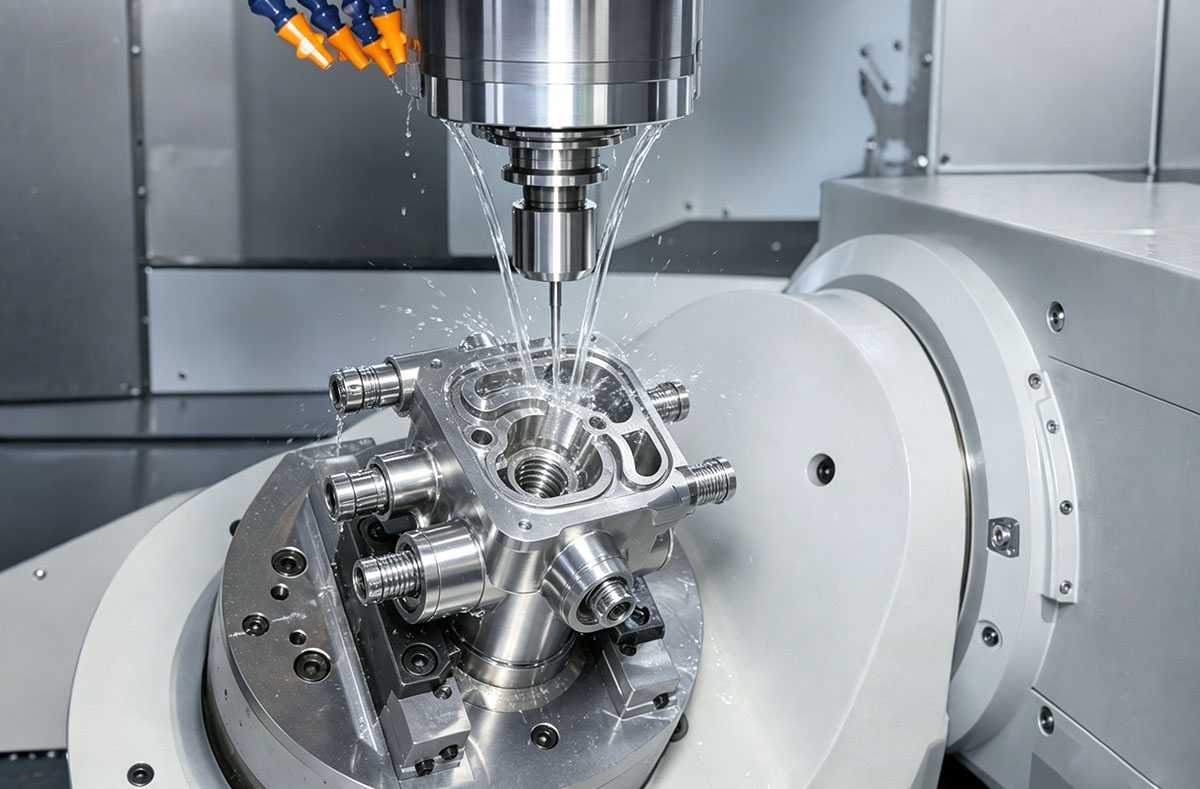
Exotic alloys are the materials engineers turn to when standard stainless steels and aluminum cannot survive the operating environment—jet engine hot sections at 1,000°C, chemical reactors with boiling sulfuric acid, and deep-sea oil wells. These materials deliver extraordinary performance in service, but they extract their pound of flesh in the machine shop. Machining Inconel, Hastelloy, duplex stainless, and other exotic alloys demands specialized precision CNC machining services, rigid machine tools, and expert process planning.

What Makes Exotic Alloys So Difficult to Machine

Four metallurgical characteristics unite the exotic alloy family and explain their poor machinability:

  • Extreme Work Hardening: Nickel-based alloys work-harden at the cut surface instantly. This makes subsequent passes difficult and requires precise 5-axis CNC machining strategies to maintain tool life.
  • Poor Thermal Conductivity: Heat generated at the shear zone cannot dissipate into the workpiece, accelerating tool wear.
  • High Cutting Forces: Nickel alloys retain their strength at elevated temperatures, requiring robust setups.
  • Abrasive Wear: Hard carbide particles and intermetallic phases abrade the tool cutting edge rapidly.

Common Exotic Alloys in CNC Machining

Inconel 718 (UNS N07718)

The most widely used nickel-based superalloy for aerospace turbine blades. It maintains strength from cryogenic temperatures to 700°C.

  • Machining Strategy: Machine in the solution-annealed condition, then age-harden.
  • Tooling: Whisker-reinforced ceramic for roughing; solid carbide with AlCrN coating for finishing.

Hastelloy C-276 (UNS N10276)

Known for exceptional corrosion resistance in aggressive media. It is among the most difficult alloys to machine, requiring cutting speeds 20-30% lower than Inconel.

Duplex and Super Duplex Stainless (2205, 2507)

Combines strength and chloride stress corrosion cracking resistance. Essential for deepwater oil & gas and desalination plants. Proper tolerance control is vital here.

Tooling Strategies for Exotic Alloys

OperationTool MaterialSpeed (m/min)Feed (mm/tooth)
Rough TurningCeramic (Whisker)200-3500.15-0.30
Finish TurningCarbide/CBN30-500.08-0.15
Rough MillingSolid Carbide25-400.05-0.10

Process Planning & DFM

Successful machining requires a strict DFM checklist:

  • Rough Aggressively, Finish Gently: Finishing passes must have adequate depth (0.2 mm minimum) to cut beneath the work-hardened layer.
  • Rigid Setup: Minimize tool overhang to prevent vibration and premature tool failure.
  • Coolant Strategy: High-pressure through-spindle coolant (70-140 bar) is essential to evacuate heat.

Conclusion

Machining exotic alloys is a specialized field that requires the right equipment and experience. Tik Precision has invested in the technology needed to deliver high-quality Inconel, Hastelloy, and Duplex components. Contact us today to discuss your project.


Need a Manufacturing Quote?

Upload your drawings and receive DFM feedback, material recommendations, and a clear manufacturing quote.

16+

Year

50K+

Parts Manufactured

98.2%

On-time Delivery

Request a Quote
All Articles From The Author

Aluminum vs Titanium vs Stainless Steel: CNC Material Selection Guide

Material selection has more impact on part performance, cost, and lead time than almost any other decision in the design process. Choosing between Aluminum

5 Axis CNC Machining Aluminum Turbo Turbine Impeller Wheel | Aerospace Batch Custom Precision Machined Parts

Precision Machining of Superalloys and Titanium for Aerospace Turbine Parts | Global CNC Services

At Tik Precision, we specialize in the complex CNC machining requirements of the global aerospace industry. The performance of modern aircraft engines depends heavily

Featured image for CNC machining material selection article, comparing mechanical performance, machinability, weight and cost of aluminum alloy, titanium alloy and stainless steel for custom precision machined components.

Aluminum vs Titanium vs Stainless Steel: CNC Material Selection Guide

Material selection has more impact on part performance, cost, and lead time than almost any other decision in the design process. Choosing between aluminum,

CNC Machining for Medical Devices: Materials, Tolerances, and Compliance

Medical device components — from surgical instruments to orthopedic implants — must meet standards that go beyond typical industrial parts. Biocompatibility, precise tolerances, and

5-axis simultaneous CNC machining for complex titanium medical geometries

Titanium Alloy Medical Parts Low-Volume Machining: Which Factory Truly Have the Capability?

I. The Hidden Barriers of TC4 Titanium Alloy Machining for Medical Devices During the sourcing phase of medical device components, many R&D engineers encounter

Titanium CNC machining forprecision metal parts

Impeller Materials: Selecting the Right Alloy for Your Application

The material from which an impeller is machined is not a secondary consideration — it directly determines the component’s maximum operating speed, corrosion resistance,

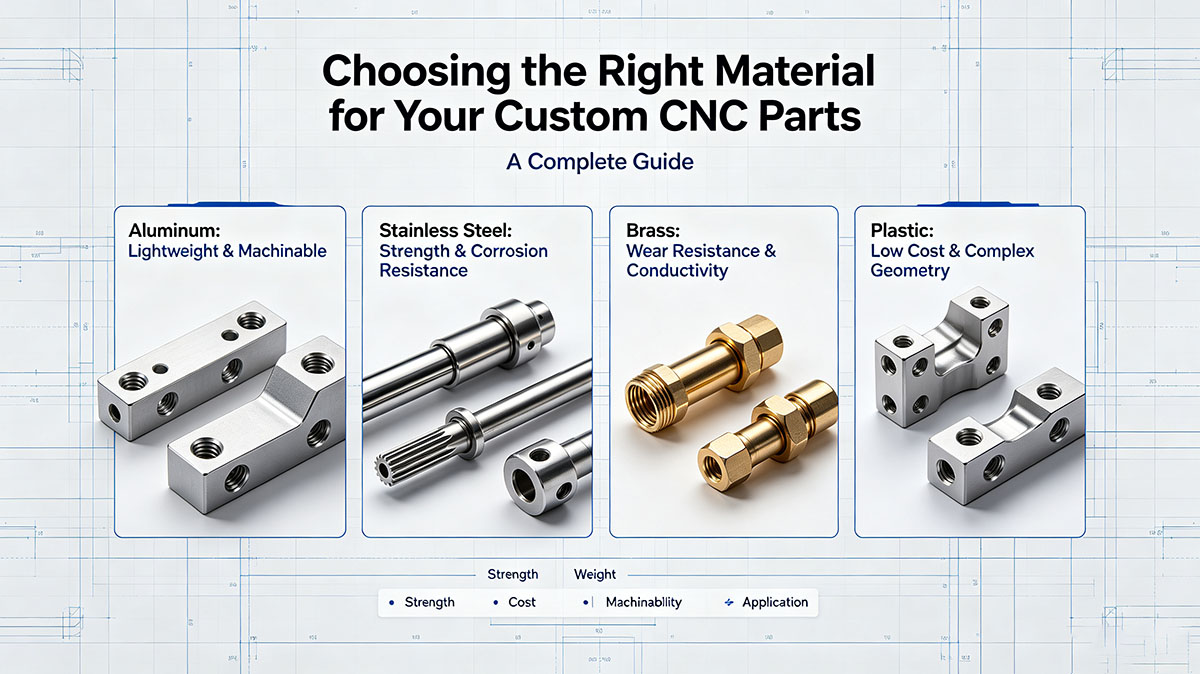
Choosing the Right Material for Your Custom CNC Parts: A Complete Guide

Selecting the right material is the single most impactful decision in custom CNC part design. The wrong choice leads to premature failure, excessive cost,

Precision Aerospace CNC Machining for High-Temperature Alloys - Tik Precision

Material Selection Guide for High-Precision CNC Machining

Material Selection Guide for High-Precision CNC Machining In the world of high-precision manufacturing, achieving micron-level tolerances and superior surface finishes depends on more than

CNC machined metal and plastic parts for custom projects

CNC Machining Material Selection Guide | Metals & Plastics Comparison

In the world of high-precision manufacturing, the difference between a successful project and a costly failure often lies in CNC machining material selection. Choosing

Start a New Project

Turn Your CAD Files Into Precision Parts

Share your requirements with our engineering team. We will review manufacturability, materials, tolerances and lead time before quoting.

2-Hour Quote

Fast response for complete RFQs

Free DFM Review

Engineering feedback before production

Secure CAD Files

Confidential upload and NDA support

No MOQ

Prototype to low-volume production

Need help preparing an RFQ?

info@tikprecision.com

RFQ Form

Tell Us About Your Project

Upload CAD Files | Free DFM Analysis | 2-Hour Quote | No MOQ Required | NDA Protected