
Precision Manufacturing for Energy Power Components
From pump housings, impellers and replacement parts to composite tooling, fit check gauges and custom fixtures, Tik Precision supports energy power projects with CNC machining, 5-axis machining, sheet metal fabrication, injection molding and 3D printing for prototypes and production components.
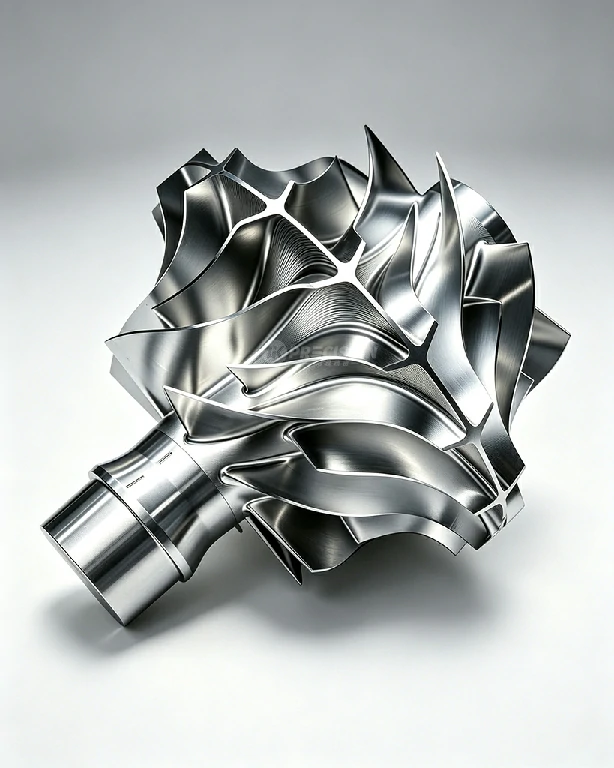
PROGRAM FIT
Built for energy power projects that need durable parts, stable quality and practical manufacturing support.
- Pump, valve and compressor components
- Tooling, gauges and fixture support
- Prototype to production delivery
CNC
milling & turning
3D Print
metal & plastic
QC
inspection support
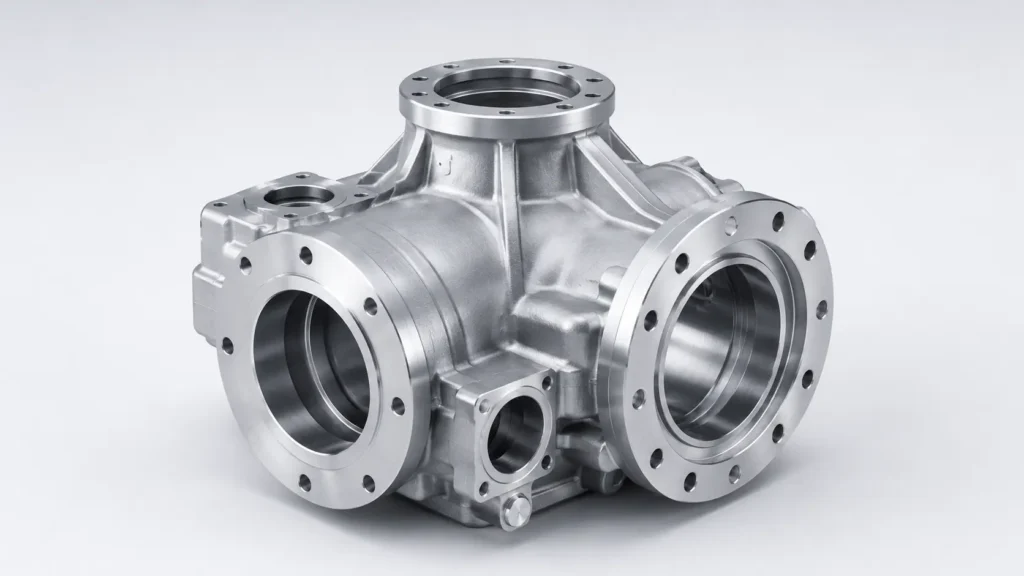
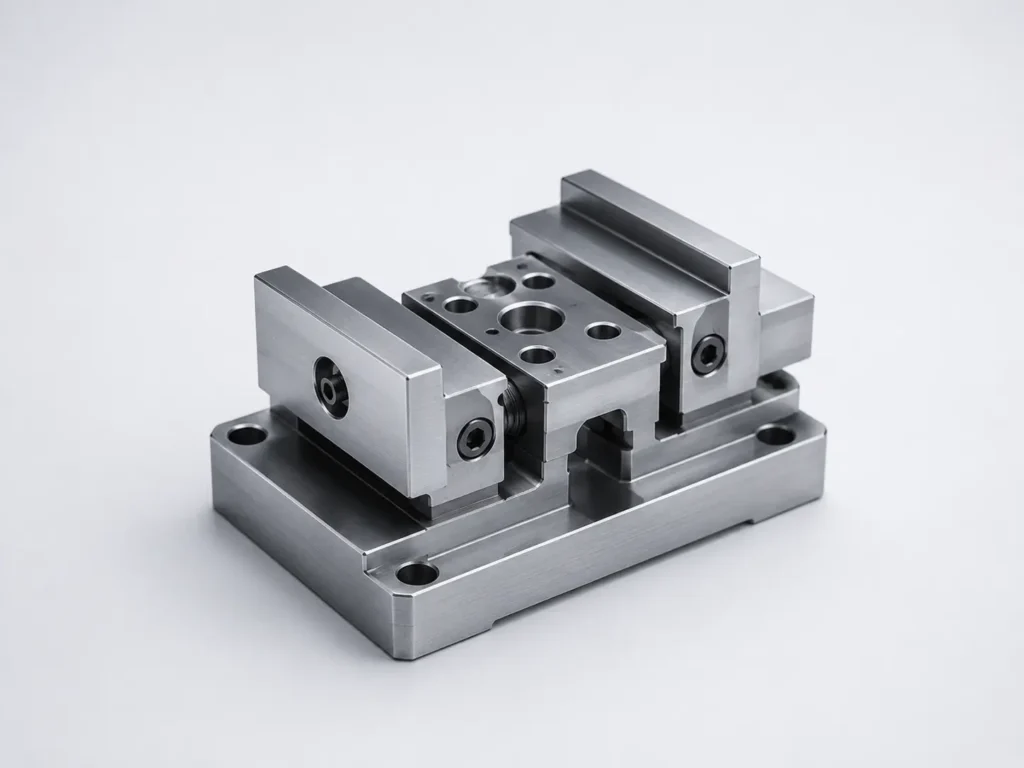
Energy Power Components Require More Than Basic Machining
Energy power projects for solar, wind, natural gas, oil-free compressor and industrial equipment often involve durable materials, complex mechanical parts, replacement components, tooling needs and low-volume production requirements. Tik Precision supports early engineering review before production risks grow.
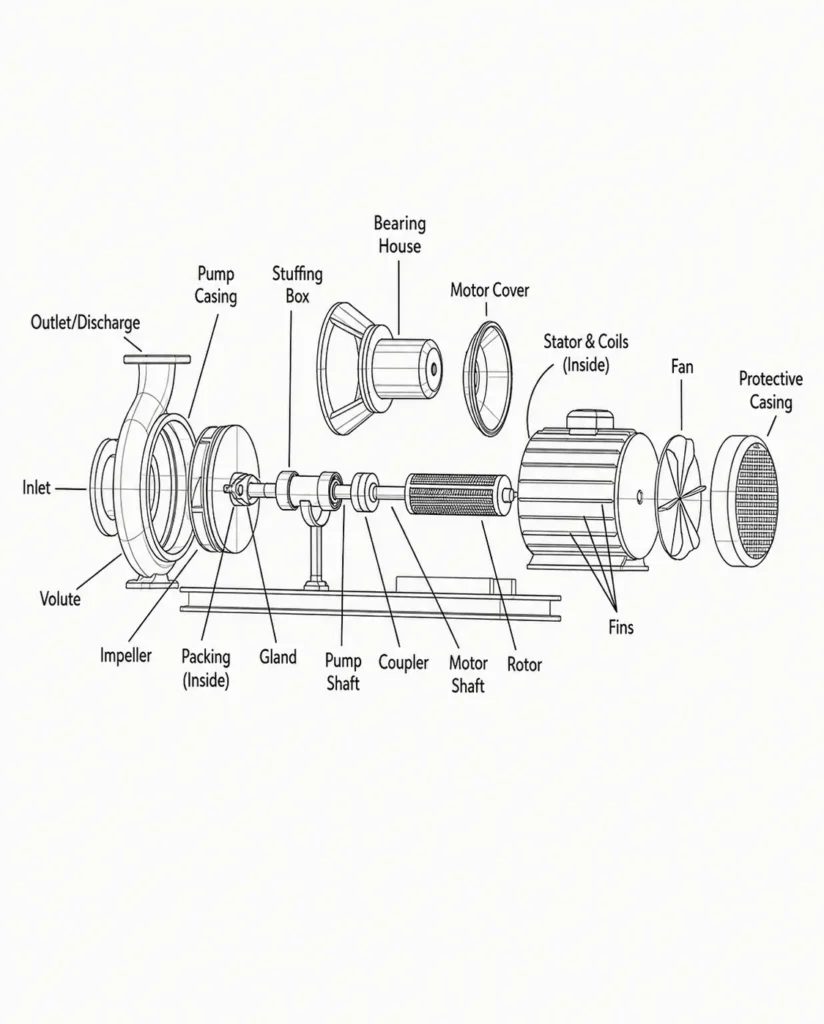
Representative energy power projects often combine CNC milling, CNC turning, tooling, sheet metal, injection molding and 3D printing requirements. Early review helps confirm process choice, material suitability and production feasibility.
Durable Component Requirements
Energy power parts often need stable performance under load, vibration, heat, pressure or outdoor working conditions.
Complex Equipment Geometry
Pump, valve, compressor and generator components may include cavities, ports, ribs, mounting faces and multi-side features.
Prototype and Tooling Needs
Projects may require composite tooling, fit check gauges, custom fixtures, custom tooling and rapid prototypes before production starts.
Material and Process Matching
CNC milling, CNC turning, 5-axis machining, sheet metal, injection molding and 3D printing may be selected based on part function and quantity.
Replacement Part Support
Energy equipment often needs replacement parts, low-volume components and practical manufacturing support for existing systems.
Quality and Delivery Control
Inspection records, dimensional checks and stable batch communication help reduce risk before parts move to assembly or field use.
Energy Power Parts & Applications Showcase
Representative energy power parts help buyers understand part types, application scenarios and suitable manufacturing processes, including CNC machining, injection molding, sheet metal fabrication and 3D printing, before sending drawings for review.
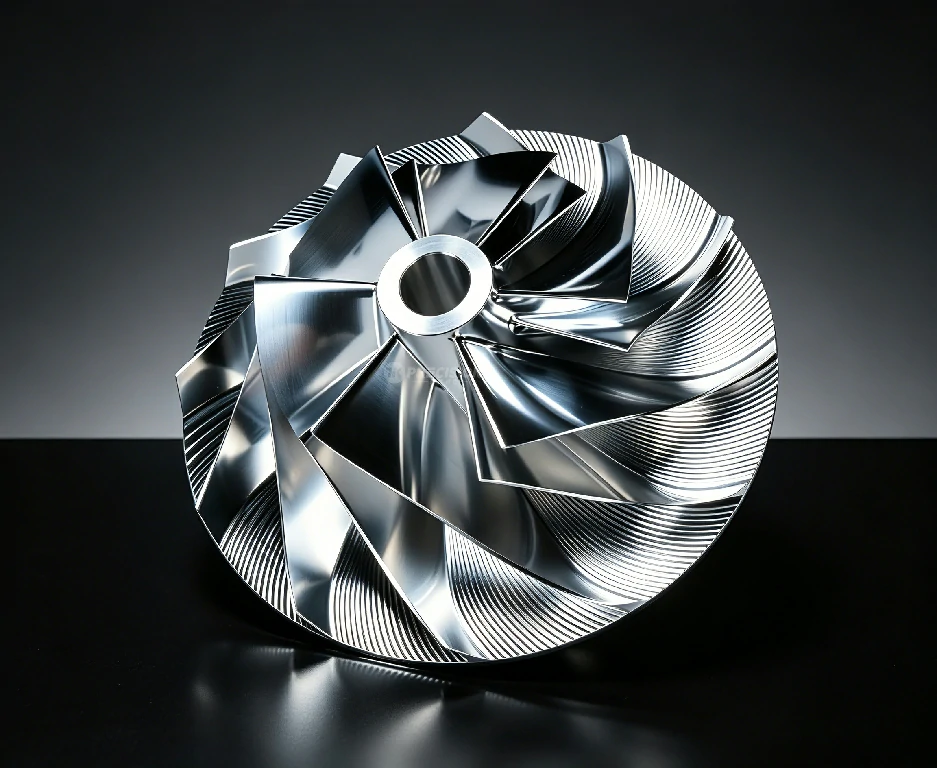
Impellers, Pumps and Accessories
Suitable for pump systems, rotating parts, flow-related components and precision replacement needs.
- Impellers and pump accessories
- Moving and rotating parts
- CNC milling, turning and 5-axis support
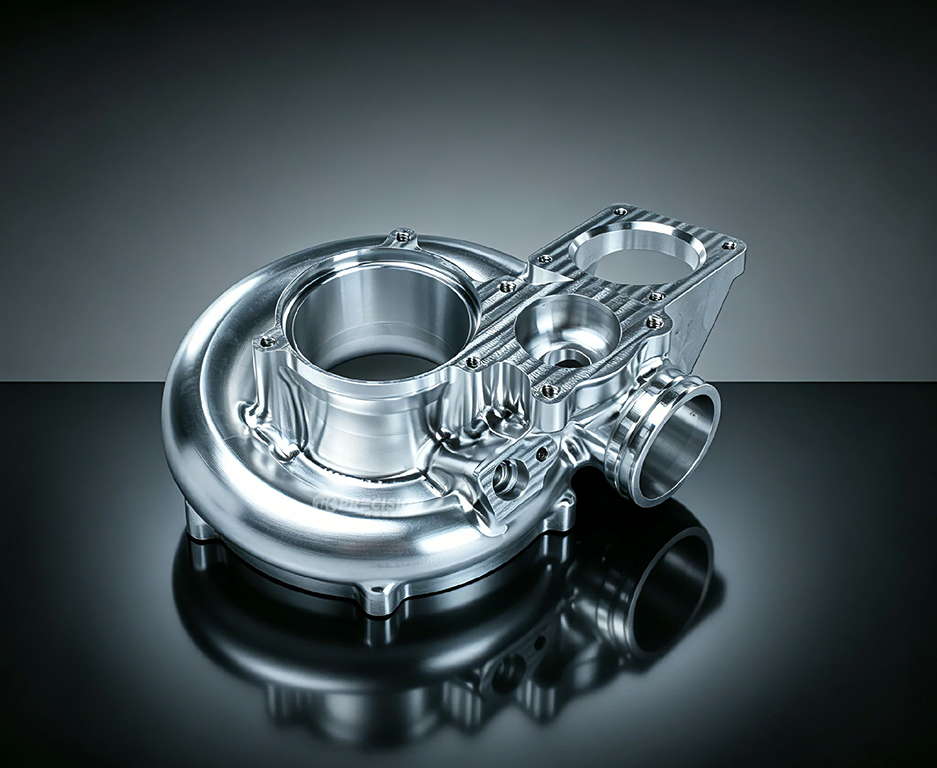
Housings, Casings and Covers
Used for motor covers, bearing housings, protective casings, outlets, ducts and equipment enclosure parts.
- Bearing housings and motor covers
- Protective casings and ducts
- Stable fit and assembly review
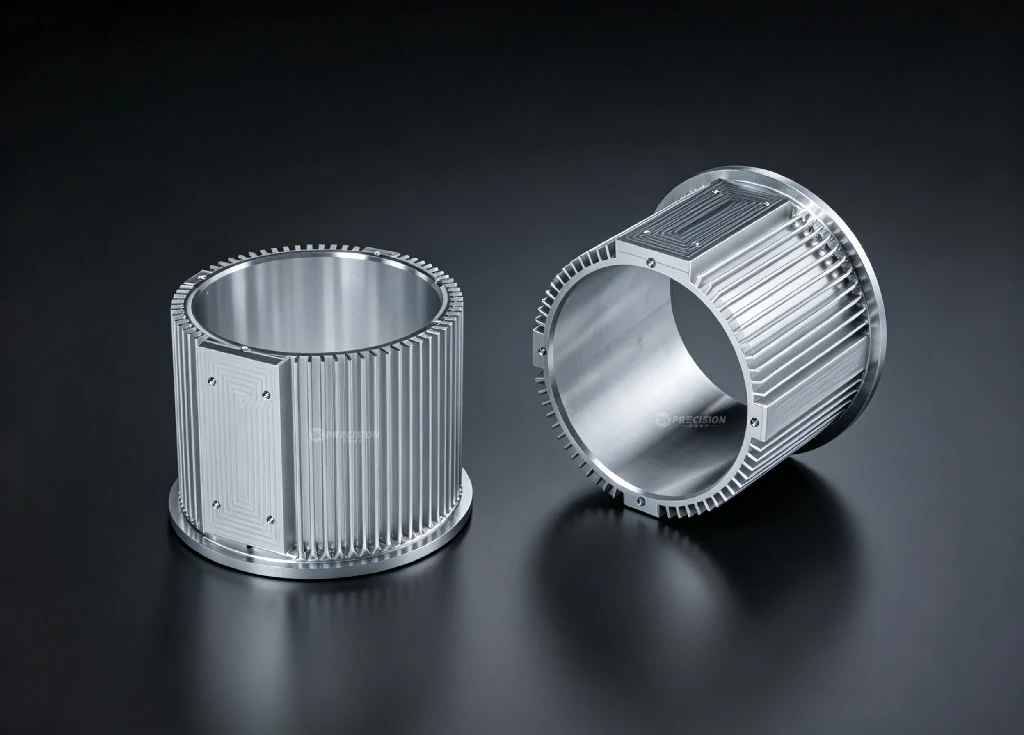
Aluminum water-cooled housing
Supports composite tooling, fit check gauges, custom fixtures and production preparation for energy equipment projects.
- Composite tooling
- Fit check gauges
- Custom tooling and fixturing
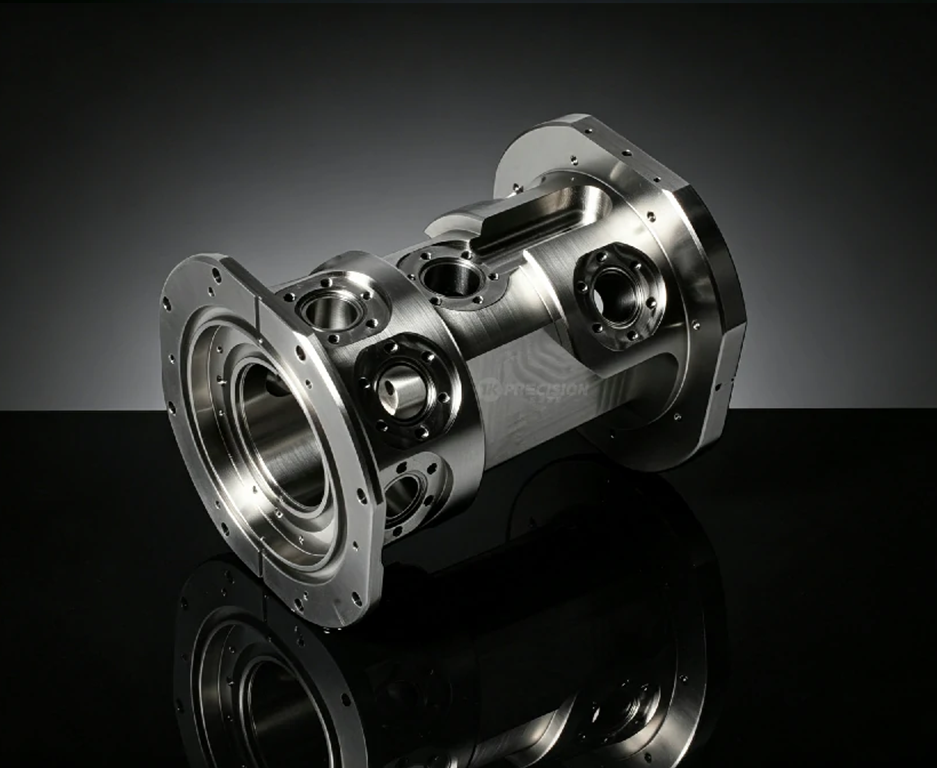
Valves, Frames and Replacement Parts
Practical manufacturing support for valves, frames, generator components, pipes, heat exchangers and replacement parts.
- Valves, frames and generator parts
- Pipes, heat exchangers and conveyors
- Low-volume replacement support
Built to Support Energy Power Parts from Prototype to Production
Beyond representative parts, Tik Precision supports energy power projects with CNC machining, engineering communication, process planning and inspection-ready production workflows.
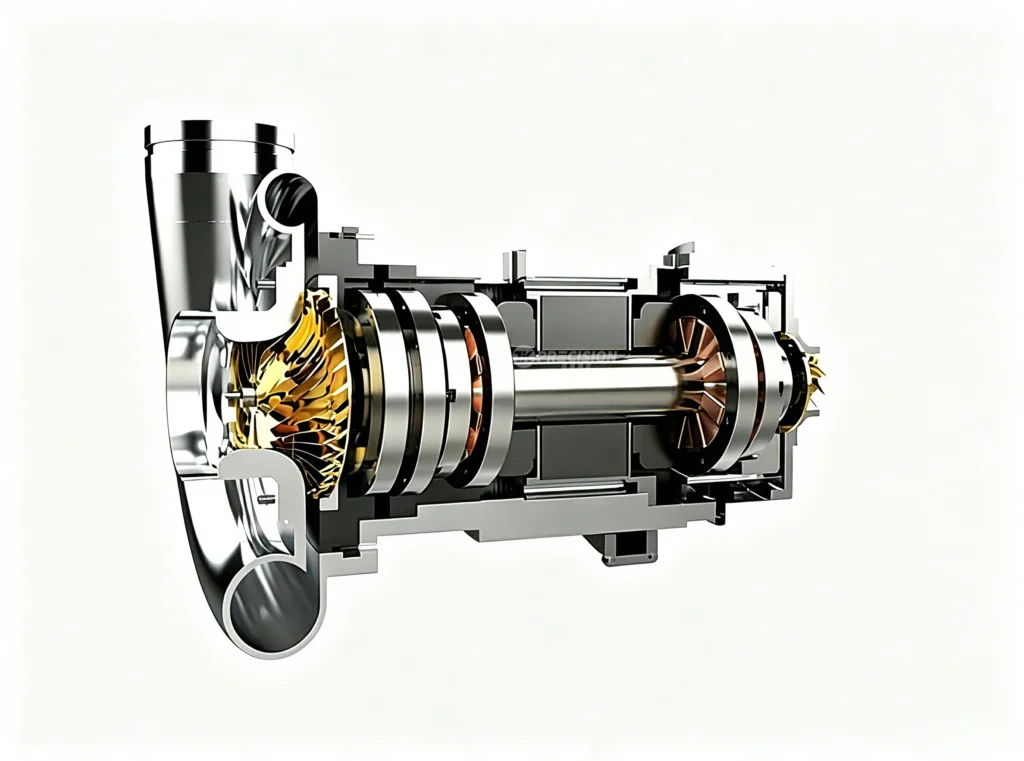
Manufacturing strategy for energy power components
Energy power components often require a combination of CNC milling, CNC turning, 5-axis machining, tooling support, material review and dimensional inspection. This section explains how Tik Precision connects process planning with part requirements.
CNC
Milling & turning
DFM
Process review support
QC
Inspection checkpoint ready
CNC Machining Services
From prototype to production, CNC milling and turning support energy power parts that require stable dimensions, controlled features and repeatable quality.
- Impellers and pump parts
- Housings and casings
- Replacement components
Injection Molding Services
For suitable prototype or production quantities, molding support helps move energy power components from design validation to production launch.
- Prototype and production runs
- Plastic component support
- Process planning before launch
Sheet Metal Fabrication
Sheet metal fabrication supports brackets, ducts, panels, covers and formed components used in energy equipment assemblies.
- Cutting, bending and forming
- Ducts and ventilation parts
- Frames and equipment covers
3D Printing Service
Plastic and metal 3D printing help accelerate prototypes, complex geometry validation and low-volume energy power components.
- Rapid prototyping
- Metal and plastic printed parts
- Fast design iteration
Engineering Review
Review drawings, tolerances, materials, finish expectations and process requirements before production.
Controlled Production
Plan machining, tooling, molding, sheet metal or 3D printing workflows based on part risk and quantity.
Inspection Support
Support dimensional checks, inspection communication and quality documentation before shipment.
Material and Surface Finish Support for Energy Power Parts
Energy power projects often require the right balance of strength, corrosion resistance, wear resistance, heat stability and surface quality. This section helps buyers prepare material and finish requirements before quotation.
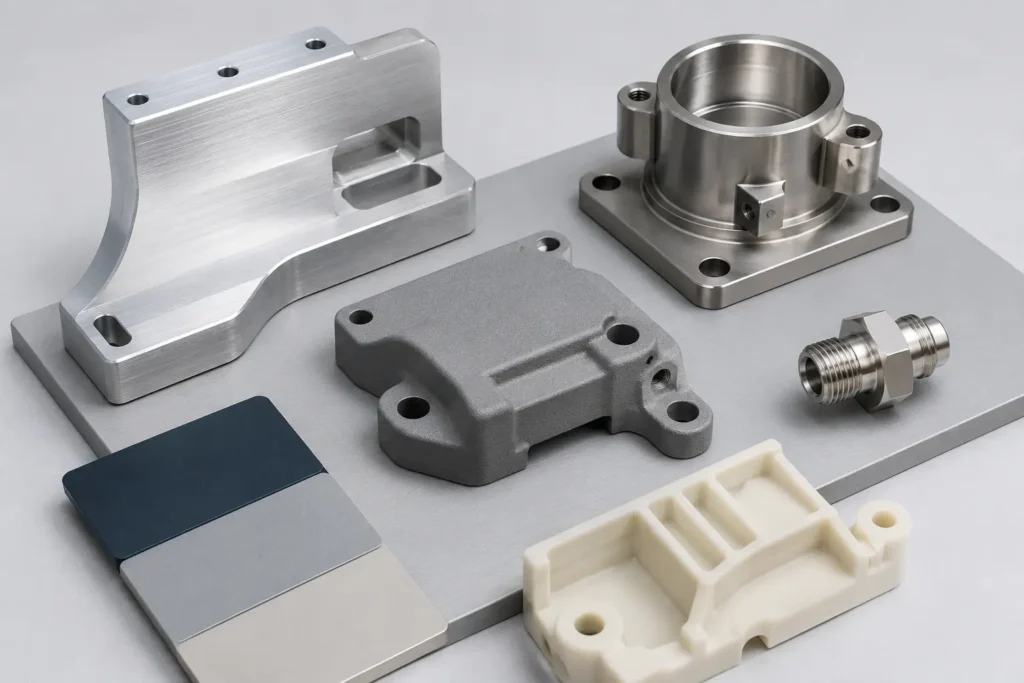
Match material, finish and part function before production
Material and finish choices affect strength, corrosion resistance, dimensional stability, surface appearance and long-term equipment performance. Early review helps reduce avoidable production issues.
- Confirm material grade and stock availability.
- Review corrosion, wear and finish requirements.
- Consider tolerance, inspection and application conditions.
For energy power RFQs, please share material grade, finish requirement, tolerance notes, application conditions and documentation needs together with your drawing or 3D file.
Common Materials
Material selection should consider strength, corrosion resistance, heat, wear and operating environment.
| Material | Typical Use | Review Focus |
|---|---|---|
| Stainless Steel | Corrosion-resistant energy components, fittings, housings and durable machined parts. | Corrosion resistance, passivation, surface finish and inspection checkpoints. |
| Alloy Steel | High-strength parts, shafts, connectors, structural components and load-bearing parts. | Strength, heat treatment, dimensional stability and machining allowance. |
| Aluminum Alloys | Lightweight housings, covers, brackets, panels and prototype energy equipment parts. | Weight, anodizing, flatness, surface appearance and tolerance control. |
| Copper / Brass | Conductive parts, thermal components, fittings and special functional machined parts. | Conductivity, oxidation, thread quality, sealing surfaces and finish expectations. |
Surface Finishes
Surface finish should be matched with corrosion resistance, wear resistance and working conditions.
| Finish | Suitable For | Notes |
|---|---|---|
| Passivation | Stainless steel parts used in corrosion-sensitive energy and power applications. | Supports corrosion resistance and cleaner surface condition after machining. |
| Black Oxide | Steel components requiring darker appearance or mild surface protection. | Suitable material, functional surfaces and corrosion expectations should be reviewed. |
| Plating | Selected metal parts requiring surface protection, conductivity or wear-related performance. | Coating thickness, masking areas and tolerance impact should be confirmed early. |
| As Machined / Deburred | Functional energy components, prototypes, fixtures and internal equipment parts. | Controlled tool marks, edge break, sealing areas and inspection readiness should be reviewed. |
Engineering Note
Material and finish selection should be reviewed together with tolerance, part geometry, inspection method, working environment and final application. Tik Precision can provide practical DFM feedback before production starts.
Inspection-Ready Quality Support for Energy Power Parts
Energy power parts require more than finished dimensions. They need controlled inspection points, material traceability, clear documentation and stable production communication before acceptance.
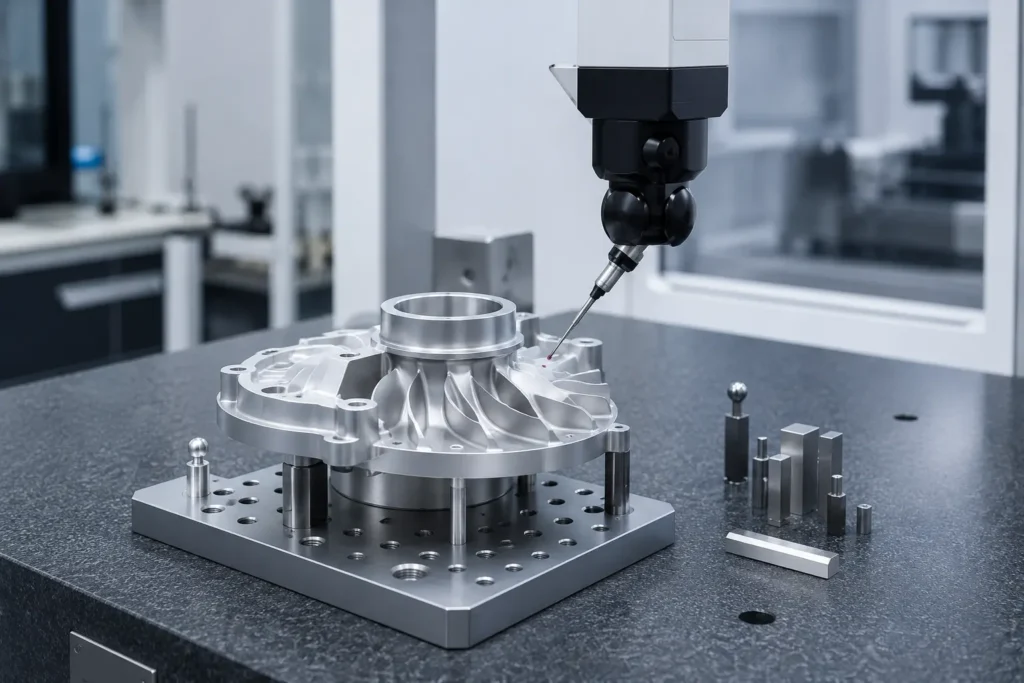
Quality planning starts before production begins
For energy power parts, quality control should be connected to drawing review, material traceability, tolerance risk, process planning and inspection method. Tik Precision supports practical quality communication from RFQ to shipment.
CMM
Dimensional inspection
Traceability
Material documentation
Report
Inspection support
Inspection Workflow
A practical sequence for energy power manufacturing orders.
Drawing & Tolerance Review
Review critical dimensions, tolerance notes, material requirements and finish expectations before production.
Process & Inspection Planning
Plan machining strategy, fixture setup and inspection checkpoints around part risk.
In-Process Quality Control
Monitor key dimensions, process stability and quality risks during machining or production.
Final Inspection & Delivery
Support final dimensional checks, packaging control, documentation and shipment readiness.
Quality Documents
Documentation can be discussed before quotation based on energy power project needs.
Dimensional Report
Inspection records for agreed critical dimensions.
Material Traceability
Material information support based on project needs.
MTC / MTR Support
Material certificate support for selected energy power orders.
Quality Communication
Inspection and production feedback before repeat production.
QA
Quality Commitment
Tik Precision supports energy power customers with controlled manufacturing, practical inspection planning, material traceability support and clear production communication. Quality requirements should be confirmed before quotation so inspection scope and documentation can be aligned early.
Energy Power Parts Manufacturing FAQs
Find quick answers about energy power part manufacturing, materials, tolerances, prototyping, tooling, inspection support and production delivery.
Energy Power Parts FAQ
These answers help energy power engineers and sourcing teams understand materials, tolerances, tooling support, inspection requirements, documentation needs and low-volume production before requesting a quote.
Tik Precision supports prototypes, housings, battery components, valves, machine and tool parts, moving parts, pumps and accessories, jigs and fixtures, generator components, casings, pipes, heat exchangers, turbine components, frames, impellers and replacement parts for energy power applications.
Yes. We support rapid prototyping, low-volume production and end-use component manufacturing. Depending on the part design and quantity, we can review CNC machining, 5-axis machining, sheet metal fabrication, injection molding or 3D printing as possible production routes.
Yes. Energy power projects may require composite tooling, fit check gauges, custom fixtures and custom tooling before production starts. Our team can review your drawings, application requirements and tolerance needs to suggest a practical manufacturing approach.
Common materials include stainless steel, aluminum alloys, alloy steel, titanium, copper alloys and engineering plastics. Material selection depends on strength, corrosion resistance, wear resistance, temperature exposure, weight, cost and final application conditions.
Inspection and documentation support can be discussed before quotation. Depending on project requirements, Tik Precision can support dimensional inspection, material traceability, MTC/MTR documentation, inspection records and quality communication before shipment.
Please send your drawing or 3D file, material grade, quantity, tolerance requirements, surface finish needs, application conditions and any inspection or documentation requirements. Clear project information helps our engineering team review manufacturability and provide a more accurate quote.
Aerospace CNC Machining RFQ
Ready to Review Your Aerospace Machining Project?
Send your drawings, 3D files, material grade, tolerance notes and inspection requirements. Tik Precision will review your aerospace CNC machining project and provide practical manufacturing feedback before production starts.
For a Faster Review, Please Include:
- 3D CAD file or 2D drawing
- Material grade and quantity
- Tolerance and surface finish requirements
- Inspection or documentation needs
- Target delivery schedule