
Precision Manufacturing for Medical Device Components
Tik Precision supports medical device projects with precision CNC machining, micro machining, medical-grade materials, surface finishing and inspection-ready production support for prototypes, low-volume parts and precision medical components.
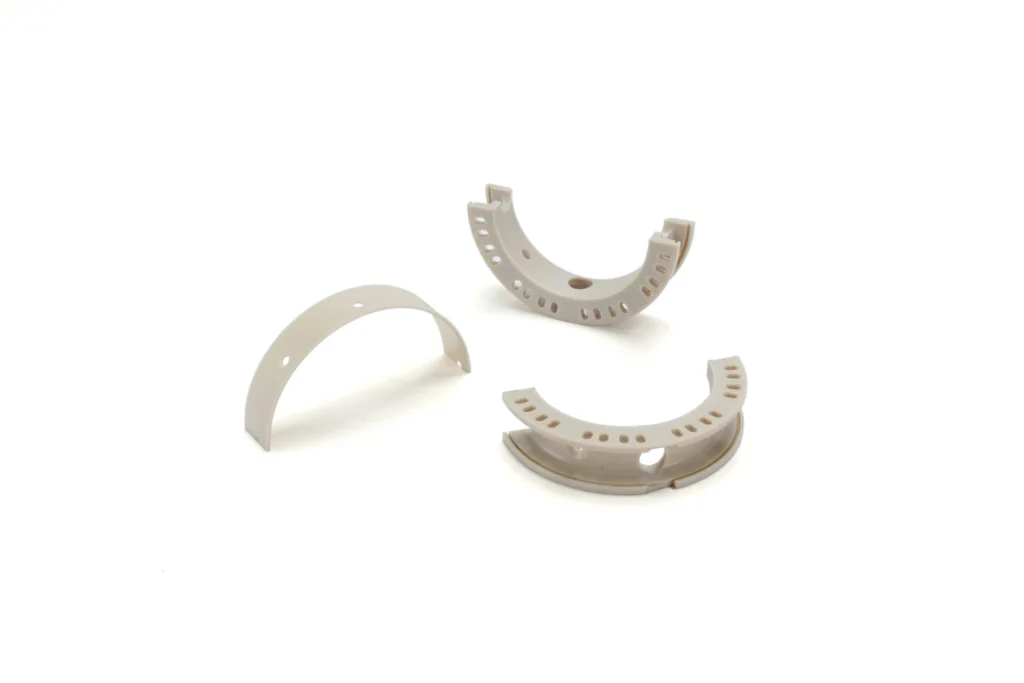
Built for medical device projects that need tight tolerances, medical-grade materials, smooth finishes and inspection-ready delivery.
- Precision medical components
- Medical-grade material support
- CMM inspection and reports
±0.002
mm tolerance
Ra 0.4
μm finish
CMM
inspection
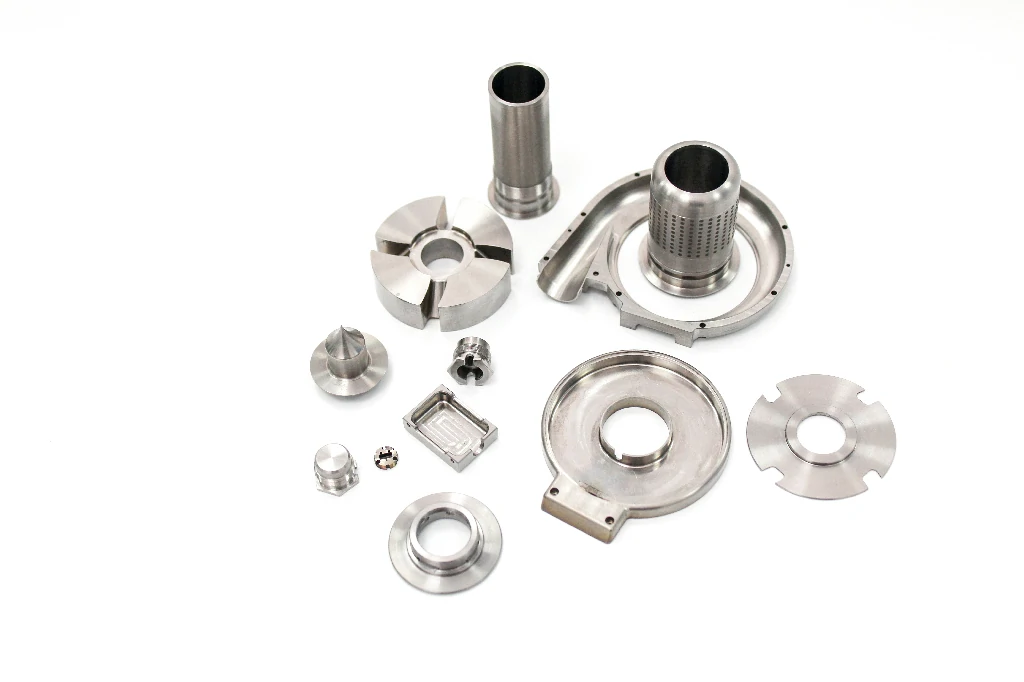
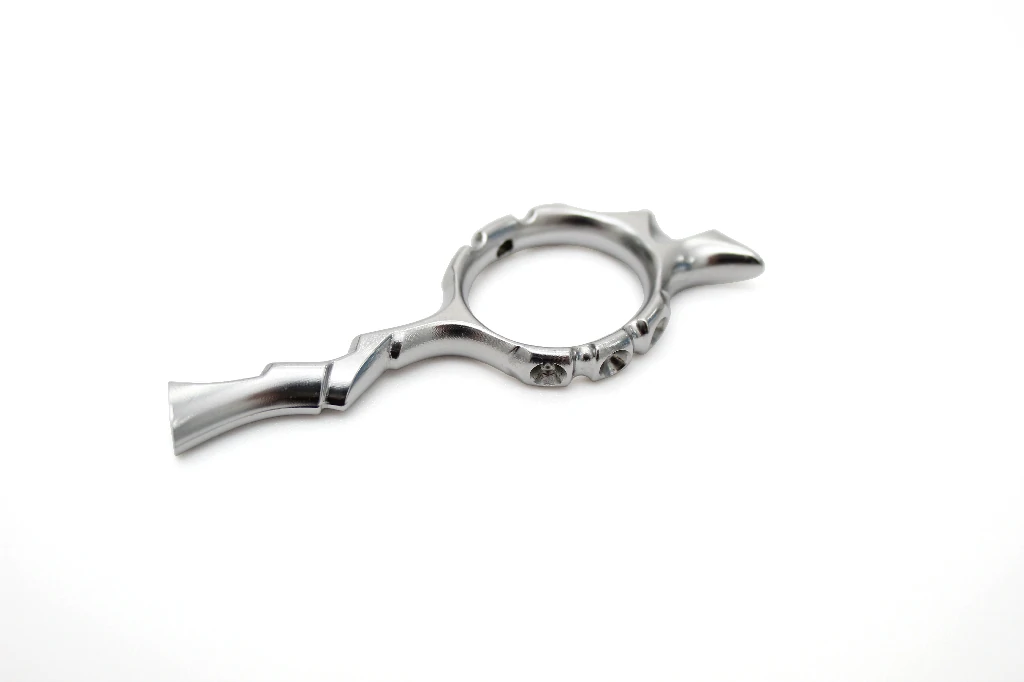
Medical Device Parts Require Precision, Clean Finishes and Reliable Inspection
Medical device projects often involve tight tolerances, small features, medical-grade materials, smooth surfaces and inspection-ready production. Tik Precision supports early engineering review before prototype or low-volume production starts.

Representative medical device projects often combine tight tolerance machining, medical-grade materials, smooth surface finishes, small features and inspection documentation before production approval.
Tight Tolerance Requirements
Medical components may require tight dimensional control for assembly fit, device function and repeatable prototype-to-production performance.
Small Feature Machining
Micro holes, thin walls, fine edges, slots and small precision features require careful tooling, machining strategy and inspection.
Medical-Grade Material Support
Projects may involve stainless steel, titanium, PEEK, PTFE and other medical-grade materials selected by strength, wear, chemical or sterilization needs.
Surface Finish Control
Polishing, electropolishing, passivation, anodizing and precision finishing help improve surface quality, appearance and functional performance.
Inspection and Documentation
CMM inspection, dimensional reports, surface checks and clear production records help support medical device development and supplier review.
Prototype to Low-Volume Production
From one-piece prototypes to low- and mid-volume production, we help medical device teams move from design validation to repeatable parts.
Medical Device Parts & Applications Showcase
Representative medical device parts help buyers understand machining fit, material requirements, surface finish needs and inspection expectations before sending drawings for review.
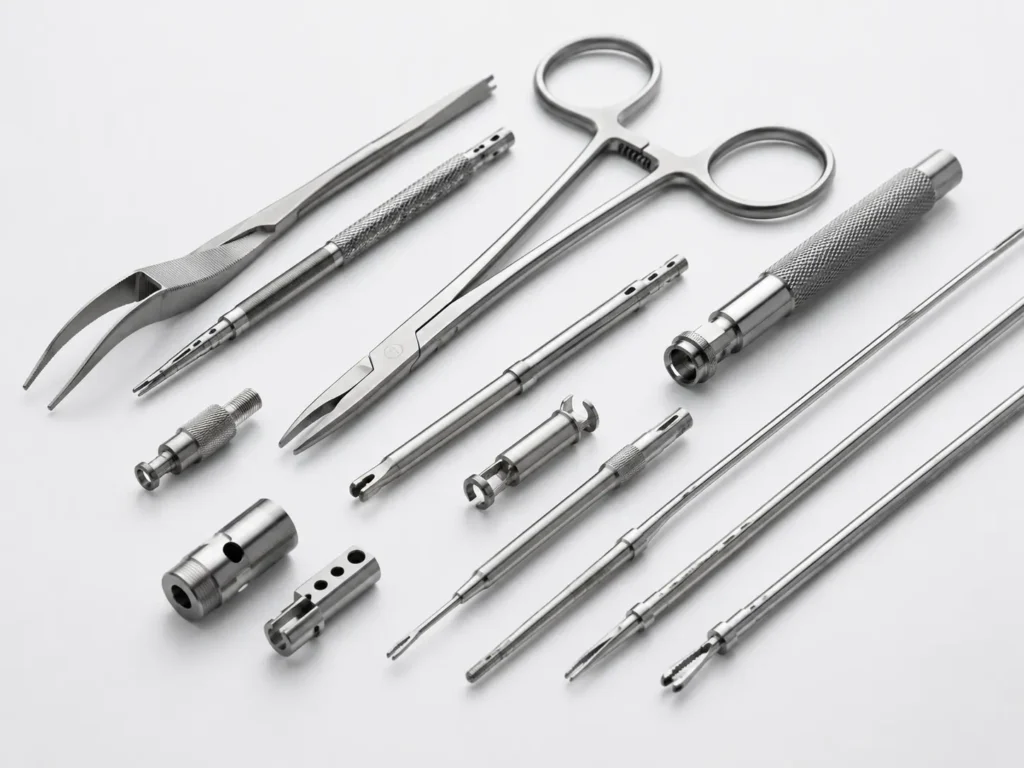
Surgical Instrument Components
Suitable for forceps, clamps, handles, surgical tool parts and precision metal components requiring stable fit and surface quality.
- Forceps, clamps and handles
- Stainless steel precision parts
- Smooth finish and inspection support
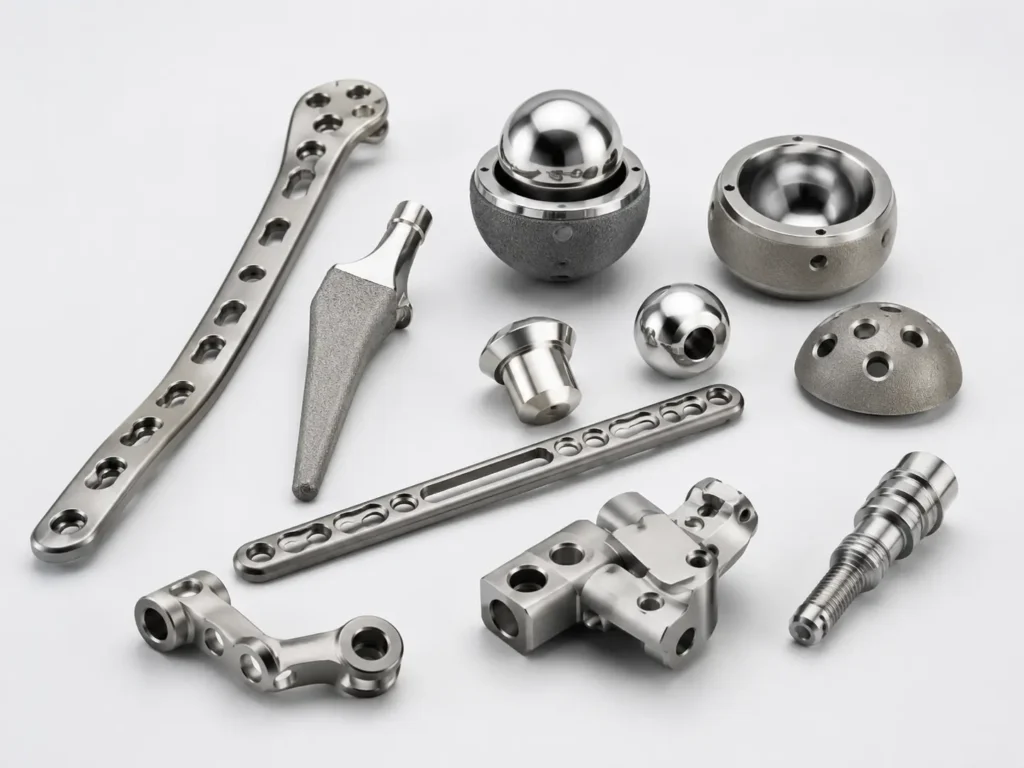
Orthopedic Device Components
Supports high-strength medical parts that require tight tolerance control, durable materials and reliable dimensional consistency.
- Titanium and stainless steel parts
- High-strength precision components
- Prototype and low-volume support
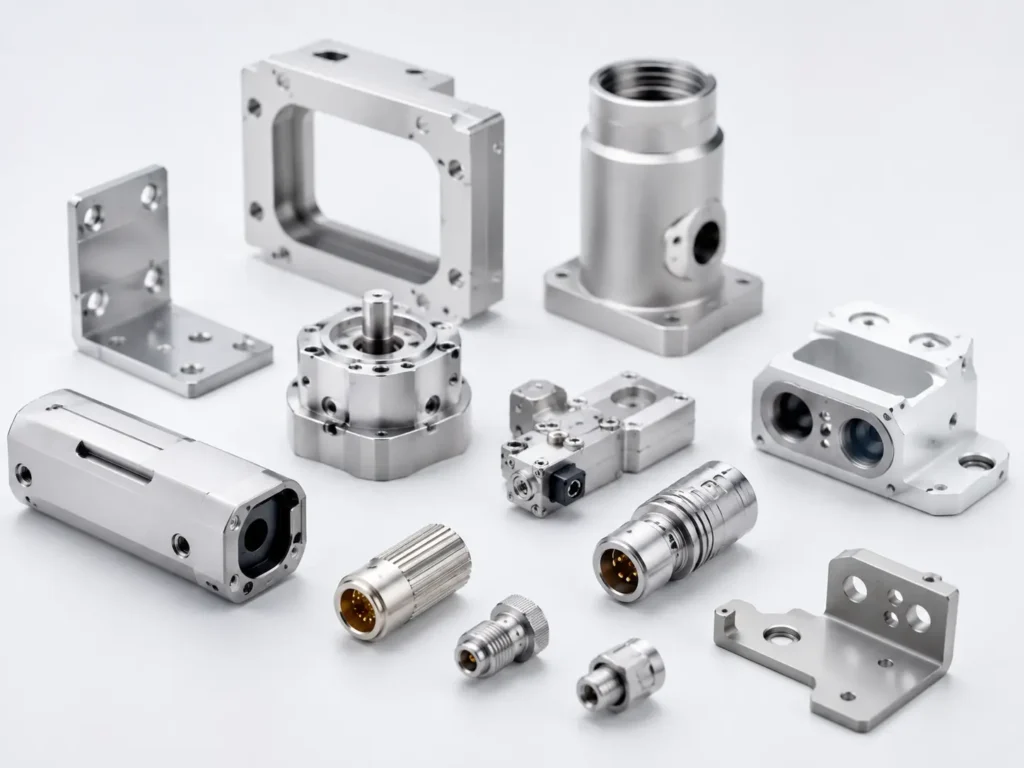
Diagnostic Equipment Components
Used for equipment assemblies, precision brackets, connectors and components with tight dimensional requirements.
- Precision connectors and fittings
- Custom brackets and assemblies
- Dimensional inspection support
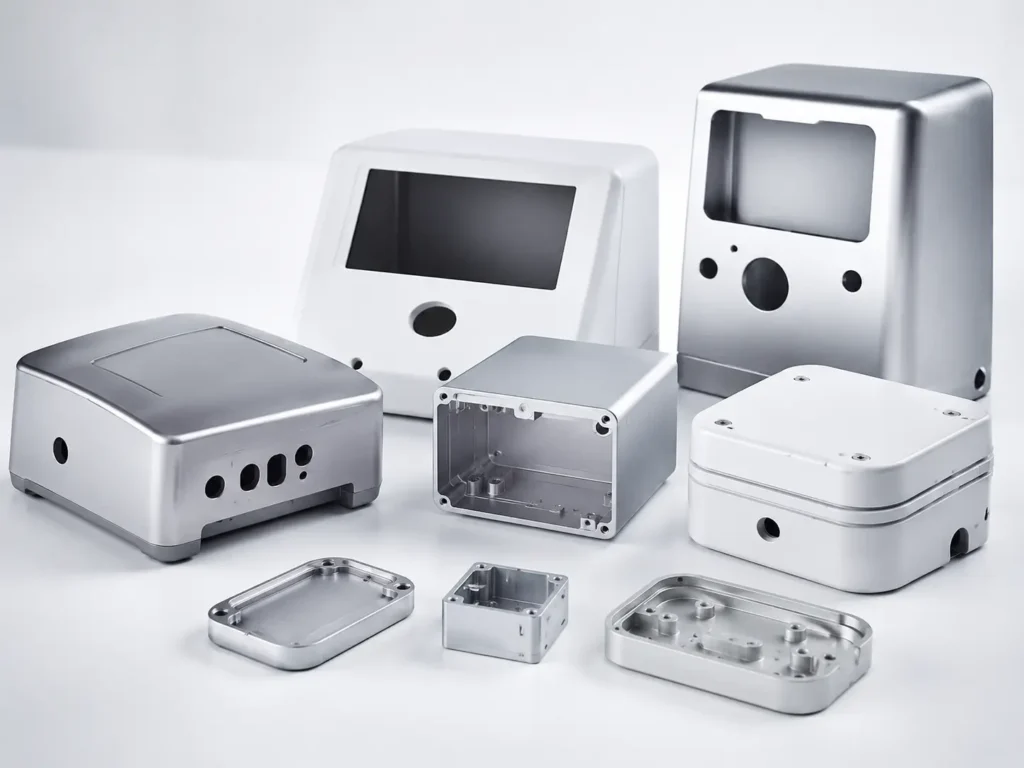
Medical Device Housings and Enclosures
Manufacturing support for protective enclosures, medical-grade housings, micro components and custom device assemblies.
- Medical device housings
- Protective enclosures
- Micro components and assemblies
Built to Support Medical Device Parts from Prototype to Production
Medical device companies need more than machining capacity. Tik Precision supports material review, process control, surface finish planning and inspection-ready production communication from prototype to low-volume manufacturing.
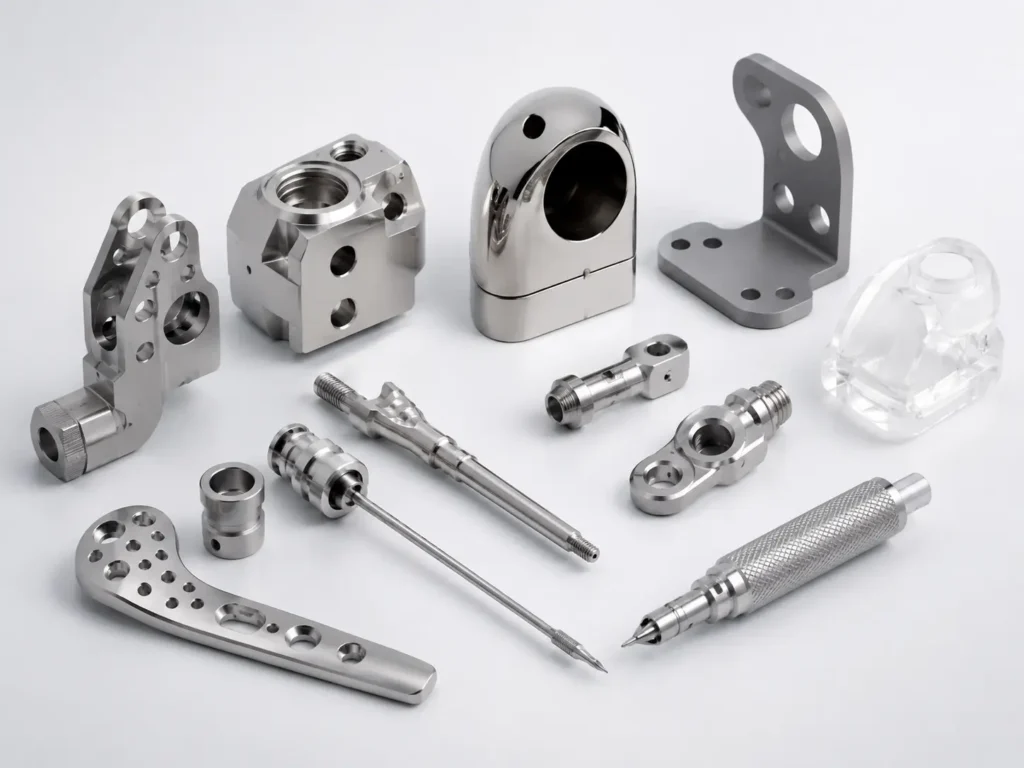
Manufacturing strategy for medical device components
Medical device parts often require stable material selection, repeatable machining, clean surface finishes and controlled inspection. This section explains how Tik Precision connects engineering review with practical production requirements.
±0.01 mm
Tolerance support
Ra 0.4 μm
Surface finish
CMM
Inspection report
Medical-Grade Material Control
Support for stainless steel, titanium, PEEK, PTFE and other medical-grade materials with careful handling and project-based traceability.
- Material grade review
- Stock and process suitability
- Traceability support
Precision & Repeatability
Stable machining and inspection controls help maintain batch-to-batch dimensional consistency for medical device components.
- Tight tolerance machining
- Repeatable production setup
- Dimensional consistency review
Prototype Machining
Polishing, electropolishing, passivation, anodizing and precision finishing help support smooth surfaces and functional performance.
- Polishing and electropolishing
- Ra requirement review
- Clean surface preparation
Engineering Support
Fast manufacturability feedback helps medical device teams review cost, precision, feasibility and production risks before machining starts.
- DFM feedback
- Process recommendation
- Prototype to production support
Engineering Review
Review drawings, tolerance requirements, material grade and surface finish expectations before production.
Controlled Production
Plan machining, finishing and inspection steps around part function and medical device application needs.
Inspection Support
Support dimensional checks, surface finish review and inspection reports before shipment.
Materials & Finishes
Material and Surface Finish Support for Medical Device Parts
Medical device projects often require the right balance of strength, corrosion resistance, surface smoothness, cleanliness and biocompatibility-related material selection. This section keeps material and finish information close to engineering review.
Material Selection Board
Stainless Steel
Titanium
PEEK / PTFE
Finish Review
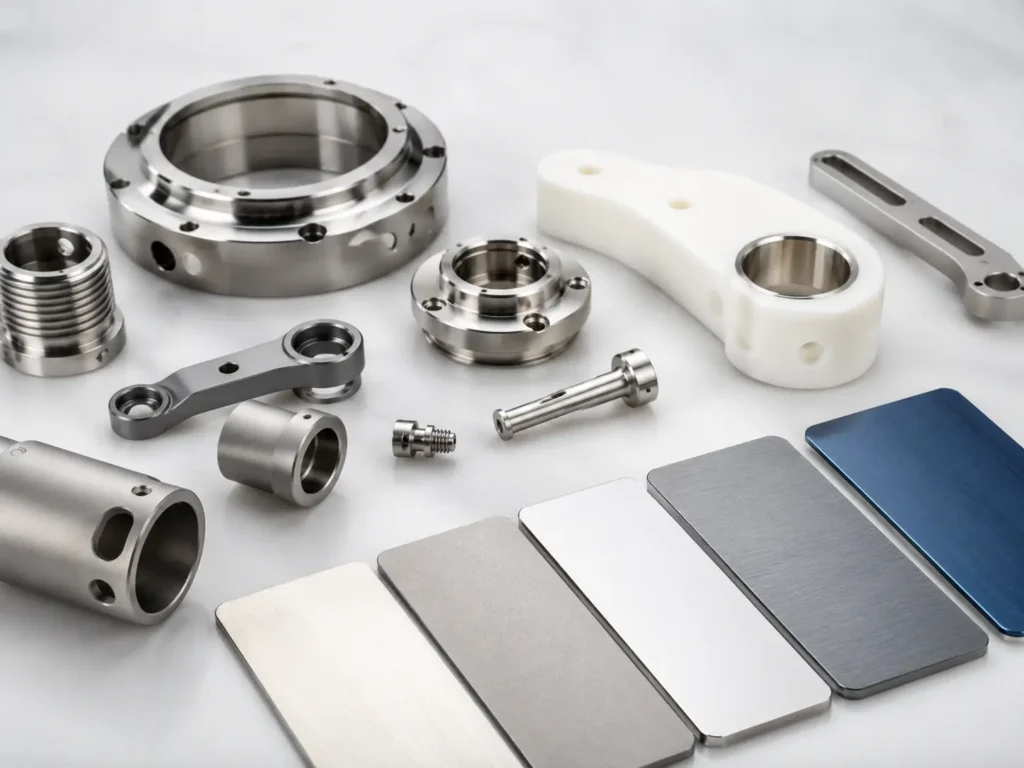
Match material, finish and medical application before production
Material and finish choices affect machining stability, surface quality, corrosion resistance, cleaning requirements and downstream assembly. Early review helps reduce avoidable production issues.
- Confirm medical-grade material and stock availability.
- Review surface finish and cleaning expectations before machining.
- Consider tolerance, inspection and application requirements.
For medical device RFQs, please share material grade, surface finish requirement, tolerance notes, application details and inspection needs together with your drawing or 3D file.For aerospace RFQs, please share material grade, finish requirement, tolerance notes and documentation needs together with your drawing or 3D file.
Common Materials
Material selection should be reviewed together with biocompatibility, dimensional stability and cleaning requirements.
| Material | Typical Use | Review Focus |
|---|---|---|
| Titanium | Medical device components, lightweight structural parts and high-strength precision parts. | Tool wear, surface finish, burr control and inspection requirements. |
| Stainless Steel | Surgical-related components, instrument parts, housings and durable medical hardware. | Corrosion resistance, passivation, edge quality and dimensional consistency. |
| PEEK | Insulating parts, lightweight components and high-performance medical device applications. | Clamping, deformation control, edge quality and tolerance stability. |
| PTFE / Engineering Plastics | Low-friction parts, insulating components, spacers and functional plastic parts. | Material softness, machining stability, burr control and dimensional changes. |
Surface Finishes
Surface finish should be confirmed before machining and inspection planning.
| Finish | Suitable For | Notes |
|---|---|---|
| Passivation | Stainless steel medical components requiring improved corrosion resistance. | Supports cleaner surfaces after machining and helps improve corrosion resistance. |
| Electropolishing | Selected stainless steel parts requiring smoother and cleaner surface conditions. | Surface smoothness, edge condition and part geometry should be reviewed first. |
| Precision Deburring | Small medical components, sharp edges, holes, slots and assembly interfaces. | Burr control is important for handling, assembly and inspection readiness. |
| As Machined / Fine Finish | Functional prototypes, device housings and internal medical equipment components. | Tool marks, surface roughness and critical contact areas should be confirmed. |
Engineering Note
Material and finish selection should be reviewed together with tolerance, part geometry, inspection method and final application. Tik Precision can provide practical DFM feedback before production starts.
Inspection-Ready Quality Support for Aerospace CNC Parts
Aerospace machined parts require more than a finished dimension. They need controlled inspection points, clear documentation and traceable production communication before acceptance.
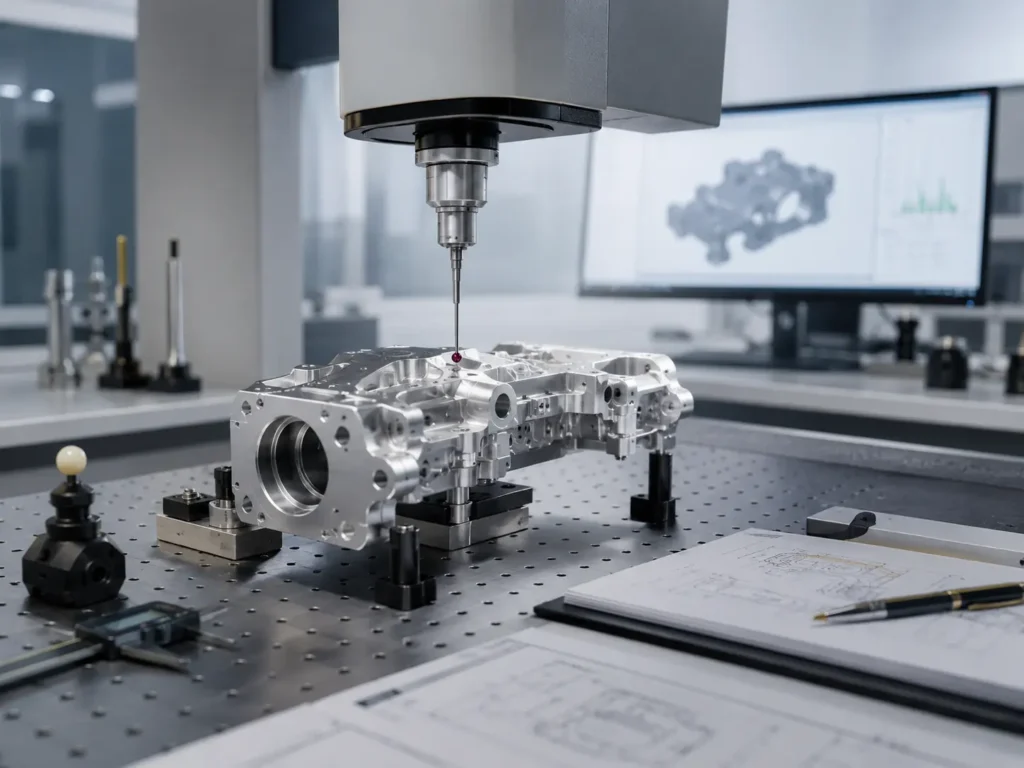
Quality planning starts before machining begins
For aerospace-related parts, quality control should be connected to drawing review, tolerance risk, material selection and inspection method. Tik Precision supports practical quality communication from RFQ to shipment.
CMM
Dimensional inspection
FAI
First article review
CoC
Document support
Inspection Workflow
A practical sequence for aerospace machining orders.
Drawing & Tolerance Review
Review critical dimensions, GD&T notes, material requirements and finish expectations before production.
Process & Inspection Planning
Plan machining strategy, fixture setup and inspection checkpoints around part risk.
First Article Verification
Check first-piece dimensions and communicate any risk before continuing production.
Final Inspection & Delivery
Support final dimensional checks, packaging control and documentation before shipment.
Quality Documents
Documentation can be discussed before quotation.
Dimensional Report
Inspection records for agreed critical dimensions.
Material Traceability
Material information support based on project needs.
Certificate of Conformance
CoC support for selected aerospace machining orders.
FAI Communication
First-article feedback before repeat production.
QA
Quality Commitment
Material and finish selection should be reviewed together with tolerance, part geometry, inspection method and final application. Tik Precision can provide practical DFM feedback before production starts.
Medical Device Manufacturing Questions Before You Request a Quote
Find quick answers about medical device component materials, tolerances, surface finishes, inspection reports, traceability and low-volume production support.
Medical Device Manufacturing FAQ
These answers help medical device engineers and sourcing teams understand materials, tolerances, surface finishes, inspection support, traceability needs and low-volume production before requesting a quote.
Tik Precision supports precision components for medical device projects, including surgical instrument parts, orthopedic device components, diagnostic equipment parts, medical housings, connectors, fittings, micro components and custom precision assemblies.
For selected precision medical components, tolerance capability can be up to 0.002 mm depending on part geometry, material, feature size, machining process and inspection requirements. We recommend sharing drawings and critical dimensions for engineering review before quotation.
Common material options include stainless steel, titanium, aluminum alloys, PEEK, PTFE and other engineering plastics. Material selection should be reviewed based on strength, corrosion resistance, wear resistance, surface finish needs and final application requirements.
Yes. Tik Precision can support surface finish requirements such as precision polishing, electropolishing, passivation, anodizing and other finishing processes depending on the material and application. Surface roughness targets should be confirmed with drawings or specifications before production.
Yes. Inspection support can include CMM inspection, dimensional reports, surface checks and production records based on project requirements. Please confirm inspection scope, critical dimensions and documentation needs before quotation.
Yes. Tik Precision supports one-piece prototypes, small-batch validation and low- to mid-volume production for medical device components. This is useful for design verification, functional testing, pilot production and repeat production preparation.
Yes. Our engineering team can review drawings, material selection, tolerance risks, machining feasibility, surface finish requirements and inspection points before production. Early DFM feedback helps reduce avoidable machining issues and production delays.
Please send your 2D drawings or 3D CAD files, material grade, quantity, tolerance requirements, surface finish requirements, inspection needs and any application notes. If the part requires special handling, traceability or packaging requirements, please include those details as well.
Ready to Review Your Medical Device Component Project?
Send your drawings, 3D files, material grade, tolerance notes, surface finish requirements and inspection needs. Tik Precision will review your medical device component project and provide practical manufacturing feedback before production starts.
For a Faster Review, Please Include:
- 3D CAD file or 2D drawing
- Material grade and quantity
- Tolerance and surface finish requirements
- Inspection, traceability or documentation needs
- Target delivery schedule