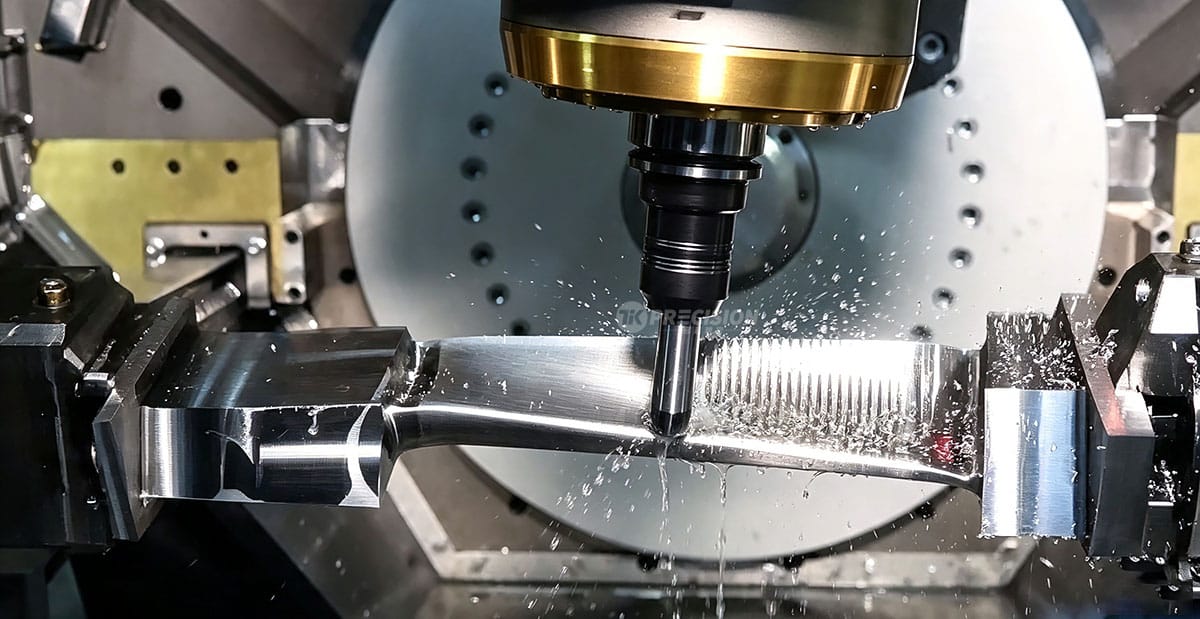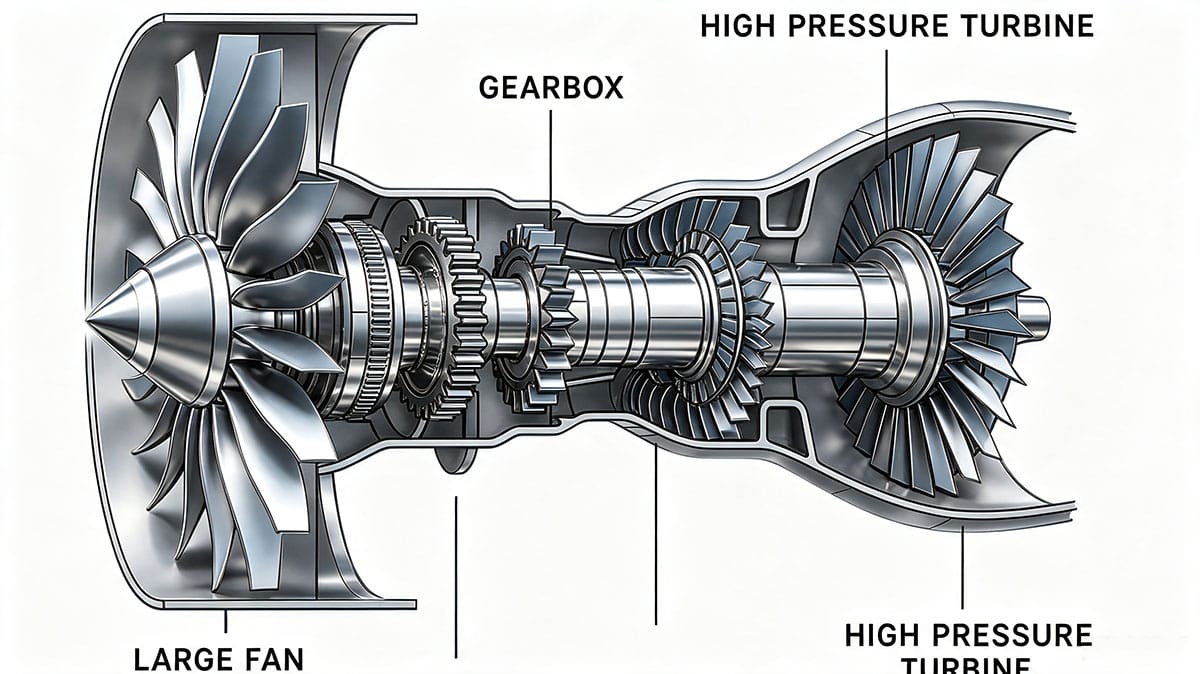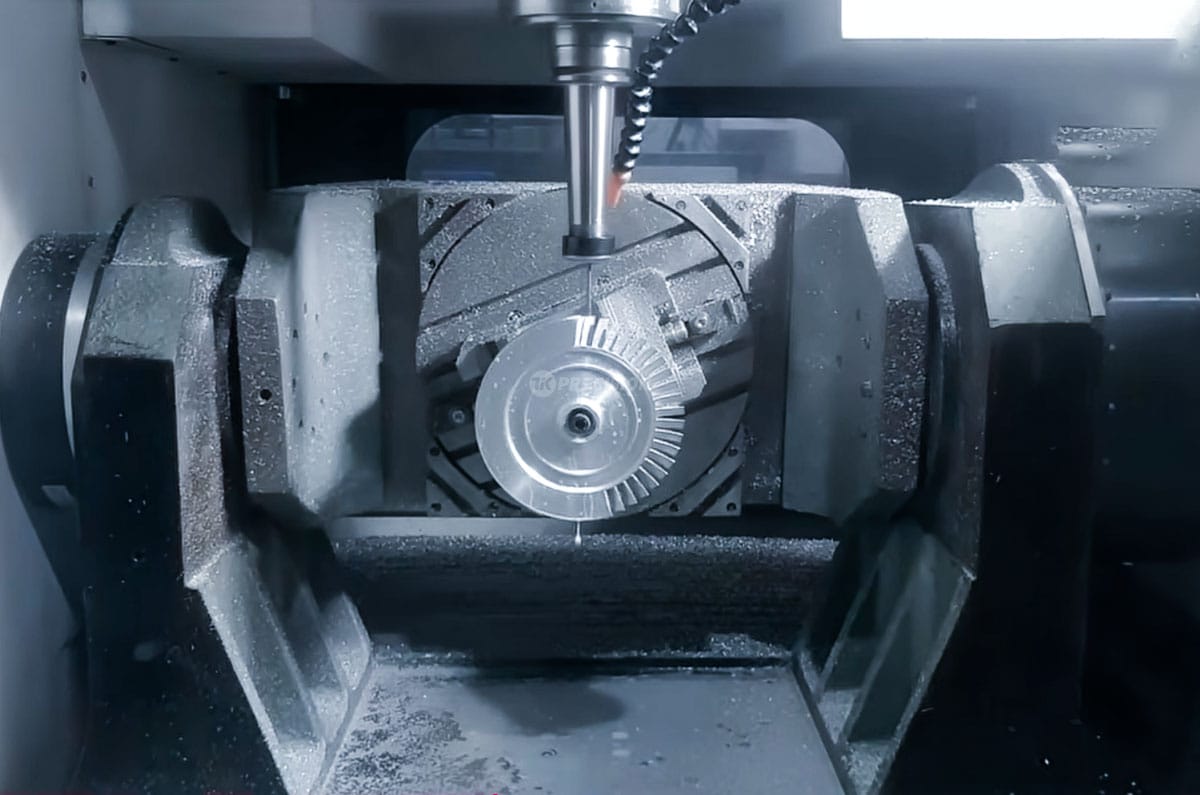
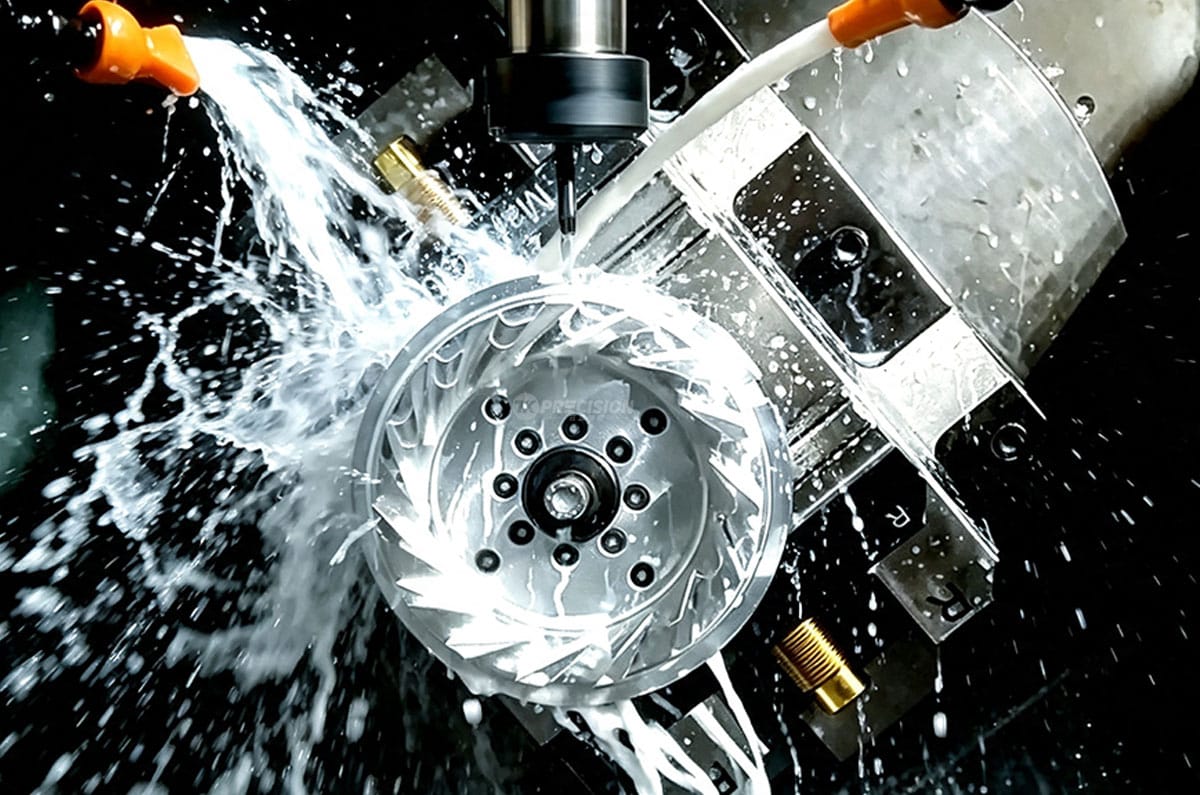
Turbine disks are among the most highly stressed rotating components in a jet engine. Serving as the structural hub that carries the turbine blades, each disk must survive enormous centrifugal loads, thermal cycling, and fatigue over the engine’s operational life. Mastering aerospace machining for these components requires exceptional process control and a deep understanding of rotating component design intent.
Structural and Functional Characteristics of Turbine Disks
Aero-engine turbine disks typically feature:
- A thick, high-strength hub section transitioning to a thinner rim carrying blade attachment slots
- Complex fir-tree or dovetail slots machined around the disk periphery for blade retention
- Tight bore and face tolerances to ensure balanced, concentric assembly with the rotor shaft
- Forged nickel-based superalloy or titanium construction, often processed via precision CNC machining for maximum reliability
Key Machining Difficulties
- Material removal from high-strength forgings: Turbine disk forgings result in high cutting forces and rapid tool wear.
- Fir-tree slot machining: These retention features require extremely tight profile tolerances, often produced using specialized 5-axis machining services.
- Residual stress management: Uncontrolled residual stress can significantly reduce service life in fatigue-critical rotating parts.
- Concentricity and balance requirements: Bore and rim features must be held to tight positional tolerances to avoid rotor imbalance.
Process Strategies for Reliable Production
- Segregated roughing and finishing operations with intermediate stress-relief treatment.
- Rigid fixturing to avoid distortion of thin rim sections during slot machining.
- Non-destructive testing such as ultrasonic inspection to detect subsurface defects.
Conclusion
Machining aero-engine turbine disks demands a combination of heavy-duty material removal and precision finishing. Suppliers with advanced CNC machining capabilities play an essential role in the aerospace turbine supply chain.