
Introduction to CNC Machining in Prototyping
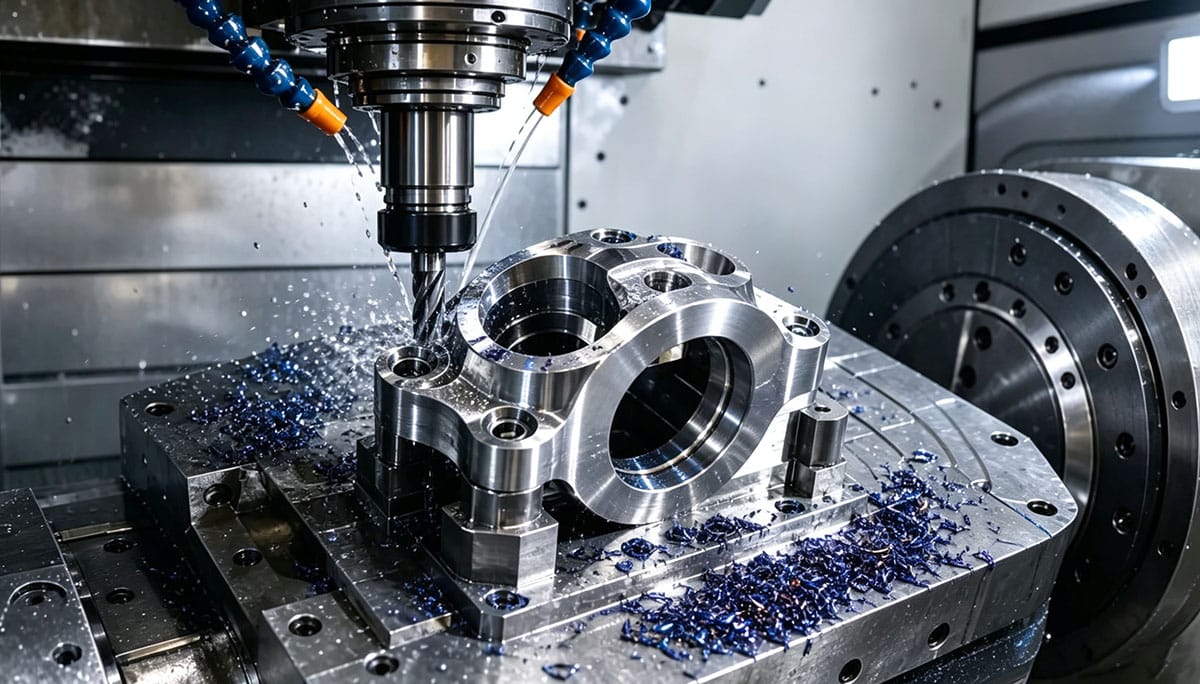
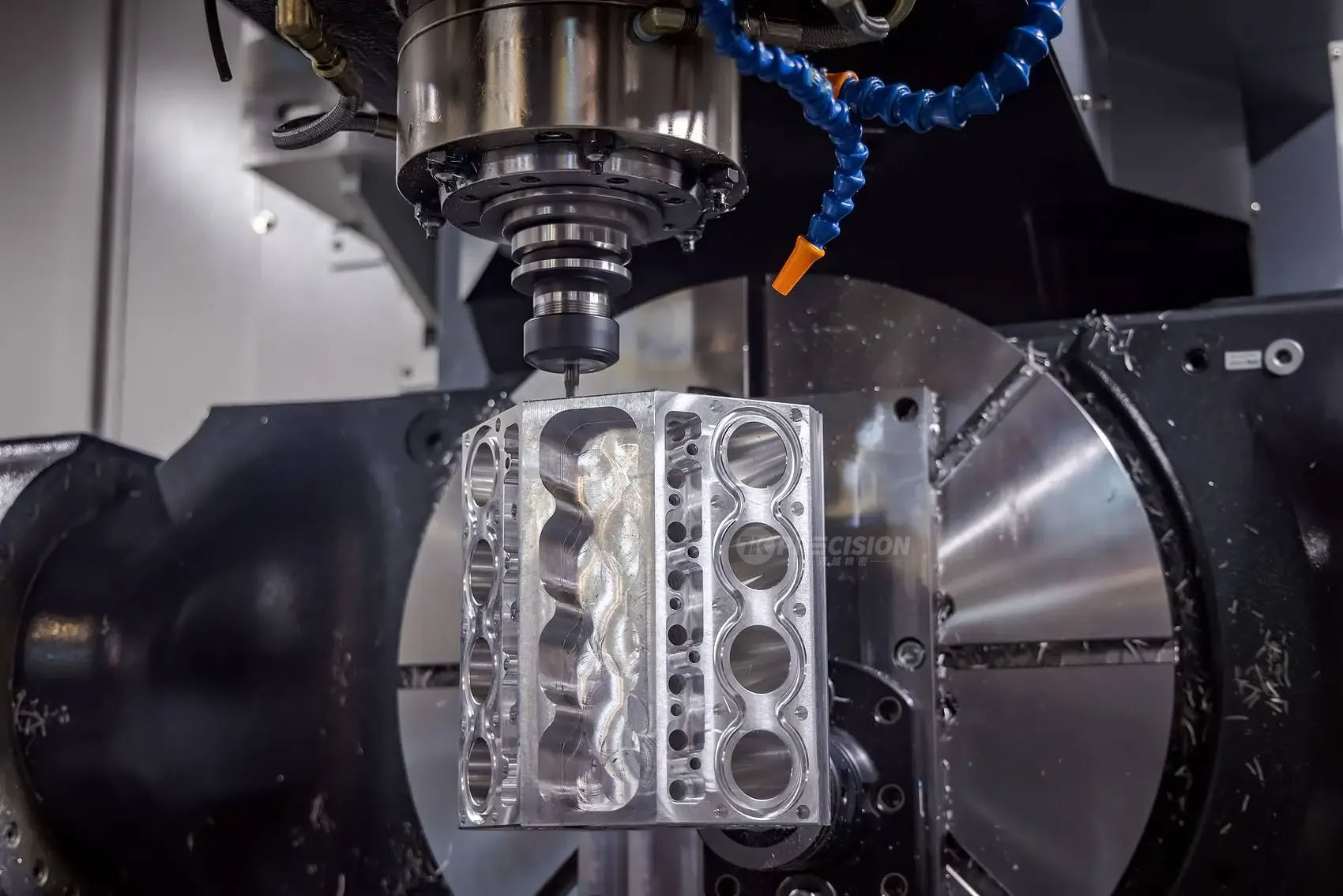
Prototyping is a critical step in product development, allowing designers and engineers to test their ideas, validate functions, and refine designs before committing to full production. CNC machining stands out as one of the best methods for producing high-quality prototypes due to its precision and ability to work with a wide variety of materials.
With CNC machines, companies can create functional prototypes that closely mimic the final product, offering a realistic sense of the design’s performance. Whether it’s metal, plastic, or composite materials, CNC machining delivers high-quality results with minimal waste and fast turnaround times.
Advantages of CNC Machining in Prototyping
CNC machining offers several key advantages in prototyping, including:
- Speed: CNC machines can produce prototypes quickly, reducing lead times and speeding up the product development process.
- Precision: CNC machines operate with high accuracy, allowing for prototypes that meet exact specifications.
- Flexibility: CNC machining can easily adapt to design changes, making it ideal for iterative prototyping.
These benefits make CNC machining an excellent choice for companies looking to bring new products to market faster while maintaining high-quality standards.
CNC Machining vs. 3D Printing for Prototypes
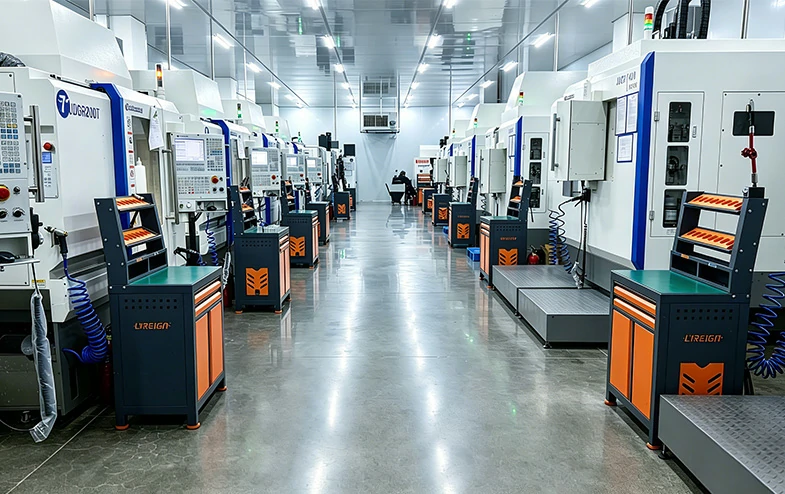
When it comes to rapid prototyping, both CNC machining and 3D printing are popular choices. However, each has its strengths and limitations. CNC machining excels in producing prototypes from high-strength materials like metals, providing superior surface finishes and mechanical properties. On the other hand, 3D printing is often faster for highly complex geometries and can work with more specialized materials like ceramics.
CNC machining is ideal for functional prototypes that require high precision and durability, whereas 3D printing is better suited for early-stage conceptual models and highly intricate designs.
Materials Used for CNC Machining Prototypes
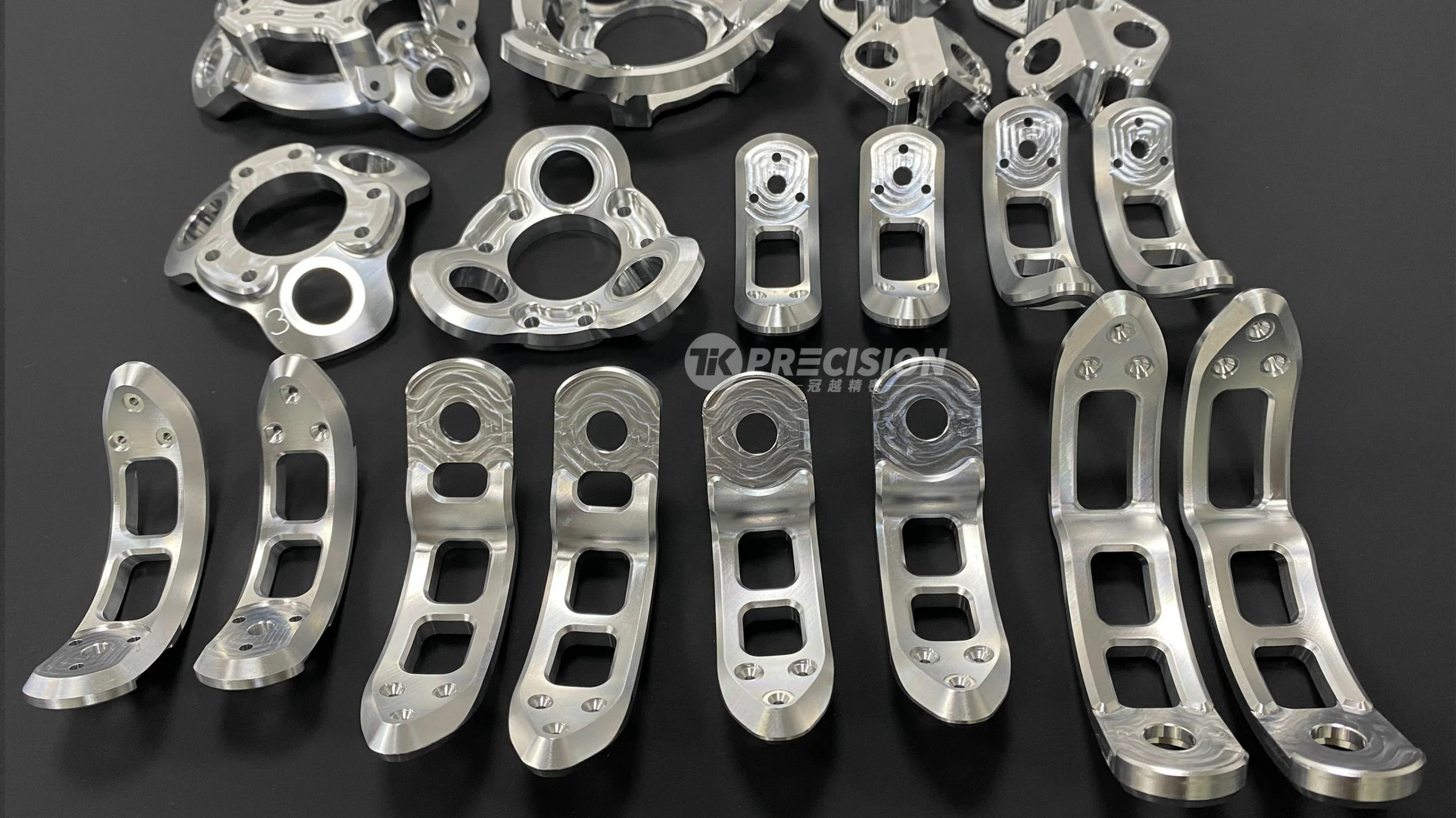
CNC machines can work with a broad range of materials, making them suitable for various types of prototypes. Common materials used in CNC prototyping include:
- Metals: Aluminum, steel, titanium, and brass are popular for prototypes requiring strength and durability.
- Plastics: ABS, nylon, and polycarbonate are often used for lightweight, cost-effective prototypes.
- Composites: Carbon fiber-reinforced polymers and other advanced composites are increasingly used for high-performance applications.
This material versatility allows companies to create prototypes that closely resemble the final product in terms of both form and function.
CNC Machining and Iterative Prototyping
The iterative nature of product development requires fast, accurate adjustments to prototypes. CNC machining supports this process by allowing for rapid design changes and reworking of prototypes as needed. Designers can refine their models, test different versions, and make incremental improvements without the need for new tooling or extensive reprogramming.
This capability accelerates the product development cycle and ensures that each iteration of the prototype moves closer to the final, optimized design.
Cost Considerations for CNC Machining Prototypes
While CNC machining offers many benefits, it’s important to consider the costs associated with the process. Compared to other prototyping methods, CNC machining can be more expensive, particularly for low-volume or one-off prototypes. However, the high precision and material quality often justify the investment, especially for functional prototypes that require stringent performance standards.
Factors that influence the cost include material choice, part complexity, and machining time. Still, CNC machining remains a cost-effective option for companies looking to produce reliable, high-quality prototypes that are ready for testing.
CNC Machining for Functional Prototypes
CNC machining is particularly well-suited for creating functional prototypes, which are fully operational models used to test the performance and durability of a product. These prototypes are critical for evaluating how a product will function in real-world conditions, especially for mechanical components, housings, or structural parts.
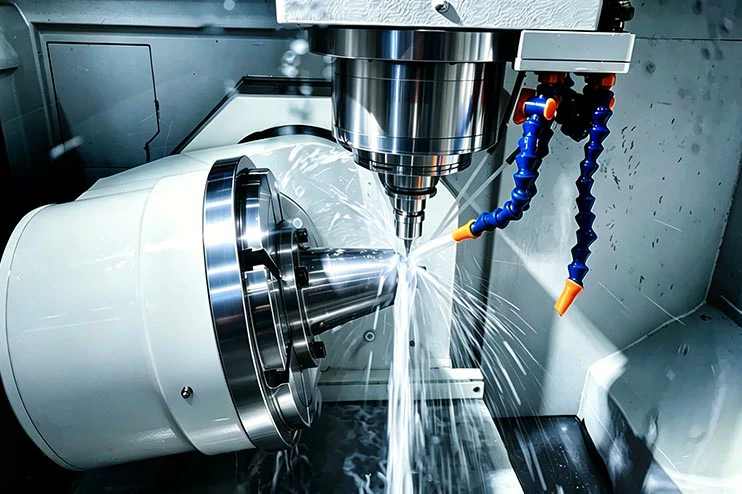
Functional prototypes made with CNC machining can undergo rigorous testing, including stress, fatigue, and environmental testing, making them ideal for industries like automotive, aerospace, and medical devices.
Case Studies: Successful CNC Prototyping Projects
Numerous companies have successfully used CNC machining to bring innovative prototypes to life. For example, in the automotive industry, CNC machining is often used to create engine components and transmission parts for testing. Similarly, the aerospace industry uses CNC prototypes to evaluate the aerodynamics and strength of structural components before committing to large-scale production.
These real-world applications highlight the value of CNC machining in delivering prototypes that closely replicate the final product, allowing for more accurate testing and faster product development cycles.
CNC Machining Software for Prototyping
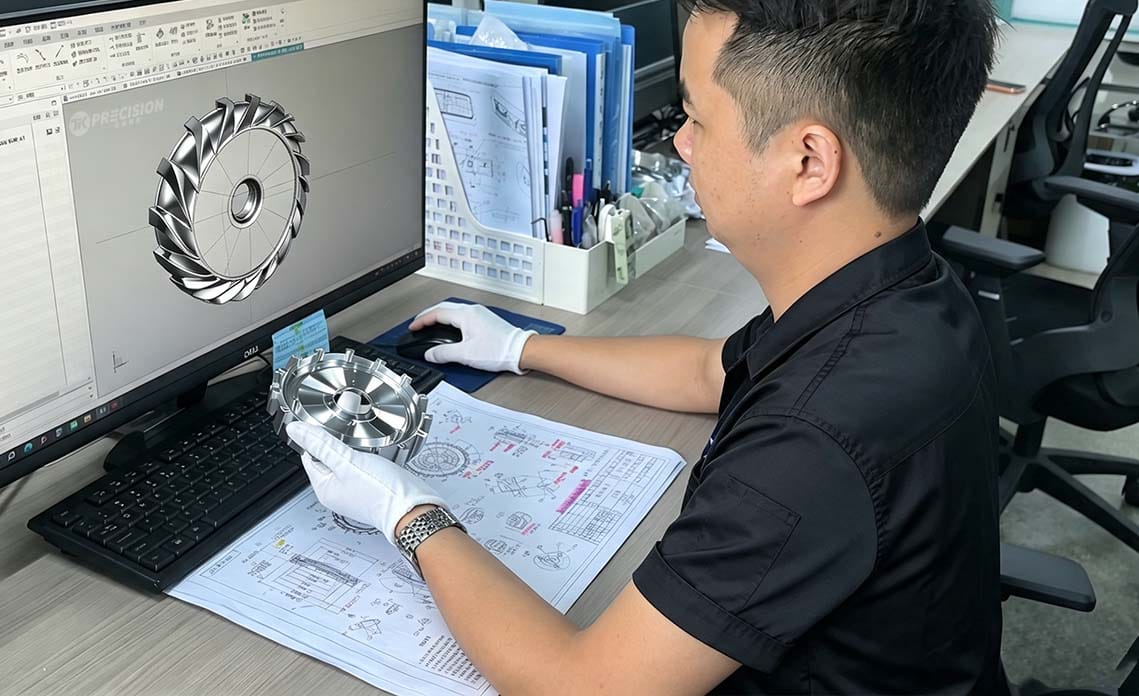
CAD (Computer-Aided Design) and CAM (Computer-Aided Manufacturing) software play a crucial role in CNC prototyping. These programs allow designers to create detailed 3D models, which are then translated into machine-readable instructions for CNC equipment.
Popular software options like SolidWorks, AutoCAD, and Fusion 360 offer powerful tools for creating and refining prototypes, ensuring that designs are translated accurately into physical parts. The seamless integration of CAD/CAM systems with CNC machines enhances the efficiency of the prototyping process.
Scaling from Prototypes to Production with CNC
One of the key advantages of CNC machining is the ability to easily scale from prototype production to full-scale manufacturing. Once the prototype has been tested and finalized, the same CNC equipment can be used to produce the final product in large quantities. This seamless transition from prototyping to production reduces lead times and ensures that the product maintains the same high level of quality.
For manufacturers, this scalability offers significant cost savings and efficiency, allowing them to go from concept to market faster.
CNC Machining for Customized Prototypes
CNC machining is ideal for creating customized prototypes. Whether for specialized medical devices, one-of-a-kind engineering solutions, or customized consumer products, CNC machines can be programmed to produce unique designs tailored to specific needs. This capability supports industries that require a high level of personalization in their products.
CNC Prototyping and Design Flexibility
The design flexibility offered by CNC machining is one of its most important advantages. Changes to the prototype design can be implemented quickly, allowing for real-time adjustments during the development process. This level of flexibility is critical for companies looking to innovate and iterate quickly.
CNC Prototyping for Startups and Inventors
Startups and inventors can benefit greatly from CNC prototyping, which allows them to create professional-grade prototypes without investing in expensive manufacturing equipment. CNC machining provides an accessible, affordable way to bring innovative ideas to life, enabling inventors to test their concepts, attract investors, and move toward production.
CNC Machining for Low-Volume Production After Prototyping
CNC machining is not only valuable for prototyping but also for low-volume production. After the prototype phase, companies can use CNC machining to create small batches of products without the need for expensive tooling. This capability is ideal for companies that need to produce limited runs for market testing or niche applications.
FAQs About CNC Machining for Prototyping
Why is CNC machining good for prototyping?
What materials can be used for CNC machining prototypes?
How does CNC machining compare to 3D printing for prototypes?
Can CNC machining create custom prototypes?
How does CNC machining help with iterative prototyping?
Is CNC machining cost-effective for prototyping?
While CNC machining may have higher upfront costs, its precision and quality often justify the investment, especially for functional prototypes.