
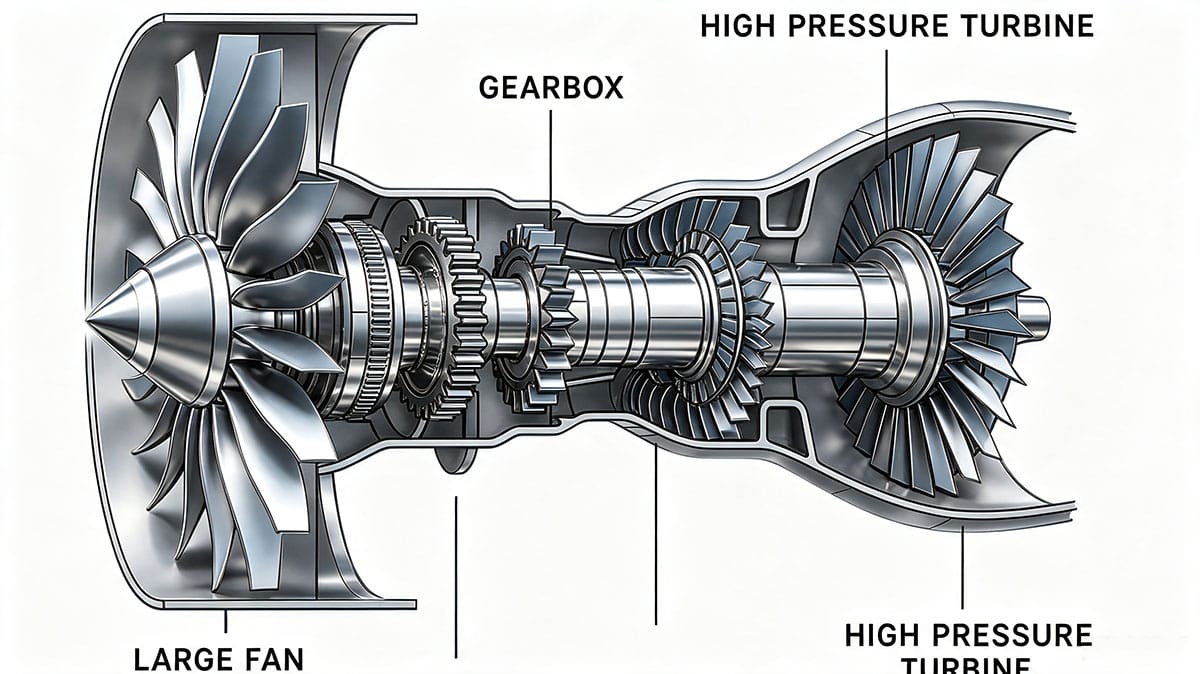
The aerospace industry is undergoing a massive shift. As commercial aviation and defense sectors demand higher engine efficiency and lower emissions, the manufacturing of turbine components is evolving from manual, experience-based methods to digital, data-driven precision manufacturing.
1. Breakthroughs in Machining Technology
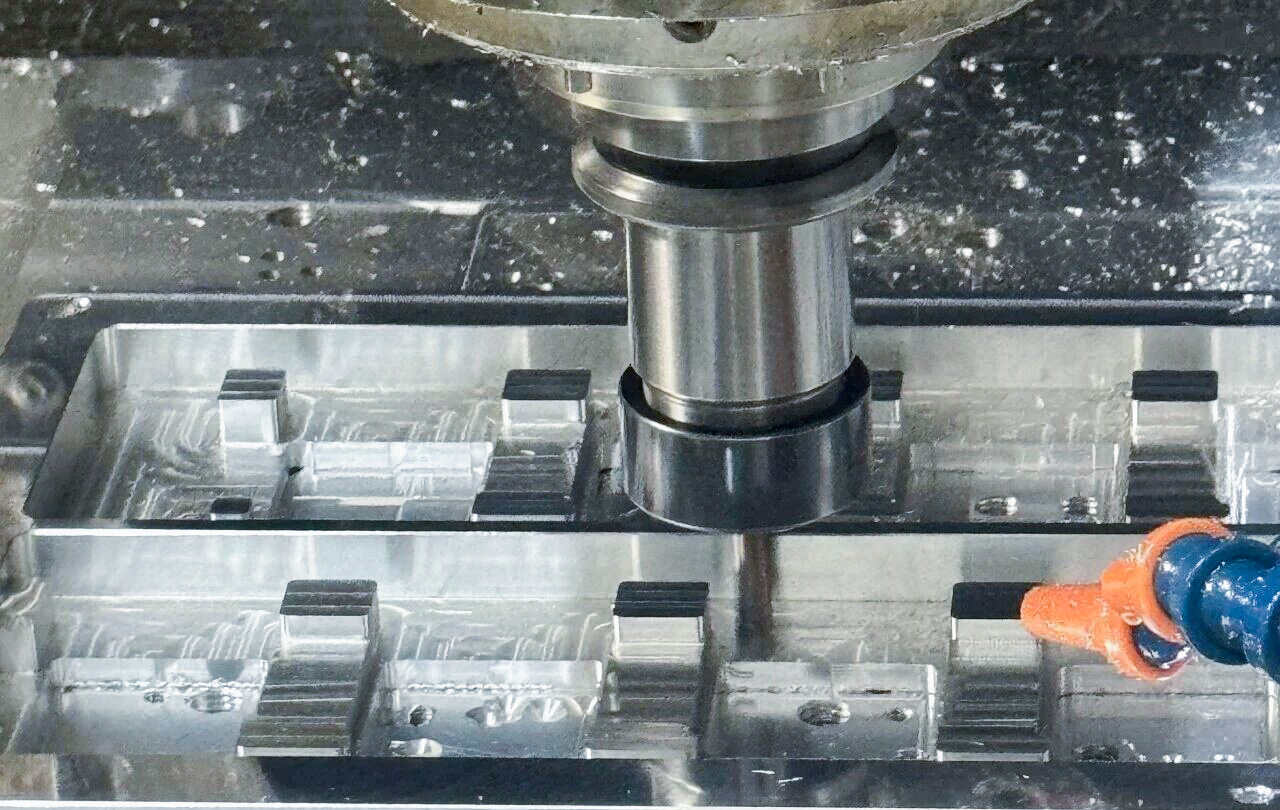
Modern machining is no longer just about cutting metal; it’s about speed and integrity. Key innovations include:
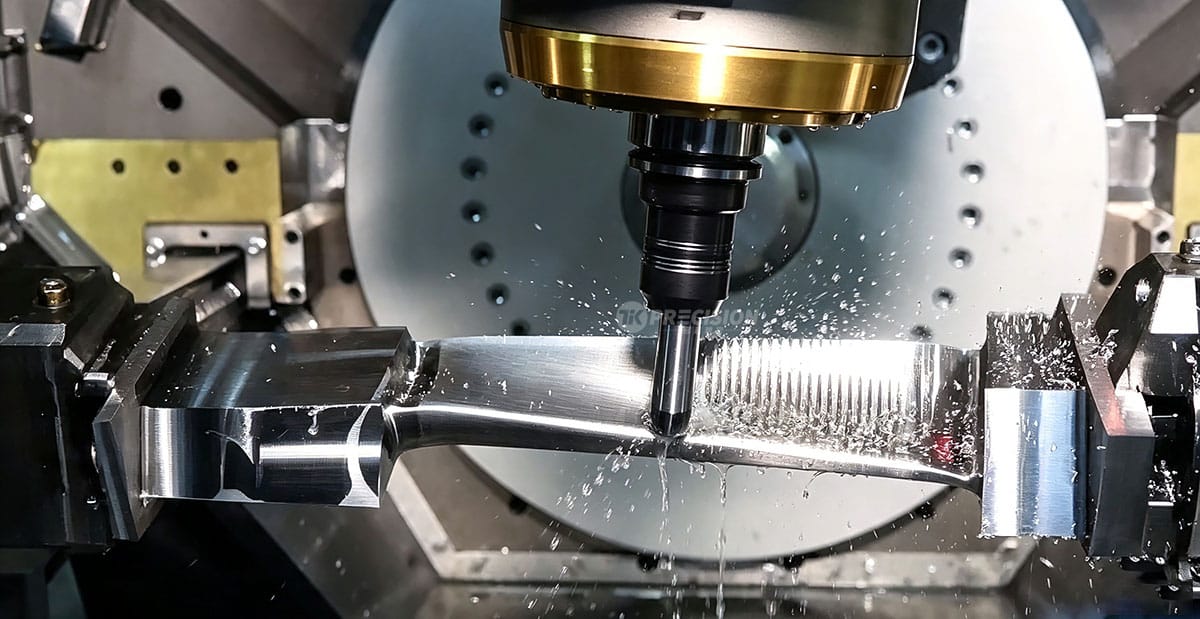
- High-Efficiency Strategies: New tool coatings and optimized parameters allow for faster material removal in superalloys and titanium without damaging the surface.
- Multi-Tasking Centers: Mill-turn machines reduce multiple setups into one, drastically improving accuracy and production speed.
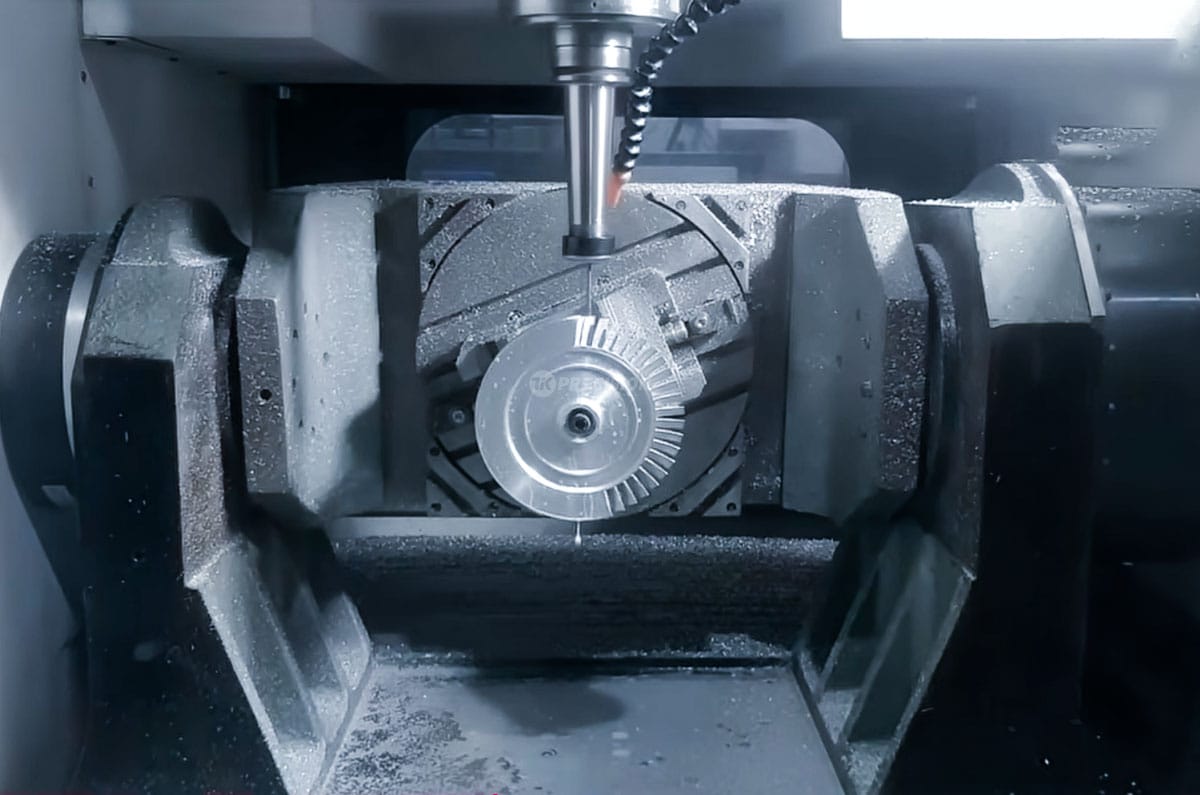
- Hybrid Manufacturing: Combining Additive Manufacturing (3D printing) with conventional 5-axis machining enables the creation of complex internal cooling passages that were previously impossible to make.
2. The Rise of Smart Manufacturing
Digitalization is removing the guesswork from the factory floor:
- Process Simulation: Engineers now use “Digital Twins” to predict thermal distortion and cutting forces before the first chip is even cut.
- Adaptive Machining: Real-time sensors provide data that allows machines to adjust their own toolpaths during production, ensuring perfect consistency across every batch.
3. Sustainable Aerospace Production
Sustainability is now a core requirement in the aerospace supply chain. Manufacturers are focusing on:
- Energy-efficient cutting parameters.
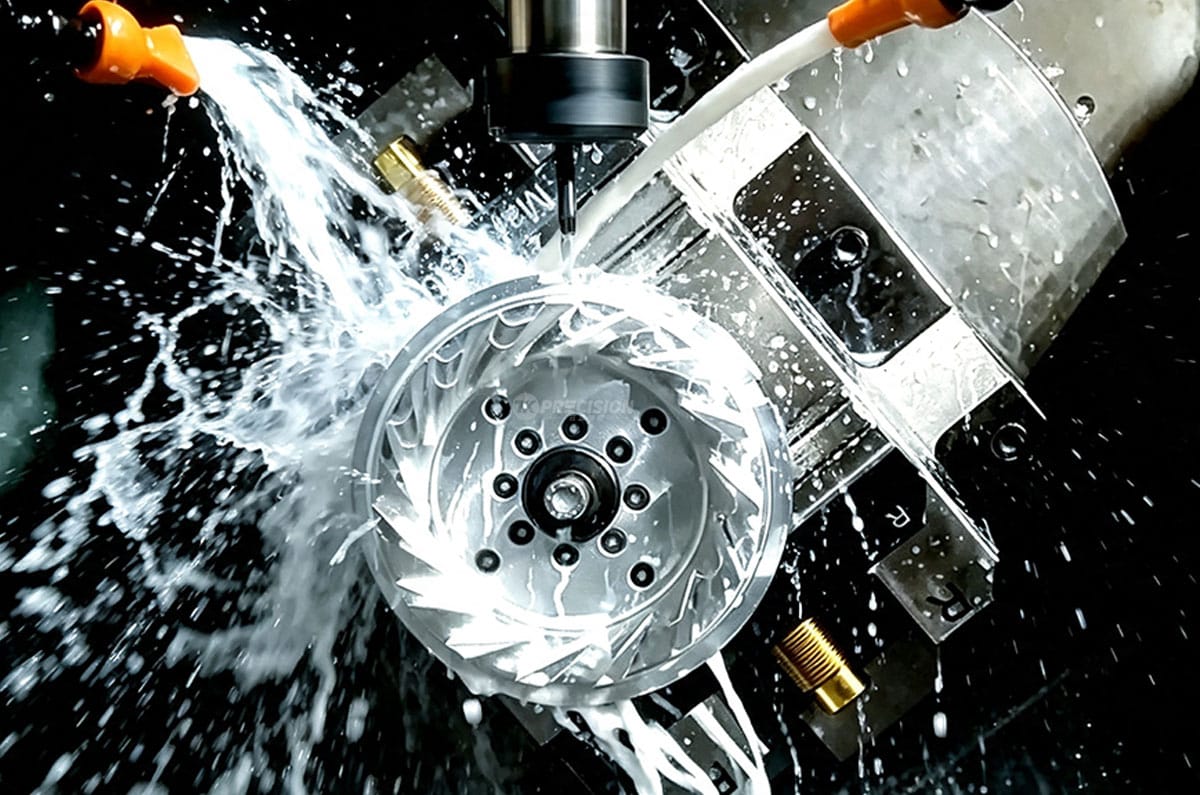
- Advanced coolant recycling systems.
- Extended tool life strategies to reduce raw material waste.
Conclusion
The competitive landscape for aerospace turbine manufacturing is consolidating. Success no longer depends solely on having the best equipment, but on integrating digital systems with deep material expertise. Suppliers who embrace these innovations will lead the next generation of flight.