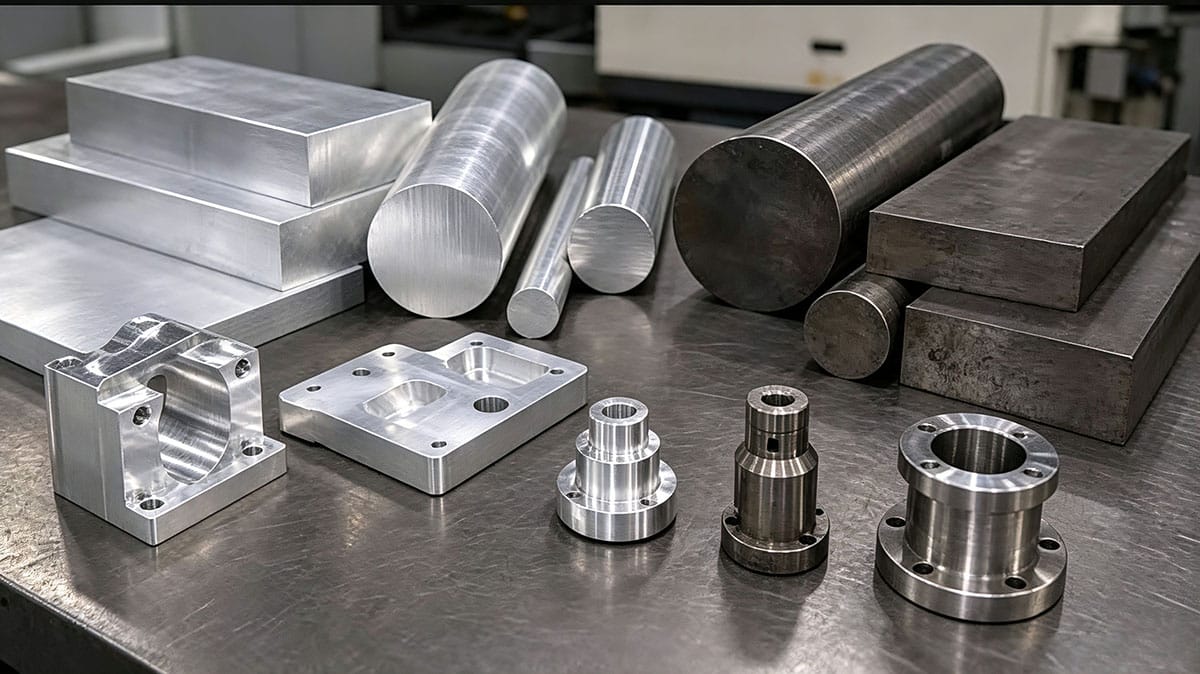
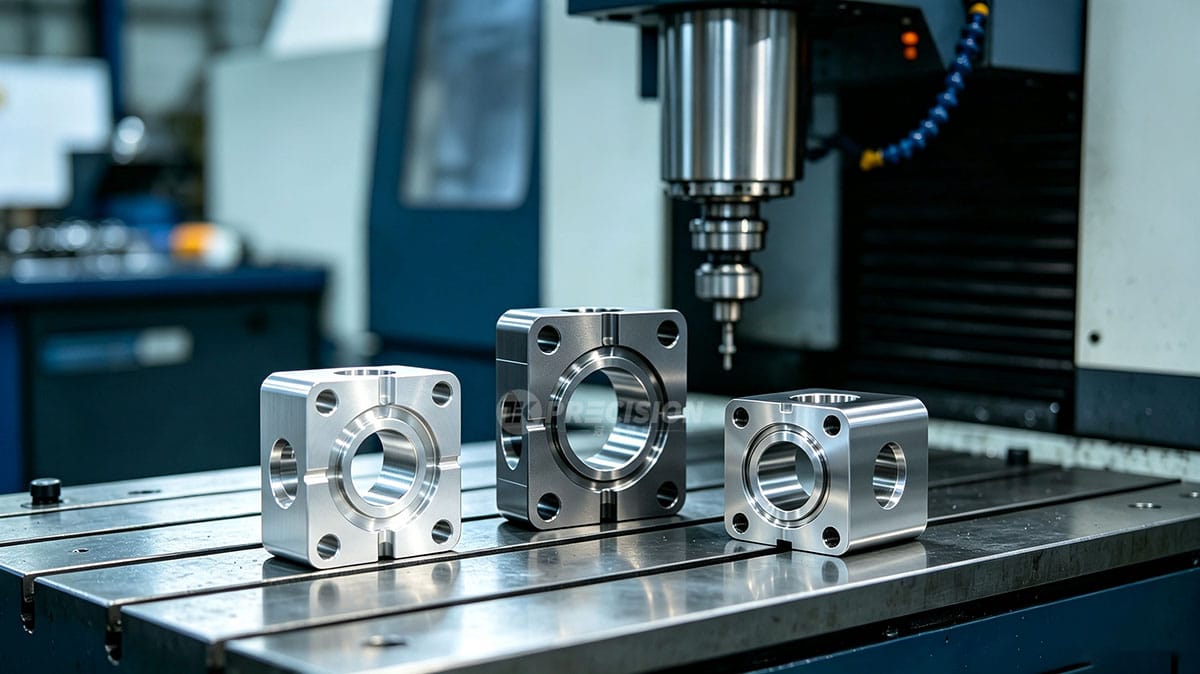
Material selection has more impact on part performance, cost, and lead time than almost any other decision in the design process. Choosing between aluminum, titanium, and stainless steel involves balancing mechanical properties with CNC machining costs. This CNC material selection guide provides a practical comparison of three common materials used in precision manufacturing.
Aluminum Alloys: The Versatile Standard for CNC Milling
Aluminum (6061, 7075, 5052) is the default choice for a large share of CNC milling services, and for good reason. It offers a perfect balance of cost and performance.
- Excellent Machinability: Faster cycle times lead to significantly lower machining costs.
- High Strength-to-Weight Ratio: Ideal for weight-sensitive applications in robotics and electronics.
- Corrosion Resistance: Naturally resistant and highly compatible with surface finishing like anodizing.
- Typical Applications: Machine housings, brackets, heat sinks, and robotics components.
Watch out for: Aluminum has lower absolute strength compared to steel or titanium. This makes it less suitable for high-load structural parts.
Titanium Alloys: High-Performance Strength in Aerospace Machining
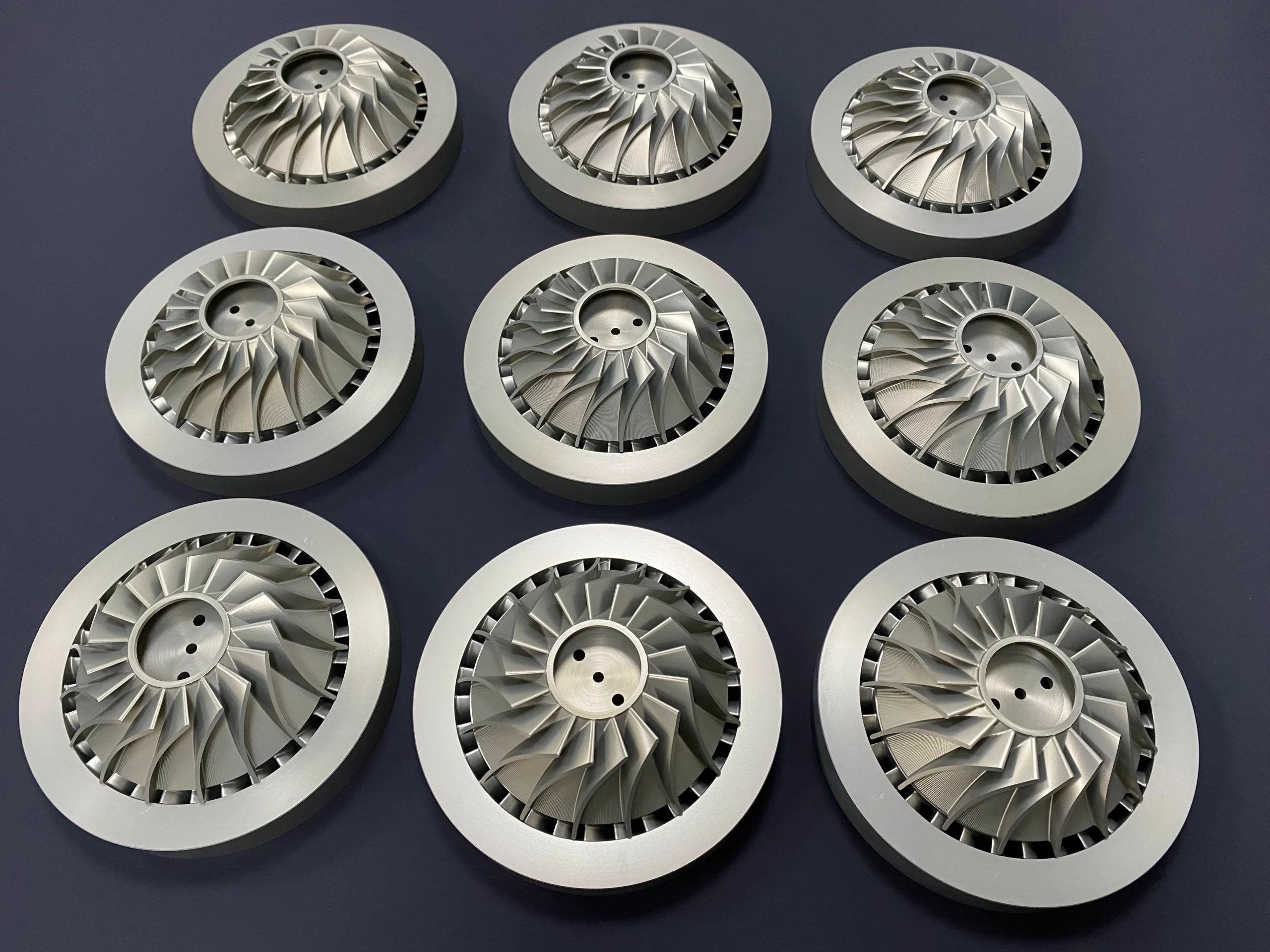
Titanium (Grade 2, Grade 5/Ti-6Al-4V) offers performance that outperforms most metals. It is especially vital in aerospace machining environments where extreme conditions are common.
- Extreme Strength: High mechanical strength combined with relatively low density.
- Heat Resistance: Titanium maintains its properties even at elevated temperatures.
- Biocompatibility: This is the standard choice for medical implants and surgical tools.
Watch out for: Titanium is notoriously difficult to machine. It generates significant heat and causes rapid tool wear. This leads to higher costs in both raw material and 5-axis machining time.
Stainless Steel: Durability for Medical Device Manufacturing
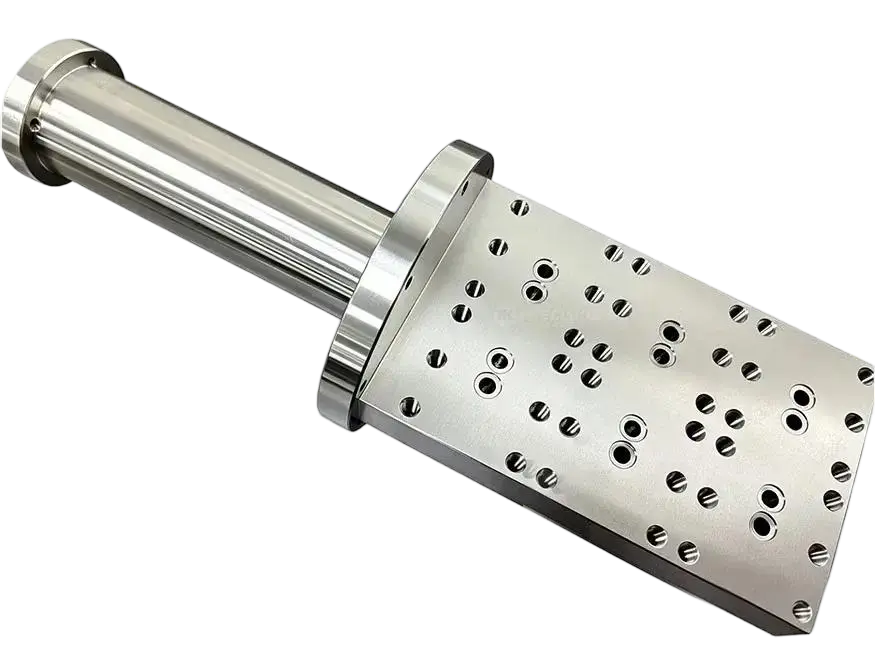
Stainless steel (304, 316L, 17-4PH) is chosen for its ruggedness. It is widely used in medical device manufacturing due to its environmental resistance.
- Superior Corrosion Resistance: Grade 316L is essential for marine or chemical environments.
- Wear Resistance: High hardness makes it ideal for components subject to mechanical wear.
- Stability: Excellent dimensional stability under heavy loads.
Watch out for: It is significantly heavier than aluminum or titanium. Machining requires rigid setups and slower speeds, which can impact lead times.
CNC Material Comparison Table
| Property | Aluminum | Titanium | Stainless Steel |
|---|---|---|---|
| Weight | Lightest | Light | Heaviest |
| Strength | Moderate | High | High |
| Corrosion resistance | Good | Excellent | Excellent |
| Machinability | Excellent | Difficult | Moderate |
| Relative cost | Lowest | Highest | Mid-to-high |
How to Choose the Right CNC Material
Start with functional requirements for your next CNC turning services or milling project. Consider these four factors:
- Weight Constraints: If weight is critical, prioritize aluminum or titanium.
- Environmental Exposure: For seawater or chemicals, choose titanium or 316L stainless steel.
- Budget and Speed: For low-cost prototypes and fast lead times, aluminum is the winner.
- Mechanical Load: High-stress components usually require titanium or high-grade stainless steel.
Frequently Asked Questions
Which material machines fastest? Aluminum machines fastest by a significant margin. Its softness allows for much higher cutting speeds.
Is titanium always best for aerospace? Not always. Aluminum is still preferred for non-critical structural parts where weight savings are key.
Why is 316L used in medical applications? Its molybdenum content provides superior resistance to bodily fluids and sterilization.
Conclusion
Choosing the right material is essential for successful precision manufacturing. Whether you need the lightweight versatility of aluminum or the extreme strength of titanium, Tik Precision can help. Contact our engineering team today to match the right material and machining process for your project.