Medical device components — from surgical instruments to orthopedic implants — must meet standards that go beyond typical industrial parts. Biocompatibility, precise tolerances, and clean manufacturing environments are all part of the equation. For related design and process guidance, see our article on How Precision CNC Machining Powers the Medical Device Industry.
Common Materials in Medical CNC Machining
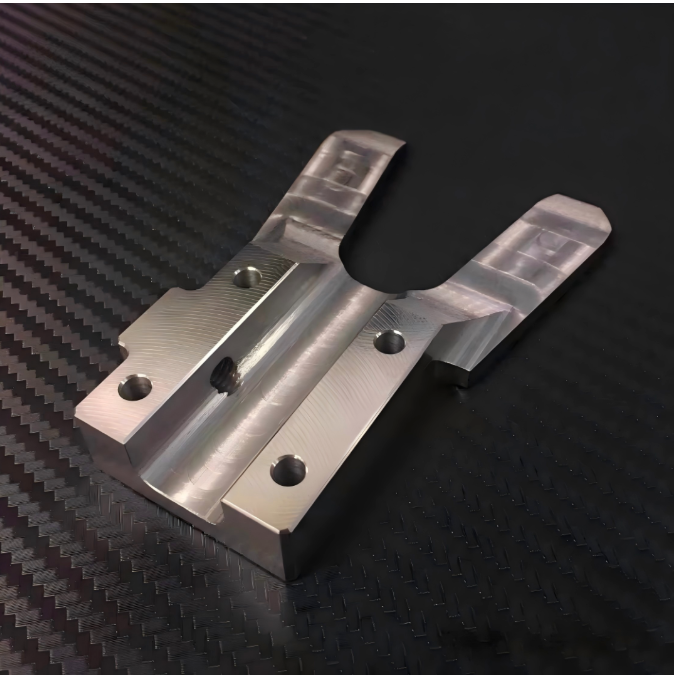
- Titanium (Grade 5, Grade 23): Biocompatible, corrosion-resistant, and strong enough for load-bearing implants like spinal and orthopedic hardware
- 316L Stainless Steel: Widely used for surgical instruments due to its corrosion resistance and ability to withstand repeated sterilization
- PEEK (Polyetheretherketone): A high-performance engineering plastic used for spinal cages and other implants where a metal-free, radiolucent material is preferred
Typical Applications
- Orthopedic and spinal implants
- Surgical instruments and handles
- Trauma plates and screws
- Diagnostic device housings and fixtures
Tolerance Requirements
Medical components, particularly implants and instruments with moving parts, often require tolerances in the ±0.01mm to ±0.002mm range to ensure proper fit, function, and repeatability across a production batch. Surface finish is equally important — smooth, consistent finishes reduce bacterial adhesion and improve biocompatibility.
Surface Finishing Considerations
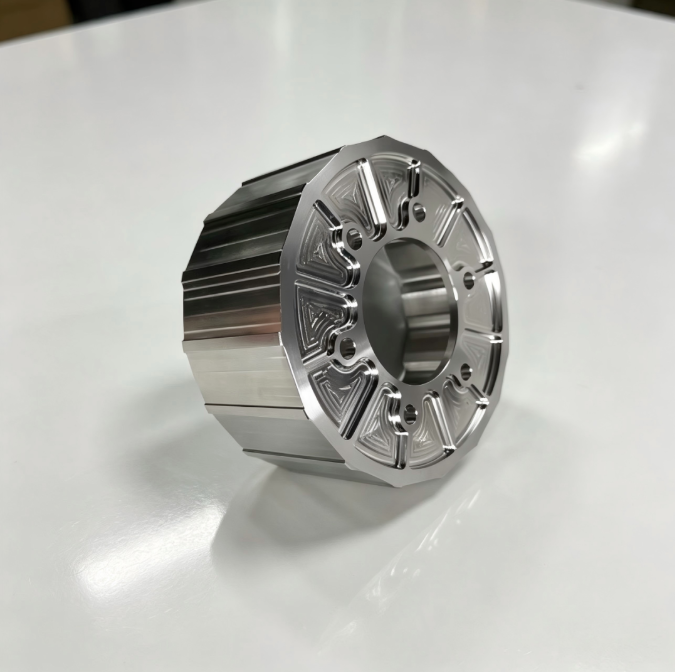
- Passivation is standard for stainless steel medical parts to maximize corrosion resistance
- Electropolishing improves surface smoothness beyond what mechanical polishing alone can achieve, important for parts requiring repeated sterilization
- Anodizing is used on titanium and aluminum components for color-coding surgical instrument sets
Documentation and Traceability
Medical device manufacturing typically requires:
- Material certificates confirming biocompatible-grade material
- Dimensional inspection reports for critical features
- Batch traceability linking finished parts back to raw material lots
Working With a Machining Partner for Medical Parts
Because medical devices often go through regulatory review, working with a machining partner that understands documentation requirements — not just the machining process itself — helps avoid delays during device approval. Clear communication about tolerance criticality, material certification needs, and inspection expectations upfront prevents rework later.
FAQ
Why is titanium commonly used for medical implants? Titanium is biocompatible, corrosion-resistant, and has a strength-to-weight ratio suitable for load-bearing applications like spinal and orthopedic implants, with minimal risk of adverse tissue reaction.
What is electropolishing and why is it used on medical parts? Electropolishing is an electrochemical process that removes a thin layer of material to create an extremely smooth, clean surface, reducing bacterial adhesion points and improving corrosion resistance on stainless steel parts.
Do medical CNC parts always need material certificates? In most cases yes, particularly for implantable devices or instruments subject to regulatory review, where traceability to a certified material batch is required.
What tolerance is typical for surgical instrument components? Many surgical instrument features require ±0.01mm to ±0.002mm tolerances to ensure consistent fit and function, particularly for moving joints and mating parts.
Developing a medical device component? Share your drawing, material, and documentation requirements for an engineering review.