
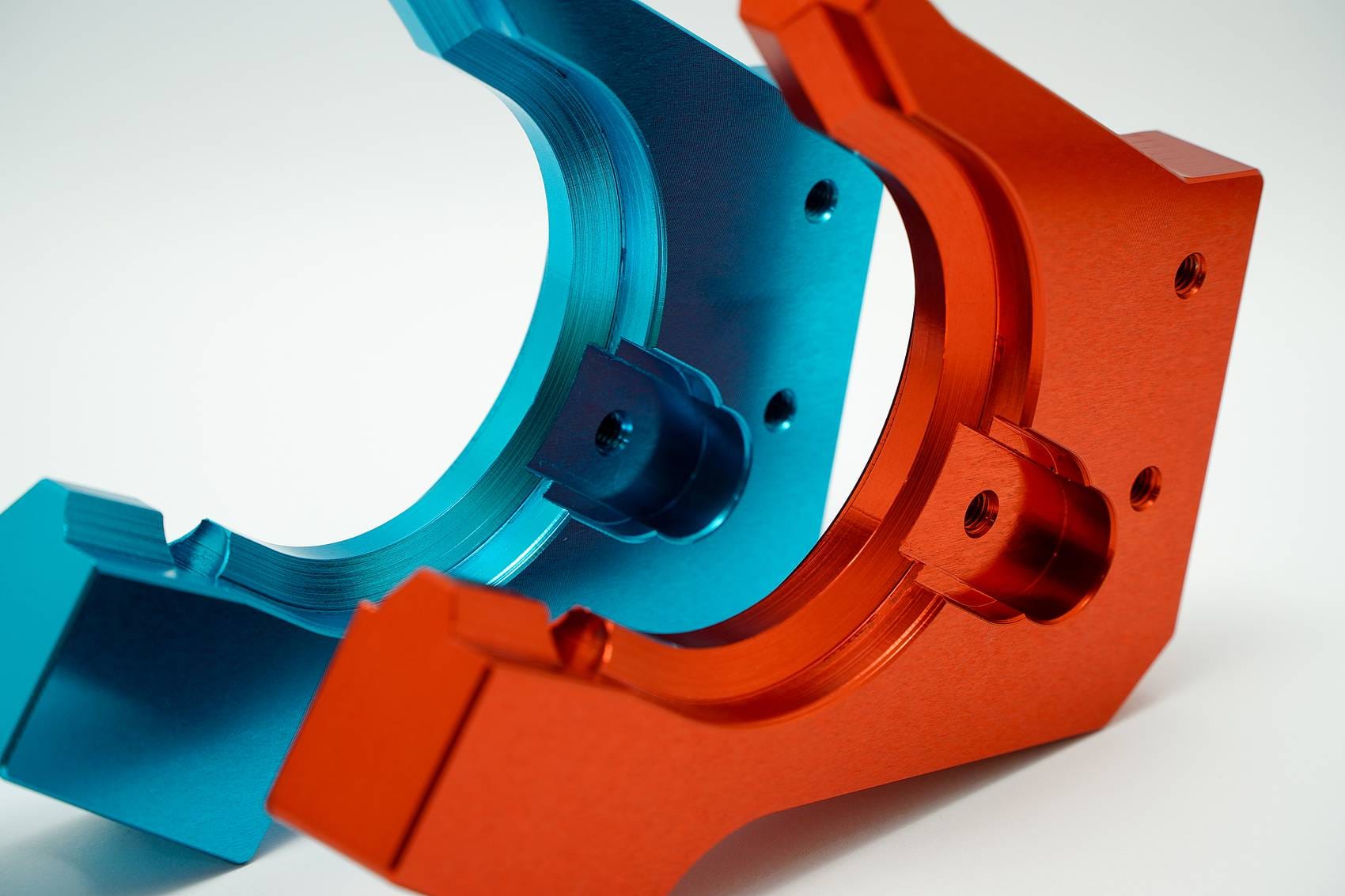
Quick answer: Aluminium anodizing colours come from a porous aluminium oxide layer. Dyes, electrolytic colouring, or the natural alloy finish create the colour. Common options include silver, black, gold, bronze, blue, red, and green. The best choice depends on the alloy, anodizing type, environment, and colour requirements.
What are aluminium anodizing colours?
Aluminium anodizing colours are durable finishes for aluminium parts. Anodizing uses an electrochemical process to create a controlled oxide layer. This layer improves corrosion resistance, surface hardness, and appearance.
Unlike paint, anodizing becomes part of the aluminium surface. However, the final colour can vary. Alloy composition, surface preparation, oxide thickness, dye concentration, sealing, and production conditions all affect the result.
How does anodizing create colour?
The process has four main steps:
- Surface preparation: The part is cleaned, etched, or brightened.
- Anodizing: An electrical current forms a porous oxide layer.
- Colouring: The pores absorb dye, or electrolytic colouring adds metal salts.
- Sealing: Sealing improves colour stability and corrosion resistance.
Several factors affect colour matching. These include the alloy, machining marks, grain direction, bath chemistry, temperature, film thickness, and sealing conditions. Therefore, approve a sample before starting a large production batch.
Common aluminium anodizing colours
| Colour | Typical appearance | Common applications |
|---|---|---|
| Natural silver | Clean metallic aluminium tone | Industrial parts, enclosures, and architectural components |
| Black | Modern, low-reflective, or satin finish | Electronics, instruments, and machine components |
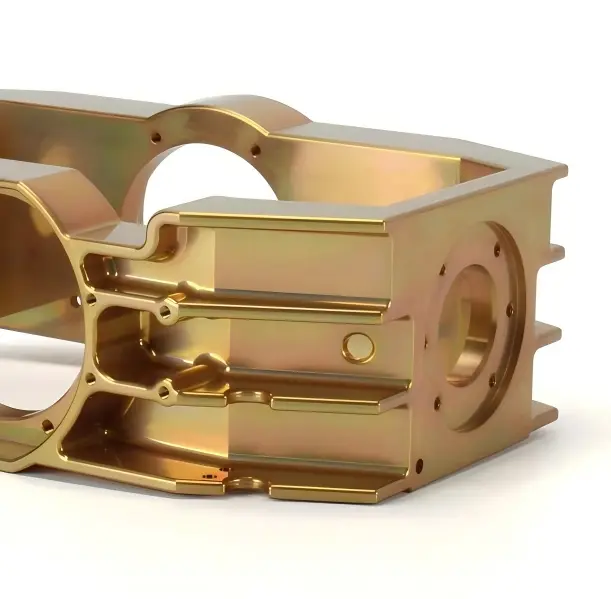
| Gold | Warm metallic decorative finish | Consumer products, trim, and branded components |
| Bronze | Brown to dark bronze metallic tone | Architecture, panels, and premium hardware |
| Blue, red, and green | Branded or high-visibility colours | Consumer products, identification, and design parts |
An anodizing colour chart can help you choose a starting shade. Screen and printed colours are not exact, though. Always confirm the final colour with a sample made from the specified alloy and surface finish.
Type II and Type III anodizing colour options
Type II anodizing
Type II anodizing suits decorative finishes and general corrosion protection. Its porous oxide layer accepts dyes well. As a result, it supports colours such as black, blue, red, green, and gold. It is often used for indoor products and areas with moderate outdoor exposure.
Type III hard anodizing
Type III is also called hard anodizing. It creates a thicker and harder oxide layer. This gives the part better wear resistance. Natural grey, dark grey, and black are common results. Type III offers fewer colour options because the thick film and alloy affect dye absorption.
What is custom anodizing?
Custom anodizing matches a project’s colour, gloss, texture, alloy, and performance needs. It can include a custom shade, matte or bright finish, brand colour matching, masking, selective anodizing, or a specified Type II or Type III process.
For better consistency, define the alloy, surface preparation, colour reference, acceptable shade range, gloss level, film thickness, sealing requirements, and inspection method. Approve physical samples made under production conditions.
How to choose the right anodize solution
- Function: Consider corrosion resistance, wear resistance, hardness, and appearance.
- Environment: Consider indoor, outdoor, marine, chemical, and high-UV exposure.
- Alloy: Different aluminium alloys can produce different shades.
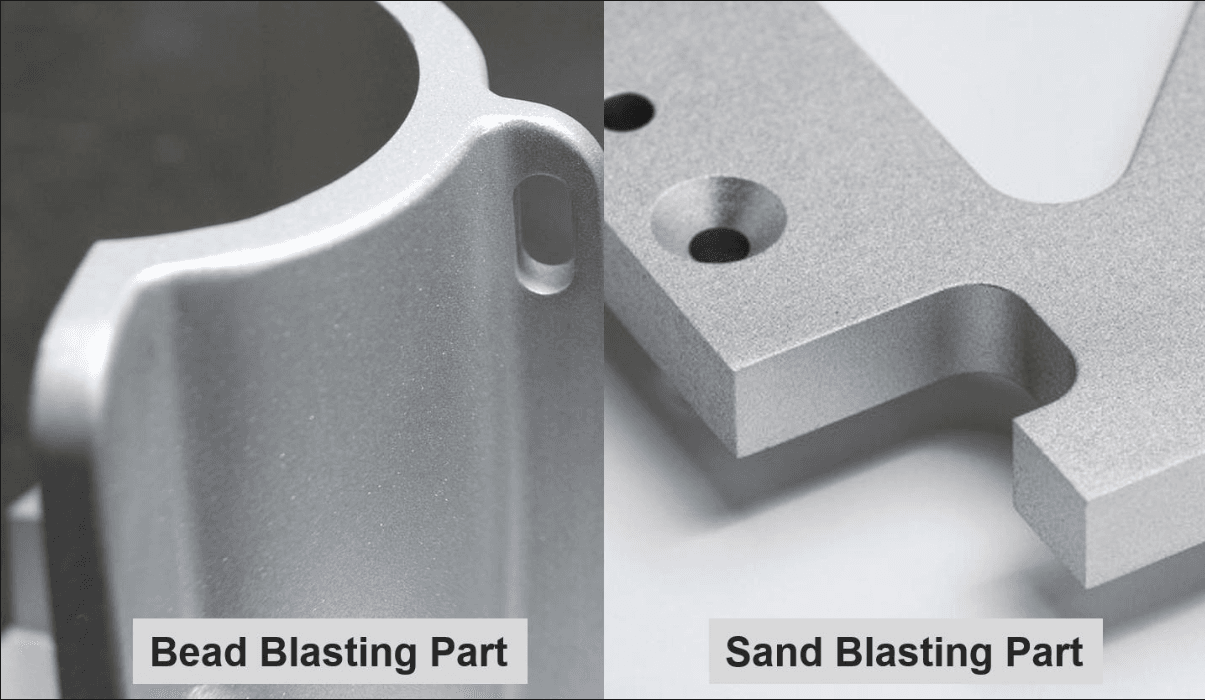
- Surface finish: Machining, blasting, brushing, and polishing create different results.
- Colour consistency: Approve samples and define inspection tolerances.
- Masking and dimensions: Allow for film growth when close tolerances are important.
Applications of anodized aluminium
Coloured anodized aluminium is used in consumer electronics, automotive and aerospace components, architectural panels, medical equipment, industrial equipment, enclosures, fixtures, and branded products. Silver and natural finishes provide a technical look. Black, gold, bronze, and custom colours support product design and brand identity.
How Tik Precision supports anodizing projects
Tik Precision supplies precision-machined aluminium components for anodizing. Our support includes controlled machining, surface-quality checks, and design guidance. We can also coordinate colour, masking, finish, and inspection requirements. Share your drawings, alloy, quantity, and finish target to discuss a suitable anodize solution.
Frequently asked questions
What is the most popular aluminium anodizing colour?
Black and natural silver are popular choices. Both offer a clean appearance and suit many industrial and commercial applications.
Can aluminium be anodized in any colour?
No. The available range depends on the method, alloy, dye or electrolytic process, and durability requirements. Use a physical sample to confirm a custom colour.
Does anodizing change aluminium dimensions?
Yes. Anodizing adds an oxide layer and can affect close-tolerance dimensions. Consider allowances and masking during part design.
Are anodized colours UV resistant?
UV resistance varies by colourant, process, and exposure. For outdoor use, specify the environment and request a suitable process and sample evaluation.
How can colour consistency be improved?
Use the same alloy and surface preparation for every batch. Control the anodizing parameters, approve a representative sample, and define inspection criteria before production.
Conclusion
Aluminium anodizing colours combine appearance, corrosion resistance, and surface durability. Type II is commonly used for decorative colours. Type III is preferred when wear resistance is the main priority. Specify the alloy, finish, colour reference, and performance requirements early. This will help you achieve more consistent anodized components.
Contact Tik Precision to discuss precision-machined aluminium parts and custom anodizing requirements.