
CNC Machining Aluminum Alloys: The Complete Technical Guide (6061, 7075 & More)

Picture of Kenny Gan
Kenny Gan
Precision CNC Machined Aluminum Components for Motors
Share

Table of Contents

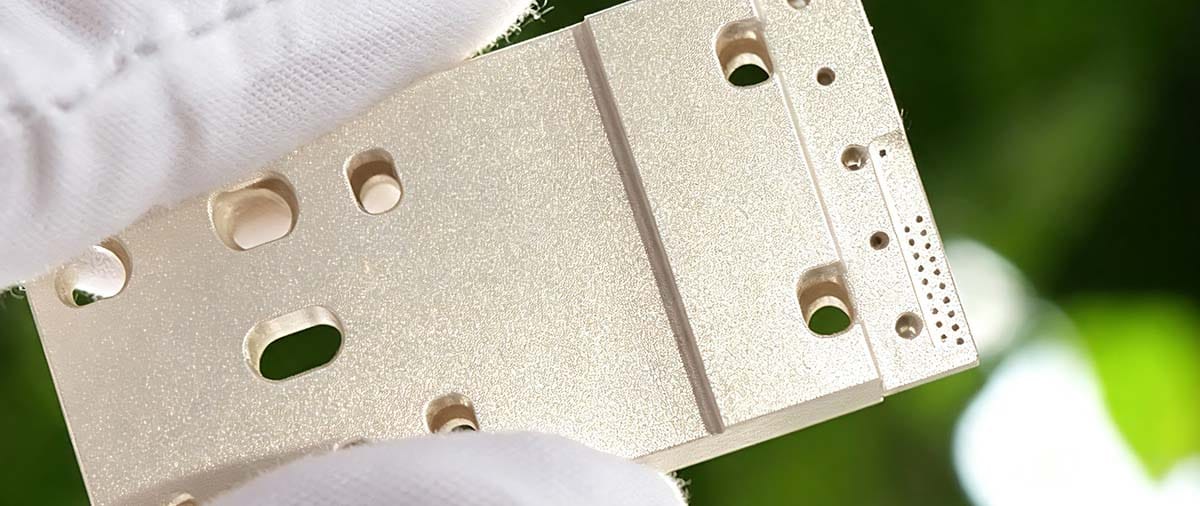
Aluminum is the most commonly machined metal in CNC manufacturing — and for good reason. It cuts quickly, holds tight tolerances, costs less than steel or titanium, and can be anodized for corrosion resistance and aesthetics. However, “aluminum” is not one material — it is a family of alloys with dramatically different properties. Choosing the wrong alloy or machining it with the wrong parameters can mean the difference between a profitable part and expensive scrap. This guide covers the aluminum alloys you will encounter in CNC machining services and how to machine each one correctly.

Why Aluminum Machines So Well

Aluminum’s exceptional machinability comes from its physical properties, allowing for high-speed production while maintaining strict CNC machining tolerances:

  • Low cutting forces: Aluminum requires roughly one-third the cutting force of steel — meaning less tool deflection and faster feeds.
  • High thermal conductivity: Heat is carried away by the chip rather than the tool tip, allowing for extreme cutting speeds.
  • No work hardening: Unlike stainless steel, aluminum does not harden during the cut.
  • Non-abrasive: Reduced tool wear compared to cast iron or stainless steel.

The Most Important Aluminum Alloys for CNC Machining

6061-T6 / 6061-T651

The universal workhorse. 6061-T6 is the standard for general-purpose structural components. It offers excellent machinability and responds well to CNC milling services for complex geometries.

  • Machinability: Excellent. Surface finish Ra 0.8 µm is readily achievable.
  • Anodizing: Takes Type II and Type III (hardcoat) anodizing well.
  • Typical applications: Brackets, enclosures, manifolds, and prototype parts.

7075-T6 / 7075-T651

The aerospace aluminum. Strength approaching mild steel at one-third the weight. It is a preferred choice for high-stress applications, including precision machining for optics where structural stability is key.

  • Yield strength: 503 MPa (73 ksi) — nearly double 6061.
  • Machinability: Very good. Produces small, discontinuous chips.
  • Typical applications: Aircraft structural components, drone parts, and high-stress mechanical parts.

2024-T3 / 2024-T351

High fatigue strength. Valued for its fatigue resistance, often used in aircraft skins. For cylindrical components, this alloy is frequently used in CNC turning services.

  • Yield strength: 345 MPa (50 ksi).
  • Corrosion resistance: Poor — typically requires cladding or coating.
  • Typical applications: Fuselage skins and high-fatigue mechanical components.

5083

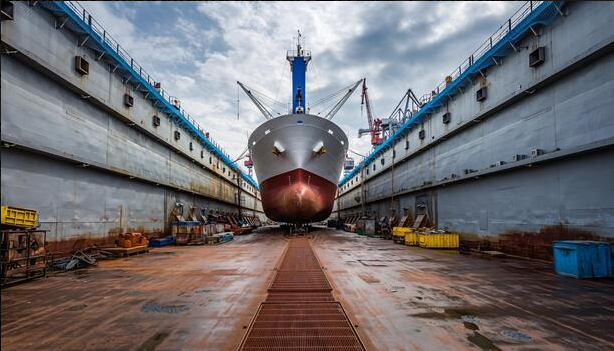
Marine-grade aluminum. Exceptional corrosion resistance in seawater with good weldability. Ideal for marine hardware and cryogenic tanks.

MIC-6 (Cast Aluminum Tooling Plate)

For flatness-critical parts. Cast and stress-relieved, MIC-6 stays flat during and after machining. It is commonly used for vacuum chambers and precision bases.

Common Aluminum Machining Problems and Solutions

  • Built-up edge (BUE): Aluminum welds to the tool. Solution: Increase cutting speed and use polished carbide.
  • Chip packing: Long chips fill flutes. Solution: Use 2- or 3-flute tools for better evacuation.
  • Burr formation: Ductility causes burrs. Solution: Use sharp tools and programmed chamfer passes.

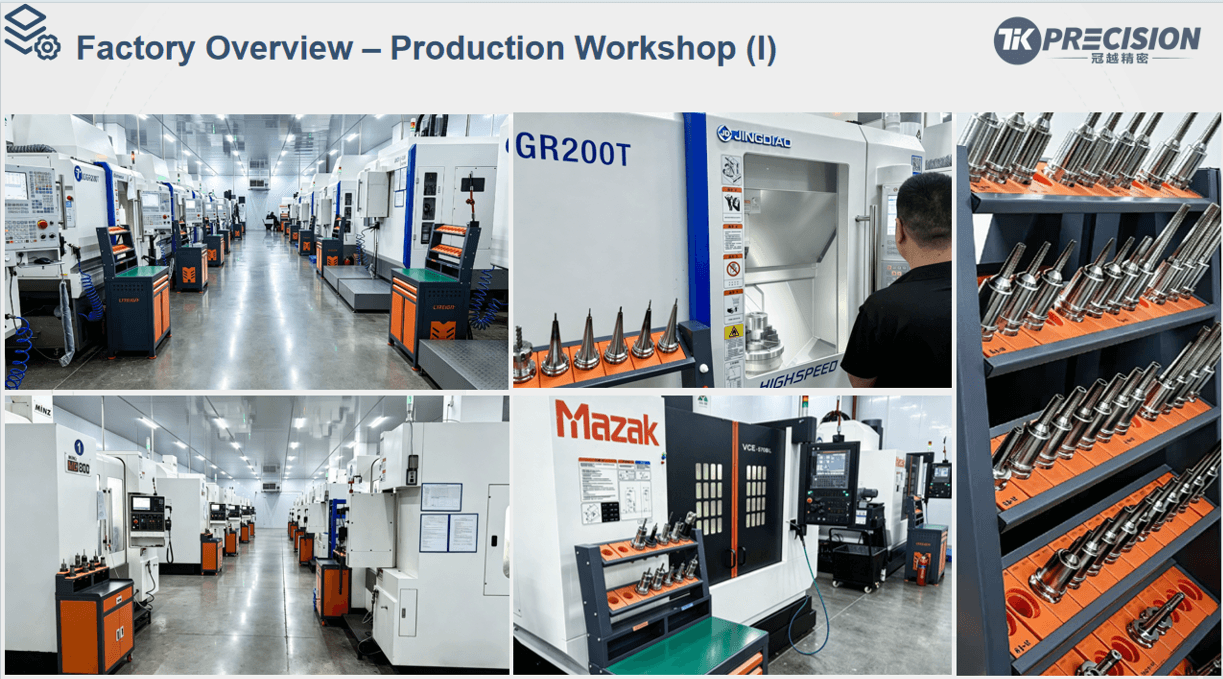
Tik Precision machines all standard aluminum alloys on our CNC mills and lathes. Whether you need 6061 prototypes or 7075 production parts, contact us for a fast, competitive quote.


Need a Manufacturing Quote?

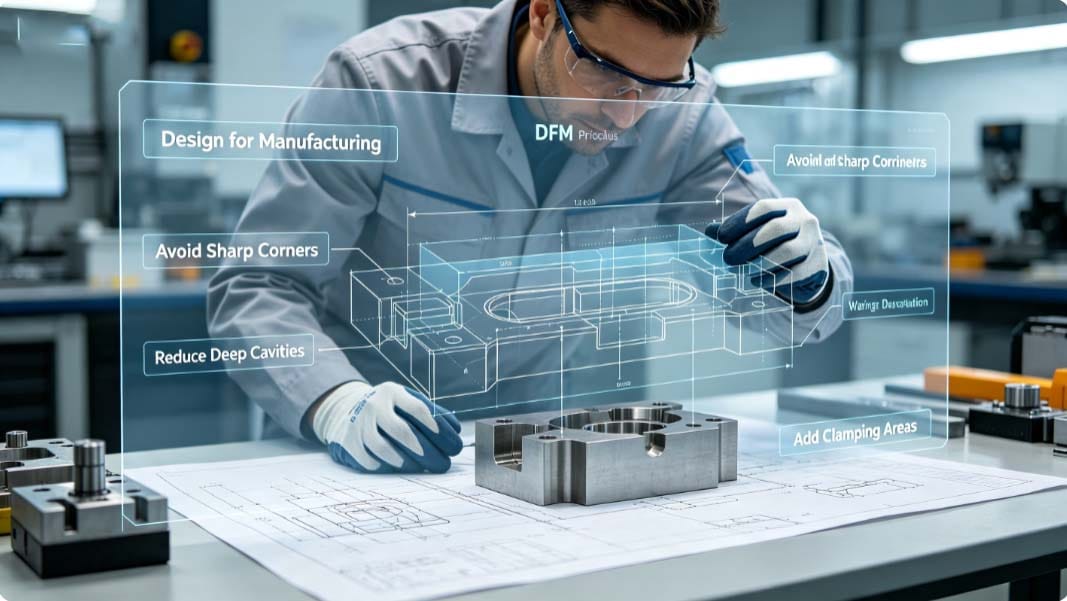
Upload your drawings and receive DFM feedback, material recommendations, and a clear manufacturing quote.

16+

Year

50K+

Parts Manufactured

98.2%

On-time Delivery

Request a Quote
All Articles From The Author

How to Set Tolerances Effectively During the Design Phase to Reduce Machining Costs

In the manufacturing world, tolerances play a vital role in ensuring parts fit and function correctly. However, improperly set tolerances can significantly increase machining

How to Choose the Right CNC Machining Supplier: A Buyer’s Knowledge Guide

A practical buyer’s guide to choosing a CNC machining supplier for complex precision parts, including machine capability, DFM support, inspection, materials, secondary processing, scalability,

10 Design-for-Manufacturability (DFM) Principles for Precision CNC Machining

A small design change made early can save multiples in machining cost and time later. DFM (Design for Manufacturability) is about identifying features that

Material Selection Guide for Precision CNC Machining: Matching Materials to Application

For engineers, material selection often determines the success of a part more than the machining process itself. Choosing the wrong material can result in

CNC Machining Engineering Plastics: PEEK, Delrin, PTFE, and More

Engineering plastics have transformed modern manufacturing, replacing metal in applications where weight, chemical resistance, and biocompatibility are paramount. However, CNC machining engineering plastics like

zeiss-cmm-inspection-machined-parts

Inspection and Quality Control for Aerospace Turbine Blades

In aerospace turbine component manufacturing, machining accuracy is only half the story. Verifying that accuracy through rigorous inspection and quality control is equally critical.

Automotive CNC machining quote from CAD drawings

How to Prepare CAD Files for an Accurate CNC Machining Quote

The speed and accuracy of a CNC machining quote depends heavily on what information is submitted alongside the CAD file. Missing details lead to

Energy-Power-Gas-Turbine-Gas-turbines-Steam-turbines-Combined-cycle-compressors-cnc-machining

Precision CNC Machining for Energy and Power Generation

Introduction: The Role of Precision CNC Machining in Energy and Power Generation The global energy industry—ranging from traditional thermal and nuclear power plants to

Precision CNC Machining for Marine and Shipbuilding Applications

Introduction: The Demands of Marine CNC Machining Marine engineering requires materials that can withstand the most aggressive environments on Earth. Seawater acts as a

Start a New Project

Turn Your CAD Files Into Precision Parts

Share your requirements with our engineering team. We will review manufacturability, materials, tolerances and lead time before quoting.

2-Hour Quote

Fast response for complete RFQs

Free DFM Review

Engineering feedback before production

Secure CAD Files

Confidential upload and NDA support

No MOQ

Prototype to low-volume production

Need help preparing an RFQ?

info@tikprecision.com

RFQ Form

Tell Us About Your Project

Upload CAD Files | Free DFM Analysis | 2-Hour Quote | No MOQ Required | NDA Protected