
Design for Manufacturability (DFM) review catches costly problems before a part ever reaches the machine shop floor. A part that looks fine on screen can be expensive, slow, or impossible to machine as designed. Use this checklist before submitting your CAD files for a CNC machining quote.
1. Minimize Deep, Narrow Pockets
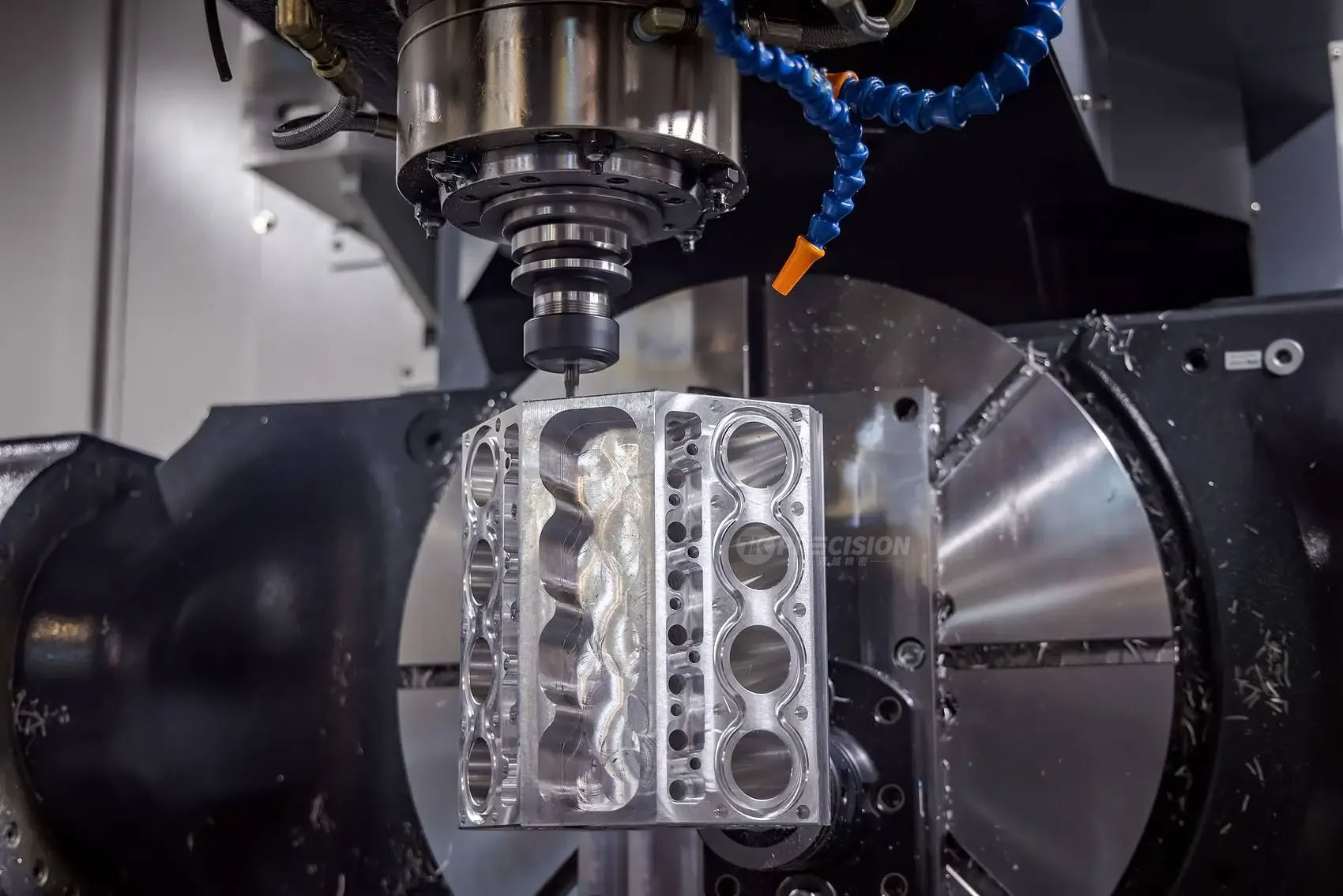
Deep pockets with a small width-to-depth ratio require long, thin tools that flex during cutting, increasing tool breakage risk and reducing achievable tolerance. As a general guideline, keep pocket depth under 4x the tool diameter where possible.
2. Add Corner Radii Instead of Sharp Internal Corners
CNC cutting tools are round, so a perfectly sharp internal corner is not physically achievable without EDM or secondary operations. Specify a corner radius equal to or larger than the tool radius to avoid unnecessary cost. Learn more about CNC machining basics.
3. Avoid Excessively Thin Walls
Thin walls are prone to vibration, warping, and deformation during machining, especially in materials like aluminum and plastic. A safe starting point is 0.8mm minimum wall thickness for metals. Check our aluminum machining guide for more details.
4. Standardize Hole Sizes
Using standard drill sizes instead of arbitrary decimal diameters avoids the need for custom tooling and reduces both cost and lead time.
5. Limit Tight Tolerances to Critical Features Only
As covered in our tolerance guide, apply tight tolerances (±0.02mm or tighter) only where function requires it — mating surfaces, bearing fits, sealing faces — and leave the rest at standard tolerance.
6. Consider Tool Access
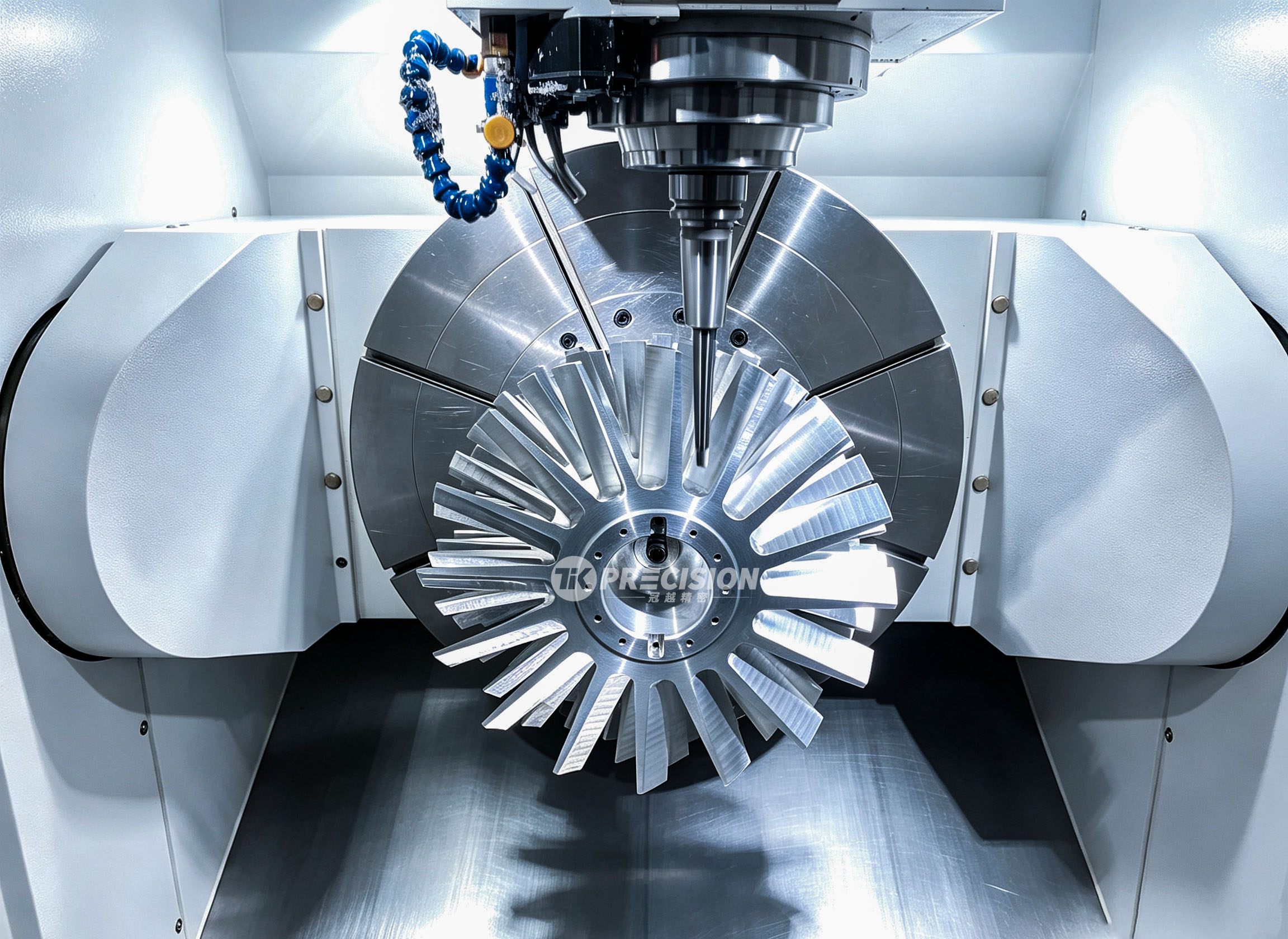
If a feature can only be reached from an odd angle or deep inside a cavity, it may require 5-axis machining, EDM, or a redesign. Reviewing accessibility early avoids expensive process changes later.
7. Design for Fixturing
Parts need a stable, repeatable way to be clamped during machining. Avoid designs where every surface is a critical feature, since the part needs some area available for the fixture to grip.
8. Account for Finish Thickness
If a part will be anodized, plated, or coated, account for the added thickness on tight-tolerance mating features. See our surface finish guide.
9. Reduce Unnecessary Complexity
Every unique feature (odd angle, custom thread, non-standard chamfer) adds programming and setup time. Simplifying non-critical features can meaningfully reduce cost without affecting function.
10. Submit Complete Information With Your CAD File
A DFM review moves fastest when the quote request includes:
- 3D CAD file (STEP, STP, or native format)
- 2D drawing with critical dimensions and tolerances called out
- Material specification
- Required surface finish
- Quantity (prototype vs. production)
FAQ
What does DFM stand for? Design for Manufacturability — a review process that evaluates whether a part design can be efficiently and reliably produced.
Does DFM review cost extra? Many machining suppliers provide DFM review as a free part of the quoting process.
Send us your CAD file for a free DFM review — our engineering team will flag manufacturability risks and cost drivers before you commit to production.