
Quick answer: Choose a partner by engineering depth, not machine count. Before comparing quotes, ask the supplier to explain the locating datum scheme, the machining sequence, the workholding plan, and the in-process inspection for your component. The manufacturer that turns drawing dimensions into executable machining and inspection steps — and confirms the critical fits before quoting — is the one most likely to keep quality consistent through small-batch production.
This guide reflects our in-house DFM review practice for medical components and is for engineering reference only; it is not medical or regulatory advice.
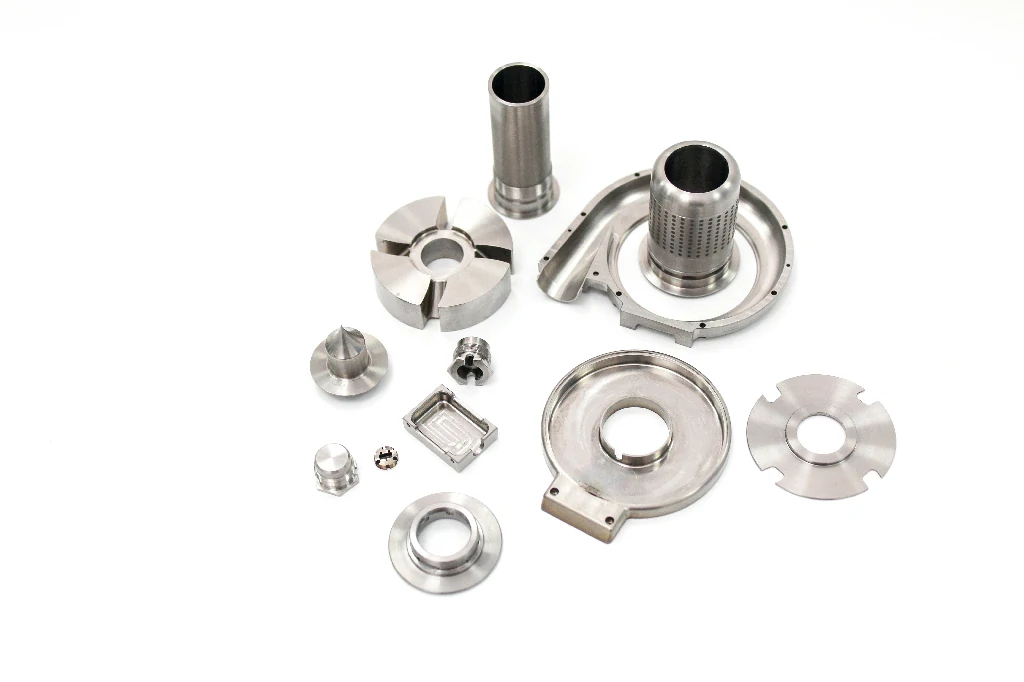
Components in medical equipment — locating sleeves, clamping parts, and compact connectors — are often harder to machine and inspect because of their size and tightly controlled assembly relationships. When R&D engineers and buyers look for a medical precision components manufacturer in Dongguan, China, the question is not only whether a shop can machine the component, but whether high-precision components stay consistent through workholding, deburring, and delivery review. When opening an engineering discussion with a build-to-print partner such as Tik Precision, it helps to start with the critical fits and process risks, and then move on to quotation and sampling arrangements. This guide reflects the same five checks we apply in DFM reviews at Tik Precision before quoting a medical component — not a generic supplier checklist.
How do you choose a manufacturer for high-precision medical components?
We suggest first assessing whether the shop can explain the locating datum scheme, break down the machining sequence, plan in-process inspection, and state which requirements need further confirmation. The ability to turn the dimensions on a drawing into executable machining and inspection actions is more informative than a list of equipment.
Material, structure, workholding, inspection, and delivery should be considered together. Equipment determines some of the machining conditions, but it cannot by itself demonstrate component quality. A quotation should likewise be read in light of fixture preparation, deburring, inspection, and packaging scope.
1: Review the assembly relationship first and make the critical dimensions clear
Machining priorities for medical device components should be set from the actual assembly function. For example, a locating sleeve calls for attention to the relationship between its bore and the mating shaft; a clamping part, to its condition once clamped; and a connector may place more weight on hole position and contact surfaces. Not all dimensions carry equal importance, and machining difficulty cannot be judged from outward shape alone.
When sending drawings, indicate the critical dimensions, the mating components, and the inspection datums. Material, dimensional tolerances, surface requirements, and operating conditions should all be confirmed against the drawing and actual requirements. If the assembly drawing and the component drawing are inconsistent, this should be resolved before machining begins.
2: Review the workholding plan so components do not change shape under clamping
Thin-walled sleeves, slotted components, and slender structures are easily affected by clamping force. The shop should be able to explain the clamping locations, the support method, and how clamping force is controlled, as well as how the fixture avoids marking cosmetic surfaces or interfering with critical mating surfaces.
Soft jaws, dedicated fixtures, and auxiliary supports can be evaluated according to the component’s structure. Vacuum chucks require suitable holding area, sealing conditions, and cutting load, and should not be applied directly to small cylindrical components. The purpose of fixture selection is reliable locating with controlled deformation; the specific approach should be confirmed against the drawing and actual requirements. In our experience, thin-walled sleeves are the components most likely to change shape under clamping, which is why we review fixture strategy before quoting rather than after.
3: Look at the process breakdown to judge whether multi-axis or staged machining is needed
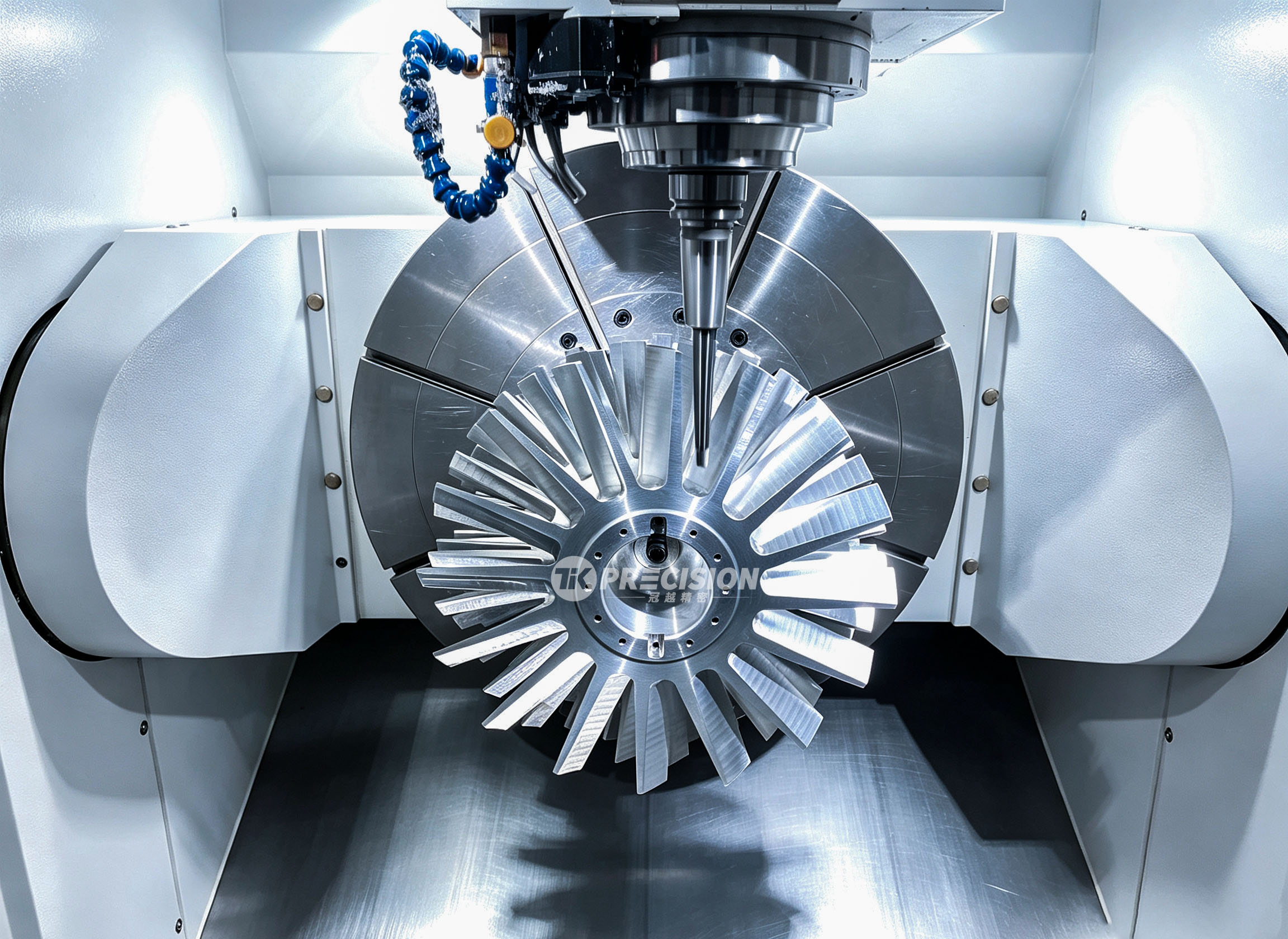
For medical components with holes and slots in several directions, or with complex curved surfaces, multi-axis machining can be evaluated for its ability to reduce re-clamping. Whether to use simultaneous 5-axis machining should be decided by tool accessibility, structural complexity, and datum continuity; a simple turned component may be better suited to turning followed by milling.
For thin-walled or slotted structures, one can consider machining a relatively complete main body first and completing the features that weaken rigidity in later stages. The machining sequence should take cutting forces, stock allocation, and subsequent deburring into account together, rather than simply minimizing the number of operations. Asking the supplier to explain how datums are maintained after re-clamping helps show whether the plan is complete.
4: Include deburring and in-process inspection in the quotation scope
Burrs at hole entrances, slot openings, and intersections can affect assembly, movement, or cleaning. Edge requirements and the permitted extent of finishing should be agreed in advance, so that deburring does not enlarge hole openings, alter mating edges, or leave scratches. Edge treatment should be confirmed according to drawing callouts and machining discussions.
Inspection should cover dimensions that are prone to change during machining, not only the finished outline. For components prone to deformation, the difference between clamped-state and free-state measurements can be discussed; for mating dimensions, the gauges, locating method, and record requirements should be confirmed. First-article confirmation should check dimensions, burrs, and appearance together, so that unresolved issues are not carried into later batches.
5: Look at small-batch coordination and clarify change and delivery boundaries
During R&D, drawings, materials, or assembly requirements may be adjusted. A supplier should be able to distinguish the version currently being machined from versions pending confirmation, explain the effect of changes, and proceed with subsequent machining as agreed after first-article approval.
When requesting a quotation, clarify whether it includes fixture preparation, edge treatment, inspection records, and packaging. The expected delivery pace should align with material preparation, process review, and first-article confirmation; specific arrangements should be confirmed against the drawing and actual requirements.
Key evaluation dimensions for supplier selection
| Dimension | Key Points | Risk Signals | Communication Suggestions |
|---|---|---|---|
| Drawing review | Can identify assembly datums and critical fits | Commits to machining results without asking about the component’s use | Provide mating components and critical dimensions |
| Workholding control | Can explain clamping locations and deformation risk | Uses a general-purpose clamping method on thin-walled components without explanation | Discuss support methods and free-state inspection |
| Process route | Re-clamping datums and machining sequence are clear | Emphasizes only the number of machines | Ask for the machining sequence of holes, slots, and mating surfaces |
| Deburring | Covers hole entrances, slot openings, and intersections | Leaves edge treatment to be discussed after delivery | Confirm finishing limits and appearance requirements against the drawing |
| Inspection coordination | In-process inspection and first-article confirmation are planned | Offers only a verbal statement of conformance | Agree on measurement methods and record scope |
| Small-batch delivery | Manages versions, changes, and packaging | Schedules production before the drawing version is confirmed | Define confirmation milestones and the expected delivery pace |
Information to prepare before requesting a quote or sending drawings
We suggest compiling the drawing revision, material, quantity, application, critical dimensions, surface requirements, assembly relationships, cosmetic surfaces, packaging requirements, and expected delivery pace. Where there are many fit requirements, an assembly sketch or mating-component information can be added. Conditions that are not yet settled should be clearly marked as pending confirmation so that they are not handled by default.
If only a sample component or an incomplete drawing is available, machinability and the additional information needed can be discussed first. Dimensions, material, and acceptance conditions must still be confirmed before formal machining; a preliminary assessment should not be treated as a final process commitment.
Tik Precision case reference: workholding and first-article communication for a medical device locating sleeve
This discussion pattern is the one we follow internally at Tik Precision when a medical locating sleeve drawing arrives for DFM review. Continuing from the thin-wall workholding issue above, a small locating sleeve for medical equipment is used here as a discussion scenario. Where the bore and outer diameter have a fit relationship, shape changes caused by clamping may affect how dimensions are judged. When reviewing such a component with Tik Precision, the discussion can proceed item by item through main-body machining, hole machining, staged completion of thin-wall features, deburring, and free-state re-measurement, with Tik Precision proposing fixture and toolpath plans based on the drawing.
This scenario is intended to illustrate an engineering-collaboration approach and does not describe a project that has taken place. Whether a plan is effective should be judged by first-article dimensions, edge quality, and assembly checks. Only once it has been confirmed as suitable should it serve as the basis for subsequent small-batch machining.
Summary: judge a partner by drawing review and first-article performance
When R&D engineers and buyers select a medical precision components manufacturer, we suggest giving priority to comparing drawing review, process breakdown, small-batch sampling, in-process inspection, and communication responsiveness. Stating critical fits, deformation risks, deburring, and delivery requirements clearly, and then judging suitability by first-article results, does more to reduce rework risk than comparing prices alone.
References and further reading
- ISO 13485:2016 — Medical devices — Quality management systems:
- ISO 9001:2015 — Quality management systems
- EU Medical Device Regulation (MDR) 2017/745
- US FDA 21 CFR Part 820 — Quality System Regulation
Frequently asked questions
Q: What should I look at first when choosing a high-precision medical components manufacturer in Dongguan, China? A: Start with whether the supplier can identify the critical fits, locating datums, and machining risks in the drawing, and can propose specific workholding and inspection arrangements. Then weigh equipment and pricing.
Q: Do thin-walled medical locating sleeves require dedicated fixtures? A: This should be evaluated based on wall thickness, clamping location, cutting load, and permissible deformation. Soft jaws, auxiliary supports, and dedicated fixtures can all be discussed; the specific approach should be confirmed against the drawing and actual requirements.
Q: Is a shop with simultaneous 5-axis equipment better suited to medical components? A: It depends on whether the structure requires multi-directional machining, whether tools can reach the features, and whether re-clamping error can be reduced. Simple turned components do not necessarily need 5-axis machining.
Q: Why should deburring be confirmed when requesting a quote? A: Burrs at hole and slot edges can affect assembly, while deburring itself may alter mating edges. Agreeing on the scope in advance helps clarify the process and acceptance requirements.
Q: If the first article passes inspection, is in-process inspection still needed? A: This depends on the risk. Tool condition, workholding, and material state can change during a run, and in-process inspection can reveal drift in critical dimensions or edge quality.
Q: What assembly information should I provide when requesting a quote for a medical device locating sleeve? A: We suggest providing the mating shaft or mating bore information, locating contact surfaces, critical dimensions, and acceptance conditions, along with the material, quantity, cosmetic surfaces, and packaging requirements.
About Tik Precision
Tik Precision is an ISO 9001 / IATF 16949 / ISO 13485 certified precision manufacturer in Dongguan, China, offering CNC machining, 5-axis machining, sheet metal fabrication, 3D printing, and surface finishing for prototypes and low-volume production. Our quality system includes 100% CMM inspection with a 12-step QC process, a tightest tolerance of 0.002 mm, free DFM analysis, quotes within 2 hours, and no MOQ.Get an Instant Quote
Working on a medical component? Send your CAD files to Tik Precision for a free DFM analysis and a quotation within 2 hours — ISO 9001 / IATF 16949 / ISO 13485 certified, tightest tolerance 0.002 mm, 100% CMM inspection, no MOQ. Get an Instant Quote