
Choosing a CNC machining supplier for complex precision parts is not simply a matter of comparing the lowest quotation. The right partner should combine machining capability, engineering support, inspection control, material experience, reliable communication, and a clear path from prototype to repeat production.
This buyer’s guide explains the key questions to ask before selecting a CNC machining supplier and helps you reduce quality, delivery, and production risks.
Quick Checklist: What Should You Evaluate?
- Machine capability and suitability for the part geometry
- Engineering and design-for-manufacturing support
- Inspection equipment and quality documentation
- Experience with your material and industry
- Secondary processing and finishing coordination
- Prototype, low-volume, and production scalability
- Technical communication, lead time, and total cost
1. Check CNC Machine Capability
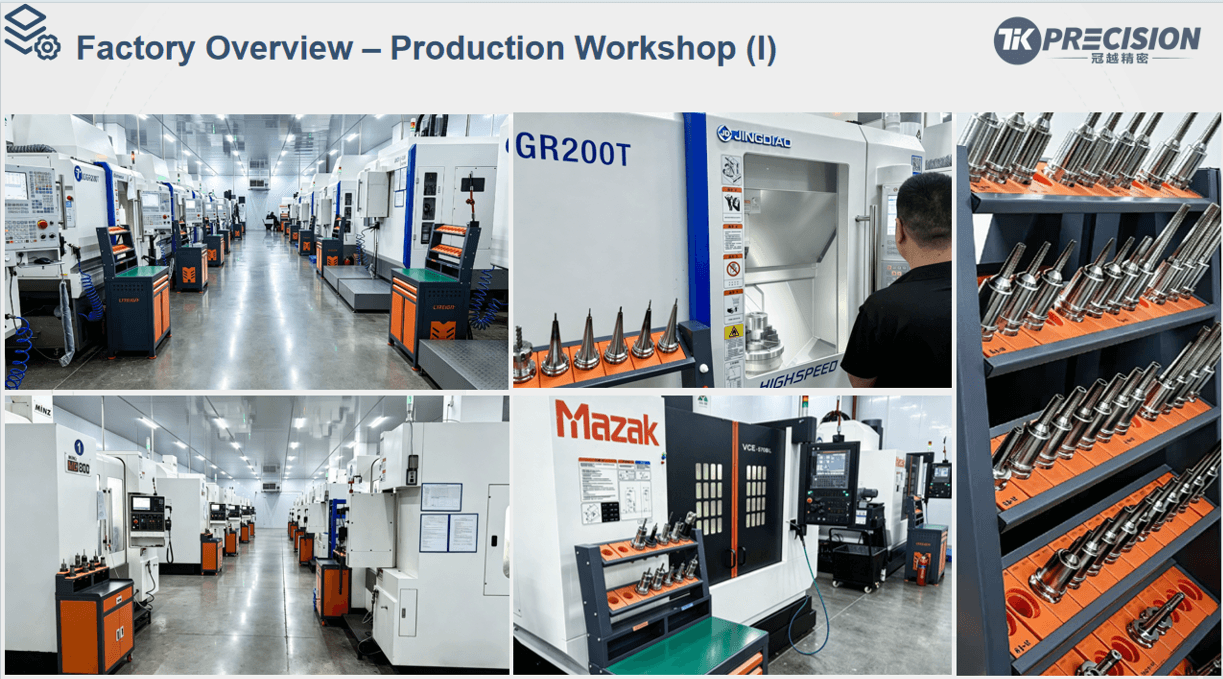
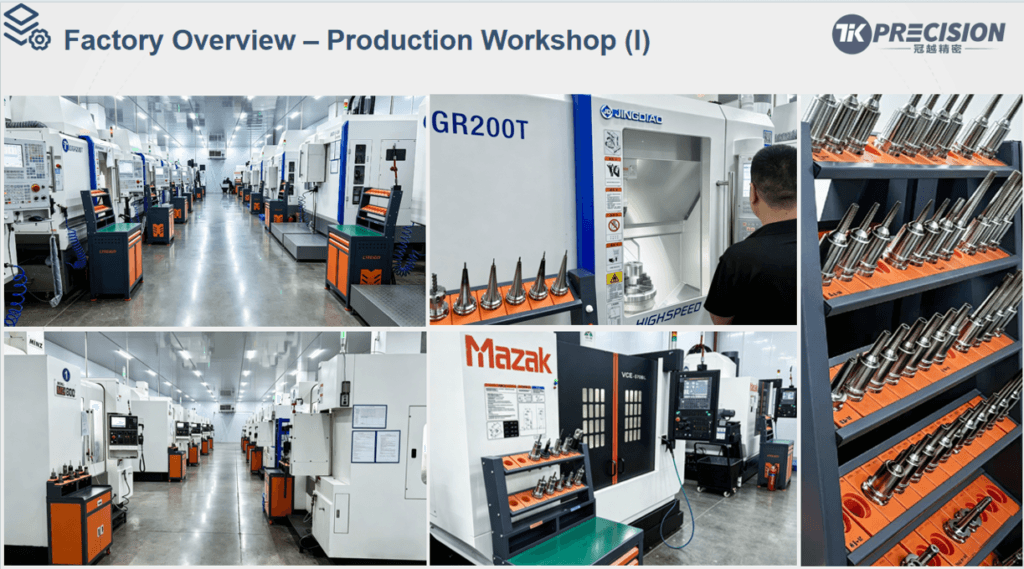
The supplier should have equipment that matches the component’s geometry, tolerance, size, material, and production volume. Ask whether the project requires CNC turning, machining centers, mill-turn machining, 4-axis machining, 5-axis machining, grinding, or a combination of processes.
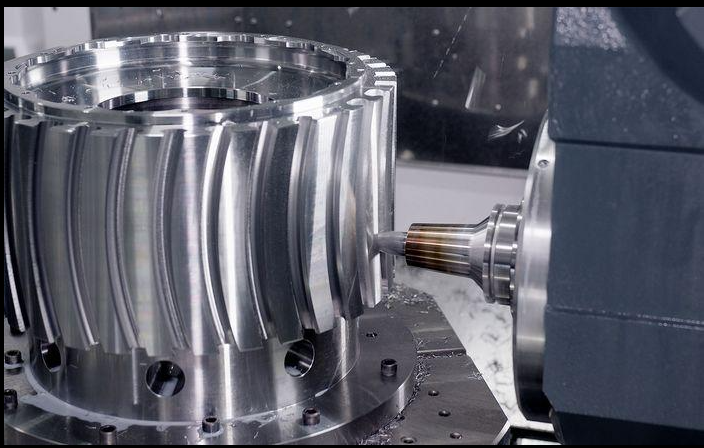
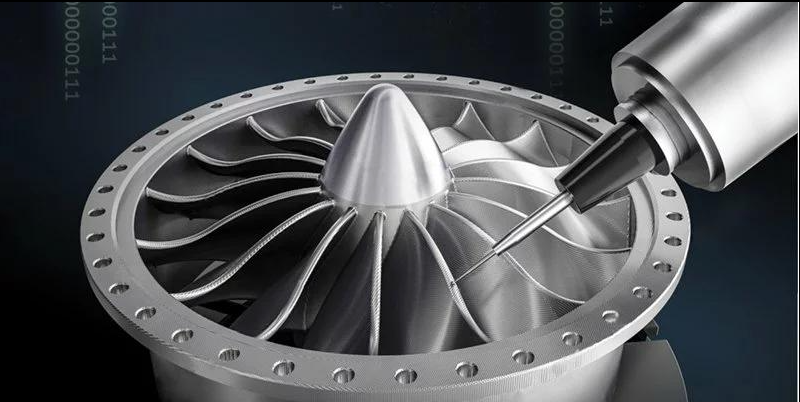
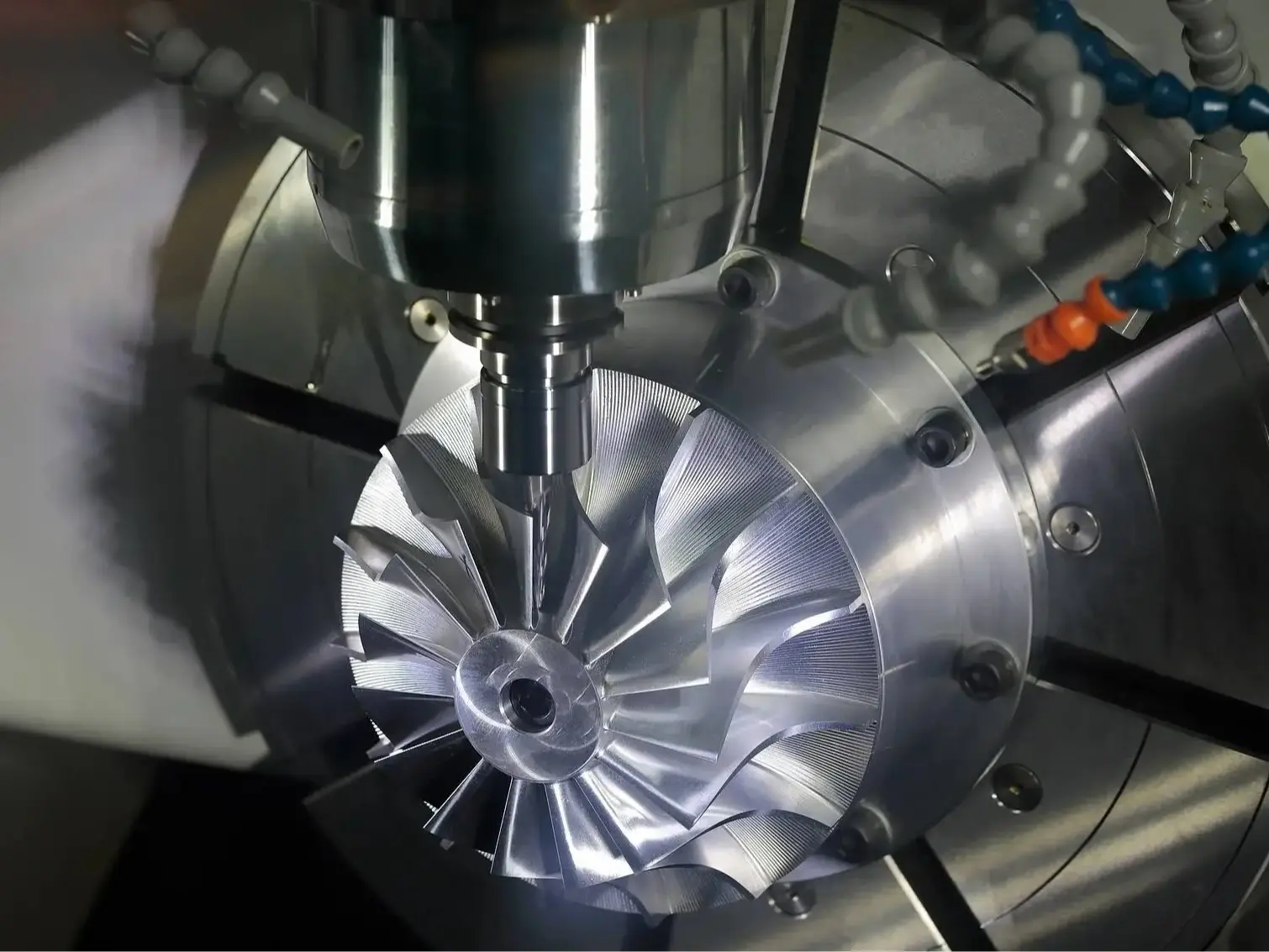
For complex surfaces, angled features, impellers, turbine wheels, and other rotating components, 5-axis machining may reduce setups and improve positional consistency. Do not evaluate a machine only by its number of axes; confirm its working envelope, spindle capability, tooling, probing, and experience with similar parts.
2. Review Engineering and DFM Capability
A capable CNC supplier should review the design before production begins. A design-for-manufacturing review can identify difficult-to-machine features, unnecessary tight tolerances, weak fixturing areas, tool-access problems, burr risks, and opportunities to simplify the process.
Ask what information the engineering team will provide, such as manufacturability feedback, machining strategy, tolerance recommendations, fixture planning, and estimated cycle time.
3. Confirm Inspection and Quality Control
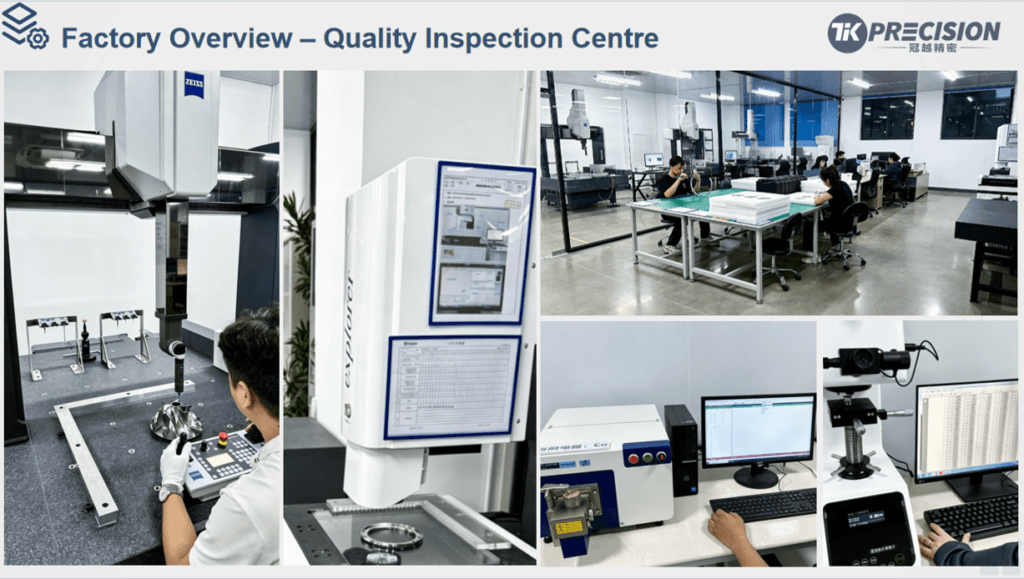
Precision machining requires more than a final visual check. Ask how the supplier verifies critical dimensions and what inspection records can be supplied with the parts.
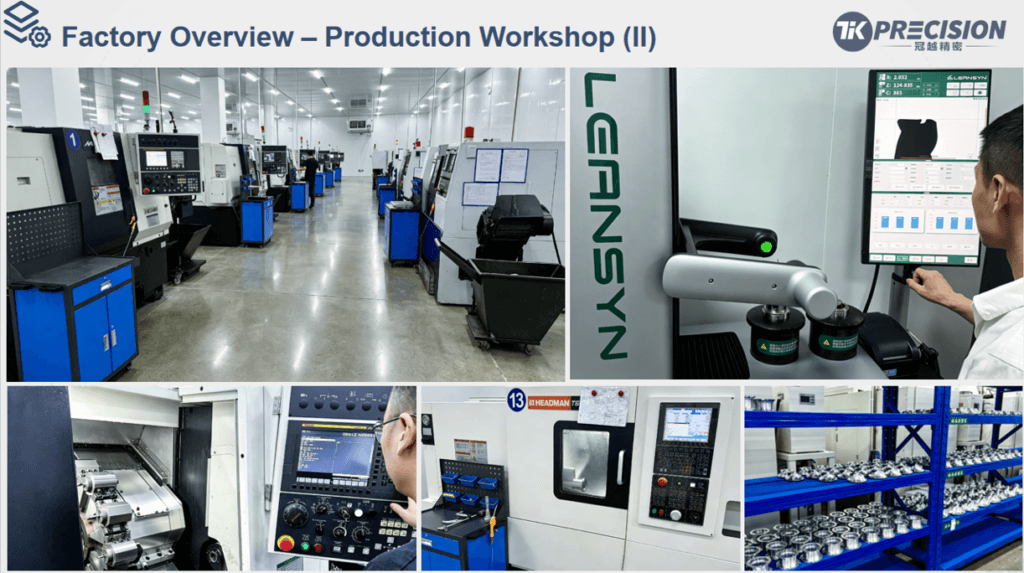
Depending on the component, inspection resources may include CMM equipment, optical measurement systems, height gauges, micrometers, surface roughness testers, specialized gauges, first-piece inspection, in-process inspection, and final inspection.
For repeat production, confirm how inspection results are recorded, how nonconforming parts are controlled, and how process variation is monitored.
4. Evaluate Material Experience
Experience with aluminum does not automatically mean the same level of expertise with titanium, stainless steel, engineering plastics, Inconel, or other high-temperature alloys. Material selection affects cutting parameters, tool wear, heat management, surface finish, distortion, and lead time.
Ask whether the supplier has produced comparable parts in your material and can provide material traceability or certification when required.
5. Understand Secondary Processing
Many precision components require more than CNC machining. Depending on the application, the supplier may need to coordinate heat treatment, anodizing, plating, coating, grinding, polishing, balancing, marking, or other finishing processes.
Using one coordinated manufacturing partner can simplify communication and reduce the risk of mismatched specifications between machining and finishing suppliers. Confirm who owns the final quality responsibility.
6. Test Prototype and Production Scalability
Successful prototype machining does not automatically prove production capability. Ask how the process will move from a prototype or low-volume run to repeat production, including tooling plans, fixture repeatability, tool-life control, inspection frequency, capacity, material supply, and delivery planning.
A pilot production run is often useful before releasing a larger order. It can verify cycle time, tool life, packaging, inspection results, and operator instructions.
7. Evaluate Technical Communication
Clear communication prevents avoidable manufacturing problems. A reliable supplier should respond precisely to questions about tolerances, materials, drawings, lead times, inspection requirements, manufacturing risks, and engineering changes.
Before placing an order, confirm the main point of contact, drawing revision control, approval process, progress updates, and the information required for a quotation.
8. Compare Total Cost Instead of Part Price
The lowest quotation may not be the lowest total cost. Consider the full project impact:
Total cost = part price + quality risk + rework + delays + logistics + communication cost
A slightly higher quotation may provide better value if it reduces failures, repeated sampling, late delivery, or expensive process changes.
Questions to Ask Before Requesting a Quote
- Can you manufacture this geometry with the required tolerances?
- Which machining process and number of setups do you recommend?
- What DFM risks do you see in the drawing?
- What materials and material certifications can you support?
- Which inspection equipment will be used?
- Can you support both prototypes and repeat production?
- Which secondary processes can you coordinate?
- What information is included with the quotation and inspection report?
Final Decision Checklist
Before selecting a supplier, compare more than price. Review technical capability, quality systems, material experience, production capacity, communication, lead time, and evidence of similar work. The best CNC machining partner is the one that can consistently deliver the required accuracy, quality, delivery performance, and scalability.
Ready to Discuss Your Precision CNC Project?
Send your drawing, CAD file, material, quantity, tolerance requirements, finishing requirements, and target delivery date. The engineering team can review manufacturability, identify production risks, and recommend a practical machining approach.
Related Knowledge
Continue learning about CNC supplier selection, prototype-to-production planning, 5-axis machining, inspection, materials, and secondary processing in the related CNC machining resources on this website.