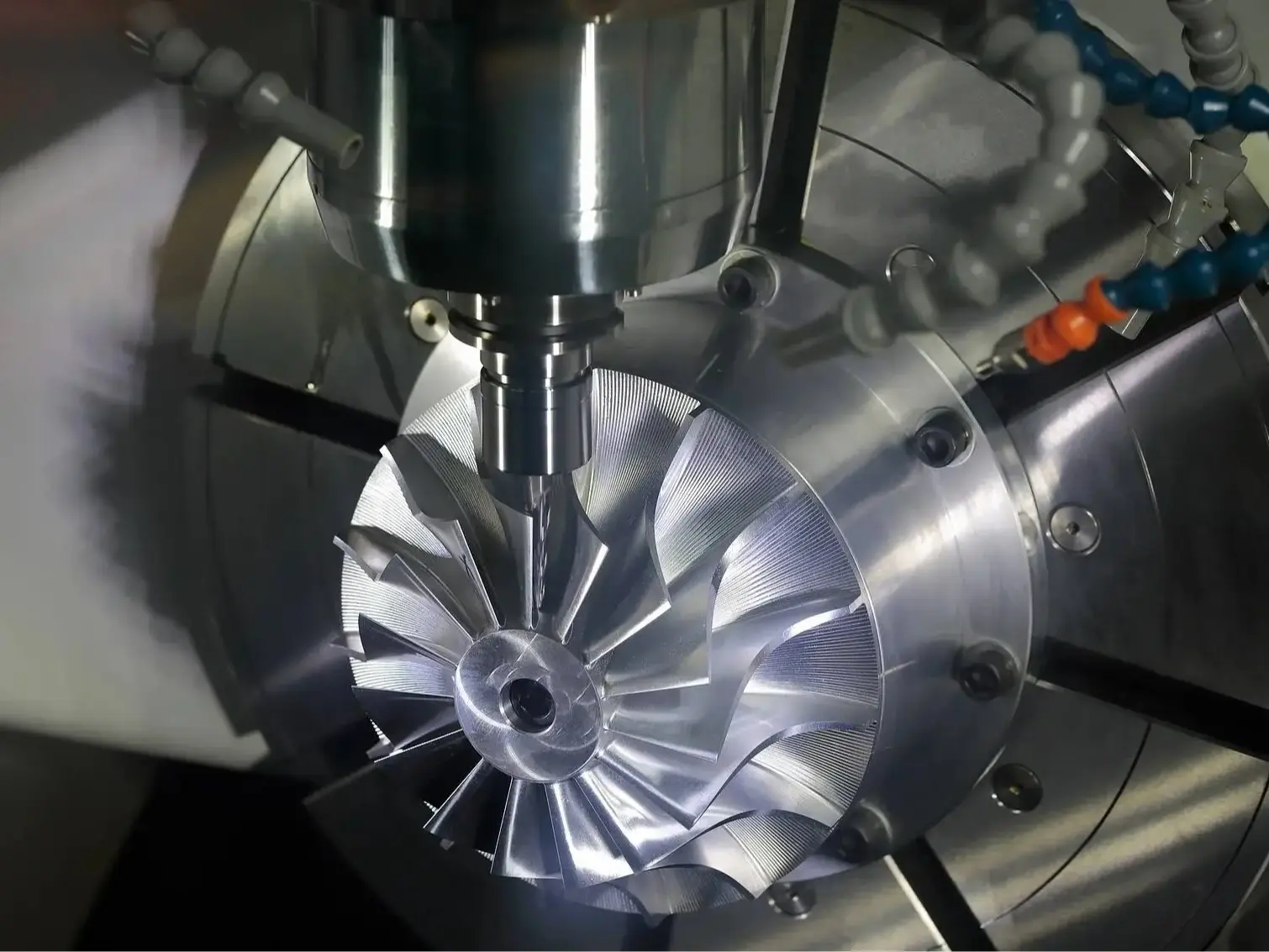

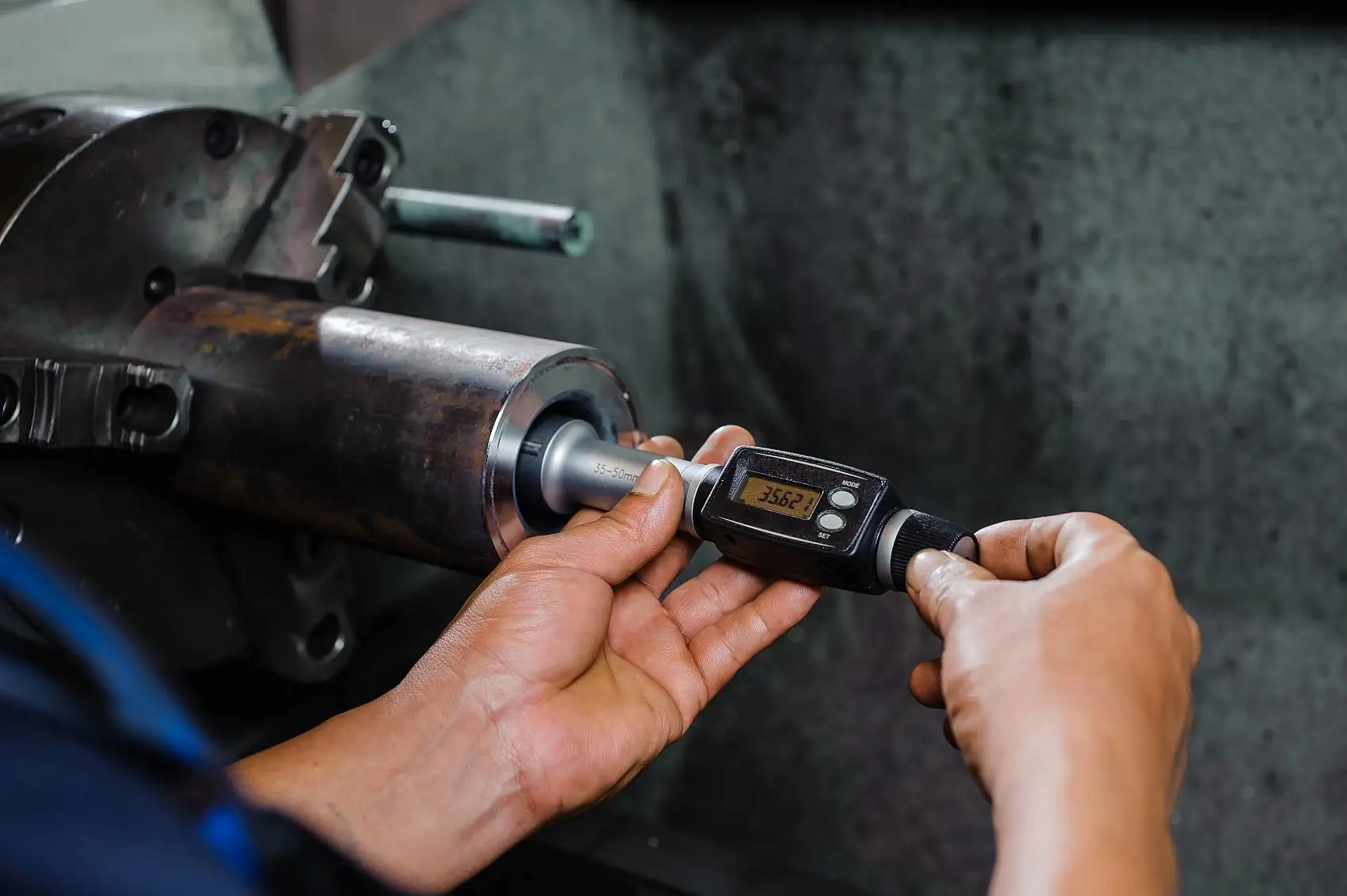
In the manufacturing world, tolerances play a vital role in ensuring parts fit and function correctly. However, improperly set tolerances can significantly increase machining costs and complicate production. This article provides a detailed guide on how to balance precision and cost-effectiveness during the design phase, leveraging practices like geometric dimensioning and tolerance (GD&T) and tolerance stack-up to optimize designs for CNC machining.
What Are Tolerances in Manufacturing?
Tolerances are the allowable variations in a part’s dimensions during manufacturing. They define the limits within which a part can deviate from its specified size while still performing as intended. For instance, in CNC machining, a tolerance of ±0.01 mm means the part’s actual dimension can vary within 0.01 mm of the specified measurement.
Tolerances ensure compatibility and functionality in assemblies, but not all tolerances are created equal. Tight tolerances, while necessary for critical components like aerospace parts, come with higher costs due to increased processing time and specialized tools.
For example, imagine a shaft designed for a high-speed motor. While the diameter of the shaft may need tight tolerances to ensure proper rotation, the length might tolerate more variation. Understanding where precision is critical and where it isn’t is key to cost-effective design.
The Impact of Tolerance Decisions on Machining Costs
Tighter tolerances demand more resources, such as high-precision machinery, slower machining speeds, and additional quality checks. These requirements translate directly into higher costs.
- Material Matters: Certain materials, like titanium, are more challenging to machine to tight tolerances compared to softer materials like aluminum, further increasing costs.
- Real-World Example: Manufacturing a part with a ±0.01 mm tolerance may cost 30–50% more than a part with a ±0.1 mm tolerance due to the added complexity.
Balancing functional requirements with realistic tolerances is crucial to maintaining both performance and cost efficiency.
Best Practices for Setting Tolerances During the Design Phase
1. Prioritize Critical Dimensions
Focus on the dimensions that directly impact functionality and assign tight tolerances only to these areas. Non-critical dimensions can have looser tolerances, reducing machining complexity and costs.
Example: In an engine assembly, the fit between a piston and its cylinder requires tight tolerances for performance, but external casing dimensions might allow greater variation.
2. Leverage GD&T (Geometric Dimensioning and Tolerance)
GD&T is a standardized system for defining and communicating tolerances. Unlike traditional dimensioning, GD&T focuses on the function of the part, reducing unnecessary tight tolerances.
Example: Instead of requiring all surfaces of a bracket to be flat within ±0.01 mm, GD&T allows for defining flatness and parallelism only where it matters for assembly.
3. Understand Tolerance Stack-Up
Tolerance stack-up occurs when variations in individual parts accumulate, causing misalignment in assemblies. Managing stack-up effectively can prevent costly issues during assembly.
Tips:
- Use datum features to control stack-up.
- Adjust tolerances strategically across related parts to minimize cumulative error.
4. Collaborate with Machining Experts
Early collaboration with a precision machining services provider can provide valuable insights into how tolerances impact cost and manufacturability. These experts can recommend feasible tolerance ranges based on the capabilities of CNC machining equipment.
Tools and Techniques for Cost-Effective Tolerance Design
- Simulation Tools: CAD software can simulate tolerance stack-up, helping engineers identify and resolve potential issues during the design phase.
- Design for Manufacturability (DFM): Incorporating manufacturing constraints into the design process ensures realistic tolerances without compromising quality.
- Prototyping: Producing a prototype using CNC machining allows for testing and refining tolerance requirements before scaling up production.
Benefits of Setting Tolerances Effectively
- Cost Savings: Reducing unnecessary precision decreases machining time and material waste.
- Improved Quality: Optimized tolerances prevent assembly issues and ensure reliable performance.
- Streamlined Production: Realistic tolerances minimize rework and inspection requirements.
For instance, optimizing tolerances in a CNC project reduced production costs by 25% while maintaining part functionality.
Partnering with Tikprecision for Expert Tolerance Design
At Tikprecision, we specialize in delivering high-quality CNC machining solutions tailored to your project needs. Our team has extensive experience in precision machining services, ensuring your designs are optimized for both functionality and cost-efficiency.
Whether you’re designing for tight tolerances or managing tolerance stack-up, we provide expert guidance to help you achieve the perfect balance. With advanced equipment and industry expertise, Tikprecision is your trusted partner for all things CNC machining.
Contact us today to discuss your project and let us help you reduce costs without compromising quality!
Conclusion
Effective tolerance design is essential for reducing costs and ensuring part functionality. By focusing on critical dimensions, leveraging GD&T, and understanding tolerance stack-up, engineers can optimize designs for manufacturability.
At Tikprecision, we’re here to support you with expert advice and cutting-edge CNC machining solutions. Reach out to us for a consultation and discover how we can help you achieve precision and cost-efficiency in your next project.