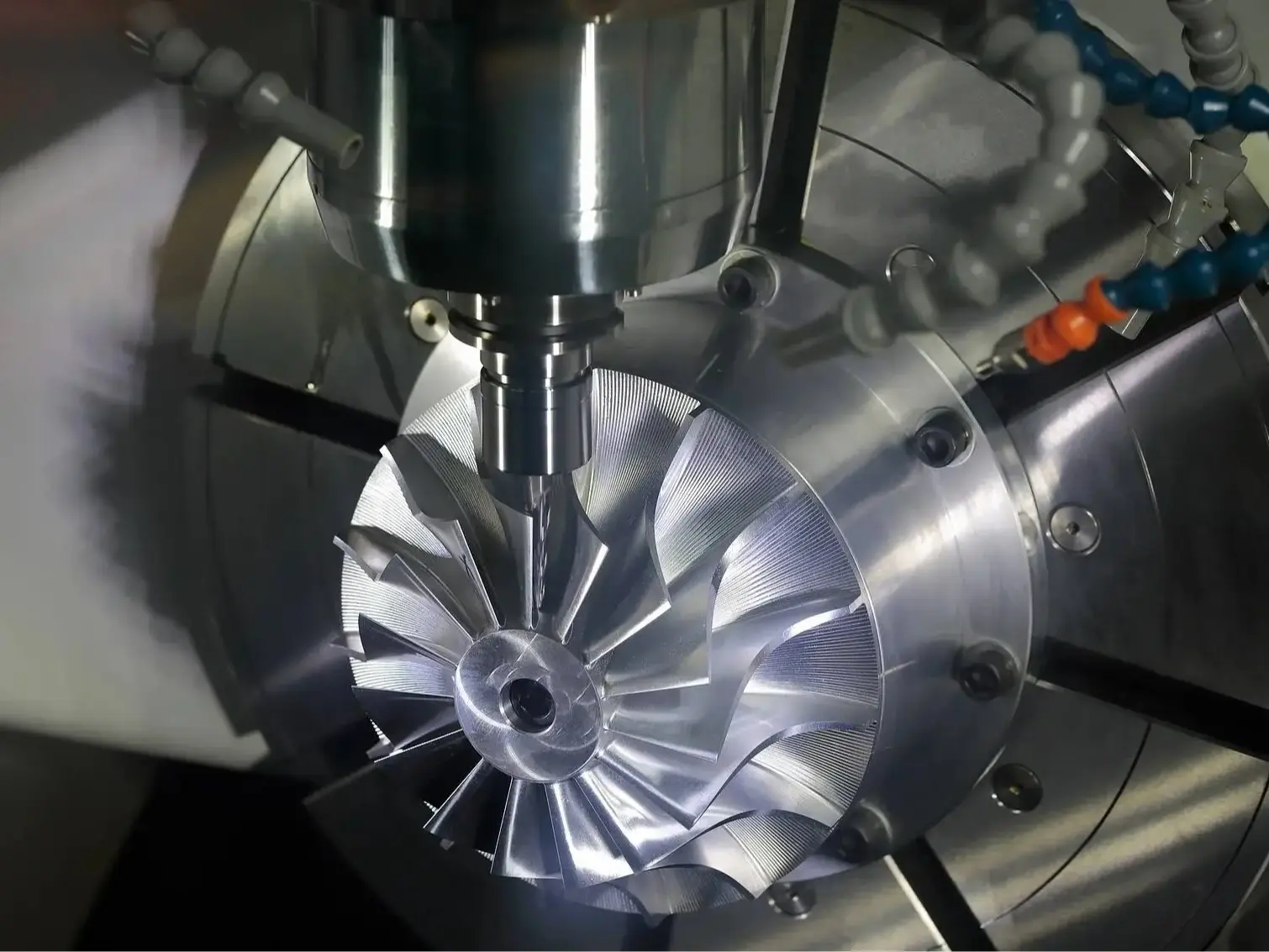

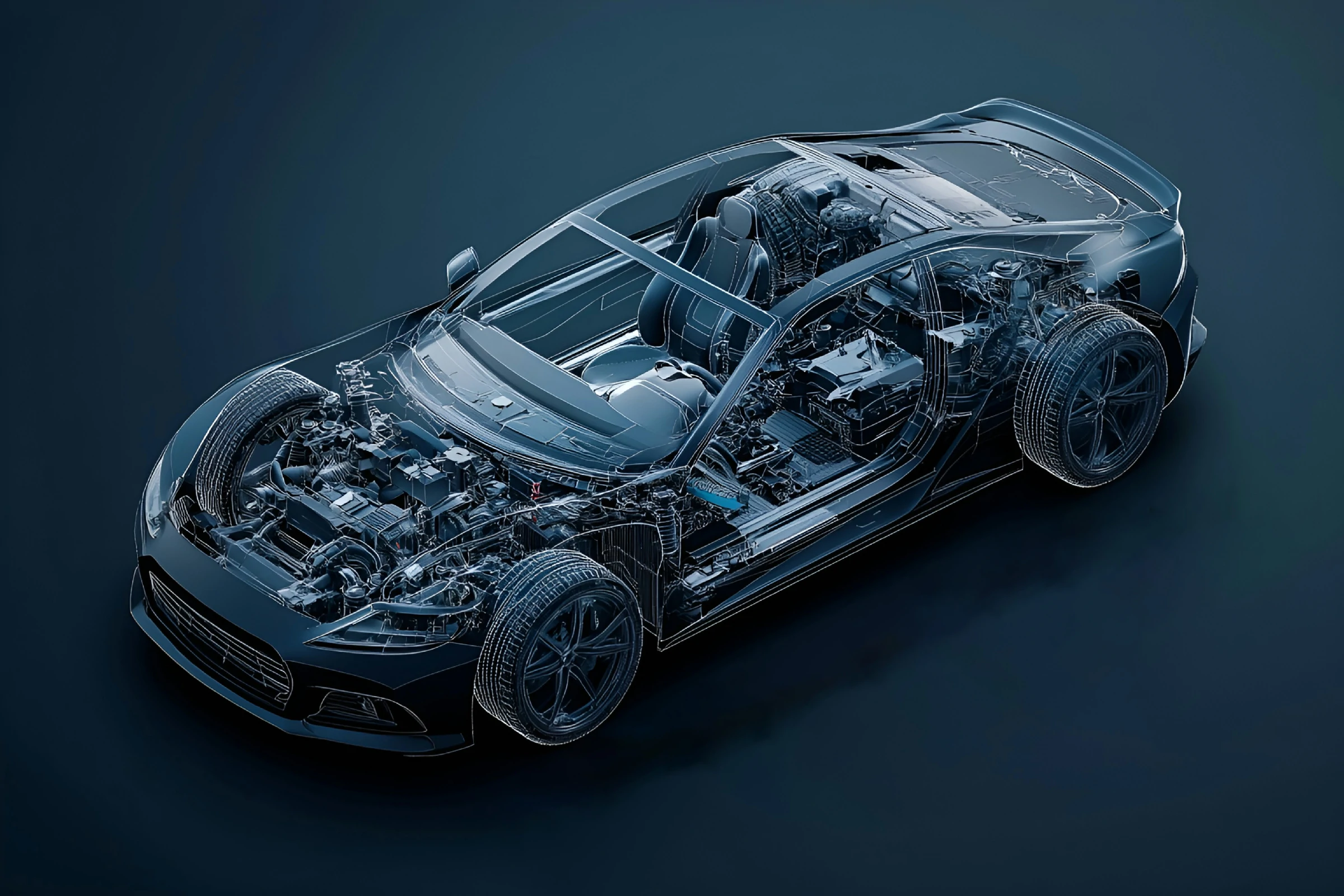
The automotive industry is undergoing its most profound transformation in a century. Internal combustion engines are giving way to electric powertrains. Mechanical systems are being replaced by mechatronic ones. Autonomous driving adds sensors and compute platforms that did not exist a decade ago. Through all of this change, one constant remains: precision CNC machining produces the critical components that determine vehicle performance, safety, and reliability.
Internal Combustion Engine Components
Despite the shift to electric vehicles, hundreds of millions of ICE vehicles will remain on roads for decades, and precision machining of engine components continues at massive scale.
Cylinder Heads and Engine Blocks
- Materials: Aluminum alloys (A356, 319) for passenger vehicles; compacted graphite iron (CGI) for heavy-duty diesel. Cylinder heads are typically cast to near-net shape, then precision-machined on dedicated transfer lines or flexible CNC machining centers.
- Critical operations: Valve seat and guide boring (concentricity within 0.01 mm), head deck face milling (flatness within 0.05 mm across the entire surface), camshaft bore line boring, and injector/glow plug hole machining.
Rotating Assembly Components
- Crankshafts: Forged steel (4340, 38MnVS6) or ductile iron. Main and rod journals are turned, then ground to IT5-IT6 tolerances with surface finish Ra 0.2 µm or better. Fillet rolling induces compressive stress for improved fatigue life.
- Connecting rods: Forged steel, powder metal, or titanium (motorsport). The big-end bore is machined, then the cap is fractured (cracked) or machined and assembled. The small-end bushing bore is precision-honed.
- Pistons: Cast or forged aluminum with complex crown geometries. Ring grooves are precision-turned. Wrist pin bores are finished by honing or boring.
Fuel System Components
- Gasoline direct injection (GDI) components: High-pressure pump housings, injector bodies, and fuel rails machined from stainless steel. Internal passages with intersecting cross-drilled holes. Burr-free machining is critical — a loose burr can clog an injector nozzle.
- Diesel injection components: Injection pressures exceeding 2,500 bar demand extreme precision. Injector nozzle bodies contain micro-holes (0.1-0.2 mm) produced by EDM. Control valve plates and seats require lapping to sub-micron flatness.
Electric Vehicle Powertrain Components
Motor Components
- Rotor shafts: Alloy steel (4140, 4340) or case-hardened steel (20MnCr5). Bearing journals ground to IT4-IT5 tolerances. The rotor lamination stack mounting surface must be concentric with bearing journals within 0.01 mm.
- Motor housings: Aluminum castings machined for bearing bores (concentricity critical), stator bore (concentricity to bearing bores determines the air gap), and cooling jacket interfaces.
- Stator cooling jackets: Aluminum components with spiral or serpentine internal coolant channels. Machined from two halves and joined by friction stir welding, or machined as a single component with complex internal toolpaths.
Battery Components
- Battery tray and enclosure components: Large aluminum extrusions or castings machined for cell module mounting points, cooling plate interfaces, and sealing surfaces. Flatness and hole position accuracy are critical for automated assembly.
- Bus bars and terminals: Copper or aluminum electrical conductors machined to precise dimensions. Contact surfaces are plated (nickel, silver, or tin) for low-resistance connections.
- Thermal management plates: Aluminum cold plates with internal serpentine channels for battery cell cooling. Similar to liquid cold plates for electronics but on a larger scale.
Power Electronics
- Inverter housings: Aluminum enclosures for the traction inverter. Sealing surfaces for environmental protection (IP67 typical). Internal mounting bosses for power modules and control boards.
- IGBT/SiC module baseplates: Copper or aluminum-silicon-carbide (AlSiC) plates that conduct heat from power semiconductor modules to the cooling system. Flatness and surface finish are critical for thermal interface performance.
Autonomous Driving and ADAS Components
- Sensor housings: LiDAR, radar, and camera housings machined from aluminum with precision alignment features. The sensor-to-mount interface accuracy directly affects perception system calibration.
- Compute platform enclosures: Ruggedized aluminum enclosures for autonomous driving compute units. Internal card guides and connector cutouts machined to tight tolerances.
- Precision brackets and mounts: Sensor mounting brackets that maintain precise angular alignment through vehicle vibration and thermal cycling. Often machined from aluminum with vibration-damping features.
Motorsport and High-Performance Applications
Motorsport pushes CNC machining to its limits — exotic materials, extreme weight optimization, and one-off or very low volume production:
- Titanium components: Uprights, suspension rockers, and gearbox components machined from Ti-6Al-4V forgings. The goal is minimum weight with adequate strength — wall thicknesses as thin as 0.8 mm in non-structural areas.
- Magnesium components: Wheel centers and gearbox casings for Formula 1 and LMP. Magnesium machines readily but poses a fire risk — special fire suppression systems and chip management are required.
- Inconel exhaust components: F1 exhaust manifolds fabricated from Inconel 625 sheet and machined Inconel flanges. Turbocharger turbine housings machined from Inconel 713C castings.
Quality Standards
- IATF 16949: The automotive-specific quality management standard, required by most OEMs and Tier 1 suppliers. Emphasizes defect prevention, continuous improvement, and supply chain risk management.
- PPAP (Production Part Approval Process): A standardized approval process that demonstrates the supplier can consistently produce parts meeting specifications at the quoted production rate.
- Statistical process control (SPC): Ongoing monitoring of critical dimensions with capability studies (Cpk ≥ 1.33 typical, Cpk ≥ 1.67 for safety-critical characteristics).
Tik Precision provides CNC machining services for automotive and EV components — from prototype powertrain parts to production quantities of precision-machined housings, brackets, and thermal management components. Contact us to discuss your automotive machining requirements.