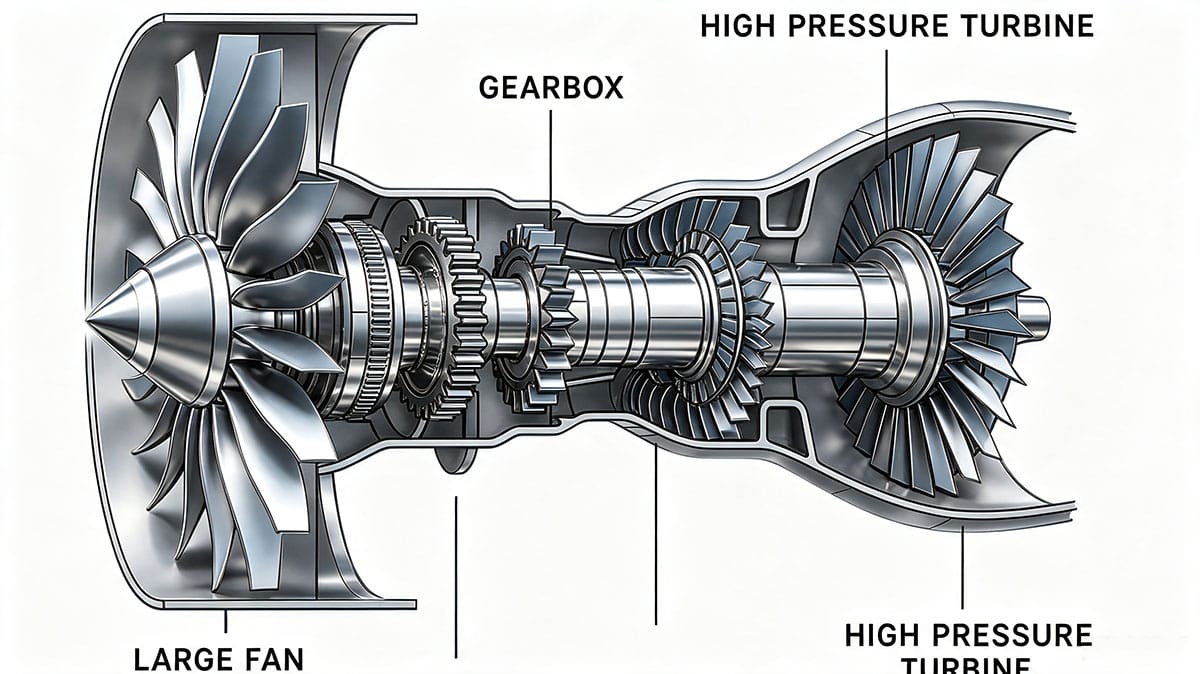
Turbine blades are among the most demanding components to manufacture in the entire aerospace supply chain. Operating inside jet engine hot sections at extreme temperatures, rotational speeds, and centrifugal loads, these blades must meet tolerances measured in microns while withstanding thousands of flight hours. For any machine shop serving the aerospace industry, mastering turbine blade precision machining is both a technical challenge and a competitive differentiator.
Why Aerospace Turbine Blades Are So Difficult to Machine
Unlike many industrial components, aero-engine turbine blades combine several characteristics that make them uniquely challenging to produce:
- Complex freeform airfoil geometry with continuously twisted surfaces along the blade span
- Thin-wall sections at the leading and trailing edges that are highly susceptible to vibration and deflection
- Difficult-to-cut materials, including nickel-based superalloys, titanium alloys, and single-crystal castings
- Extremely tight tolerances, often in the range of ±0.02–0.05 mm for airfoil profile and wall thickness
Any deviation in profile accuracy directly affects aerodynamic performance and fuel efficiency, making dimensional control a non-negotiable requirement.
Core Machining Processes
Aerospace turbine blade production typically relies on a combination of the following processes:
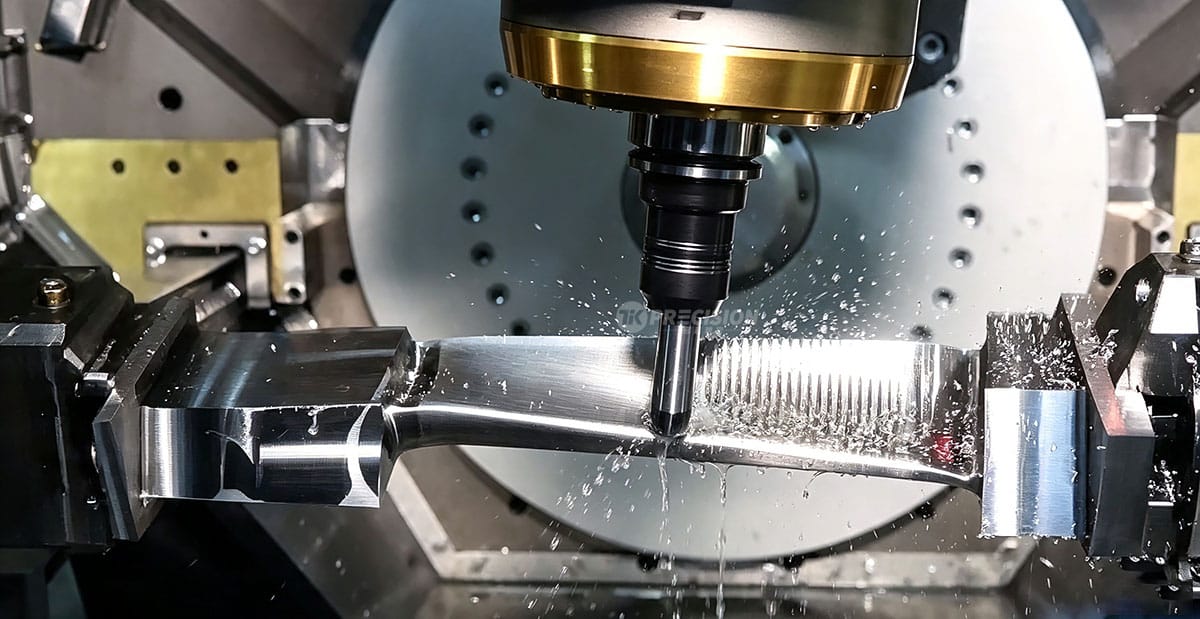
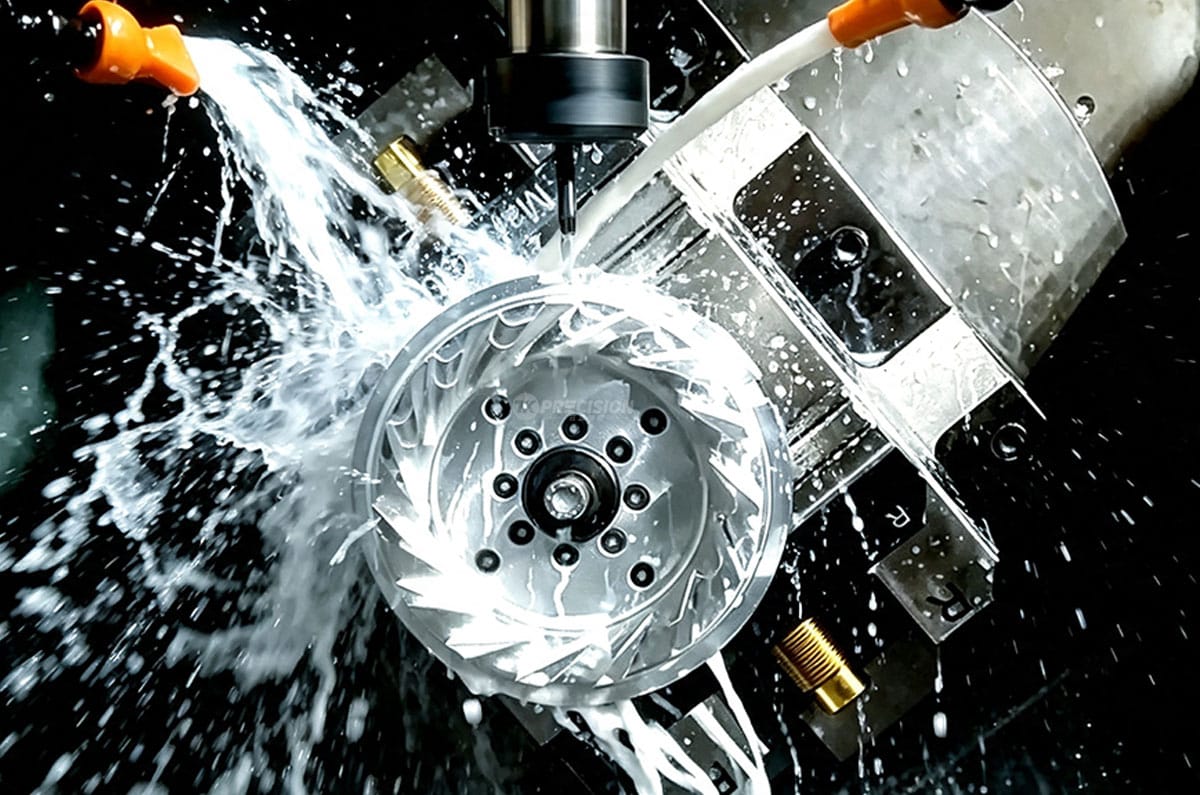
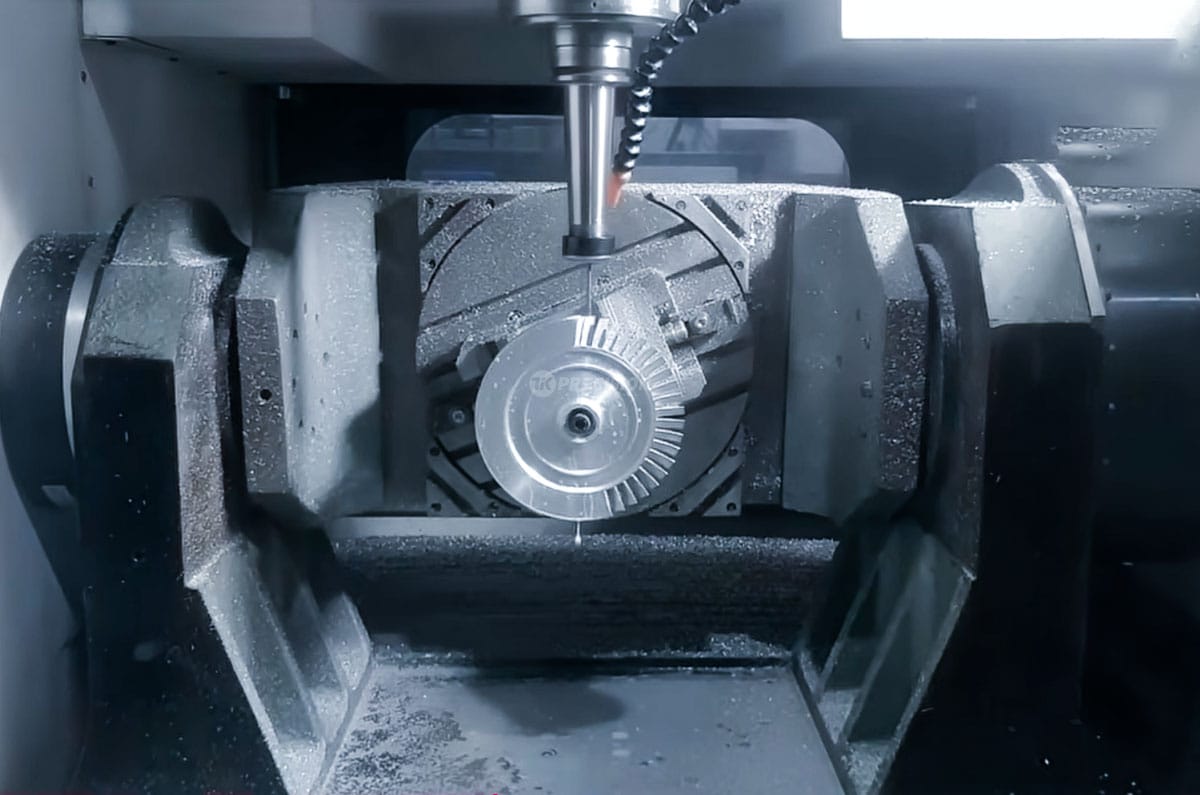
- 5-axis CNC milling for airfoil profiling, allowing continuous tool orientation adjustment along complex curved surfaces
- Electrochemical machining (ECM) for root and fir-tree features that are difficult to cut mechanically
- Precision grinding and polishing for final surface finish and profile accuracy
- Electrical discharge machining (EDM) for internal cooling holes and other fine geometric features
Maintaining Dimensional Accuracy and Surface Integrity
Beyond hitting nominal dimensions, aerospace turbine blade machining must also preserve surface integrity. Leading manufacturers control this through:
- Careful fixture design that minimizes clamping-induced deformation on thin sections
- Optimized cutting parameters that reduce heat generation and work hardening
- In-process and post-process inspection using CMM and optical scanning to verify profile conformance
- Traceable process documentation to satisfy AS9100 and customer-specific aerospace machining quality requirements
Certification and Traceability Requirements
Aerospace turbine components are safety-critical parts subject to strict regulatory oversight. Machining suppliers must typically demonstrate compliance with AS9100 quality management standards and hold specific customer or OEM approvals before parts can be delivered.
Conclusion
Precision machining of aerospace turbine blades sits at the intersection of advanced manufacturing technology and materials science. Shops that invest in high-end capabilities are best positioned to serve the demanding aerospace industry.