
One Setup, Three Parts, Three Qualified Components
How our 3-station fixture and on-machine metrology lift 5-axis utilization in high-volume production
At a glance: At Tik Precision, our engineering team built a dedicated 3-station fixture for our own 5-axis machining cells. Three parts are clamped in a single setup. Working with the machine’s on-machine metrology system, all three components are machined and verified inside that same clamping cycle — three qualified parts out of one setup, with no re-clamping, no re-datuming and no part pulled off the machine for inspection. The outcome is measurably higher machine utilization, and a process designed for high-volume production rather than prototyping.
In high-volume 5-axis work, the constraint is rarely the machine
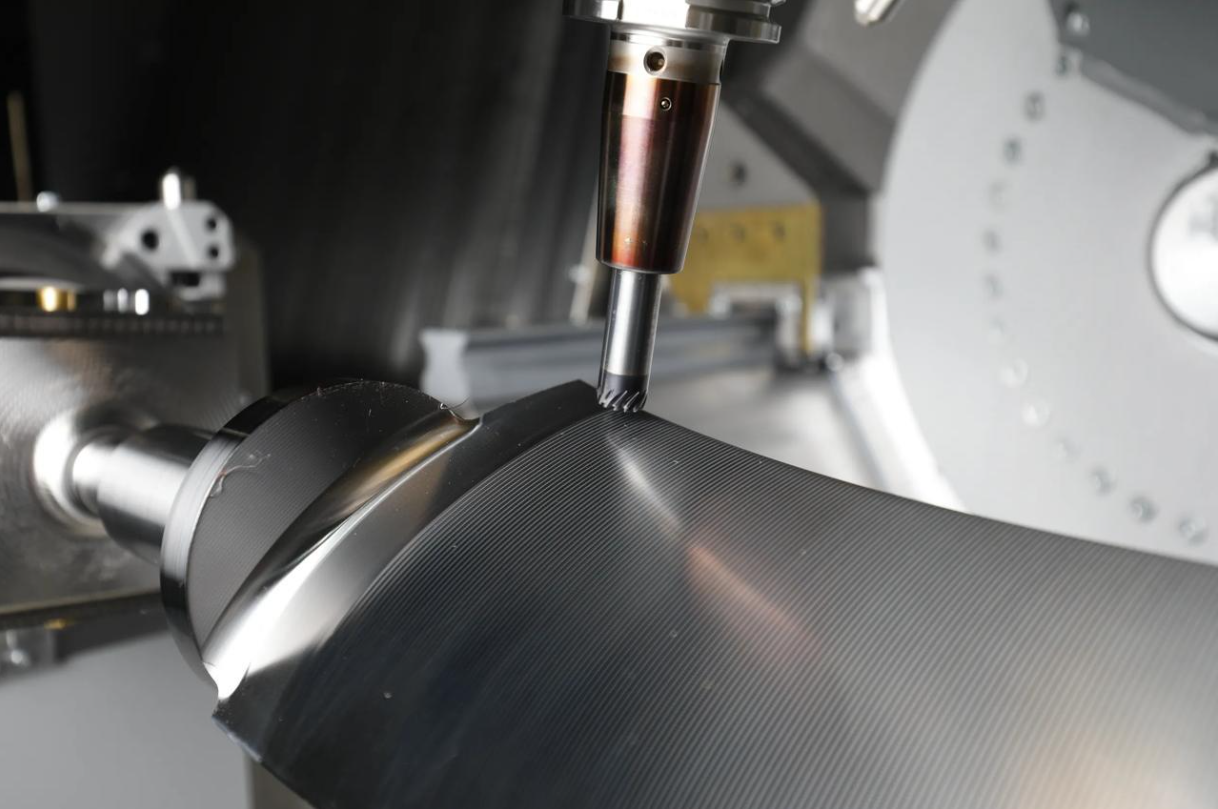
Free-form components such as impellers, blisks and thin-walled rotational parts only reach their tolerance and surface-finish targets on a 5-axis simultaneous machining platform. But once these parts move from prototype into series production, the limiting factor stops being spindle capability and becomes the time the machine spends not cutting: loading, re-datuming, re-probing, unloading, and waiting for an inspection result before the next part is released.
Each of those steps is a fixed cost that repeats per part. Three parts means three loads, three datum re-establishments, three unloads and three inspection hand-offs — and three separate opportunities for a datum shift to push a part out of tolerance. On a high-value 5-axis platform, that is the difference between a competitive unit price and an uncompetitive one.
What we built
Our engineering team designed and built a dedicated 3-station fixture in-house, for our own machining cells. It is not a catalogue workholding product, and we do not sell it as one — it is a process asset we developed so that production orders arriving on our shop floor run faster, more consistently and at a lower unit cost.
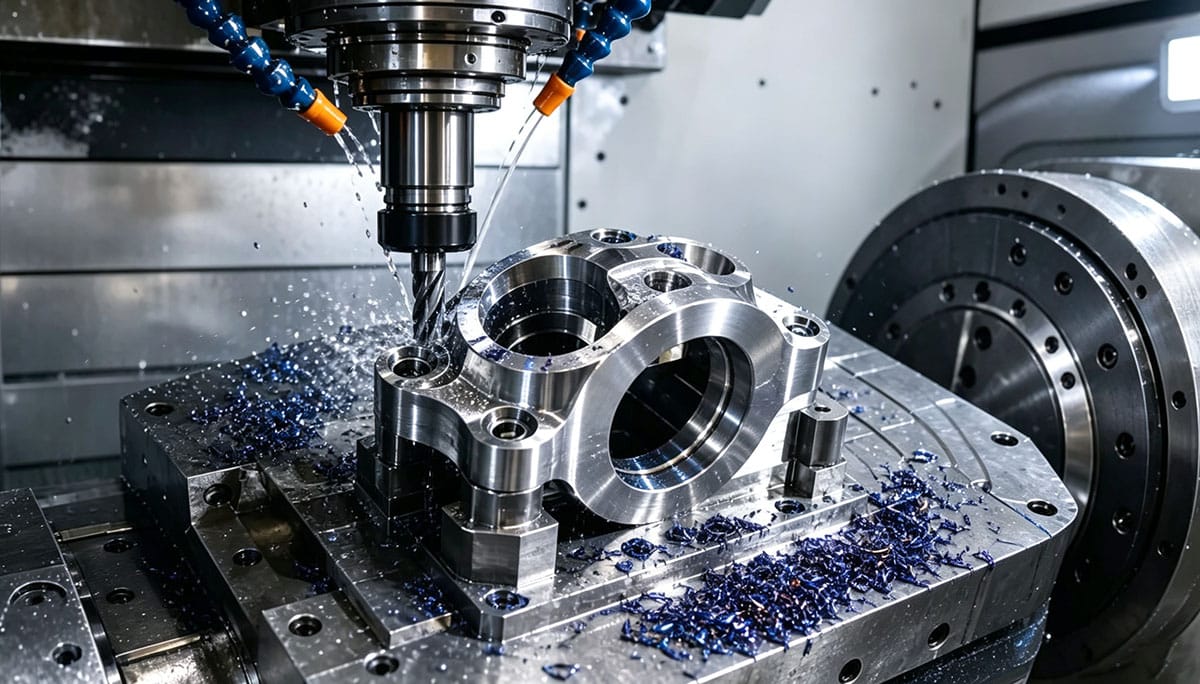
Three workpieces are clamped simultaneously on a single shared datum. Coupled with the machine’s on-machine metrology system, the machining and inspection of all three components are completed within one clamping cycle.
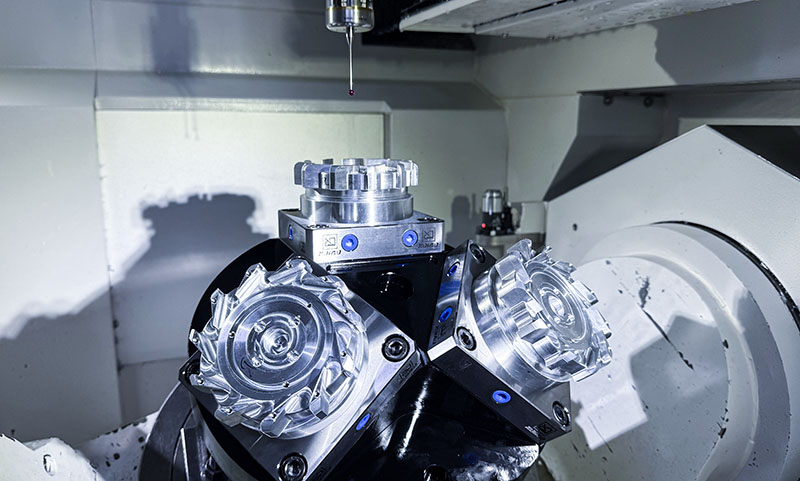
To address this persistent manufacturing challenge, Tik Precision has engineered this bespoke 3-station 5-axis fixture. This proprietary workholding solution enables concurrent fixturing of three workpieces within a single setup. Paired with the machine’s on-machine metrology system, all machining sequences and inspection validation for the three components are completed in one clamping cycle to deliver three conforming parts. No re-clamping, no re-alignment is required mid-process.
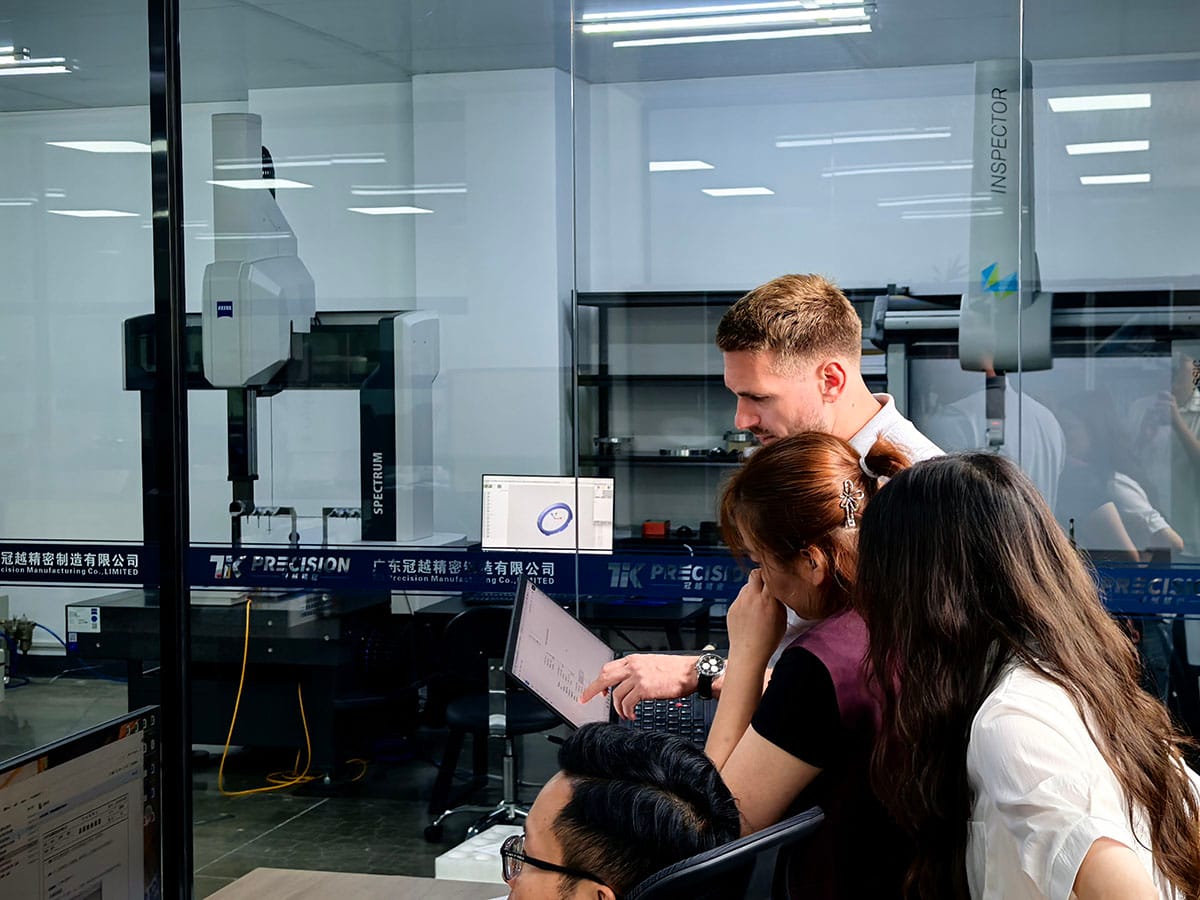
No workpiece removal, no re-truing, no secondary datum alignment. A unified datum reference framework eliminates positional deviation inherent to repeated fixturing. The on-machine probe captures dimensional and contour data, feeding into closed-loop offset and tool compensation to uphold exceptional dimensional consistency across production batches.
This architecture slashes non-cutting auxiliary cycle time. It reallocates spindle hours to productive material removal, delivering a measurable uplift in 5-axis asset utilization, making it perfectly suited for mass production scenarios.
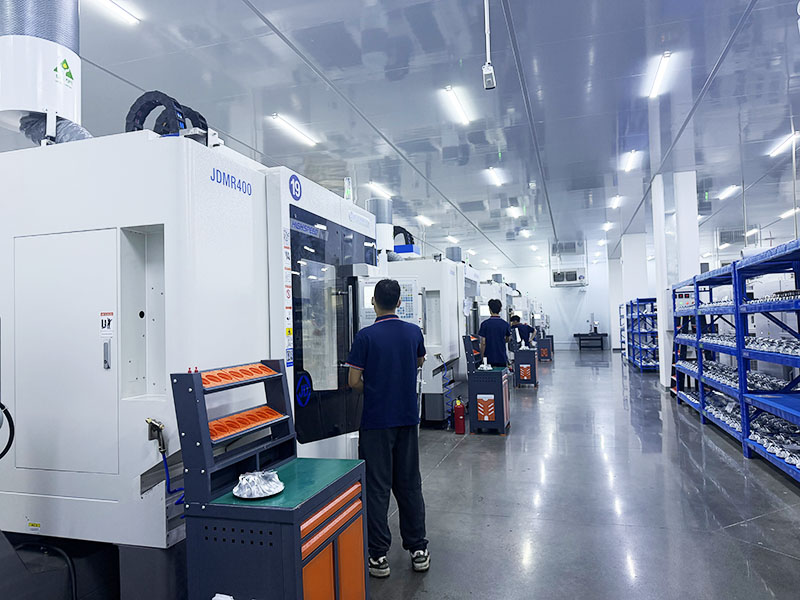
Core Advantages for High-Volume Impeller Manufacturing- Consistent Process Yield : Single fixed datum + closed-loop on-machine metrology mitigate human-induced fixturing variability
- Enhanced Throughput : Minimized setup overhead enables uninterrupted continuous machining cycles
- Optimized Unit Economics : Maximizes ROI on capital-intensive 5-axis machining platforms
- Unrestricted 5-Axis Reach : Collision-validated fixture geometry ensures full tool access for blade and flow-channel machining
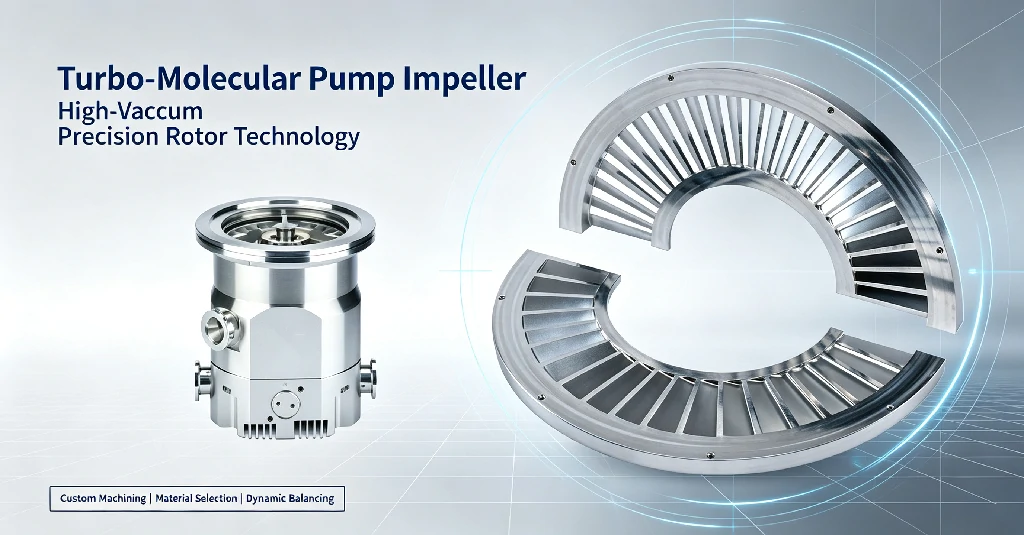
Competitive differentiation in precision impeller manufacturing extends far beyond machine tool accuracy — it hinges on process orchestration and fixturing innovation. A high-performance fixture is not merely a workholding device; it creates a unified workflow bridging fixturing, material removal, and in-process inspection. Our 3-station 5-axis fixture is a production-hardened, scalable solution that unlocks high-volume impeller manufacturing while sustaining tight tolerance requirements for impeller and blisk families.
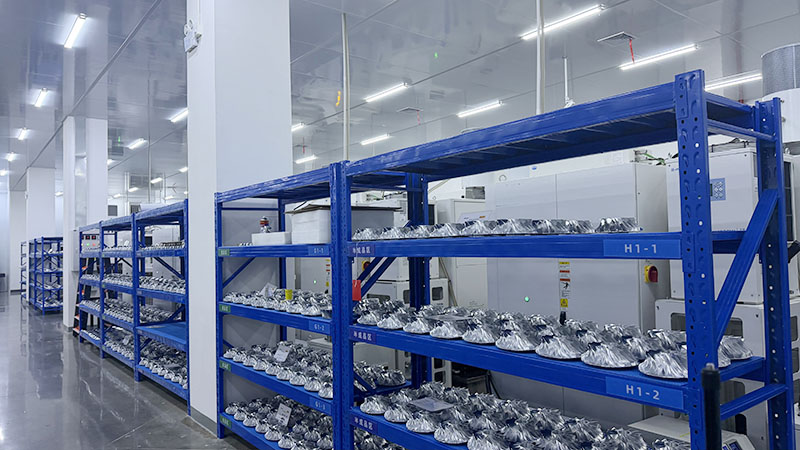
We focus on custom 5-axis fixture engineering and process development for aerospace, medical, energy, semiconductor and robotic applications. If your operation is hindered by low spindle utilization or fixturing-derived tolerance drift in serial production, reach out to our engineering team for a tailored process assessment.
FAQ
A: It is purpose-optimized for complex freeform parts such as impellers, vortex wheels and miniature blisks. Tik Precision delivers fully custom fixturing engineered against your component drawings for precision 5-axis components deployed across aerospace, medical, semiconductor and fluid power sectors.
A: Full kinematic stroke simulation is integrated into the fixture design validation phase to eliminate tool collision risks. The fixture envelope is optimized to preserve unobstructed access to blade profiles and internal flow passages. We further refine the design based on your machine platform specification and cutting tool projection length.
A: Yes. The on-machine probe acquires dimensional and contour data in situ. Workpiece coordinate offsets and tool wear compensation can be updated within the same fixturing state, with zero re-clamping required. This eliminates datum uncertainty introduced by repeated part removal and re-fixturing.
A: The magnitude of improvement correlates with your existing per-part setup cycle duration. For high-volume production runs, the solution eliminates two full cycles of unclamping, re-indicating and re-probing. Non-cutting auxiliary time can be reduced by 40%–60%, driving substantial gains in spindle utilization.
A: It delivers micron-level repeat positioning accuracy. When coupled with closed-loop on-machine metrology, batch consistency outperforms conventional workflows with repeated re-clamping, making it ideal for sustained high-volume production orders.
A: The fixture base and interface are customized to match your rotary table or chuck interface specification. Tik Precision completes a pre-delivery review of your machine model, rotary table mounting interface and axis travel limits to ensure plug-and-play deployment.
A: Both procurement models are supported. You may purchase the custom workholding fixture independently. Tik Precision can also provide a turnkey package encompassing machining strategy, probing cycles and macro programs for seamless one-shop process deployment.