
Introduction: The Role of CNC Machining in High-Precision Manufacturing
In today’s industrial landscape, dimensional accuracy, operational efficiency, and batch consistency are paramount. From aerospace propulsion systems to intricate medical implants, manufacturers leverage advanced subtractive manufacturing technologies to produce complex geometries with micron-level precision. Among these, CNC (Computer Numerical Control) machining serves as the cornerstone of modern precision engineering.
Whether you require professional CNC machining services for rapid prototyping or high-volume production runs, understanding the technical nuances of the process is essential for engineering optimization. This guide delves into the fundamentals of CNC technology and its critical importance in producing mission-critical components.
What Is CNC Machining?
CNC machining is an automated manufacturing process where pre-programmed computational logic governs the movement of multi-axis machine tools. By translating 3D digital designs into G-code (Geometric Code), the system orchestrates the synchronized motion of spindles, cutters, and workpieces.
This digital integration facilitates tight geometric tolerances and the execution of complex toolpaths that are unattainable through conventional manual machining. It ensures that every part in a production lot adheres to the exact same specifications.
The Technical Workflow: From CAD to Finished Part
The transition from a conceptual design to a physical component follows a rigorous technical sequence:
1. CAD Modeling & CAM Integration
Engineers develop high-fidelity 3D models using CAD (Computer-Aided Design) software. These models are processed through CAM (Computer-Aided Manufacturing) platforms to define optimal cutting parameters, feed rates, and spindle speeds.
2. Machine Configuration & Tooling
The setup phase involves securing the raw stock (billets) using specialized workholding fixtures and calibrating the cutting tools. Precision in this stage is vital for maintaining concentricity and surface integrity during CNC milling or turning operations.
3. Metrology & Quality Assurance
Post-machining, components undergo stringent validation using advanced metrology equipment, such as CMM (Coordinate Measuring Machines) and laser scanners, to verify compliance with the original engineering blueprints.
Core Modalities: Milling, Turning, and Simultaneous 5-Axis Machining
The choice of machining modality depends on the part’s topology and functional requirements:
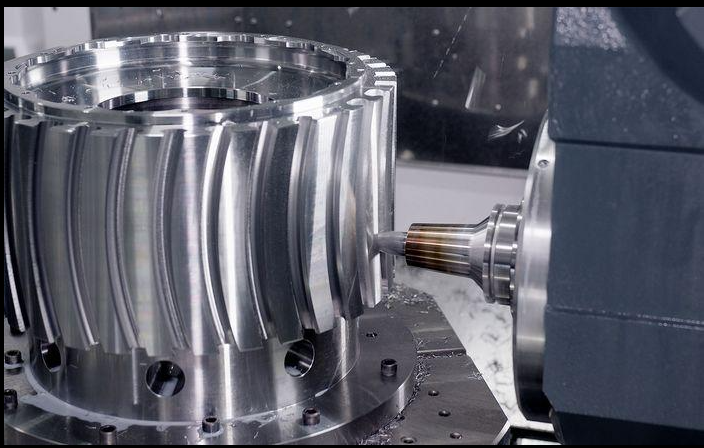
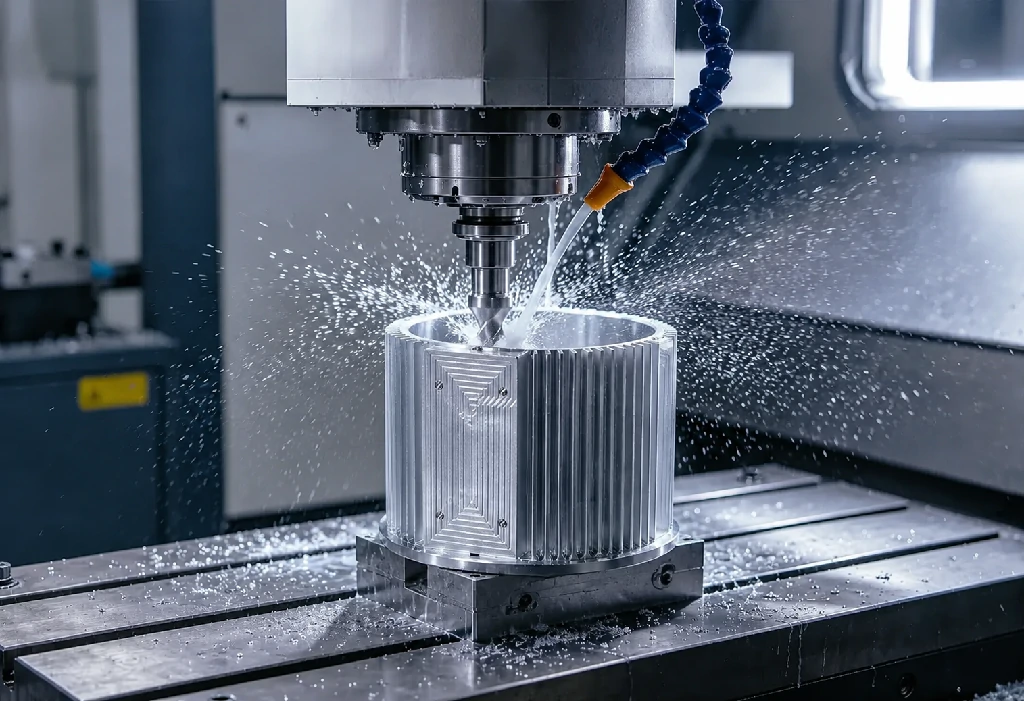
- CNC Milling: Utilizes rotating multi-point cutters to remove material. It is ideal for prismatic parts, housings, and structural aerospace frames.
- CNC Turning: Rotates the workpiece against a single-point cutting tool, perfect for axisymmetric components like shafts, flanges, and bushings. Explore our precision CNC turning services.
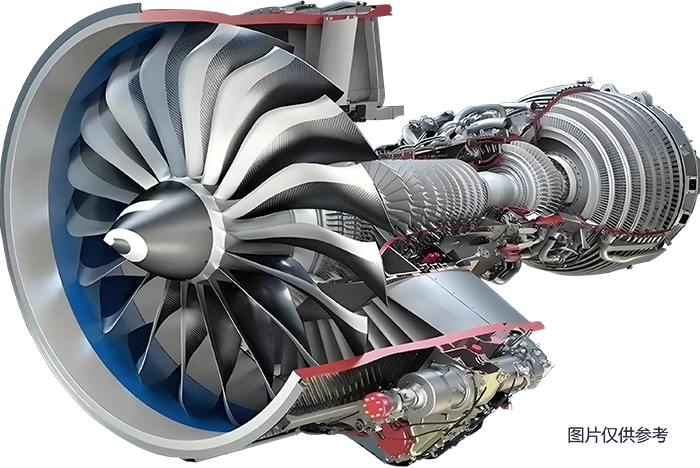
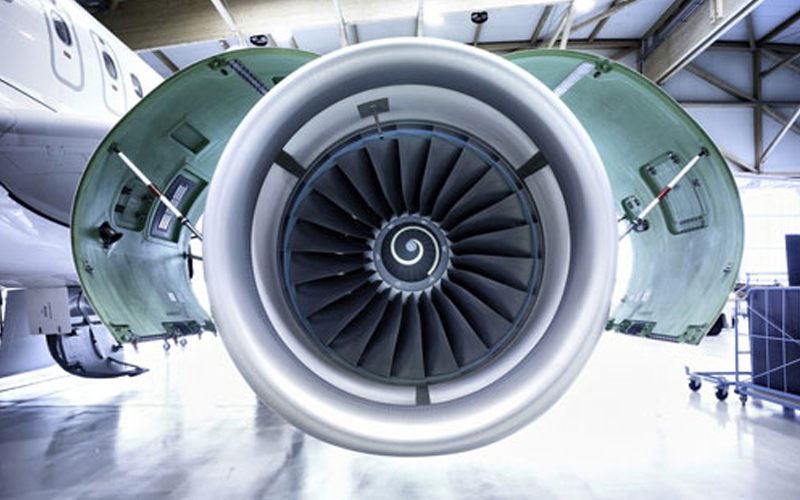
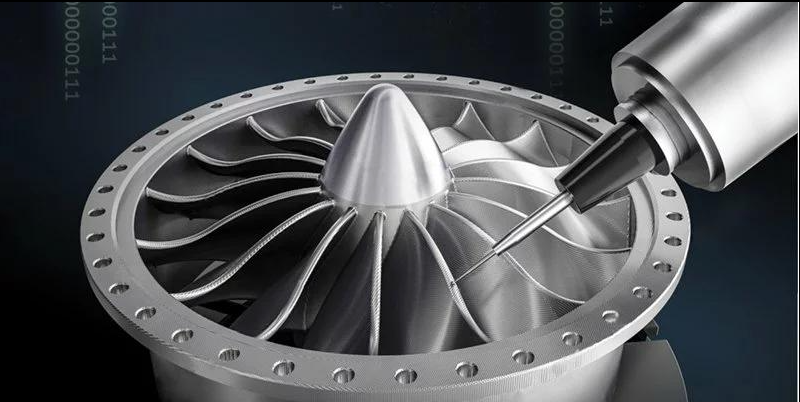
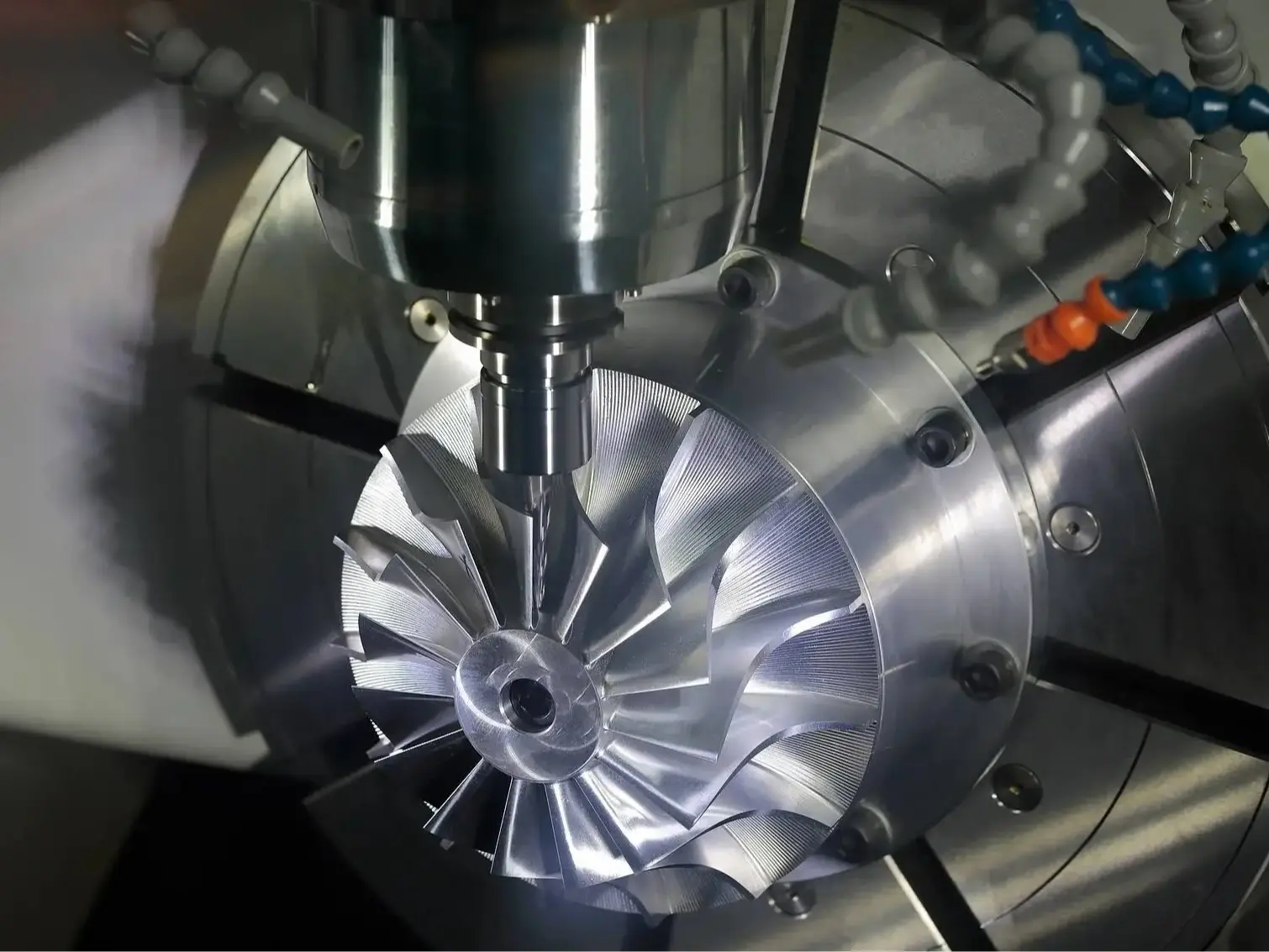
- Simultaneous 5-Axis Machining: The industry standard for complex aerodynamic profiles, such as compressor impellers and turbine blades. It minimizes setups and eliminates alignment errors by moving the tool across five different axes simultaneously.
Key Advantages of CNC Technology
- Superior Dimensional Accuracy: Capable of achieving tolerances as fine as ±0.005 mm.
- Enhanced Surface Integrity: Delivers consistent surface finishes (Ra values) tailored to specific application needs.
- Material Versatility: Compatible with aerospace-grade titanium, stainless steel, Inconel, and high-performance engineering thermoplastics.
- Scalability: Seamlessly transitions from low-volume prototypes to mass production with zero deviation in quality.
Conclusion: Engineering Excellence with Tik Precision
CNC machining is a sophisticated synergy of digital intelligence and mechanical precision. To achieve the best results, it is crucial to partner with a manufacturer that combines state-of-the-art 5-axis technology with a robust Quality Management System (QMS).
At Tik Precision, we provide specialized CNC turned components and complex multi-axis milling solutions. Our engineering team offers comprehensive DFM (Design for Manufacturability) support to ensure your components are optimized for performance and cost-efficiency. Contact our technical team today to discuss your precision requirements!