
Long CNC machining lead times can disrupt product launches, prototype testing, equipment maintenance, and customer deliveries.
However, reducing lead time does not necessarily mean running machines faster. In many cases, the biggest delays occur before machining even begins.
Where CNC Lead Time Is Lost
Common sources of delay include:
- Engineering review
- Quotation
- Programming
- Material procurement
- Fixture preparation
- Machine scheduling
- Secondary processing
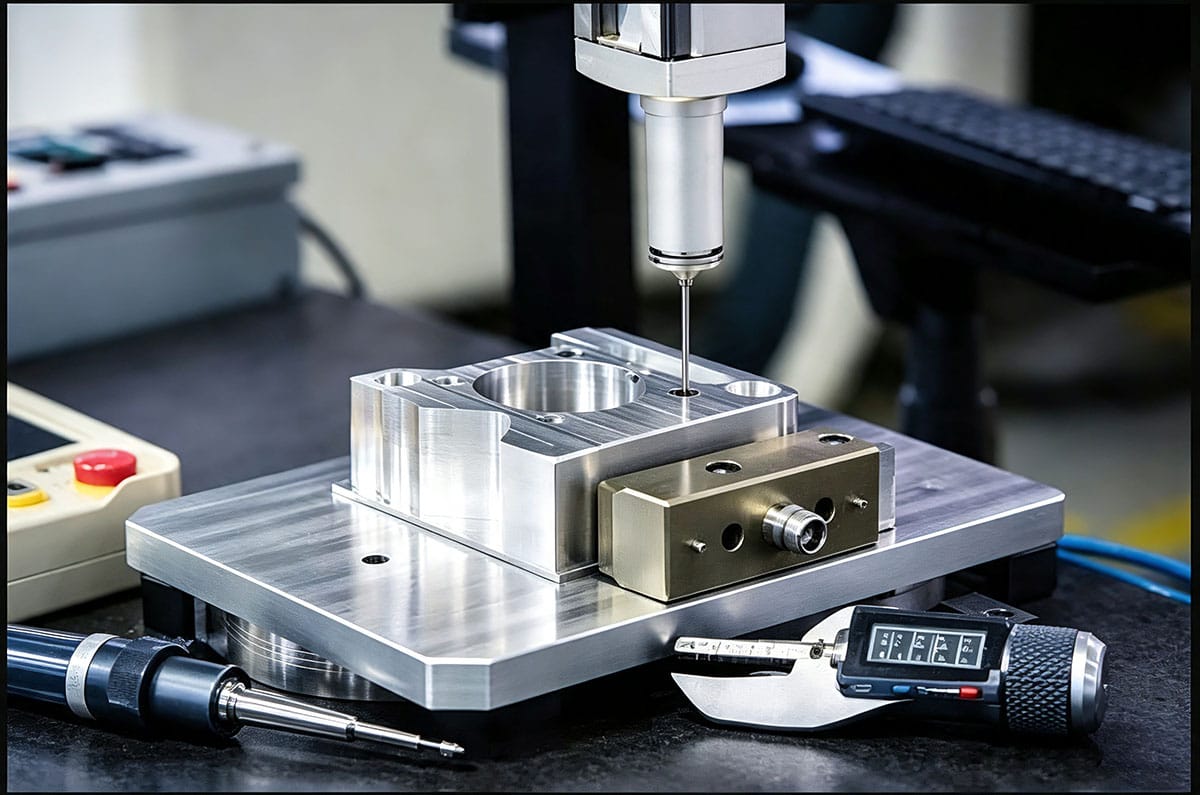
- Inspection
- Shipping
Improving these stages can significantly shorten the overall production cycle.
1. Provide Complete Engineering Information
A complete drawing or 3D model allows the manufacturer to begin DFM analysis immediately.
Important information includes:
- Material
- Quantity
- Tolerances
- Surface finish
- Heat treatment
- Coating requirements
- Inspection requirements
Incomplete information often leads to repeated communication and quotation delays.
2. Use DFM Analysis Early
Design-for-manufacturing analysis can identify potential problems before production.
For example, a feature may be technically possible but require an additional setup or specialized tooling.
Changing the design before production is usually much easier than changing it after machining has started.
3. Choose the Appropriate CNC Process
Not every component requires the same machine.
Depending on geometry, manufacturers may use:
- CNC turning
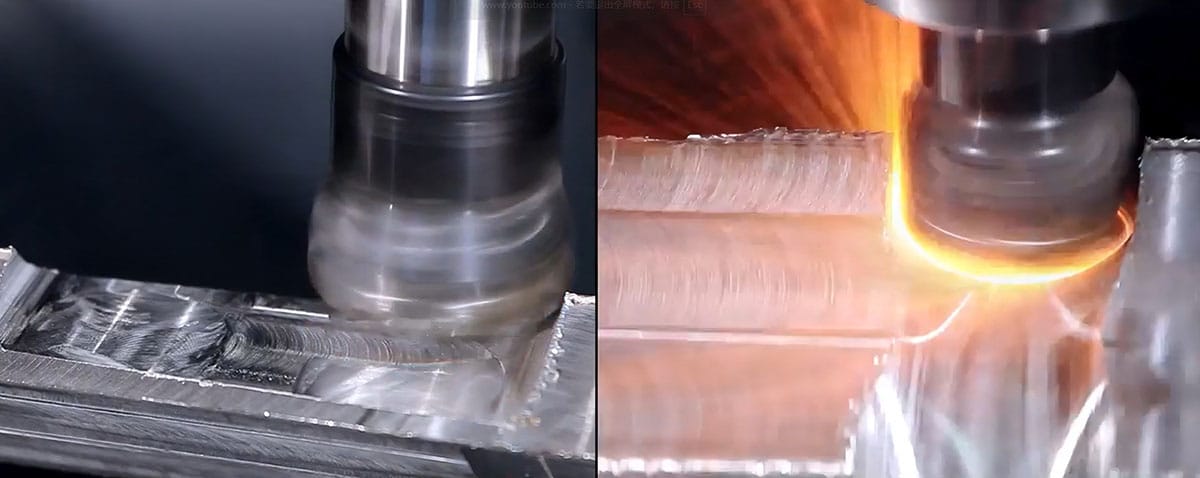
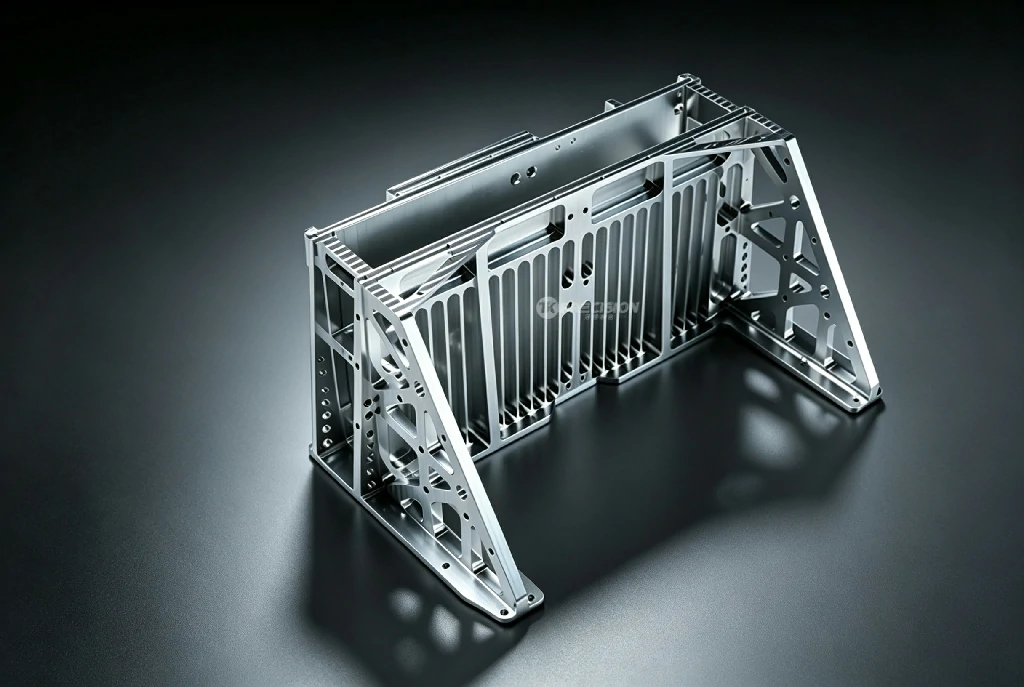
- CNC milling
- Mill-turn machining
- 4-axis machining
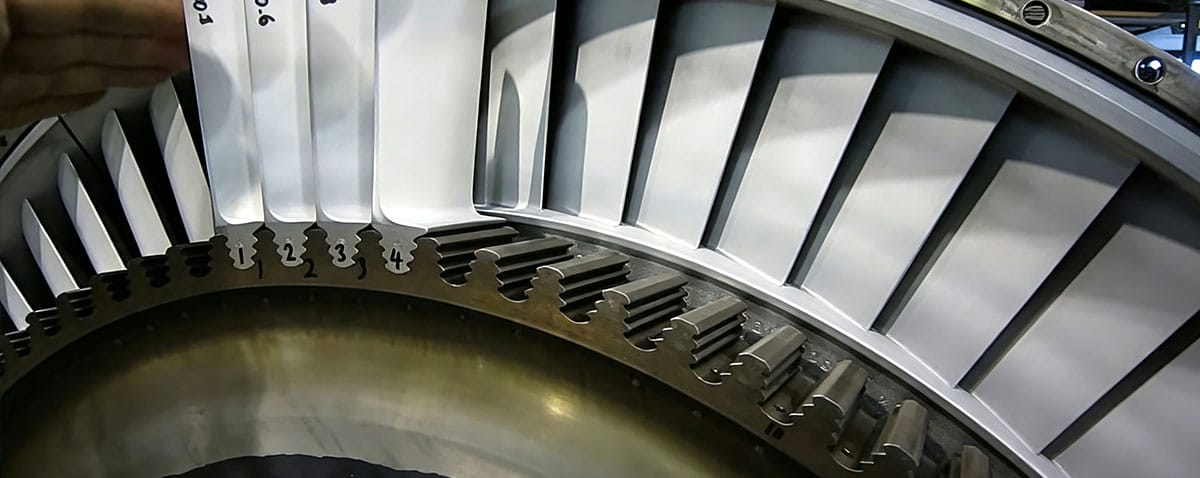
- 5-axis machining
- Grinding
Selecting the appropriate process can reduce both machining time and setup time.
4. Reduce Unnecessary Setups
Every setup adds time.
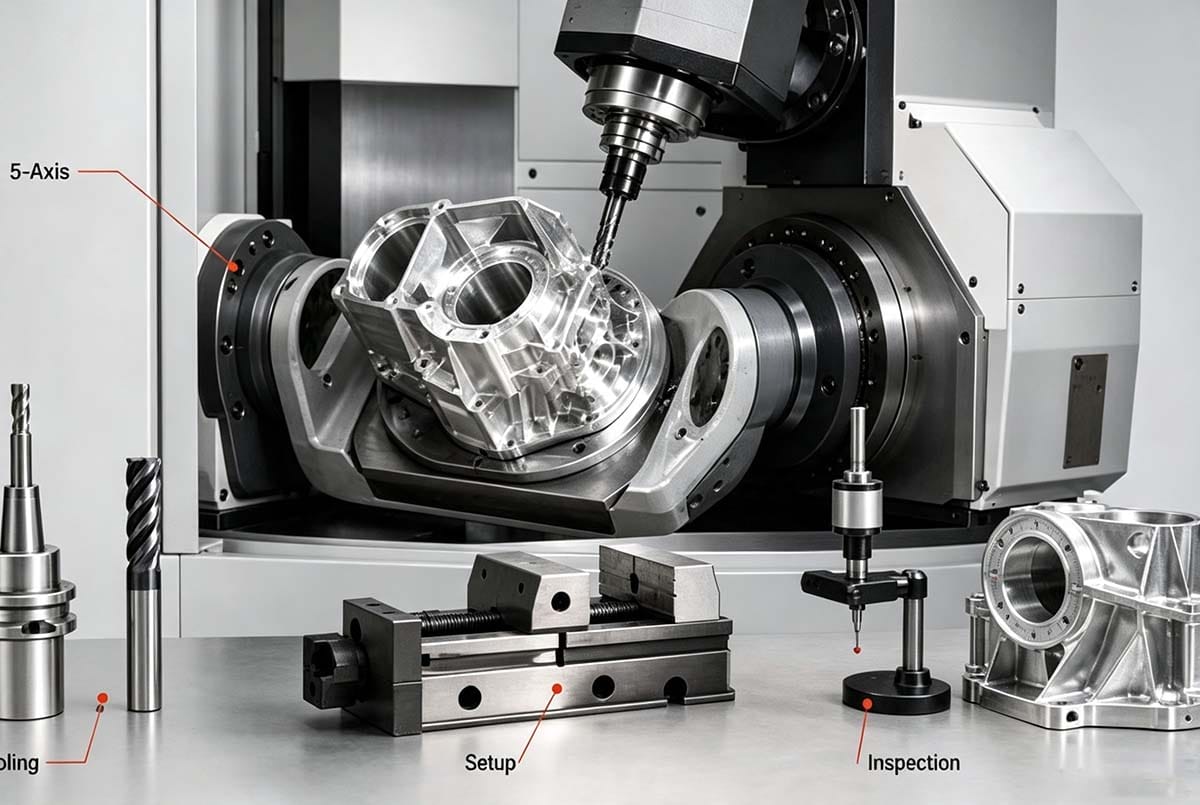
When possible, manufacturers can use multi-axis machining to access multiple surfaces without repeatedly repositioning the component.
5. Prepare Materials in Advance
Material availability can become a major bottleneck.
For urgent projects, confirming material availability early can prevent unnecessary waiting.
6. Standardize Inspection
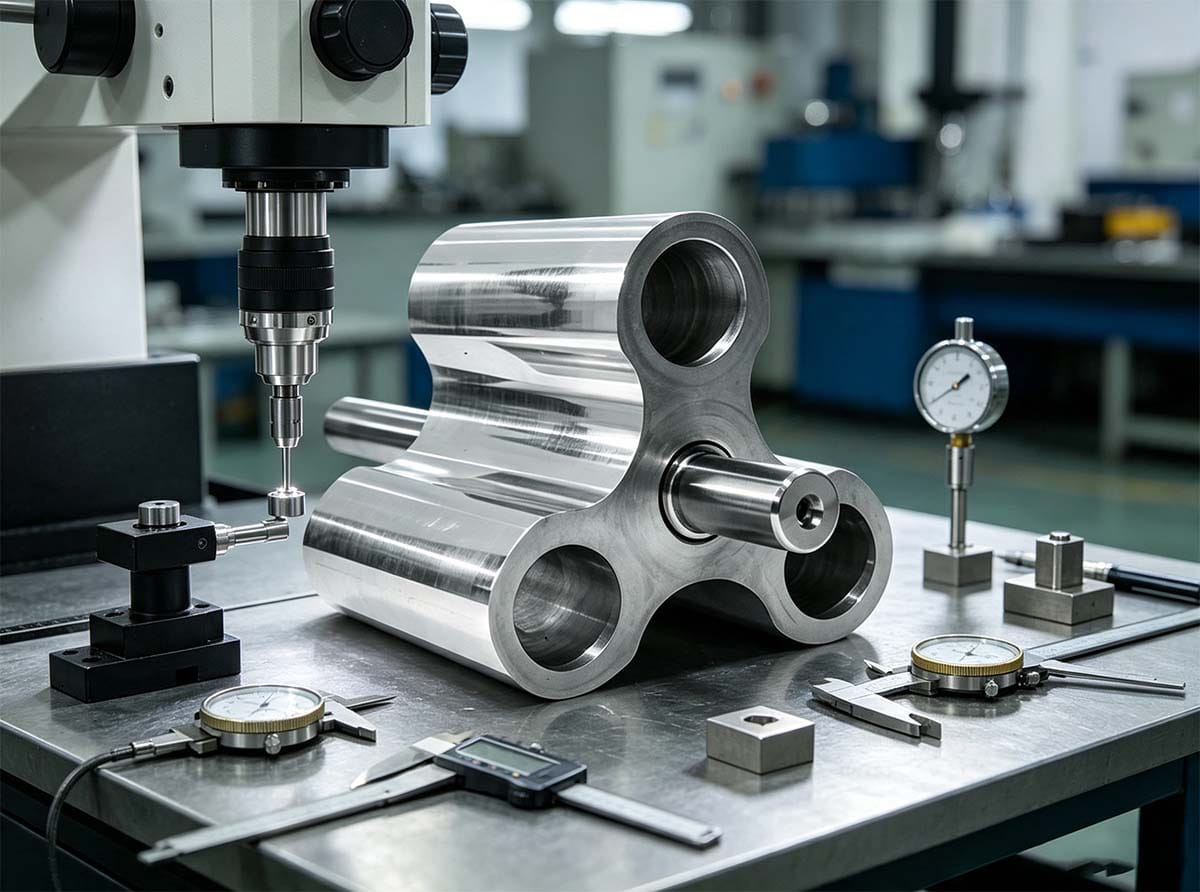
Inspection requirements should be clearly defined before production.
When inspection criteria are unclear, parts may be completed but remain on hold while engineering teams determine acceptance requirements.
7. Coordinate Secondary Processes
Surface treatment, heat treatment, balancing, coating, and other external processes should be planned as part of the production schedule rather than treated as separate activities.
8. Maintain Production Visibility
Customers benefit from clear production milestones:
Engineering Review → Material → Programming → Machining → Inspection → Finishing → Final Inspection → Shipment
Visibility makes it easier to identify delays before they become delivery problems.
Conclusion
Reducing CNC machining lead time is primarily a process-management challenge.
The most effective strategy is to remove unnecessary waiting, improve engineering communication, optimize machining processes, and coordinate secondary operations.
Fast machining is only one part of fast manufacturing.
Need CNC Machined Parts Faster?
Long lead times are often caused by engineering review, material procurement, complex setups, secondary processing, or inspection—not simply machining time.
Our team can review your project and develop a manufacturing approach focused on reducing unnecessary production delays.
Send Your Drawing
Provide your drawings, CAD files, material requirements, and quantity.
Request a DFM Review
We can identify features or processes that may be increasing machining time.
Request a Quote
Tell us your target quantity and required delivery date so we can evaluate the most efficient production strategy.


.jpg)