
How to Reduce CNC Machining Lead Times Without Sacrificing Quality

Picture of Kenny Gan
Kenny Gan
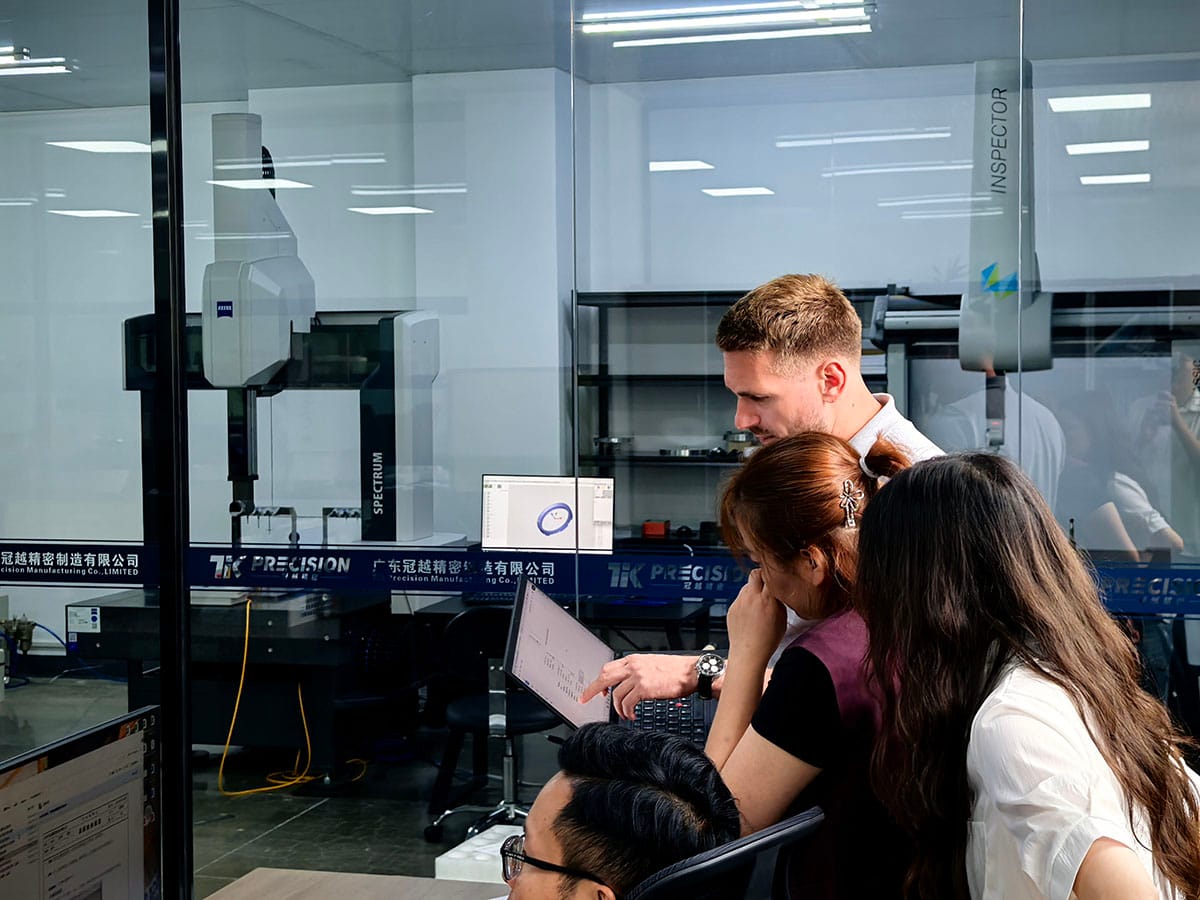
Overseas customer and engineering team review technical documents on laptop, ZEISS CMM metrology lab background
Share

Table of Contents

Long CNC machining lead times can disrupt product launches, prototype testing, equipment maintenance, and customer deliveries.

However, reducing lead time does not necessarily mean running machines faster. In many cases, the biggest delays occur before machining even begins.

Where CNC Lead Time Is Lost

Common sources of delay include:

  • Engineering review
  • Quotation
  • Programming
  • Material procurement
  • Fixture preparation
  • Machine scheduling
  • Secondary processing
  • Inspection
  • Shipping

Improving these stages can significantly shorten the overall production cycle.

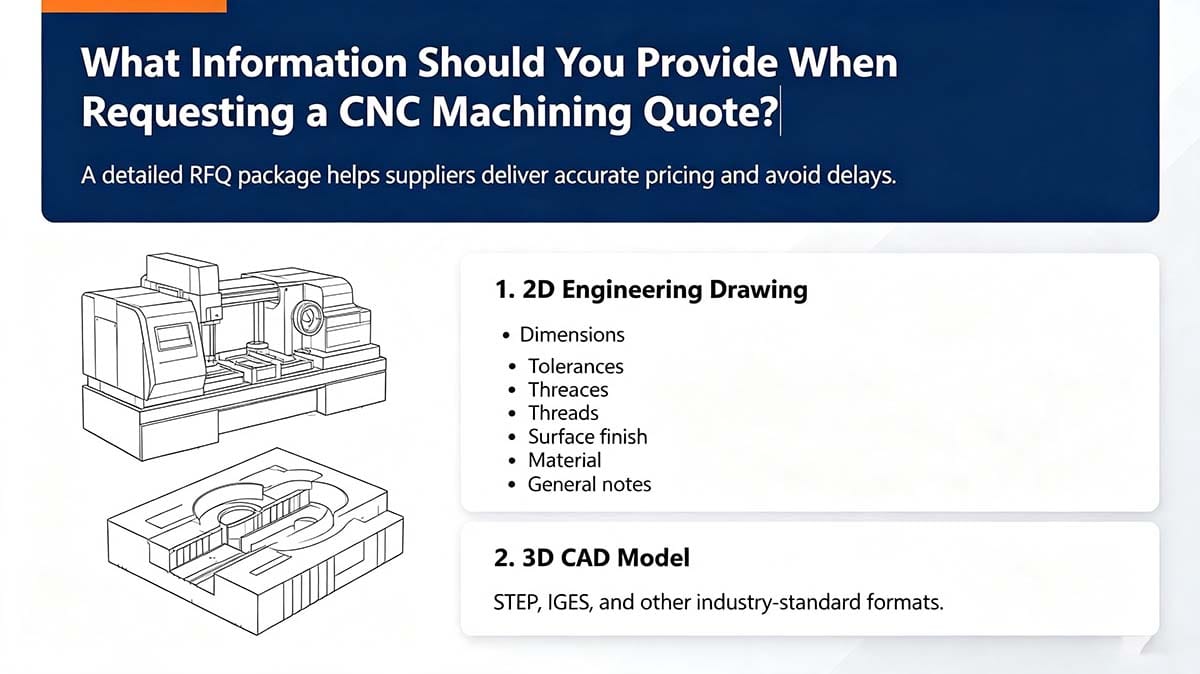
1. Provide Complete Engineering Information

A complete drawing or 3D model allows the manufacturer to begin DFM analysis immediately.

Important information includes:

  • Material
  • Quantity
  • Tolerances
  • Surface finish
  • Heat treatment
  • Coating requirements
  • Inspection requirements

Incomplete information often leads to repeated communication and quotation delays.

2. Use DFM Analysis Early

Design-for-manufacturing analysis can identify potential problems before production.

For example, a feature may be technically possible but require an additional setup or specialized tooling.

Changing the design before production is usually much easier than changing it after machining has started.

3. Choose the Appropriate CNC Process

Not every component requires the same machine.

Depending on geometry, manufacturers may use:

  • CNC turning
  • CNC milling
  • Mill-turn machining
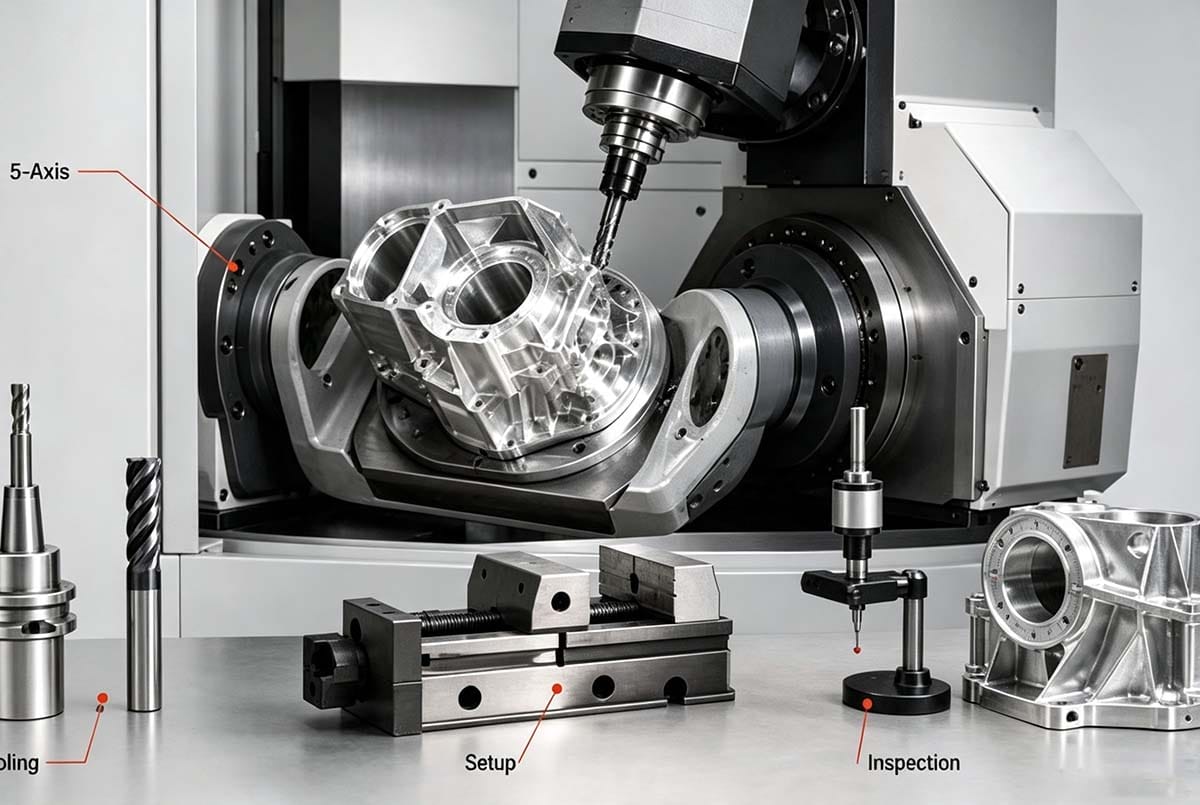
  • 4-axis machining
  • 5-axis machining
  • Grinding

Selecting the appropriate process can reduce both machining time and setup time.

4. Reduce Unnecessary Setups

Every setup adds time.

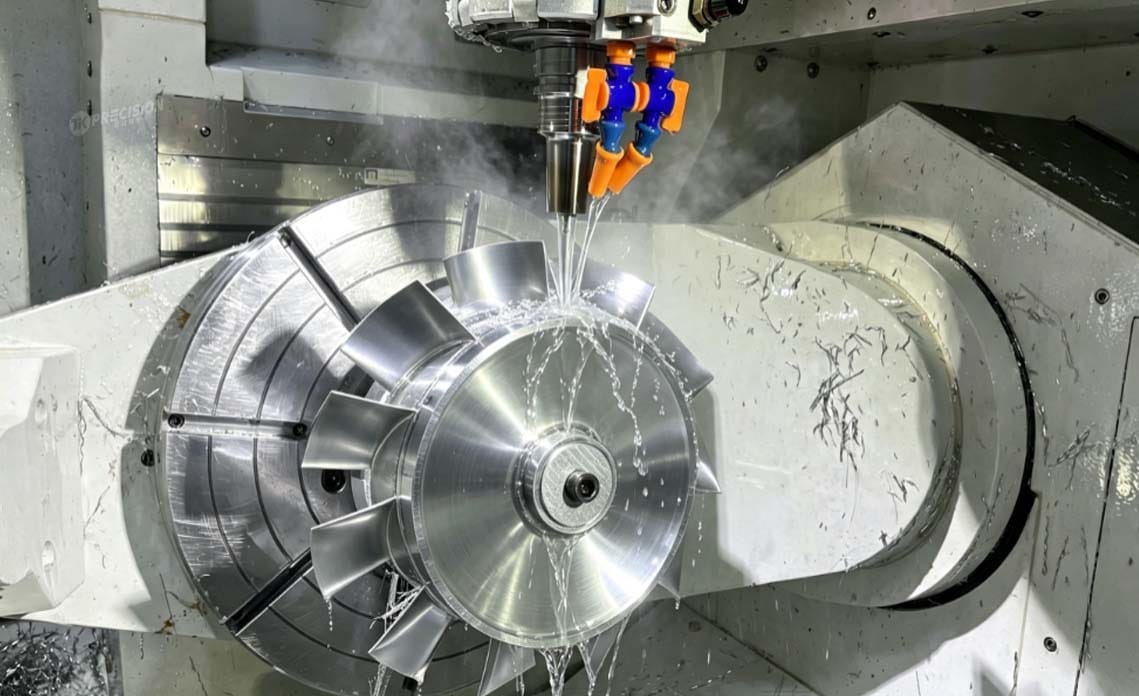
When possible, manufacturers can use multi-axis machining to access multiple surfaces without repeatedly repositioning the component.

5. Prepare Materials in Advance

Material availability can become a major bottleneck.

For urgent projects, confirming material availability early can prevent unnecessary waiting.

6. Standardize Inspection

Inspection requirements should be clearly defined before production.

When inspection criteria are unclear, parts may be completed but remain on hold while engineering teams determine acceptance requirements.

7. Coordinate Secondary Processes

Surface treatment, heat treatment, balancing, coating, and other external processes should be planned as part of the production schedule rather than treated as separate activities.

8. Maintain Production Visibility

Customers benefit from clear production milestones:

Engineering Review → Material → Programming → Machining → Inspection → Finishing → Final Inspection → Shipment

Visibility makes it easier to identify delays before they become delivery problems.

Conclusion

Reducing CNC machining lead time is primarily a process-management challenge.

The most effective strategy is to remove unnecessary waiting, improve engineering communication, optimize machining processes, and coordinate secondary operations.

Fast machining is only one part of fast manufacturing.

Need CNC Machined Parts Faster?

Long lead times are often caused by engineering review, material procurement, complex setups, secondary processing, or inspection—not simply machining time.

Our team can review your project and develop a manufacturing approach focused on reducing unnecessary production delays.

Send Your Drawing
Provide your drawings, CAD files, material requirements, and quantity.

Request a DFM Review
We can identify features or processes that may be increasing machining time.

Request a Quote
Tell us your target quantity and required delivery date so we can evaluate the most efficient production strategy.


Need a Manufacturing Quote?

Upload your drawings and receive DFM feedback, material recommendations, and a clear manufacturing quote.

16+

Year

50K+

Parts Manufactured

98.2%

On-time Delivery

Request a Quote
All Articles From The Author

I Need Custom CNC Machined Parts for Our Car Prototype Testing Where to Get

A Practical Guide to Finding the Right CNC Machining Supplier for Automotive Prototypes If you are developing a new vehicle, EV platform, performance car,

5-axis-cnc-machining-compressor-impeller-titanium-alloy-tikprecision

Best Impeller Machining Suppliers for Complex Turbomachinery Parts

Compare impeller machining suppliers and learn how 5-axis CNC machining, material expertise, inspection, balancing, and quality systems affect supplier selection.
5‑axis CNC machining turbine diffuser, Inconel alloy part being milled with cutting tool and coolant spray inside CNC machine, precision aerospace component manufacturing

Turbo Diffuser CNC Machining: 5-Axis Precision, CMM Inspection & Supplier Guide

Turbo Diffuser CNC Machining: Key Challenges and Quality Controls Turbo diffuser CNC machining requires precise control of complex aerodynamic surfaces, thin walls, and difficult-to-cut

±0.01 mm CNC Machining Tolerance: Can Every Machine Achieve It?

A drawing may specify a tolerance of ±0.01 mm, but that does not automatically mean every CNC machine can reliably produce the part within

CNC machined aluminum part with engineering drawing, caliper measurement and CAD model in a precision manufacturing workshop

Why Do CNC Machined Parts Look Different From the Drawing? Tolerances Explained

A CNC machined part may look different from the CAD model and still meet the drawing requirements. Learn how tolerances, surface finish, edge breaks,
Close-up of a machined shaft sleeve part showing the stepped bore, chamfered edge, and turned outer diameter finish

Shaft Sleeve Machining: A Complete Guide to Datums, Bores, Tolerances and Inspection

A practical guide to shaft sleeve machining, covering CNC turning, stepped bores, datums, fixturing, tolerances, inspection, materials and production readiness.
Rapid prototyping services for custom prototype parts

CNC Machining Scale-Up: From Prototype to Mass Production

A successful prototype does not guarantee a successful production run. Moving from a few CNC machined prototypes to thousands of parts introduces new risks

Surface Finish Problems in CNC Machining: Causes, Solutions, and Quality Control

Surface finish is a critical requirement for high-precision CNC machined components. A poor surface finish can negatively impact a part’s appearance, sealing capabilities, friction

CNC Machining Quote: What Information Should You Provide?

A CNC machining supplier needs complete manufacturing information to prepare an accurate quotation. A clear RFQ package helps the supplier review your project faster

Start a New Project

Turn Your CAD Files Into Precision Parts

Share your requirements with our engineering team. We will review manufacturability, materials, tolerances and lead time before quoting.

2-Hour Quote

Fast response for complete RFQs

Free DFM Review

Engineering feedback before production

Secure CAD Files

Confidential upload and NDA support

No MOQ

Prototype to low-volume production

Need help preparing an RFQ?

info@tikprecision.com

RFQ Form

Tell Us About Your Project

Upload CAD Files | Free DFM Analysis | 2-Hour Quote | No MOQ Required | NDA Protected