
The Complete Guide to Anodizing Aluminum CNC Parts

Picture of Kenny Gan
Kenny Gan
Share

Table of Contents

Introduction: Enhancing Aluminum Components Through Anodizing

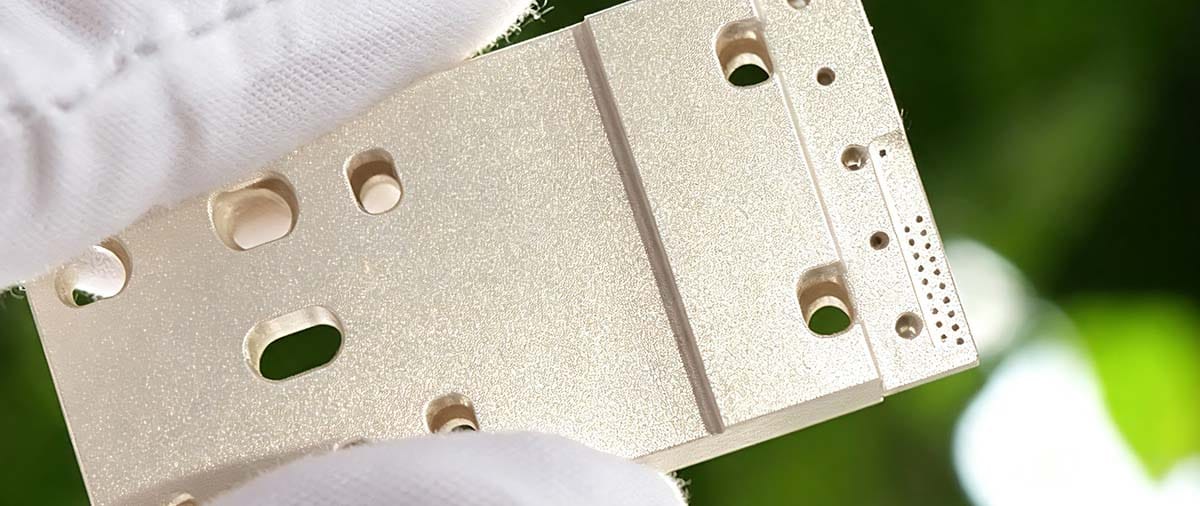
Anodizing is the premier surface treatment for aluminum CNC parts, providing a unique combination of aesthetic appeal, surface hardness, and corrosion resistance. Unlike traditional coatings, anodizing is an electrochemical process that converts the aluminum surface into a durable aluminum oxide layer. This layer is integral to the substrate, ensuring it will not chip or peel under industrial stress.

At Tik Precision, we integrate high-quality finishing into our CNC machining services. Understanding the technical nuances of Type II and Type III anodizing is essential for engineering parts that meet both functional and dimensional requirements.


The Science of Anodizing: How the Oxide Layer Grows

During the anodizing process, aluminum parts act as the anode in an acid electrolyte bath. The resulting electrochemical reaction forms aluminum oxide (Al₂O₃), a ceramic-like structure with hardness approaching sapphire. A critical factor for tight CNC tolerances is understanding that the oxide layer grows both inward and outward—typically one-third into the metal and two-thirds building above the surface.


Comparing Anodizing Types: Decorative vs. Hardcoat

Type II Anodizing (Decorative & Protective)

Type II is the standard for most CNC milling projects. It offers moderate wear resistance and is highly versatile for aesthetic finishes.

  • Thickness: 5-25 µm.
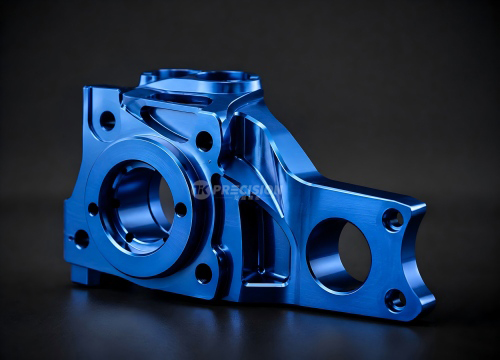
  • Aesthetics: Can be dyed in vibrant colors (Black, Blue, Red, Gold).
  • Applications: Consumer electronics, enclosures, and automotive trim.

Type III Hardcoat Anodizing (Industrial Wear)

Designed for extreme environments, Type III provides a surface harder than case-hardened steel.

  • Thickness: 25-100 µm.
  • Performance: Superior abrasion resistance and dielectric properties.
  • Applications: Aerospace landing gear, hydraulic cylinders, and sliding wear surfaces.

Dimensional Considerations for Precision Parts

Anodizing changes the physical dimensions of a part. For precision CNC turned parts, engineers must account for this growth during the machining phase:

  • External Diameters: Increase by approximately two-thirds of the total coating thickness.
  • Internal Bores: Decrease as the coating grows inward.
  • Threaded Features: Require “loose” machining tolerances to ensure fitment after the dielectric layer is applied.

Conclusion: Engineering Excellence with Tik Precision

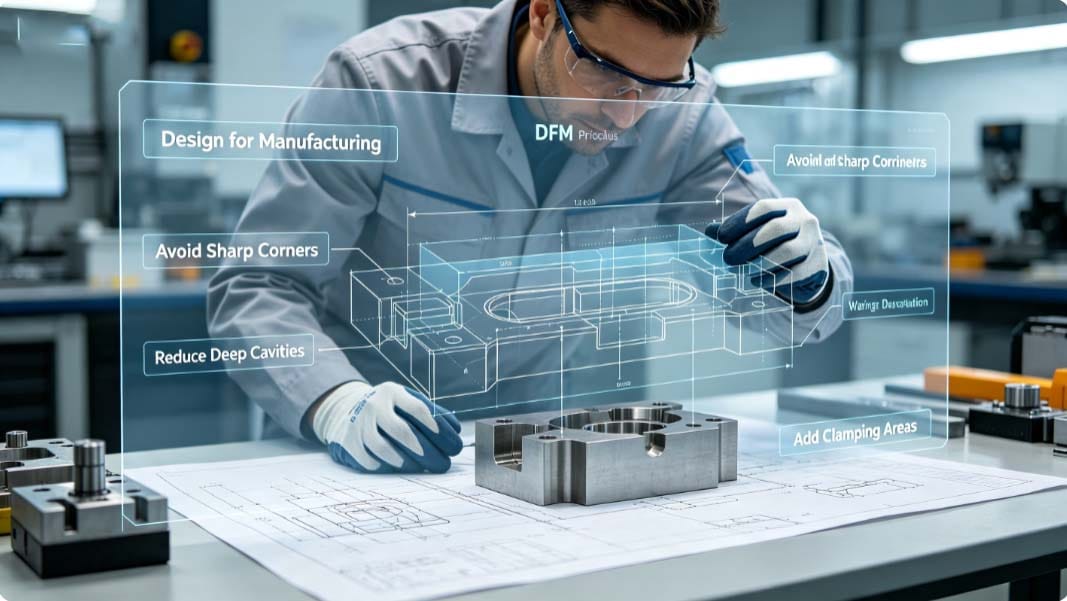
Choosing the right anodizing specification is vital for the longevity and performance of your aluminum components. Tik Precision offers comprehensive support, from DFM (Design for Manufacturability) to final surface finishing, ensuring your parts meet the highest industrial standards.

Contact our technical team today to discuss your aluminum anodizing and CNC machining requirements!


Need a Manufacturing Quote?

Upload your drawings and receive DFM feedback, material recommendations, and a clear manufacturing quote.

16+

Year

50K+

Parts Manufactured

98.2%

On-time Delivery

Request a Quote
All Articles From The Author

How to Set Tolerances Effectively During the Design Phase to Reduce Machining Costs

In the manufacturing world, tolerances play a vital role in ensuring parts fit and function correctly. However, improperly set tolerances can significantly increase machining

How to Choose the Right CNC Machining Supplier: A Buyer’s Knowledge Guide

A practical buyer’s guide to choosing a CNC machining supplier for complex precision parts, including machine capability, DFM support, inspection, materials, secondary processing, scalability,

10 Design-for-Manufacturability (DFM) Principles for Precision CNC Machining

A small design change made early can save multiples in machining cost and time later. DFM (Design for Manufacturability) is about identifying features that

Material Selection Guide for Precision CNC Machining: Matching Materials to Application

For engineers, material selection often determines the success of a part more than the machining process itself. Choosing the wrong material can result in

CNC Machining Engineering Plastics: PEEK, Delrin, PTFE, and More

Engineering plastics have transformed modern manufacturing, replacing metal in applications where weight, chemical resistance, and biocompatibility are paramount. However, CNC machining engineering plastics like

zeiss-cmm-inspection-machined-parts

Inspection and Quality Control for Aerospace Turbine Blades

In aerospace turbine component manufacturing, machining accuracy is only half the story. Verifying that accuracy through rigorous inspection and quality control is equally critical.

Automotive CNC machining quote from CAD drawings

How to Prepare CAD Files for an Accurate CNC Machining Quote

The speed and accuracy of a CNC machining quote depends heavily on what information is submitted alongside the CAD file. Missing details lead to

Energy-Power-Gas-Turbine-Gas-turbines-Steam-turbines-Combined-cycle-compressors-cnc-machining

Precision CNC Machining for Energy and Power Generation

Introduction: The Role of Precision CNC Machining in Energy and Power Generation The global energy industry—ranging from traditional thermal and nuclear power plants to

Precision CNC Machining for Marine and Shipbuilding Applications

Introduction: The Demands of Marine CNC Machining Marine engineering requires materials that can withstand the most aggressive environments on Earth. Seawater acts as a

Start a New Project

Turn Your CAD Files Into Precision Parts

Share your requirements with our engineering team. We will review manufacturability, materials, tolerances and lead time before quoting.

2-Hour Quote

Fast response for complete RFQs

Free DFM Review

Engineering feedback before production

Secure CAD Files

Confidential upload and NDA support

No MOQ

Prototype to low-volume production

Need help preparing an RFQ?

info@tikprecision.com

RFQ Form

Tell Us About Your Project

Upload CAD Files | Free DFM Analysis | 2-Hour Quote | No MOQ Required | NDA Protected