Supplier selection is one of the highest-risk stages in precision parts procurement — once a supplier is chosen and volume production begins, the switching cost (re-prototyping, tooling/fixture transfer, rebuilding quality systems) can be substantial. This article provides a structured supplier evaluation framework to help procurement teams reduce selection risk and improve Quality Control standards.
1. Certifications and Compliance: Baseline Screening
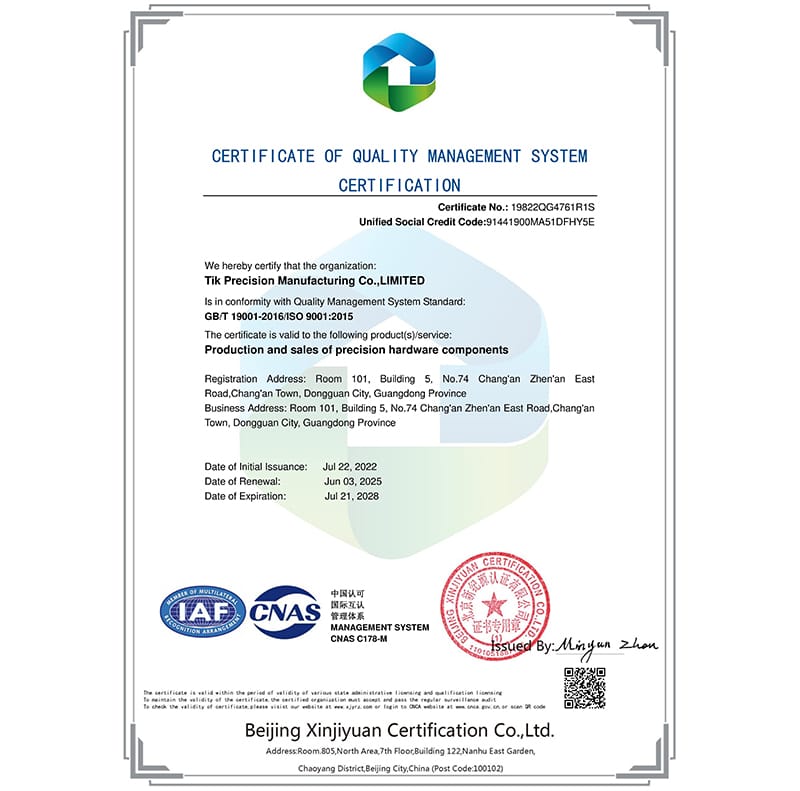
- ISO 9001: General quality management system certification, a baseline requirement
- IATF 16949: Automotive industry standard with stricter process control requirements
- AS9100: Aerospace industry standard, demanding rigorous traceability
- ISO 13485: Medical device industry — mandatory for parts involving human contact or implantation
Holding a certificate doesn’t guarantee actual execution. On-site audits should verify that documented procedures match real shop-floor practice, rather than simply checking certificate validity dates.
2. Equipment Capability and Capacity Match
Key evaluation points:
- Does the equipment list (axis count, travel range, brand/model) cover the part’s dimensional and process requirements?
- Average equipment age and maintenance records — aging equipment can show accuracy degradation that affects batch consistency
- Current capacity utilization — a supplier running near full capacity may pose delivery risk for new orders
- Access to bulk raw material procurement channels, which directly affects material lead time and cost stability
3. Process and Inspection Capability
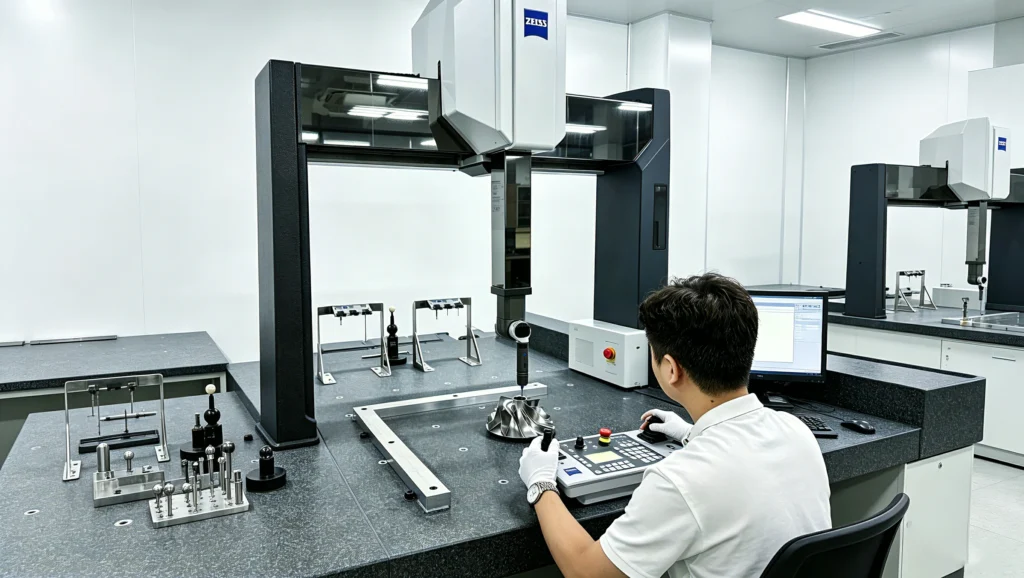
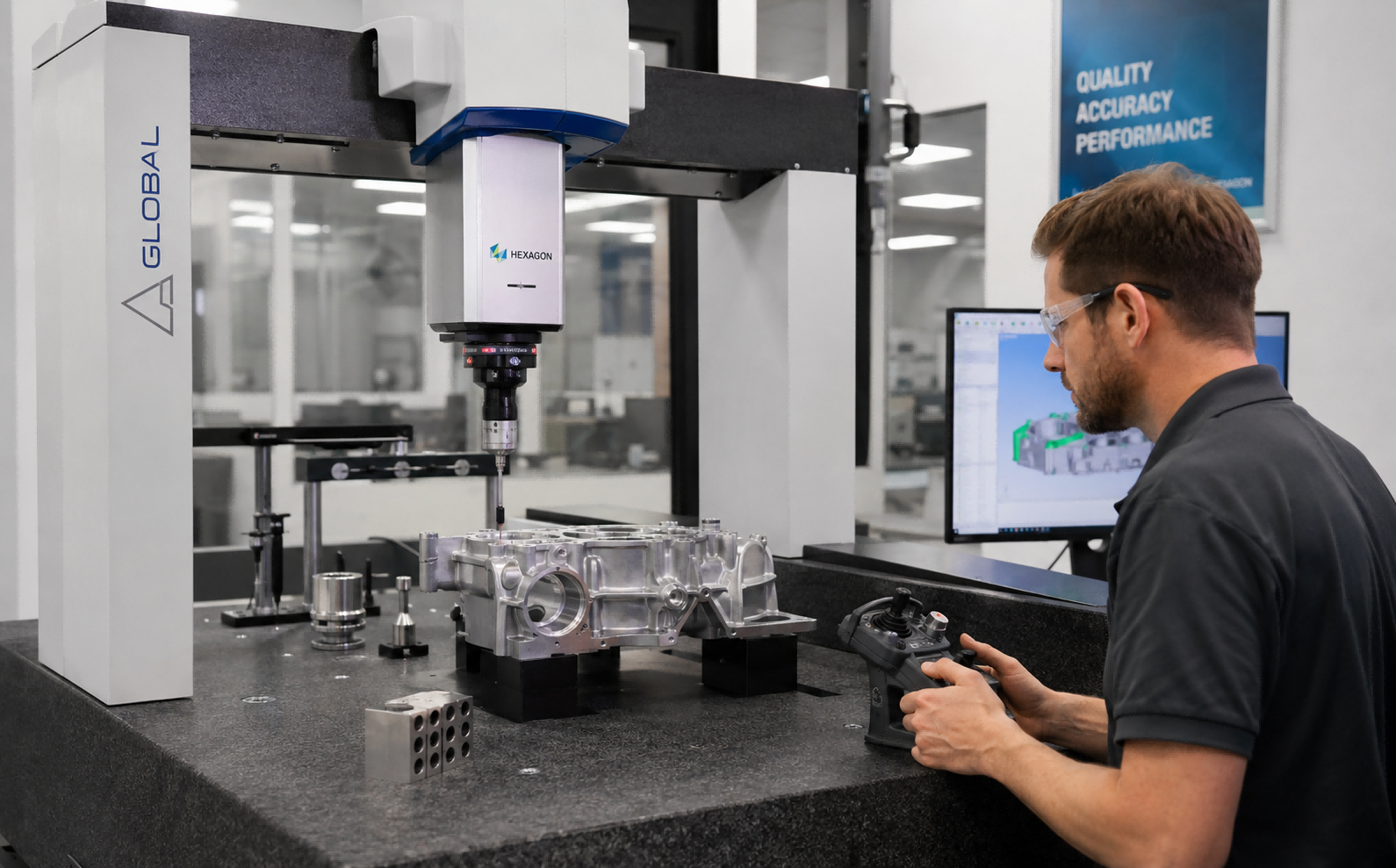
- Does the supplier have a Coordinate Measuring Machine (CMM) with valid calibration records?
- Are critical operations (deep-hole drilling, precision threading) supported by dedicated machines or tooling?
- Is surface finishing handled in-house or outsourced? Outsourcing adds lead time uncertainty and quality control complexity
- Does the supplier have Statistical Process Control (SPC) capability and can they provide process capability data (Cpk)?
4. Quality Incident Response Process
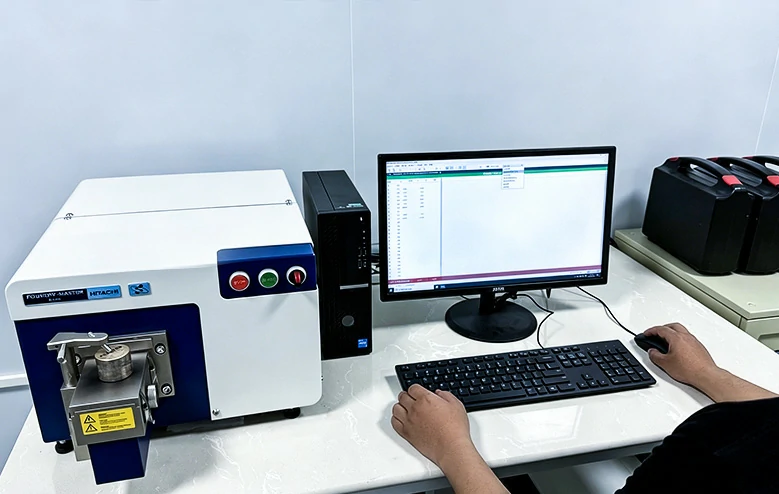
This is a commonly overlooked but critical area:
- Is there a standardized nonconforming material process (containment, root cause analysis, corrective action, verification closure)?
- Historical quality incident responsiveness — average time from issue reported to root cause report delivered
- Willingness to accept liability for downstream losses caused by their error (clearly defined in contract terms)
Consider testing a supplier’s response with a “simulated quality issue” conversation early in the relationship — this often reveals more about their real service level than reviewing documentation alone.
5. Financial Stability and Partnership Sustainability
- Years in business and continuity of core business lines
- High dependency on a single major customer (a business risk signal)
- Payment terms and credit history, especially relevant for custom orders requiring material prepayment
6. On-Site Audit Checklist (In-Person or Video)
- [ ] Is material identification on the shop floor clear, with no mix-up risk?
- [ ] Do work-in-progress parts carry a process traveler recording key operation parameters?
- [ ] Is tool management standardized (tool life tracking, wear-based replacement)?
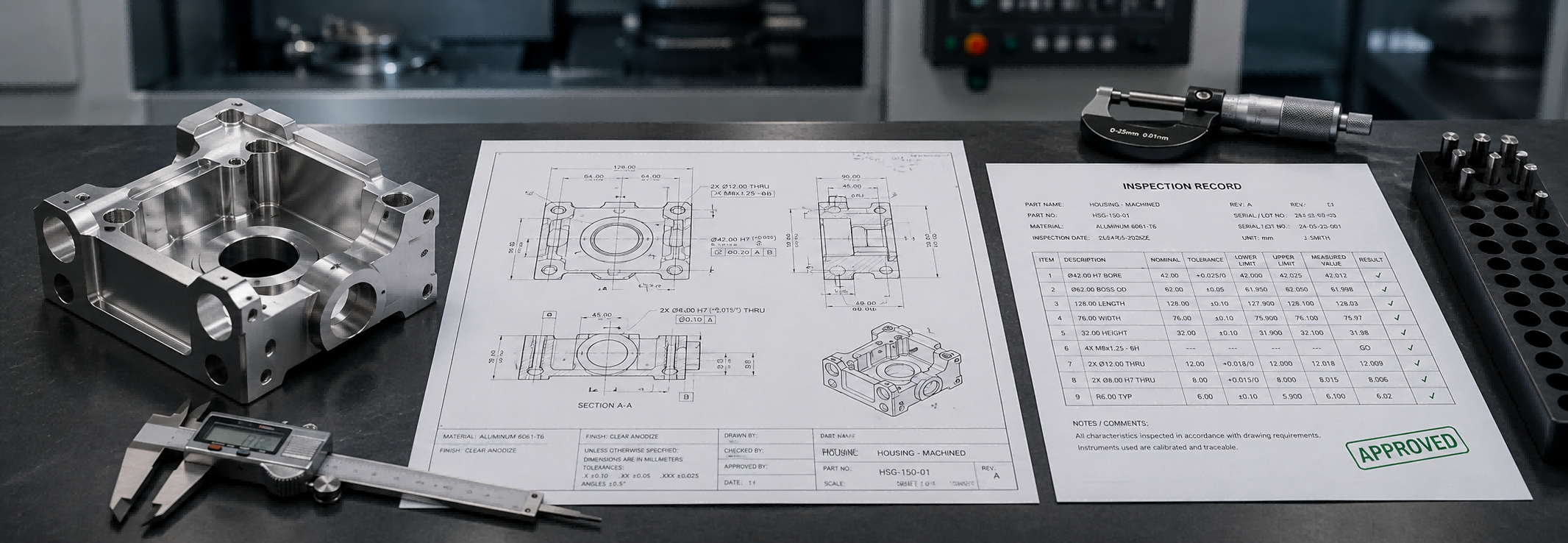
- [ ] Are inspection reports traceable to specific batch and inspector?
- [ ] Are employee training and qualification records maintained?
7. Recommended Supplier Tiering
Procurement teams can build a tiered management approach based on part criticality:
- Tier A (safety/performance-critical parts): Full certification requirements, periodic on-site audits, batch-by-batch full inspection
- Tier B (general structural parts): Baseline certification + first-article inspection + sampling
- Tier C (non-critical auxiliary parts): Prioritize lead time and price, with relatively relaxed quality requirements
8. Summary
Supplier evaluation shouldn’t be a one-time action — establish a periodic review cycle (at least annually) to track equipment updates, personnel turnover, and certification renewals. For core suppliers of strategic parts, maintain 1-2 qualified backup suppliers to avoid the supply chain risk of single-source dependency.