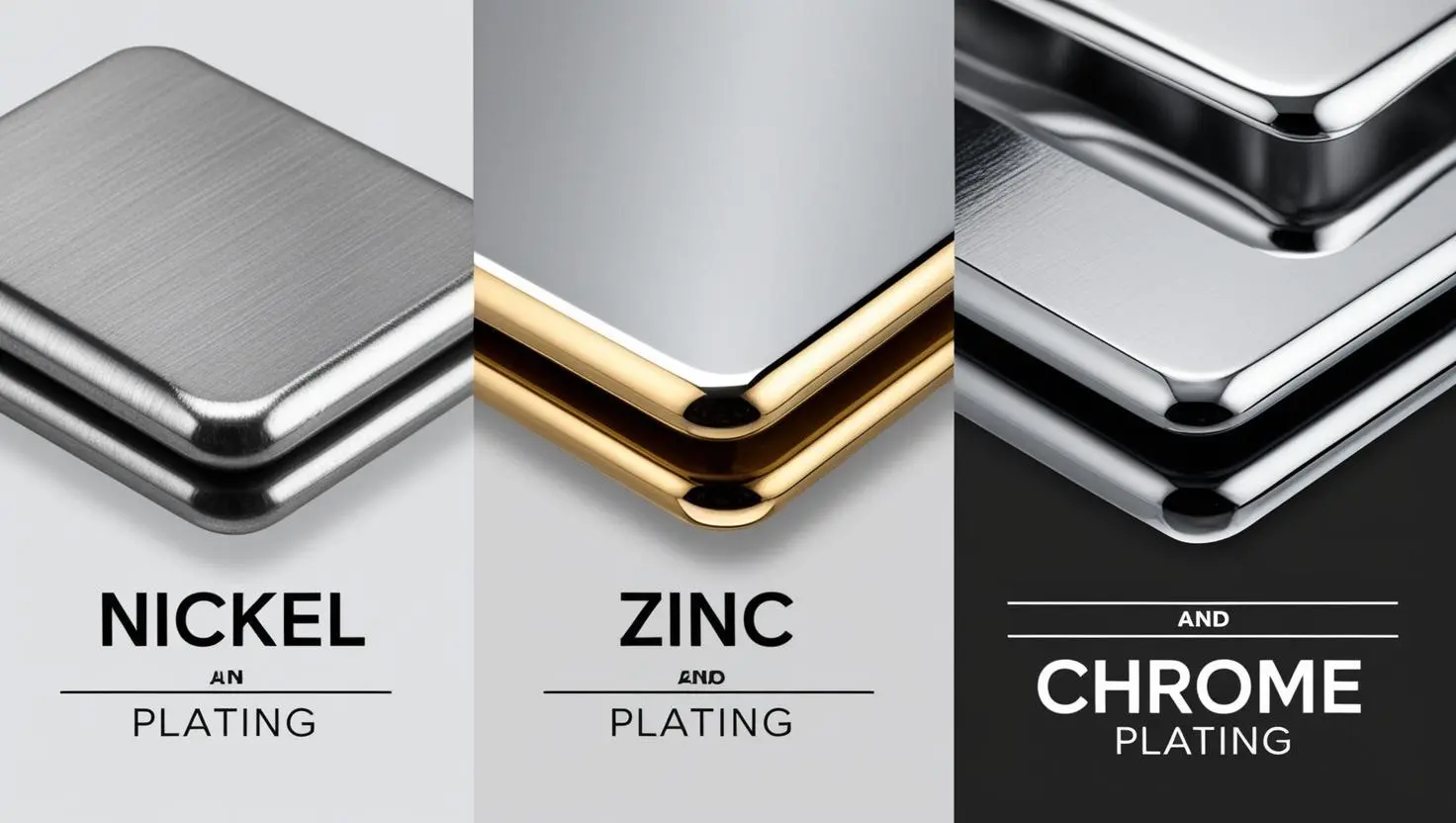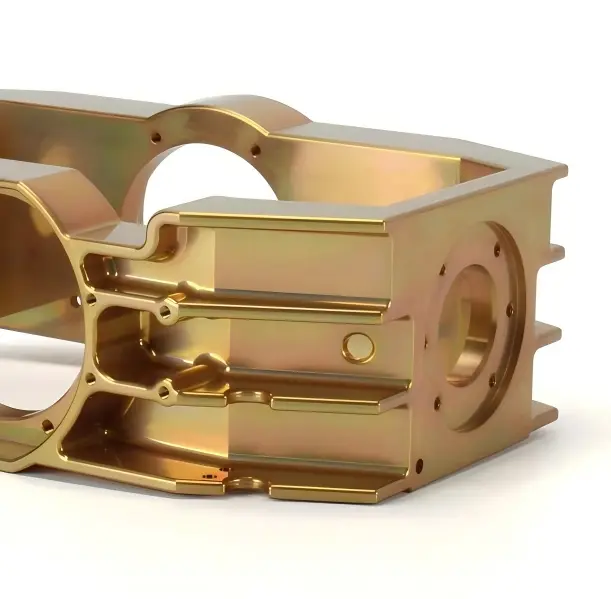
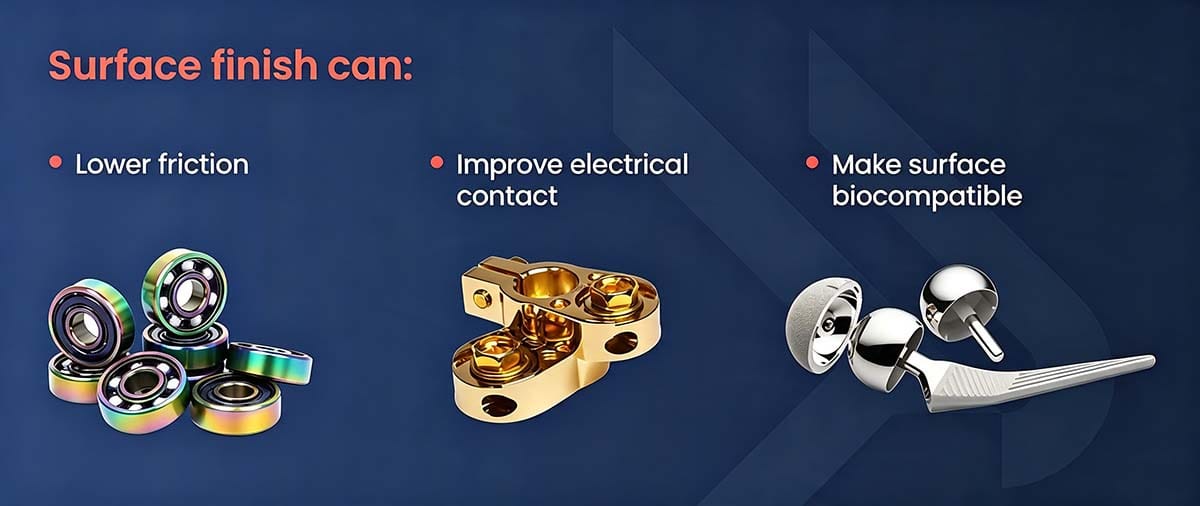
Surface finishing bridges the gap between “machined” and “finished.” While many components function perfectly as-machined, surface finishing for CNC machined parts enhances appearance, improves corrosion resistance, and optimizes performance. This guide covers the essential mechanical and chemical treatments used in precision CNC machining services.
Understanding Surface Roughness (Ra)
Surface finish is typically quantified by Ra (arithmetic mean deviation). Choosing the right specification is vital for both function and cost-efficiency.
- Ra 3.2 µm: Standard machining with visible tool marks.
- Ra 0.8 µm: Precision finish for sealing surfaces and bearing journals.
- Ra 0.1 µm: High-end finishing like electropolishing for medical devices.
Bead Blasting and Media Finishing
Bead blasting provides a uniform matte texture, ideal for aluminum alloys. It effectively removes machining marks without altering critical CNC machining tolerances.
- Glass Bead: Creates a satin finish, perfect for cosmetic parts.
- Aluminum Oxide: A more aggressive grit for paint adhesion preparation.
Mechanical and Electropolishing
For parts requiring a mirror finish or extreme cleanability, polishing is the preferred method:
- Mechanical Polishing: Uses progressive abrasives to achieve reflectivity.
- Electropolishing: An electrochemical process that passivates stainless steel while reaching complex internal geometries, often used in aerospace CNC machining.
Shot Peening for Fatigue Life
Unlike cosmetic finishes, shot peening is a cold-working process that improves fatigue life. It is critical for high-stress components like aerospace turbine blades.
Conclusion
Selecting the right surface finishing for CNC machined parts ensures your components meet all functional and aesthetic requirements. At Tik Precision, we integrate finishing into our DFM checklist for CNC machining to guarantee quality. Contact us today for a comprehensive quote.