
Introduction: Enhancing Aluminum Components Through Anodizing
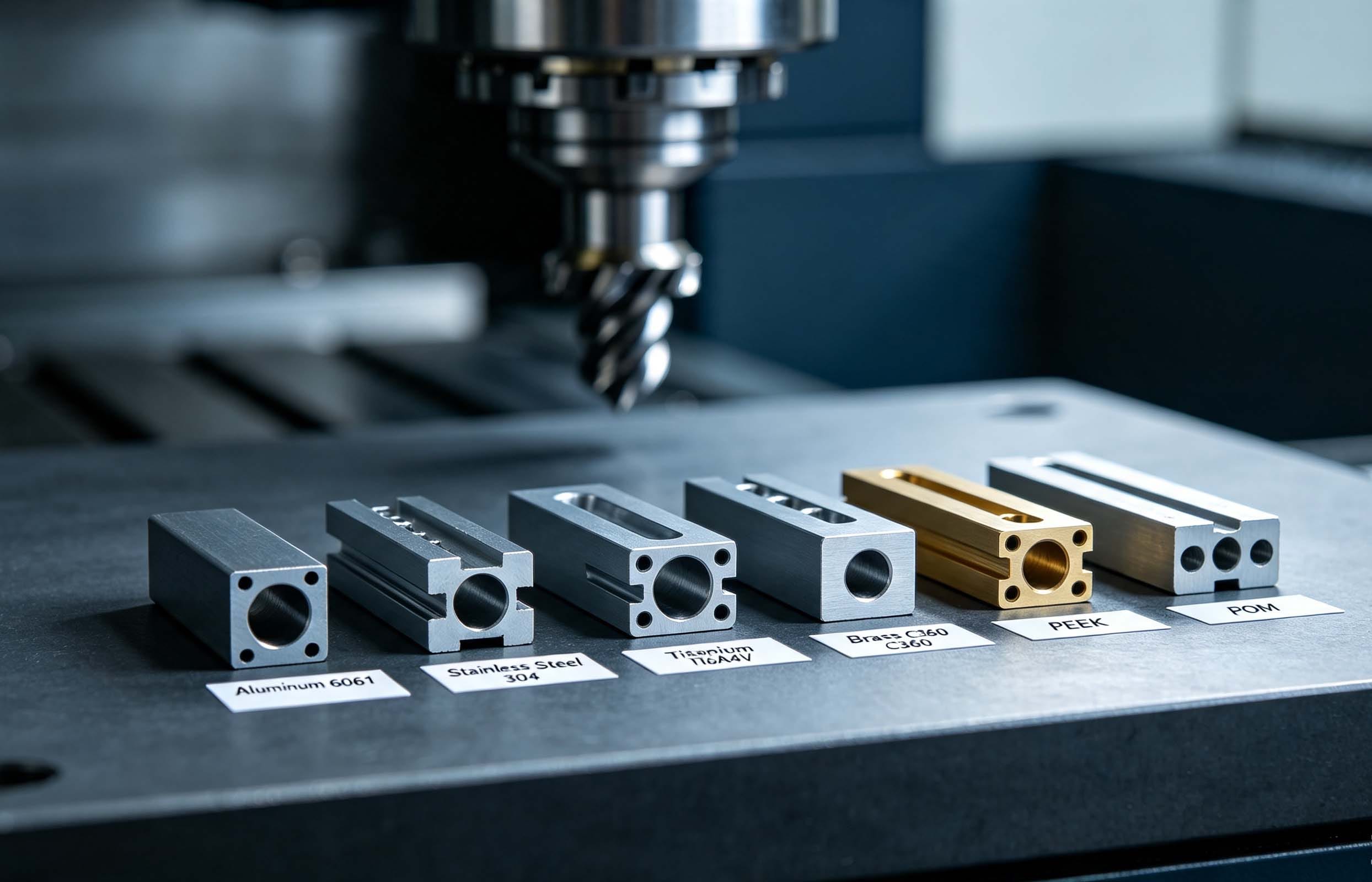
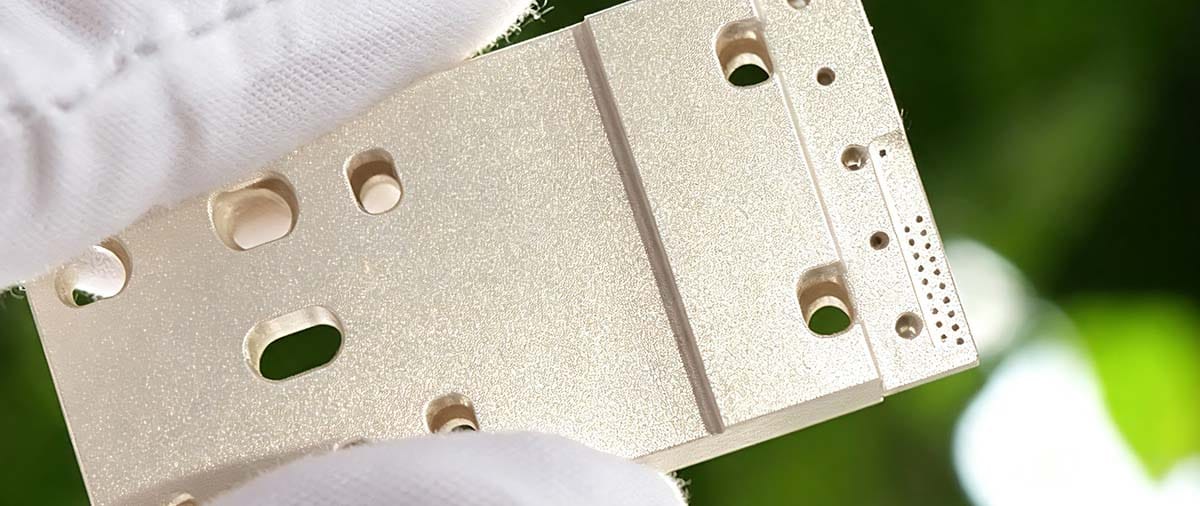
Anodizing is the premier surface treatment for aluminum CNC parts, providing a unique combination of aesthetic appeal, surface hardness, and corrosion resistance. Unlike traditional coatings, anodizing is an electrochemical process that converts the aluminum surface into a durable aluminum oxide layer. This layer is integral to the substrate, ensuring it will not chip or peel under industrial stress.
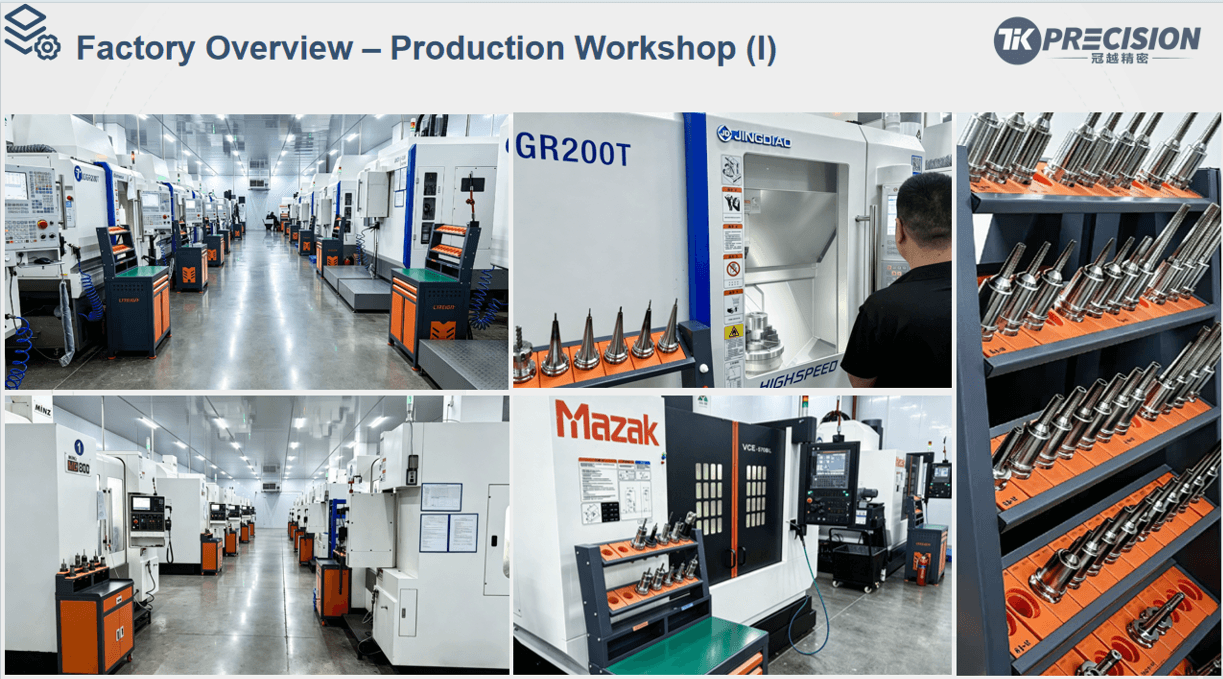
At Tik Precision, we integrate high-quality finishing into our CNC machining services. Understanding the technical nuances of Type II and Type III anodizing is essential for engineering parts that meet both functional and dimensional requirements.
The Science of Anodizing: How the Oxide Layer Grows
During the anodizing process, aluminum parts act as the anode in an acid electrolyte bath. The resulting electrochemical reaction forms aluminum oxide (Al₂O₃), a ceramic-like structure with hardness approaching sapphire. A critical factor for tight CNC tolerances is understanding that the oxide layer grows both inward and outward—typically one-third into the metal and two-thirds building above the surface.
Comparing Anodizing Types: Decorative vs. Hardcoat
Type II Anodizing (Decorative & Protective)
Type II is the standard for most CNC milling projects. It offers moderate wear resistance and is highly versatile for aesthetic finishes.
- Thickness: 5-25 µm.
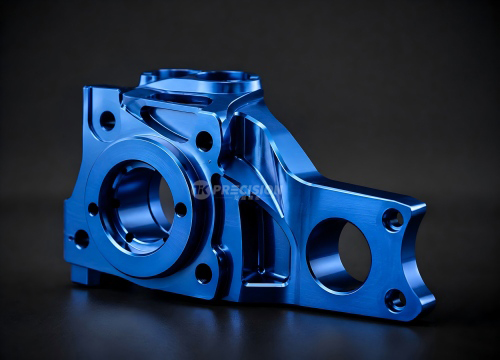
- Aesthetics: Can be dyed in vibrant colors (Black, Blue, Red, Gold).
- Applications: Consumer electronics, enclosures, and automotive trim.
Type III Hardcoat Anodizing (Industrial Wear)
Designed for extreme environments, Type III provides a surface harder than case-hardened steel.
- Thickness: 25-100 µm.
- Performance: Superior abrasion resistance and dielectric properties.
- Applications: Aerospace landing gear, hydraulic cylinders, and sliding wear surfaces.
Dimensional Considerations for Precision Parts
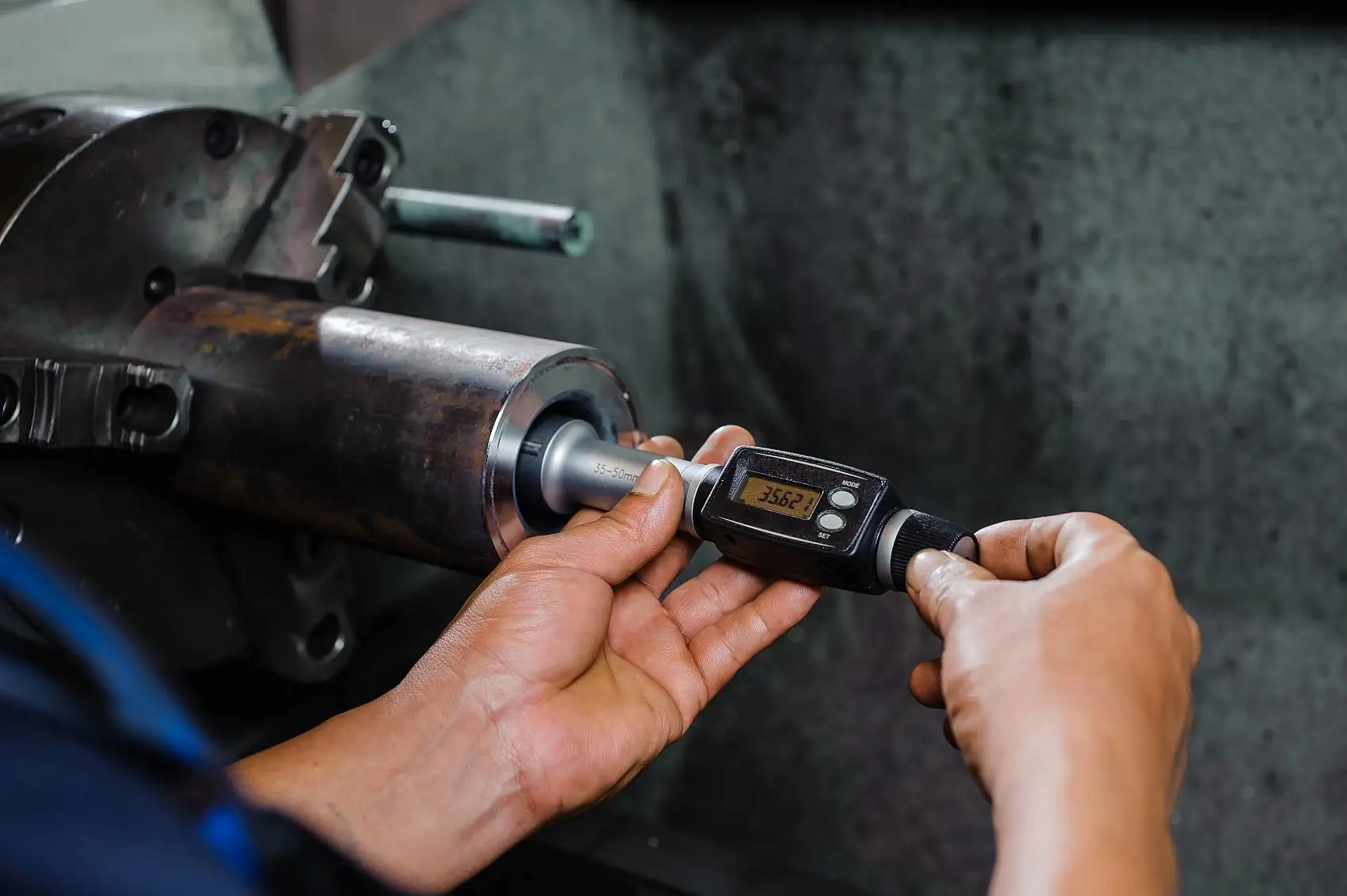
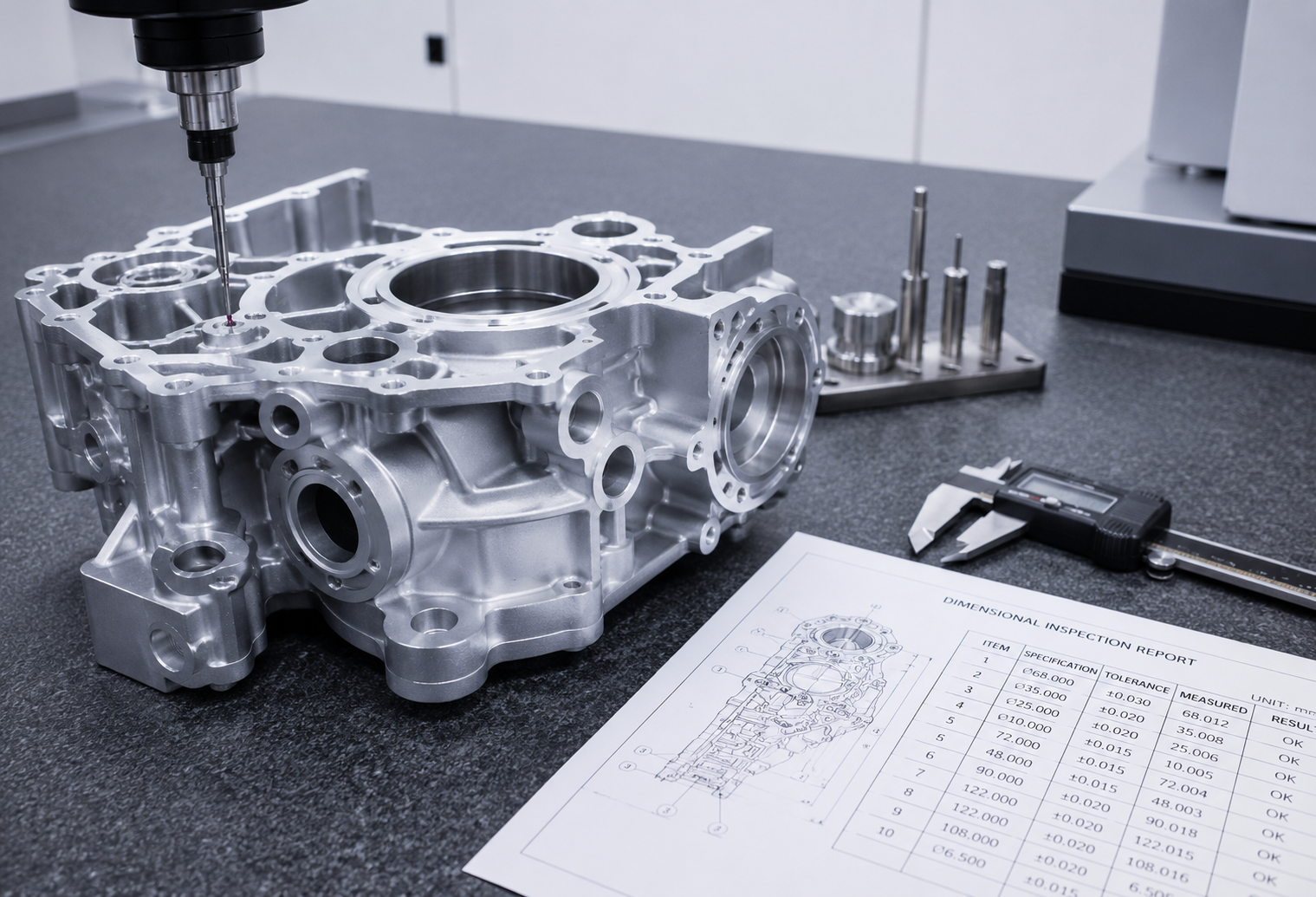
Anodizing changes the physical dimensions of a part. For precision CNC turned parts, engineers must account for this growth during the machining phase:
- External Diameters: Increase by approximately two-thirds of the total coating thickness.
- Internal Bores: Decrease as the coating grows inward.
- Threaded Features: Require “loose” machining tolerances to ensure fitment after the dielectric layer is applied.
Conclusion: Engineering Excellence with Tik Precision
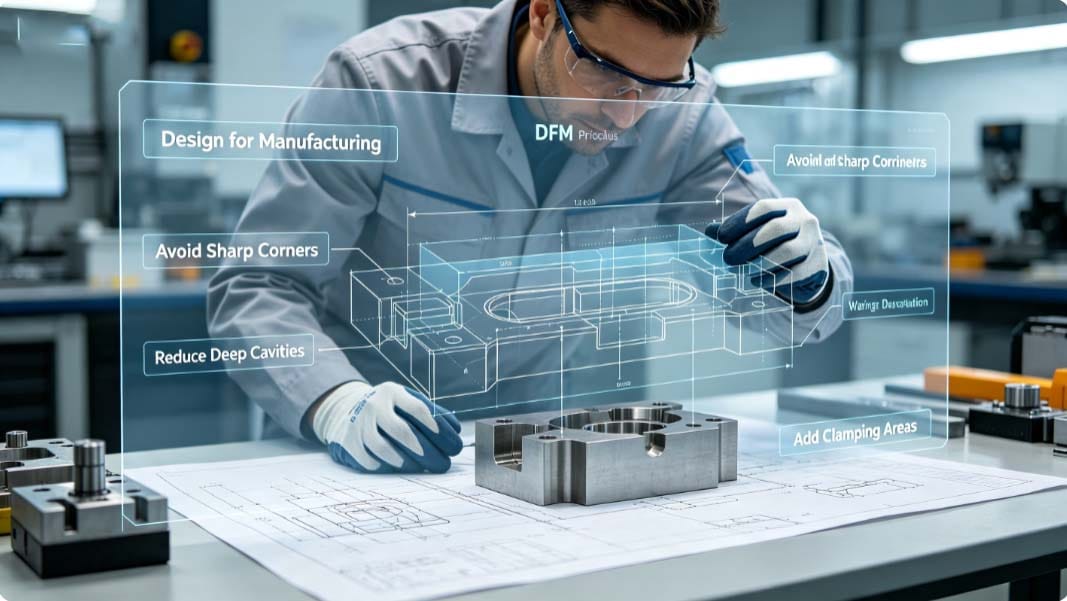
Choosing the right anodizing specification is vital for the longevity and performance of your aluminum components. Tik Precision offers comprehensive support, from DFM (Design for Manufacturability) to final surface finishing, ensuring your parts meet the highest industrial standards.
Contact our technical team today to discuss your aluminum anodizing and CNC machining requirements!