
Successful precision manufacturing projects depend on clear communication between manufacturers and overseas customers. Drawing interpretation, quality standards, inspection methods, and production schedules must be aligned before manufacturing begins.
TK-Precision supports international customers through detailed engineering reviews, CNC machining and forging expertise, and transparent quality control. This article explains how technical collaboration helps reduce project risks and deliver qualified precision-manufactured components.

Why Technical Collaboration Matters in Precision Manufacturing
Custom manufacturing projects often involve complex drawings, tight tolerances, special materials, and different quality systems. Small misunderstandings can lead to rework, production delays, or inspection problems.
Early communication gives the customer and manufacturer a shared understanding of the design intent, manufacturing process, inspection plan, and delivery requirements.
1. Review Drawings and Project Specifications
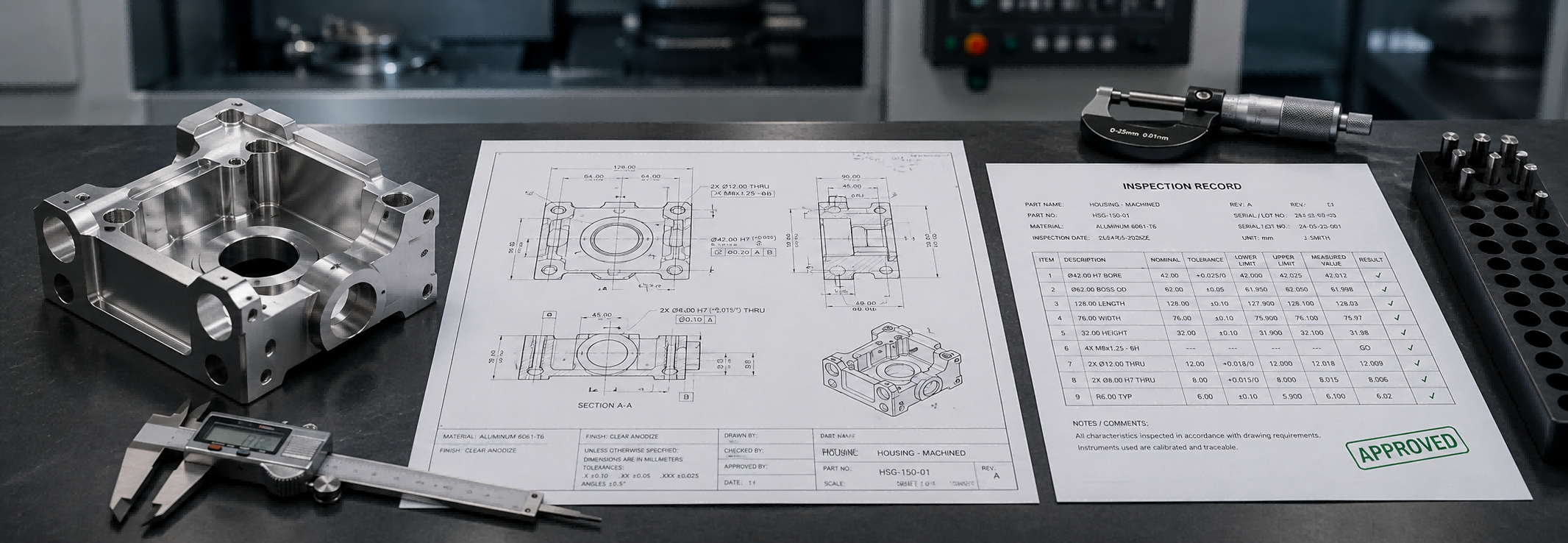
Every successful custom-manufactured part starts with a detailed drawing review. Our mechanical engineers, process specialists, and quality personnel review 2D drawings, 3D CAD files, dimensional tolerances, surface-finish requirements, materials, and special industry requirements.
We also review manufacturability before production. When appropriate, our team identifies process risks and suggests practical improvements while respecting the customer’s functional design intent. This approach can reduce rework and improve project lead time.
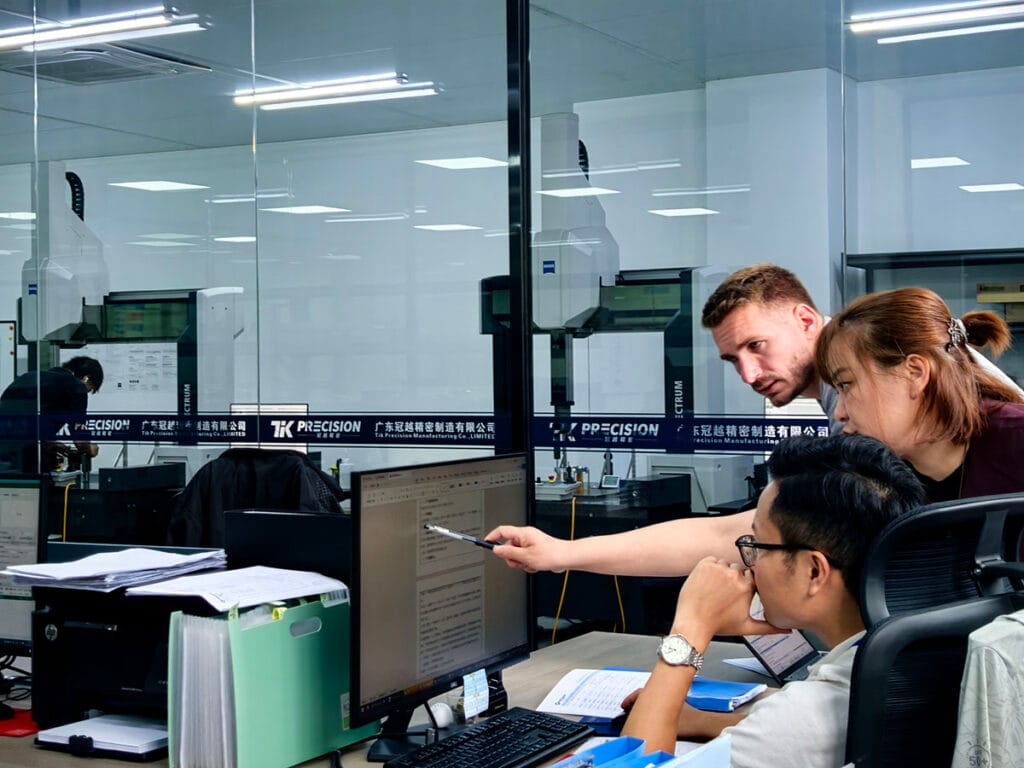
2. Align Quality Standards and Inspection Methods
Quality expectations should be agreed before mass production starts. During technical discussions, we confirm inspection standards, acceptance criteria, measurement points, reporting formats, and documentation requirements.
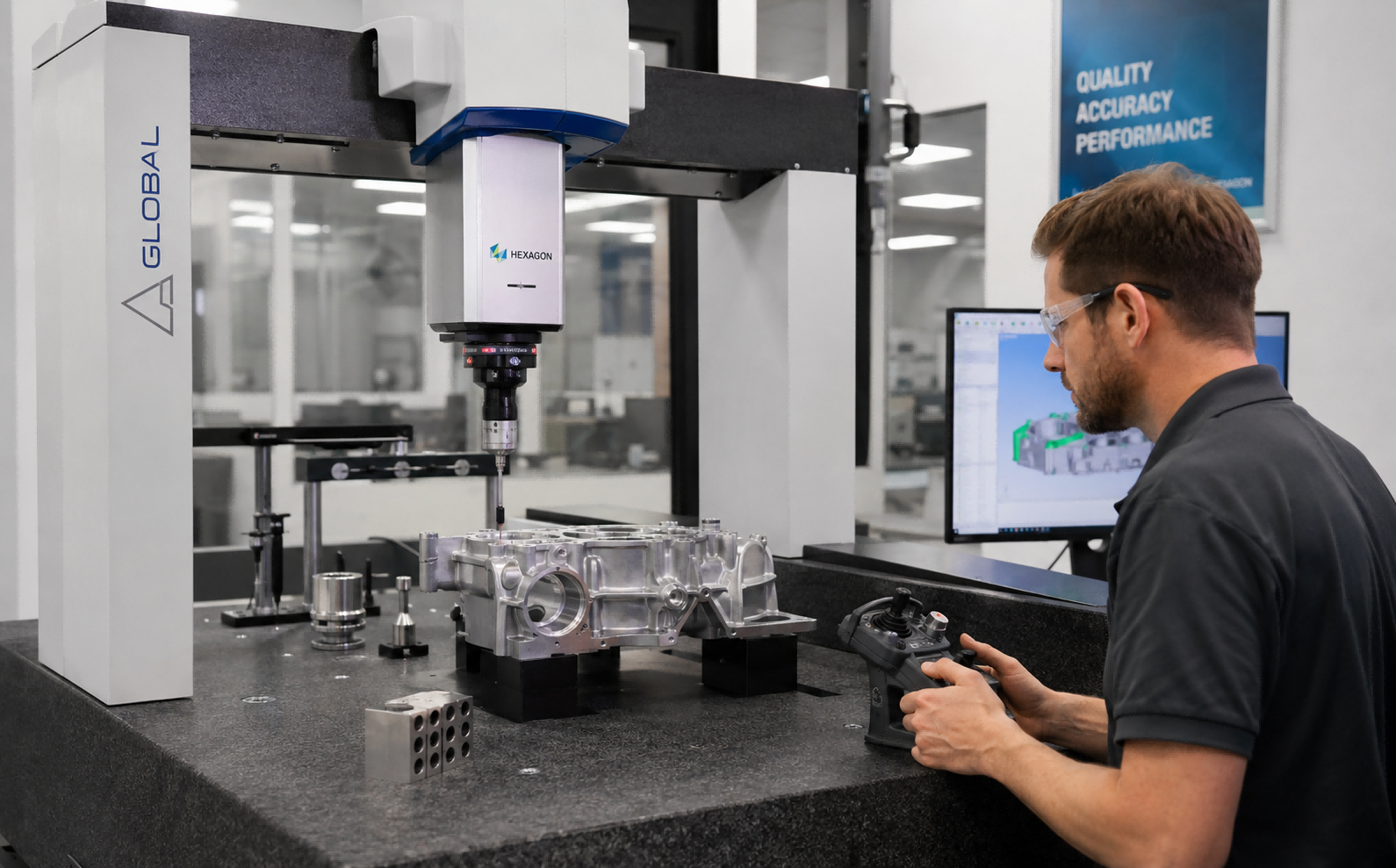
Our ZEISS CMM metrology laboratory supports high-precision dimensional verification for forged and CNC-machined parts. The inspection plan can cover large components, such as wind turbine main shafts, as well as complex aerospace components.
3. Use Factory Visits to Reduce Project Risk
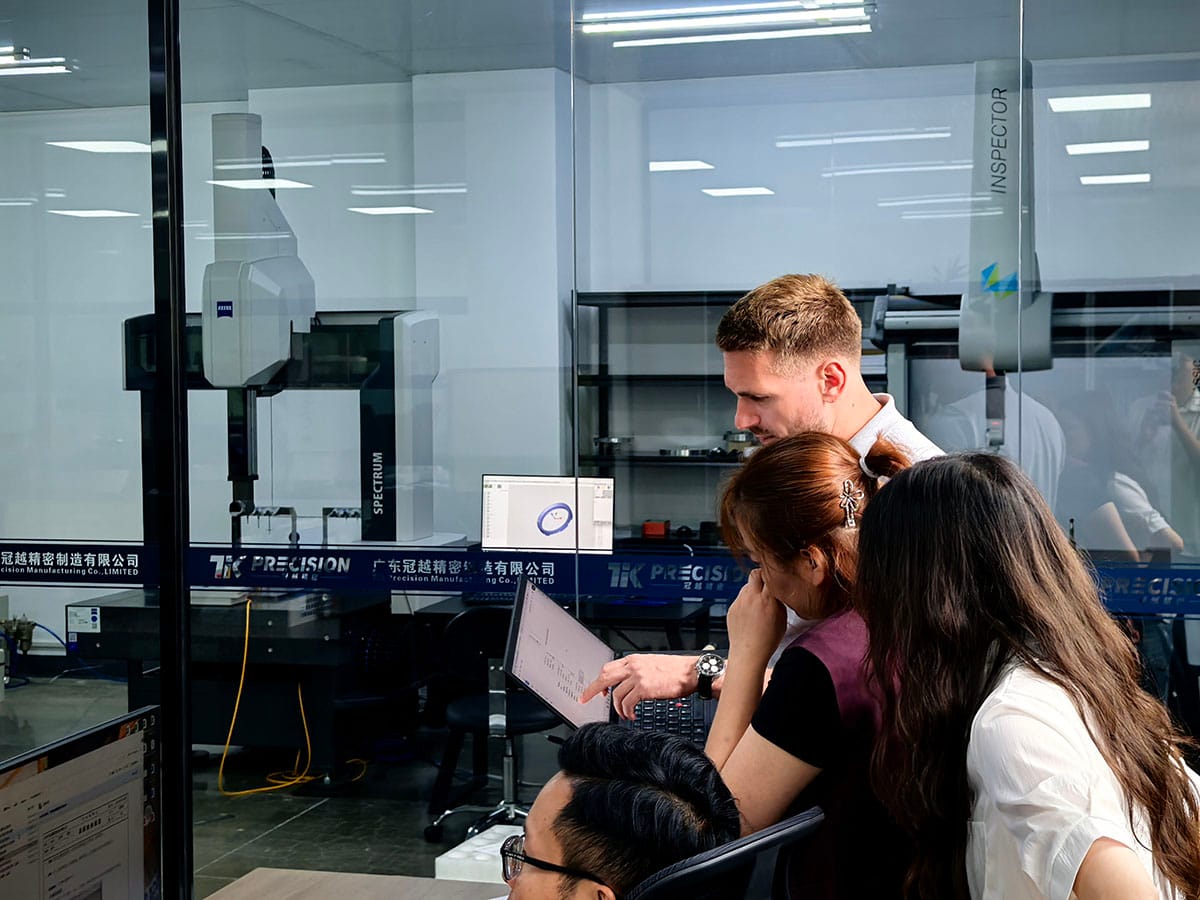
Face-to-face technical meetings can resolve complex questions faster than long email exchanges. During a factory visit, customers can:
- Clarify drawing details and critical tolerances
- Confirm forging, machining, and heat-treatment process routes
- Review inspection equipment and quality records
- Set milestones for prototypes, pre-production trials, mass production, and delivery
When customers cannot visit the factory, the same workflow can be supported through screen-sharing drawing reviews, technical documentation, video meetings, and virtual laboratory tours.
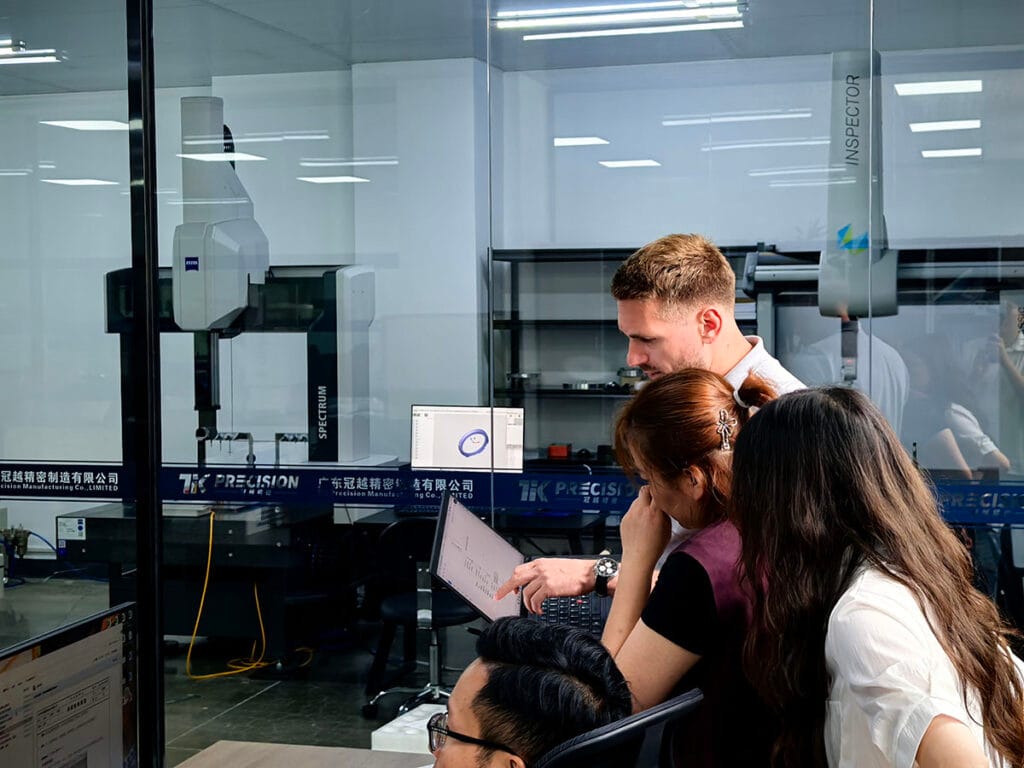
4. Maintain Communication Throughout Production
Technical communication should continue after the initial quotation. During prototype validation, sample testing, and mass production, our engineering team responds to technical questions, shares inspection results, and reviews process changes with the customer.
Clear communication also supports traceability. Meeting notes, approved drawings, inspection reports, and corrective actions should remain connected to the individual project and component.
5. Support Long-Term Manufacturing Partnerships
International manufacturing cooperation is more effective when it is based on consistent technical support rather than one-off order processing. Stable communication helps customers improve future designs, repeat successful process routes, and plan production with greater confidence.
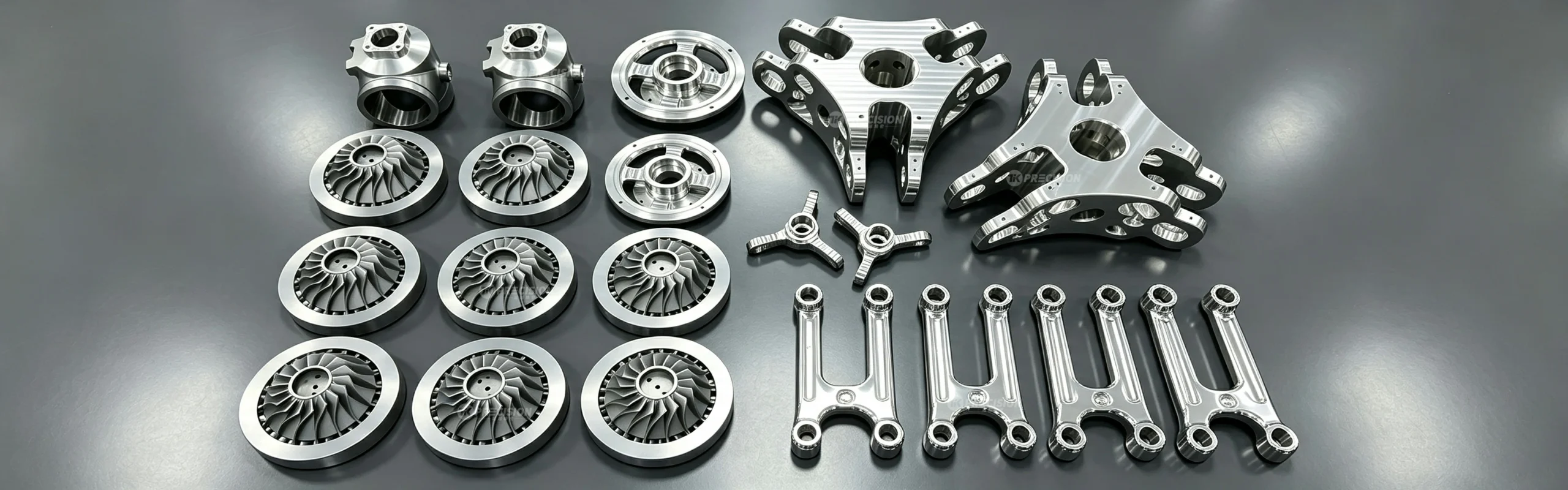
TK-Precision works with overseas customers on wind-energy forging parts, aerospace precision components, and heavy-duty mechanical shafts. Each project is reviewed according to its design, material, tolerance, inspection, and documentation requirements.

Conclusion
Global precision manufacturing requires more than advanced CNC machines, forging equipment, and metrology tools. It also requires accurate and transparent technical communication.
By combining engineering drawing review, process planning, ZEISS CMM inspection, and ongoing project communication, TK-Precision helps overseas customers turn design drawings into qualified mechanical components.
If you have a custom precision machining or forging project, share the drawing, material requirements, critical tolerances, inspection standard, quantity, and delivery requirements for an engineering review.