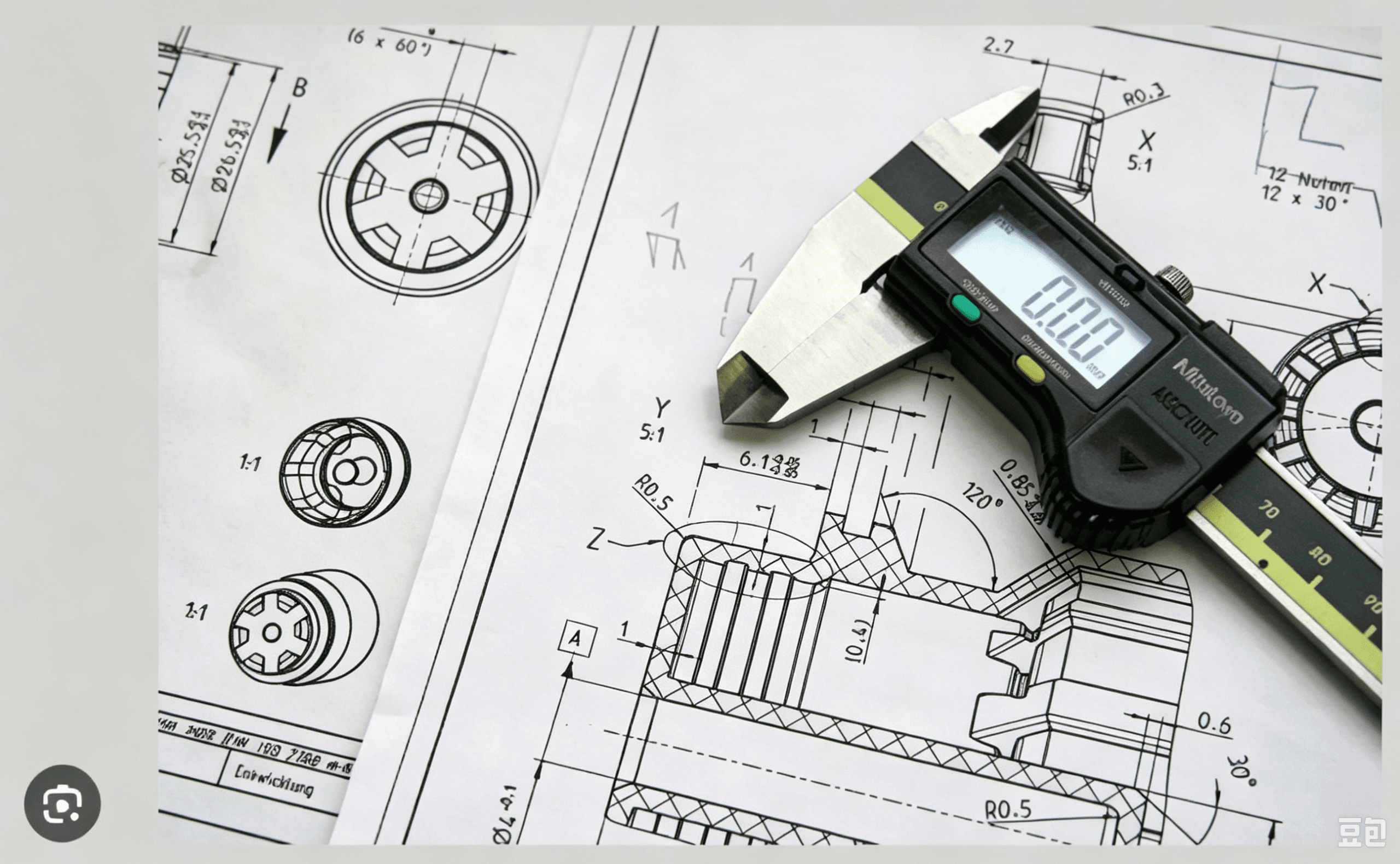

Design for Manufacturability (DFM) is the cheapest insurance in precision manufacturing. A DFM review catches problems while the part is still a file on your screen — before tooling is ordered, before material is cut, and before money is spent on rework. At our shop, DFM review is free and included with every quotation for custom CNC machining.
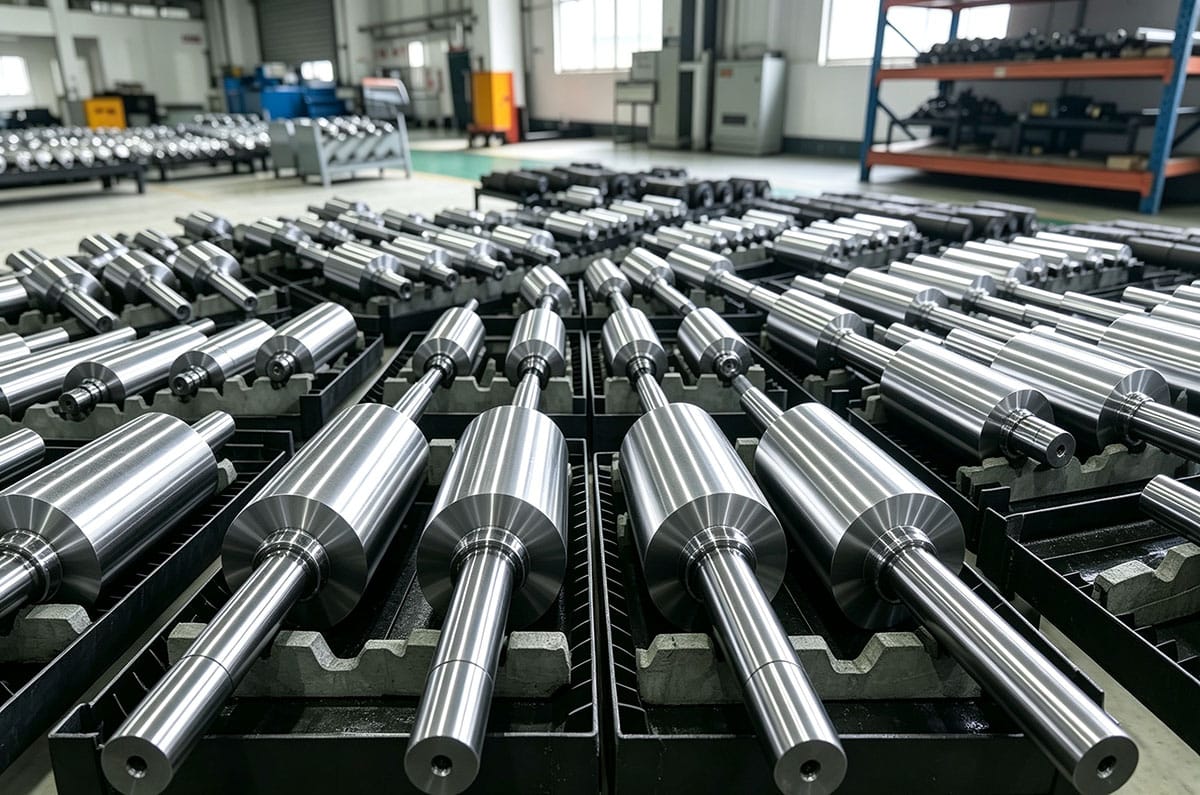
This guide explains what a professional DFM review covers, why it saves you money, what happens after the review, and how it applies specifically to precision parts like compressor impellers, blades, rotors, and shafts.
What Is DFM in CNC Machining?
DFM stands for Design for Manufacturability. In CNC machining, a DFM review evaluates whether a part can be produced efficiently, reliably, and at reasonable cost with available processes and tooling. The review produces a practical engineering opinion: which features machine cleanly, which are risky, and which cost more than they need to.
A good DFM review never changes your design unilaterally. It identifies issues, explains trade-offs, and lets you decide.
What the Free DFM Review Checks
Every CNC part is different, but the review follows a consistent checklist:
- Wall thickness — thin walls vibrate, deflect, and break during cutting
- Internal corners and fillet radii — cutters are round, so sharp internal corners need EDM or extra operations
- Deep pockets and narrow channels — tool reach and rigidity limit depth-to-width ratios
- Tolerance realism — ±0.002 mm on a bore is different from ±0.002 mm on a large freeform surface
- Fixturing strategy — the part needs a stable clamping area that does not conflict with critical features
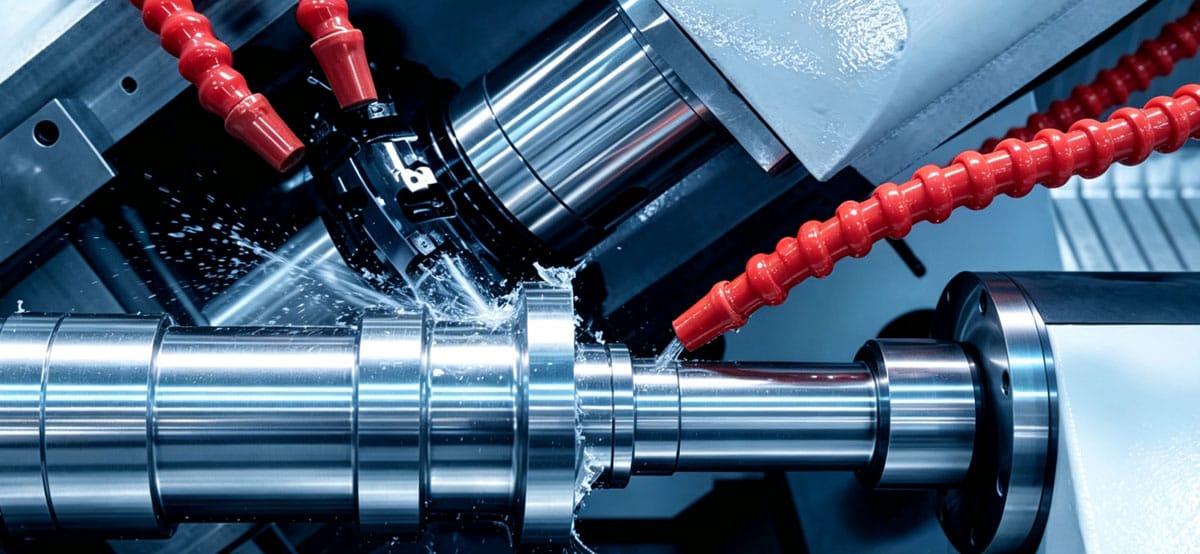
- Tool access — features that cannot be reached require 5-axis work, EDM, or redesign
- Material selection — some alloys are far more expensive to machine than others
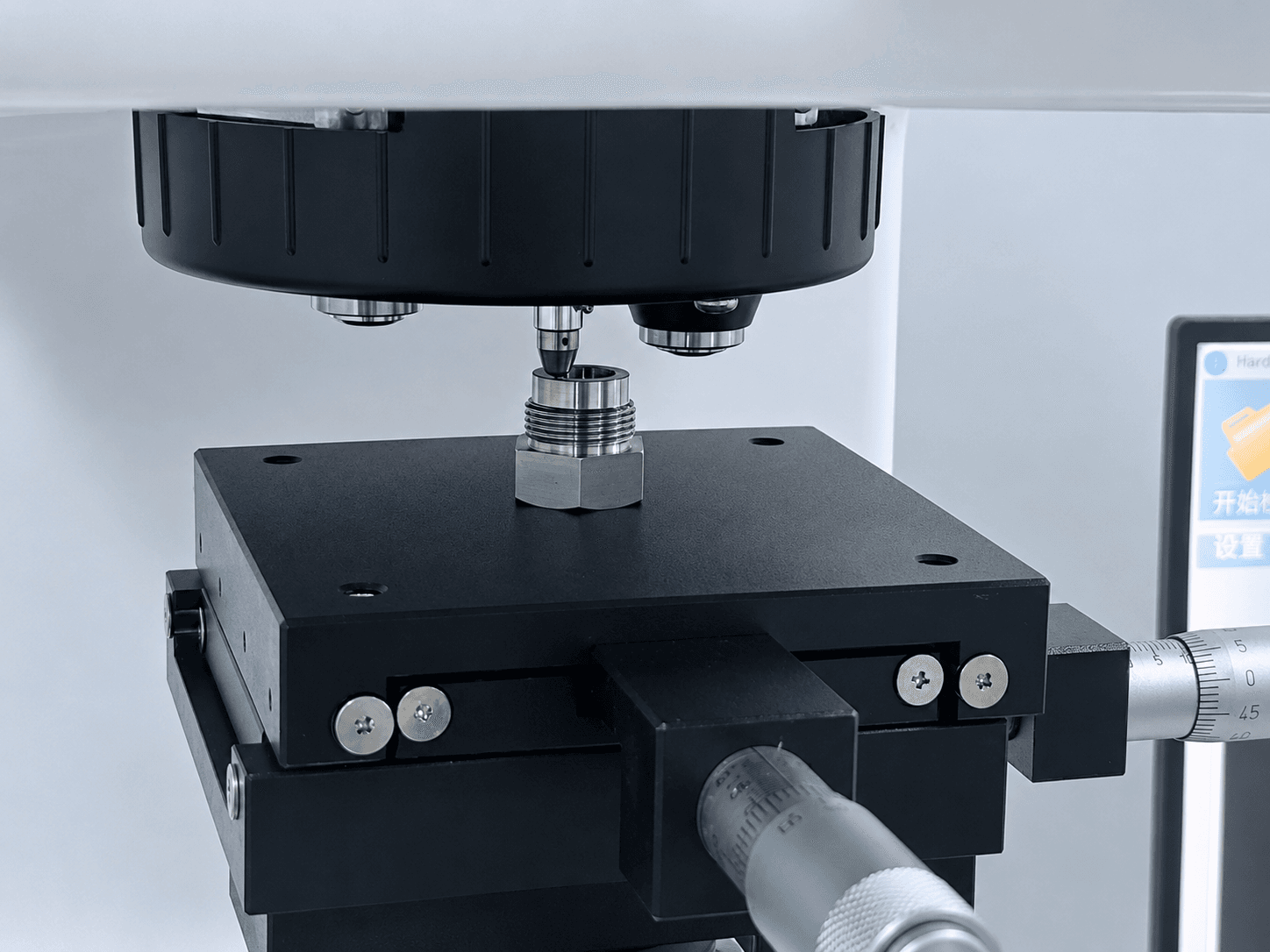
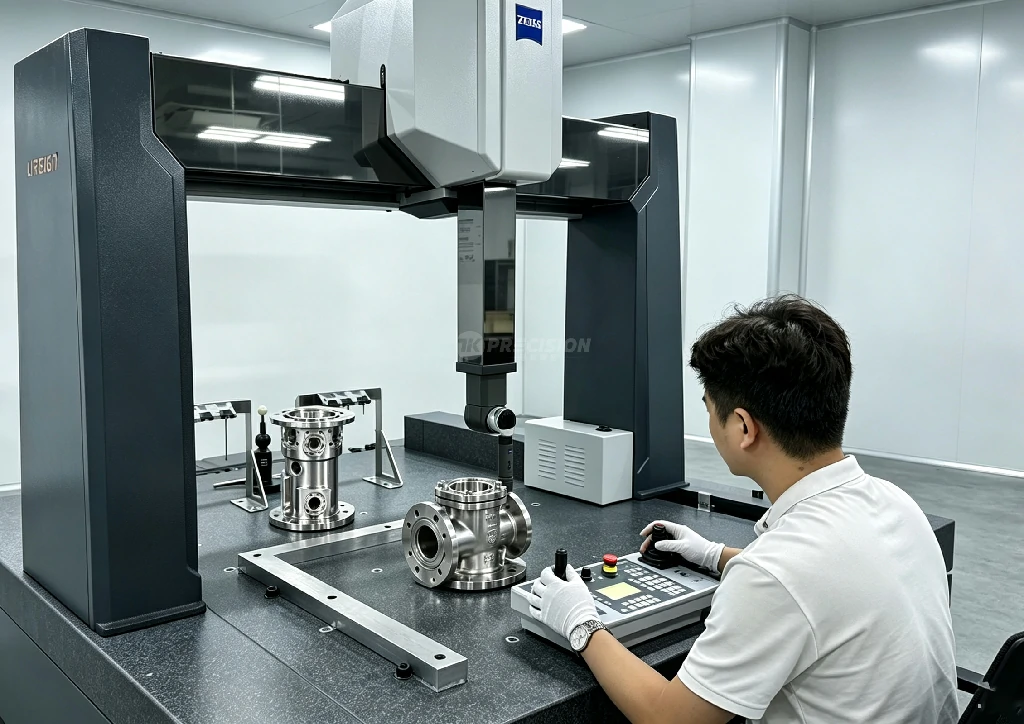
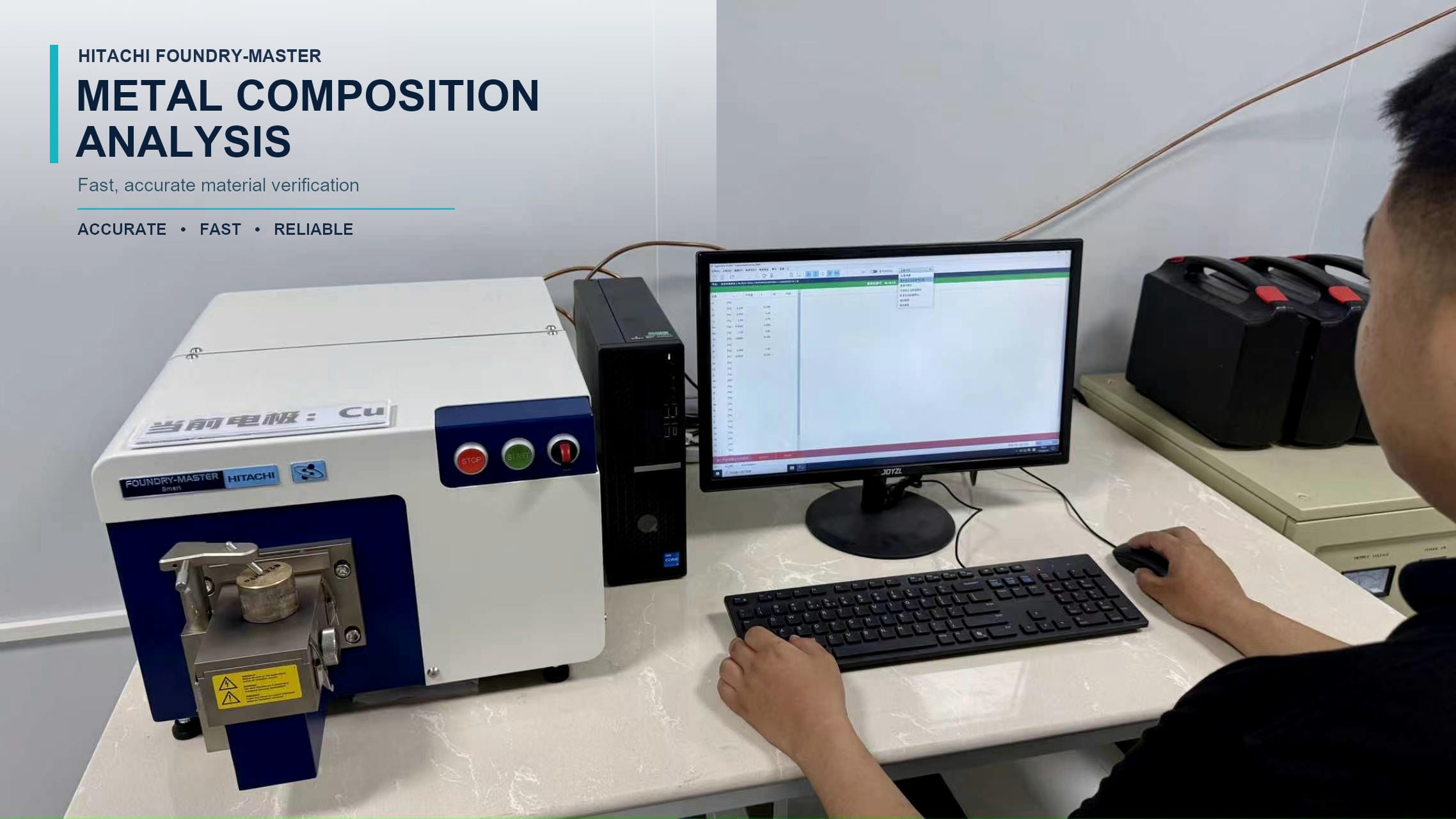
- Inspection feasibility — every tight tolerance must be measurable with available equipment
The output is a clear report: what works, what is risky, and what will add cost — with recommendations you can accept or ignore.
How DFM Reduces CNC Machining Cost
DFM saves money through three mechanisms:
- Fewer change orders — issues are caught before production, not after the first batch is scrapped
- Lower tooling and setup costs — standard tools and simple fixturing replace custom solutions
- Faster cycles — a manufacturable design machines faster, reducing cost per part
For example, adding a small radius to an internal corner can eliminate an EDM operation. Relaxing a tolerance on a non-critical surface can allow turning instead of grinding. These small adjustments compound into significant savings across a production run.
DFM for Precision Compressor Components
For high-speed rotating parts, DFM is especially valuable because geometry and tolerances interact:
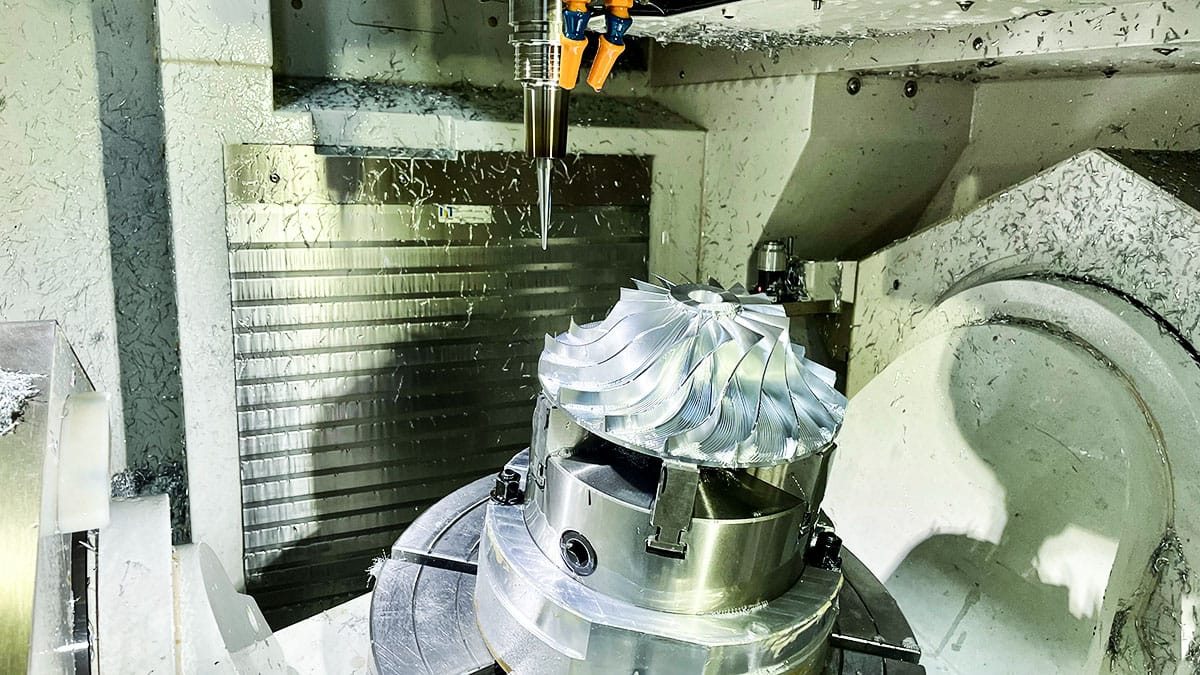
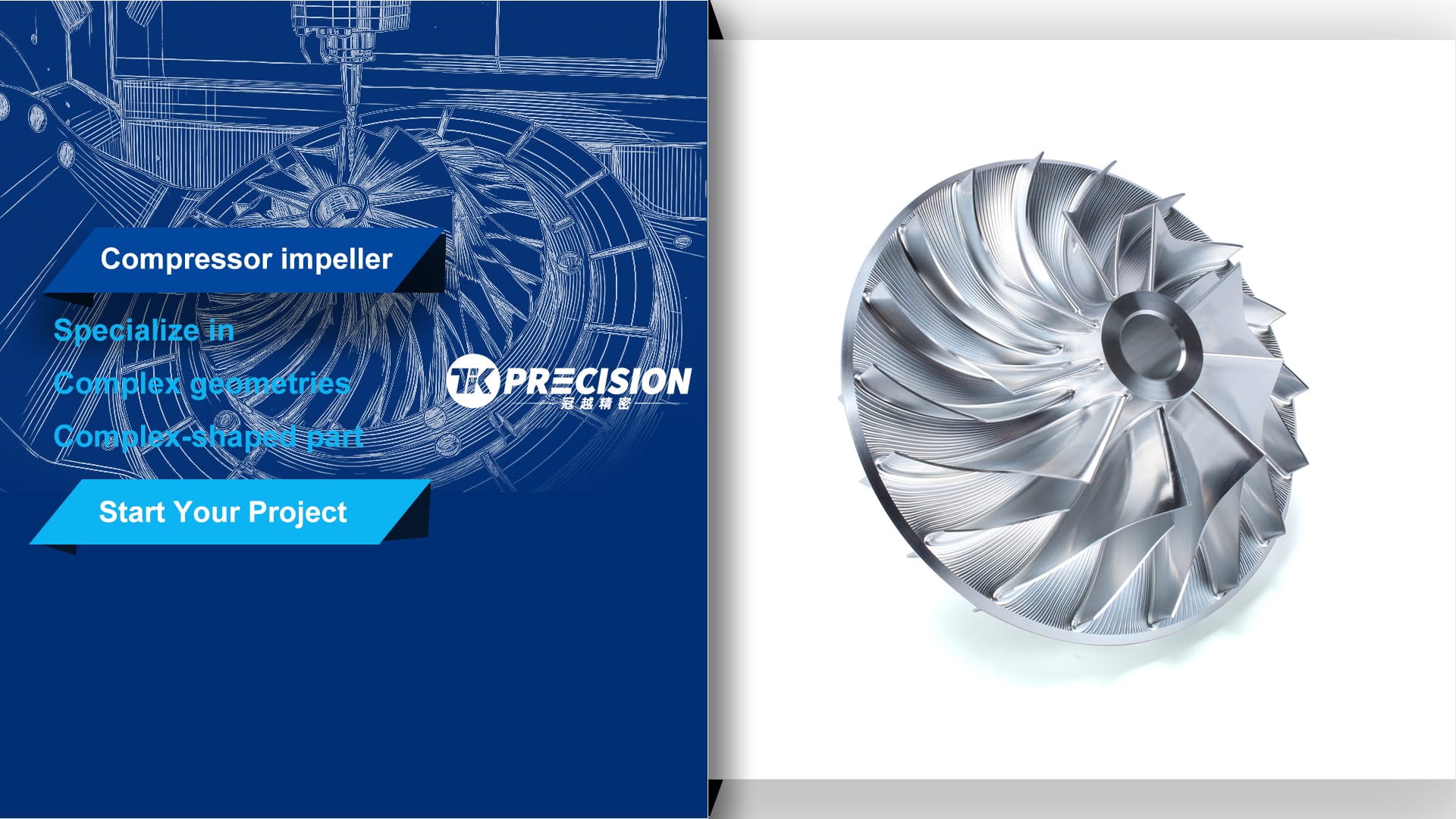
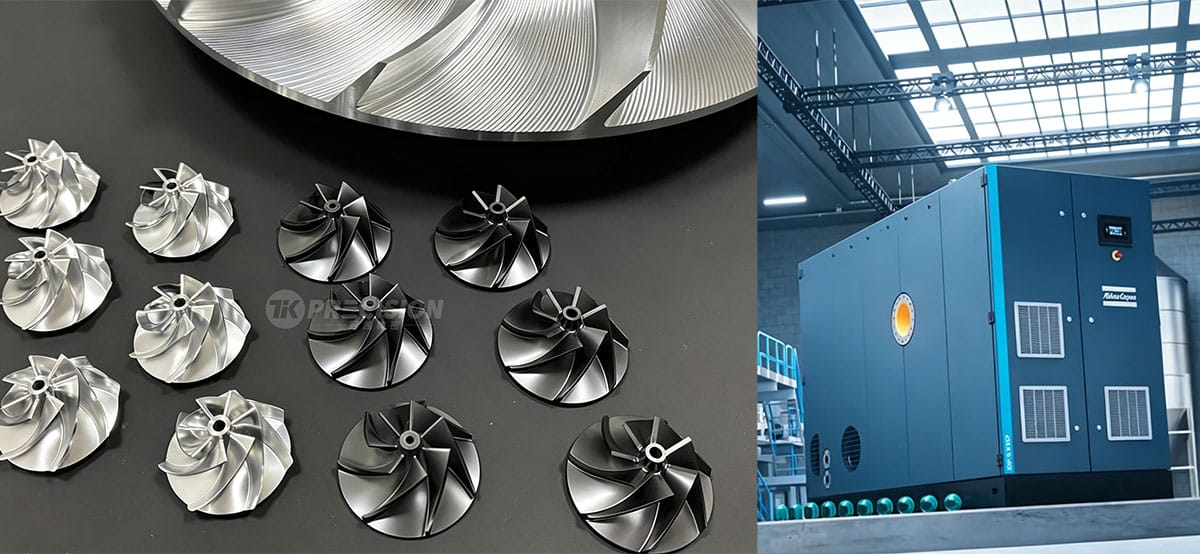
- Impellers — blade thickness, channel width, and edge radii determine whether the airfoil can be machined with standard tools and held in tolerance
- Blades — thin sections need fixture strategies that avoid distortion during 5-axis finishing
- Rotors and shafts — journal tolerances, keyway depths, and step transitions affect grinding stock and stress concentration
- Tolerances — the review separates features that truly need ±0.002 mm from those that do not, so you pay for precision only where it matters
The result is a part that is machinable, measurable, and priced for what it actually requires.
What Happens After the DFM Review?
Once the review is complete, you receive:
- A DFM report summarizing risks and recommendations
- A quotation based on the reviewed design
- A lead time confirmed for the proposed process route
- An optional revision cycle if you choose to adjust the drawing
You are never locked in. If you prefer to keep the design unchanged, the quote reflects that decision honestly, including any extra cost.
When Should You Request a DFM Review?
Request DFM review at these moments:
- Before finalizing a new design — catch issues at the cheapest possible stage
- Before ordering prototypes — validate that the geometry is manufacturable at all
- Before scaling to production — confirm the process is repeatable and cost-effective
- When tolerances are critical — verify that your tightest features can be held and measured
Every quotation includes the review at no charge, so there is no reason to skip it.
FAQ
Is the DFM review really free?
Yes. DFM review is included at no cost with every quotation. It helps us quote accurately and helps you avoid expensive surprises.
Does DFM mean you will change my design?
No. DFM provides recommendations. You decide whether to accept, adjust, or reject them. Nothing is machined without your approval.
Can DFM review tell me which tolerances are too tight?
Yes. The review evaluates each tolerance against the process, part geometry, and measurement capability, and flags tolerances that add significant cost without functional benefit.
How long does a DFM review take?
Most reviews are completed within one business day as part of the quotation process. More complex assemblies may take slightly longer.
What do I need to submit for a DFM review?
A STEP file or 2D drawing, material specification, quantity, and any critical tolerance or finish callouts. The more complete the file package, the more useful the review.
Upload your CAD drawing for a free DFM review — get a manufacturability report, an accurate quotation, and a confirmed lead time before you commit to production.