
CNC Machining Stainless Steel: Grades, Strategies, and Solutions

Picture of Kenny Gan
Kenny Gan
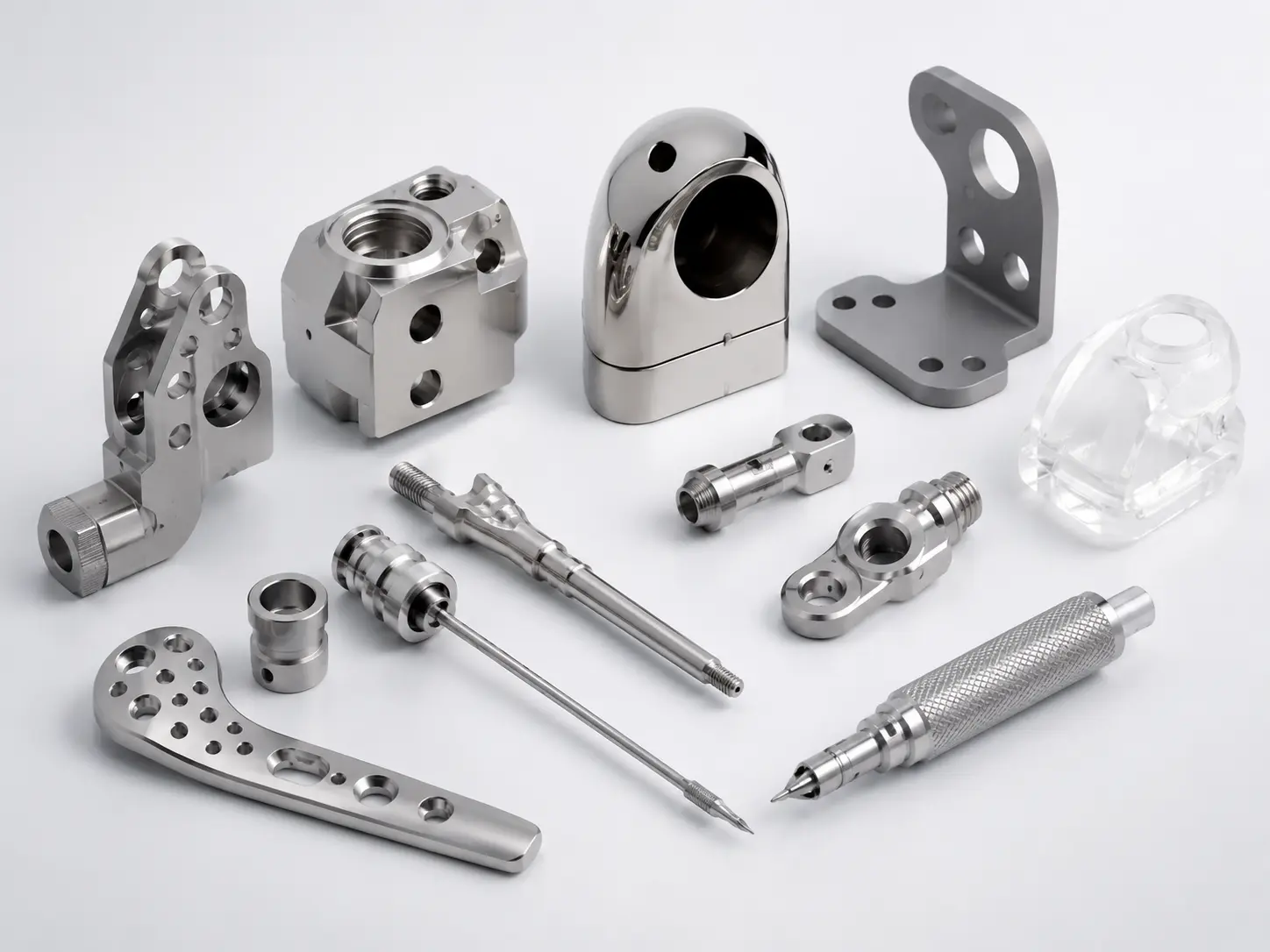
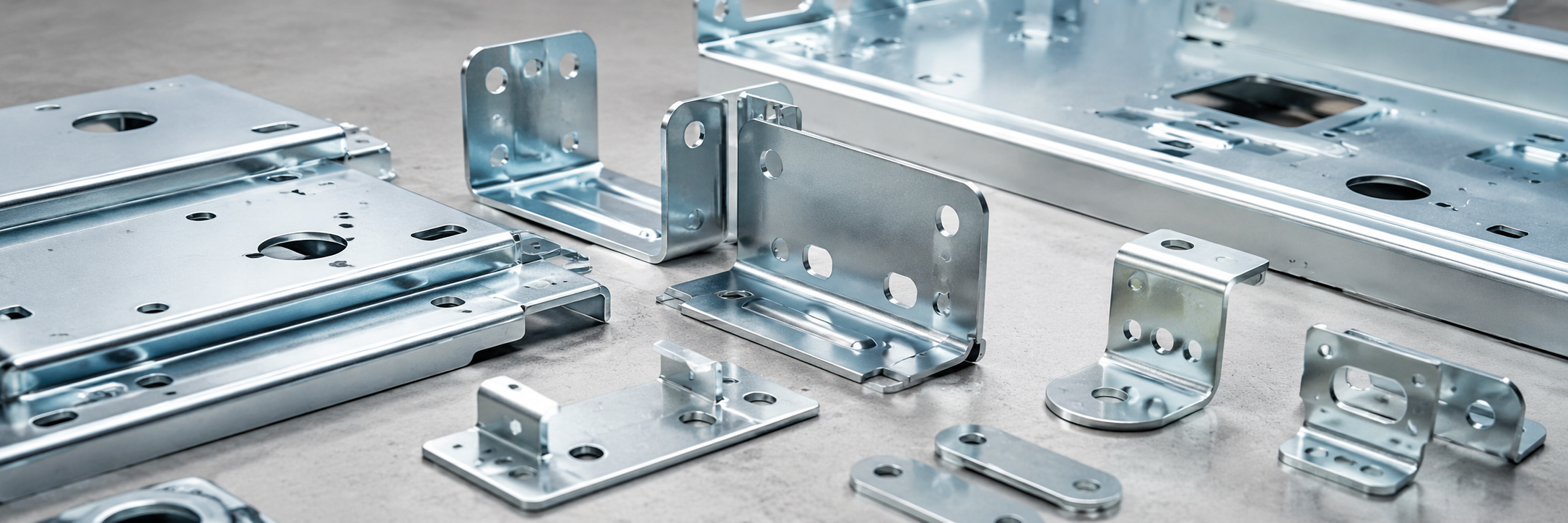
Sheet metal brackets for custom mounting applications
Share

Table of Contents

Introduction: The Challenges of CNC Machining Stainless Steel

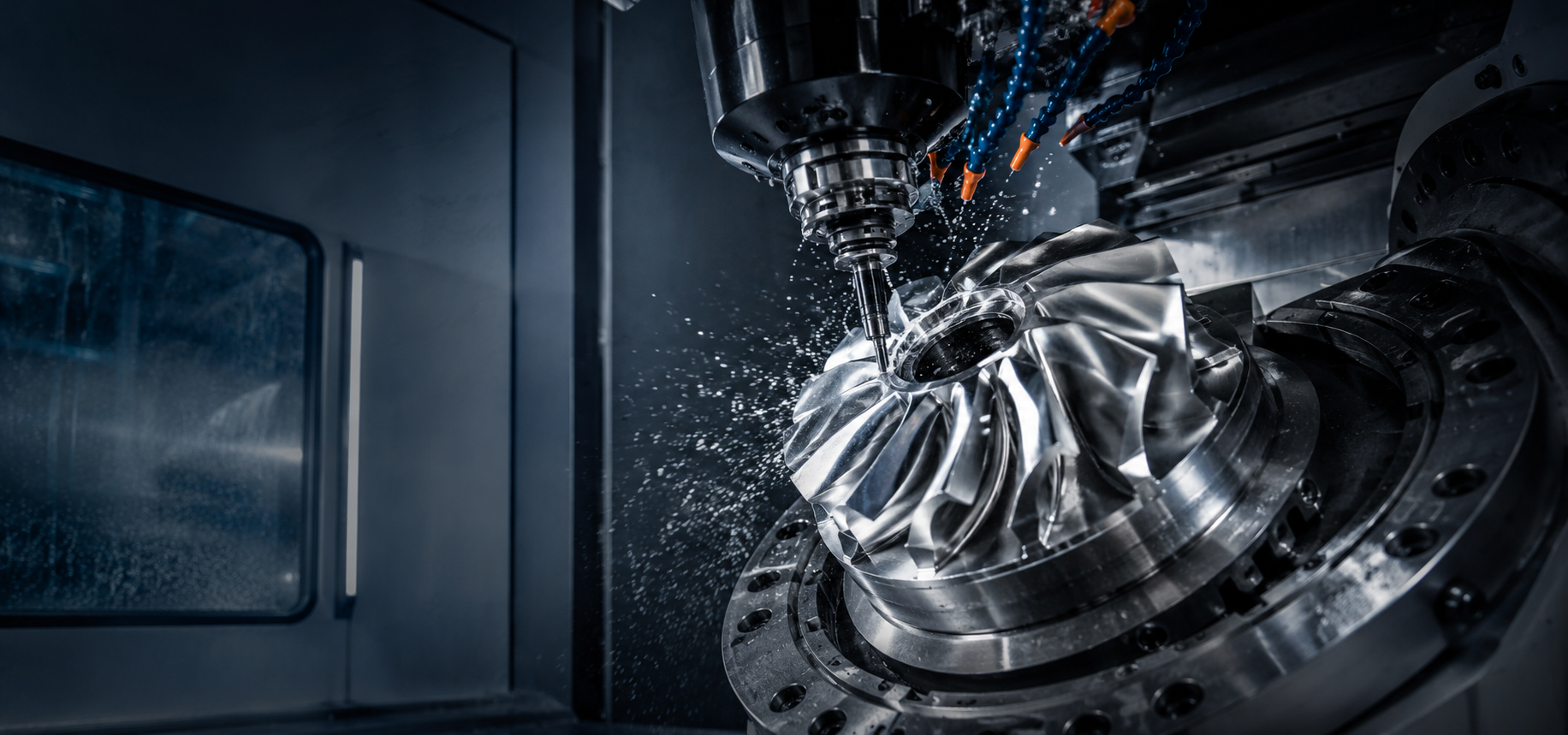
Stainless steel is a cornerstone of modern engineering, offering a superior balance of high tensile strength and exceptional corrosion resistance. However, for manufacturers, CNC machining stainless steel presents unique technical hurdles. From rapid work hardening to poor thermal conductivity, this material requires specialized tooling and precise cutting strategies to achieve high-quality results.

At Tik Precision, we leverage advanced CNC machining services to overcome these challenges, ensuring dimensional accuracy and surface integrity for every component. This guide explores the different grades of stainless steel and the professional strategies used to machine them effectively.


Understanding Stainless Steel Families & Machinability

Selecting the right grade is the first step in optimizing your CNC milling or turning project. Stainless steels are categorized by their metallurgical structure, which directly impacts their machinability.

Austenitic Stainless (300 Series)

The most common family, known for excellent corrosion resistance but prone to severe work hardening.

  • SS304 / 304L: The industry standard for food and chemical applications. It requires sharp carbide tools and a constant feed rate to prevent the surface from hardening.
  • SS316 / 316L: Contains molybdenum for superior marine-grade protection. It is more abrasive than 304, requiring high-pressure coolant systems.
  • SS303: A free-machining grade with added sulfur. It offers the best machinability in the 300 series, ideal for high-volume CNC turned parts.

Martensitic & Precipitation-Hardening (400 Series & 17-4 PH)

  • SS410 / 416: Magnetic grades that offer high strength. 416 is highly machinable and often used for fasteners and shafts.
  • 17-4 PH: A precipitation-hardening alloy that combines high strength with excellent corrosion resistance. It is best machined in the solution-annealed state before final heat treatment.

Technical Strategies for Successful Machining

To maintain tight CNC tolerances when working with stainless steel, machinists must adhere to several critical rules:

1. Manage Thermal Conductivity

Stainless steel does not dissipate heat well. Using PVD-coated carbide tools (such as AlTiN) acts as a thermal barrier, protecting the tool substrate and extending tool life.

2. Prevent Work Hardening

Never let the tool “dwell” or rub against the workpiece. Maintaining a positive, consistent feed rate ensures the tool is always cutting into fresh material rather than a hardened surface.

3. Optimize Rigidity

Vibration is the enemy of precision. Using rigid workholding and short tool overhangs is essential to prevent chatter and maintain surface finish quality.


Why Choose Tik Precision for Your Stainless Steel Projects?

Machining stainless steel requires a deep understanding of material science and mechanical engineering. At Tik Precision, our facility is equipped with state-of-the-art multi-axis centers designed to handle everything from 303 stainless to challenging Duplex alloys.

Our team provides expert DFM (Design for Manufacturability) feedback to help you reduce production costs while maximizing part performance. Contact us today to get a quote for your high-precision stainless steel components!


Need a Manufacturing Quote?

Upload your drawings and receive DFM feedback, material recommendations, and a clear manufacturing quote.

16+

Year

50K+

Parts Manufactured

98.2%

On-time Delivery

Request a Quote
All Articles From The Author
Surface finishing services for CNC machined parts

Complete Guide to Surface Finishes for CNC Machined Parts

Introduction: Why Surface Finishing Matters for CNC Parts A raw machined component is rarely the final product. Surface finishes for CNC machined parts are

Precision CNC Machining for Vacuum Pump Impellers and Rotors

Introduction: The Critical Role of Precision in Vacuum Pump Components Vacuum pumps are essential in semiconductor, pharmaceutical, and high-tech research industries, operating under extreme

The Complete Guide to Anodizing Aluminum CNC Parts

Introduction: Enhancing Aluminum Components Through Anodizing Anodizing is the premier surface treatment for aluminum CNC parts, providing a unique combination of aesthetic appeal, surface

Titanium medical parts machining for precision components

Titanium CNC Machining: Challenges, Strategies, and Best Practices

Introduction: The Strategic Importance of Titanium CNC Machining Titanium is the definitive choice for mission-critical engineering applications, from lightweight aerospace structures to biocompatible medical

CNC Machining Basics: A Technical Guide to Precision Engineering & Manufacturing

Introduction: The Role of CNC Machining in High-Precision Manufacturing In today’s industrial landscape, dimensional accuracy, operational efficiency, and batch consistency are paramount. From aerospace

Precision CNC Machined Aluminum Components for Motors

CNC Machining Aluminum Alloys: The Complete Technical Guide (6061, 7075 & More)

Aluminum is the most commonly machined metal in CNC manufacturing — and for good reason. It cuts quickly, holds tight tolerances, costs less than

Precision CNC Machining for the Semiconductor Industry

Precision CNC Machining for the Semiconductor Industry

Semiconductor manufacturing equipment, such as vacuum chambers, gas distribution systems, and wafer handling devices, requires high-precision mechanical components. The quality of these parts directly

Custom 5-Axis CNC Machined Stainless Steel & Aluminum Precision Turbo & Fluid Machinery Components, Low Volume production

Precision CNC Machining for Custom Mechanical Components

Beyond the major industries — aerospace, medical, automotive, energy — lies a vast landscape of precision mechanical components that keep the world’s machinery running.

Precision CNC Machining for Optics and Photonics

Precision CNC Machining for Optics and Photonics

Optics manufacturing occupies a unique niche in precision machining — one where surface quality is defined in nanometers, dimensional accuracy in microns, and material

Start a New Project

Turn Your CAD Files Into Precision Parts

Share your requirements with our engineering team. We will review manufacturability, materials, tolerances and lead time before quoting.

2-Hour Quote

Fast response for complete RFQs

Free DFM Review

Engineering feedback before production

Secure CAD Files

Confidential upload and NDA support

No MOQ

Prototype to low-volume production

Need help preparing an RFQ?

info@tikprecision.com

RFQ Form

Tell Us About Your Project

Upload CAD Files | Free DFM Analysis | 2-Hour Quote | No MOQ Required | NDA Protected