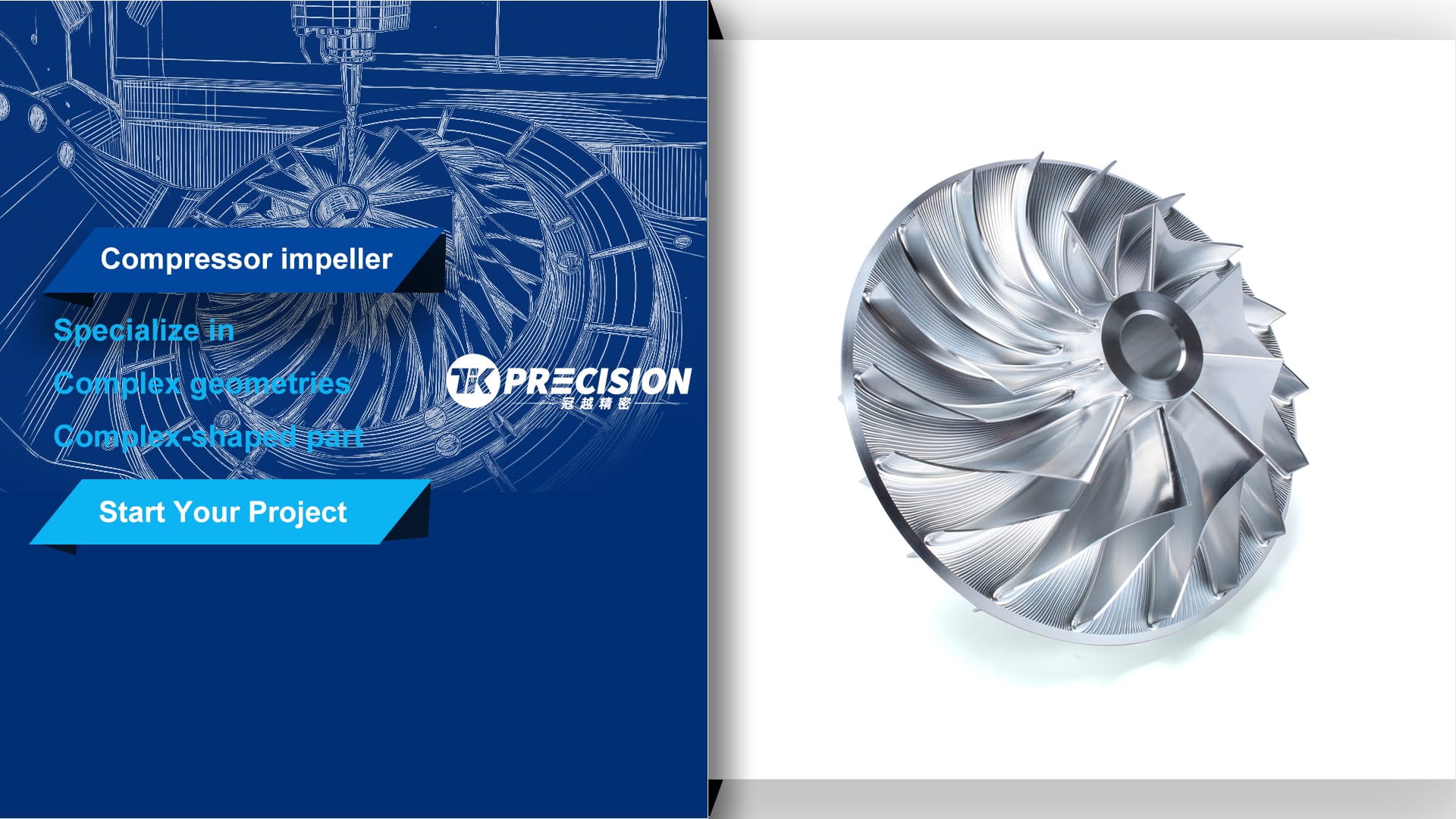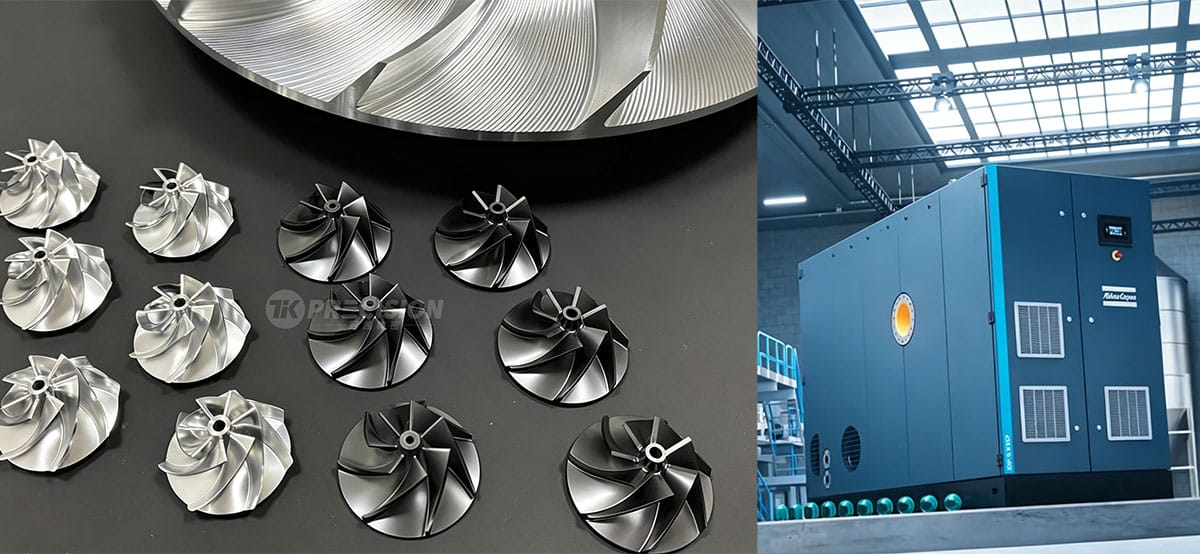

The material of a compressor component decides how hot it can run, how corrosive an environment it can survive, how fast it can spin, and how much it costs to machine. Choosing the right material for an impeller, blade, rotor, or shaft affects performance, reliability, and budget throughout the machine’s service life. For an overview of precision CNC machining for compressor components, review the related guide before selecting a material.
This guide compares common materials used for precision-machined compressor components, explains the selection criteria that matter, and shows how the choice interacts with CNC machining, tolerances, and cost.
Key Material Selection Criteria
- Operating temperature — determine how hot the material gets in service.
- Medium and corrosion — consider air, steam, refrigerant, seawater, process gas, or chemicals.
- Rotational speed and stress — define the required strength-to-weight ratio.
- Fatigue life — account for start-stop cycles and load reversals.
- Machinability — confirm the geometry and tolerances can be produced economically.
- Cost and availability — compare prototype and production requirements.
Every material choice balances performance, manufacturability, availability, and cost.
Material Options Compared
| Material | Strength | Corrosion resistance | Temperature limit | Machinability | Typical component |
|---|---|---|---|---|---|
| Aluminum 6061 / 7075 | Medium | Good | ~150 °C | Excellent | Impellers, vanes, low-temperature parts |
| Stainless 304 / 316 | Medium | Very good | ~450 °C | Fair | Shafts, housings, vanes |
| 17-4PH stainless | High | Very good | ~350 °C | Fair-good | Impellers, shafts, blades |
| Alloy steel 4140 / 4340 | High | Medium | ~400 °C | Good | Rotors, shafts, couplings |
| Titanium Ti-6Al-4V | Very high (specific strength) | Excellent | ~400 °C | Difficult | High-speed impellers and blades |
| Inconel 718 | Very high | Excellent | ~700 °C | Very difficult | Hot-section blades and impellers |
Aluminum: Fast Machining, Low Temperature
Aluminum alloys are common for compressor impellers and vanes in clean, low-temperature service because they machine quickly, produce good airfoil finishes, and reduce rotating inertia. They are soft and temperature-sensitive, so they are generally unsuitable above roughly 150 °C or for abrasive media.
Stainless Steels: Corrosion Resistance with Strength
304 and 316 provide strong corrosion resistance but work-harden during machining. 410 and 420 offer hardenability and wear resistance, while 17-4PH provides high strength with good corrosion resistance for impellers, shafts, and fasteners. Rigid setups, sharp tooling, and controlled feeds help prevent work-hardening and distortion.
Titanium Alloys: High Performance, Higher Cost
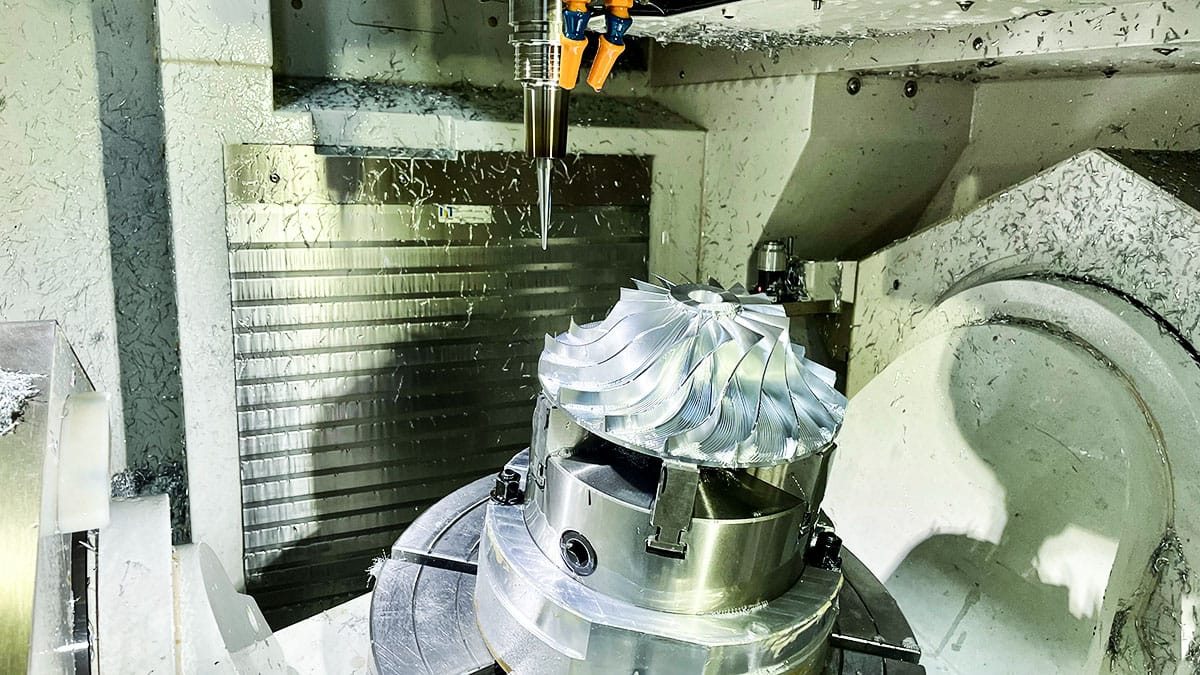
Ti-6Al-4V offers high specific strength, corrosion resistance, and fatigue performance for high-speed components. Its low thermal conductivity requires controlled cutting speeds, effective coolant, and sharp tools, which increases machining cost.
Nickel-Based Superalloys for Hot Service
Inconel 718 retains strength at temperatures where steel and titanium soften and offers strong creep and fatigue resistance. It is abrasive, work-hardening, and heat-retaining, so specialist tooling and careful process control are required.
How Material Choice Affects CNC Machining
- Tolerance capability — stable, low-stress materials hold tight tolerances more predictably.
- Surface finish — aluminum and 17-4PH finish well; titanium and Inconel need controlled finishing passes.
- Tooling cost — exotic alloys consume premium tooling faster.
- Heat treatment sequencing — hardened materials may require grinding after heat treatment.
- Lead time — difficult materials machine more slowly.
During a free DFM review, the engineering team can confirm that the selected material is compatible with the drawing’s geometry and tolerances and identify cost drivers before production.
Coating and Surface Treatment Options
- Anodizing for aluminum impellers.
- Electroless nickel plating for corrosion resistance on steel and aluminum.
- Nitriding for hard, fatigue-resistant steel shaft journals.
- TiN and other PVD coatings for wear resistance.
- Shot peening to improve fatigue life on loaded blades and shafts.
Treatment thickness must be included in the machining plan so final fits remain correct.
FAQ
What is the best material for a compressor impeller?
It depends on the service conditions. Aluminum suits clean, low-temperature air; titanium suits high-speed or corrosive applications; 17-4PH is a strong general-purpose option; and Inconel is suited to hot-section duty.
Can you machine Inconel and titanium impellers?
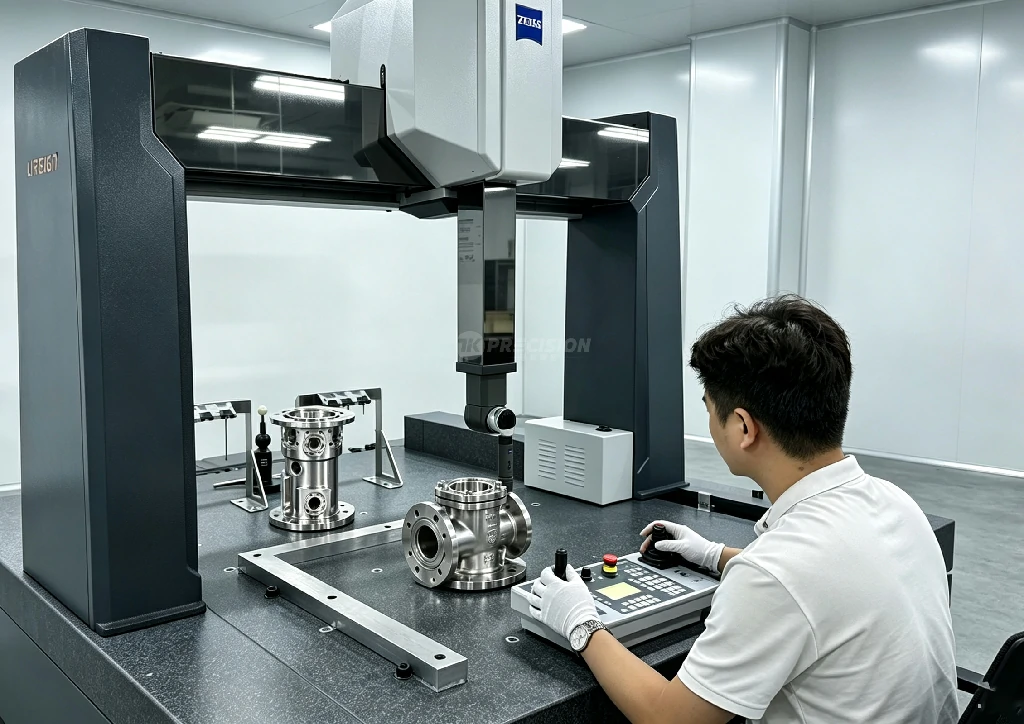
Yes. Specialist tooling and process control support tight tolerances with CMM verification.
Does material affect tolerance capability?
Yes. Rigid, stable materials hold micron tolerances more predictably. Softer or harder materials require adjusted processes.
Can you supply material certificates?
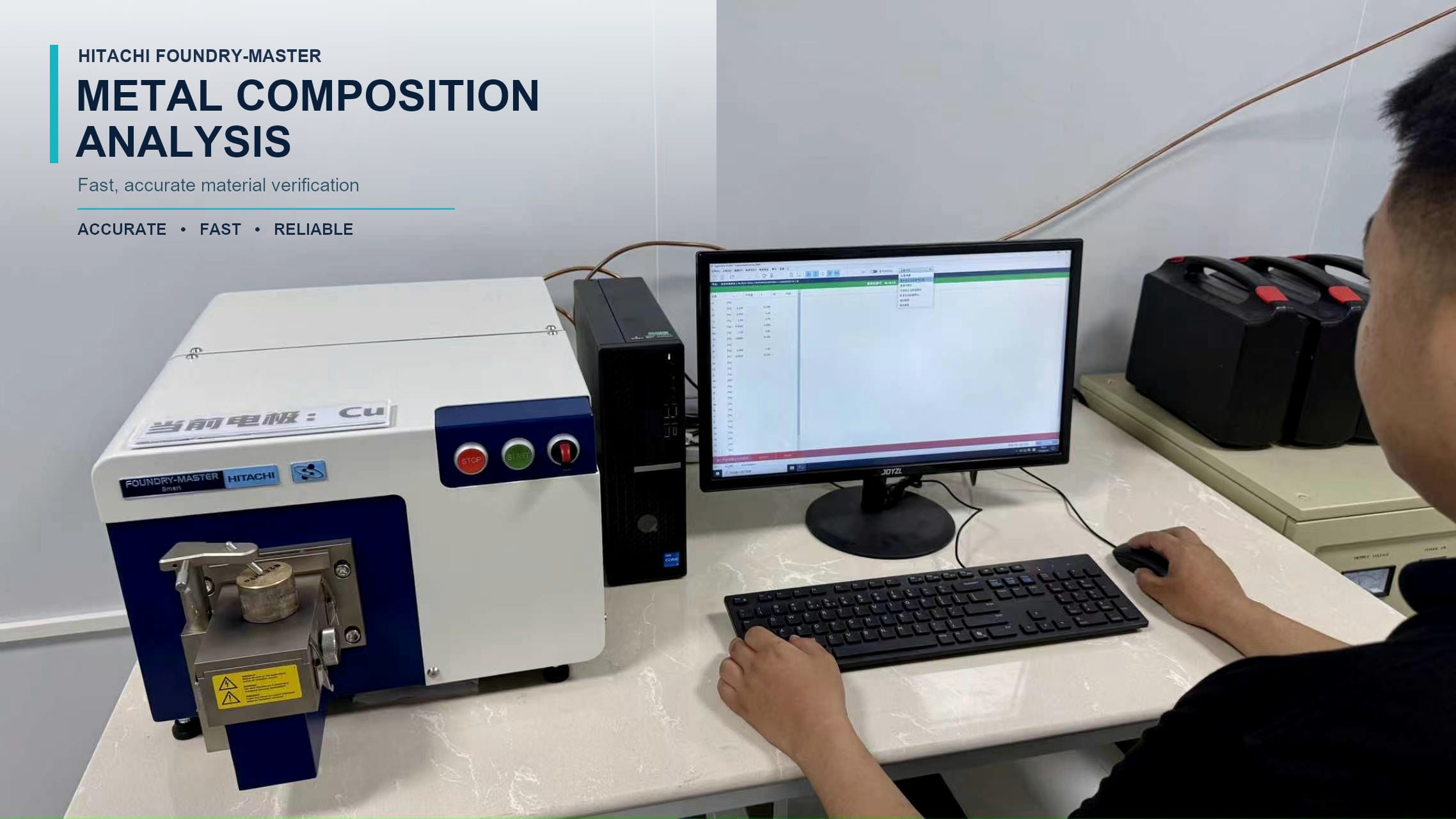
Yes. Material certificates with heat-number traceability and mechanical test reports are available where specified.
Should I choose 17-4PH or titanium for my shaft?
Compare operating temperature, corrosion, and weight. 17-4PH is cost-effective and strong; titanium is advantageous where weight and corrosion resistance matter more.
Upload your CAD drawing for a free DFM review and quotation. The engineering team will confirm the best material for your compressor component and how it affects tolerance, finish, and lead time.