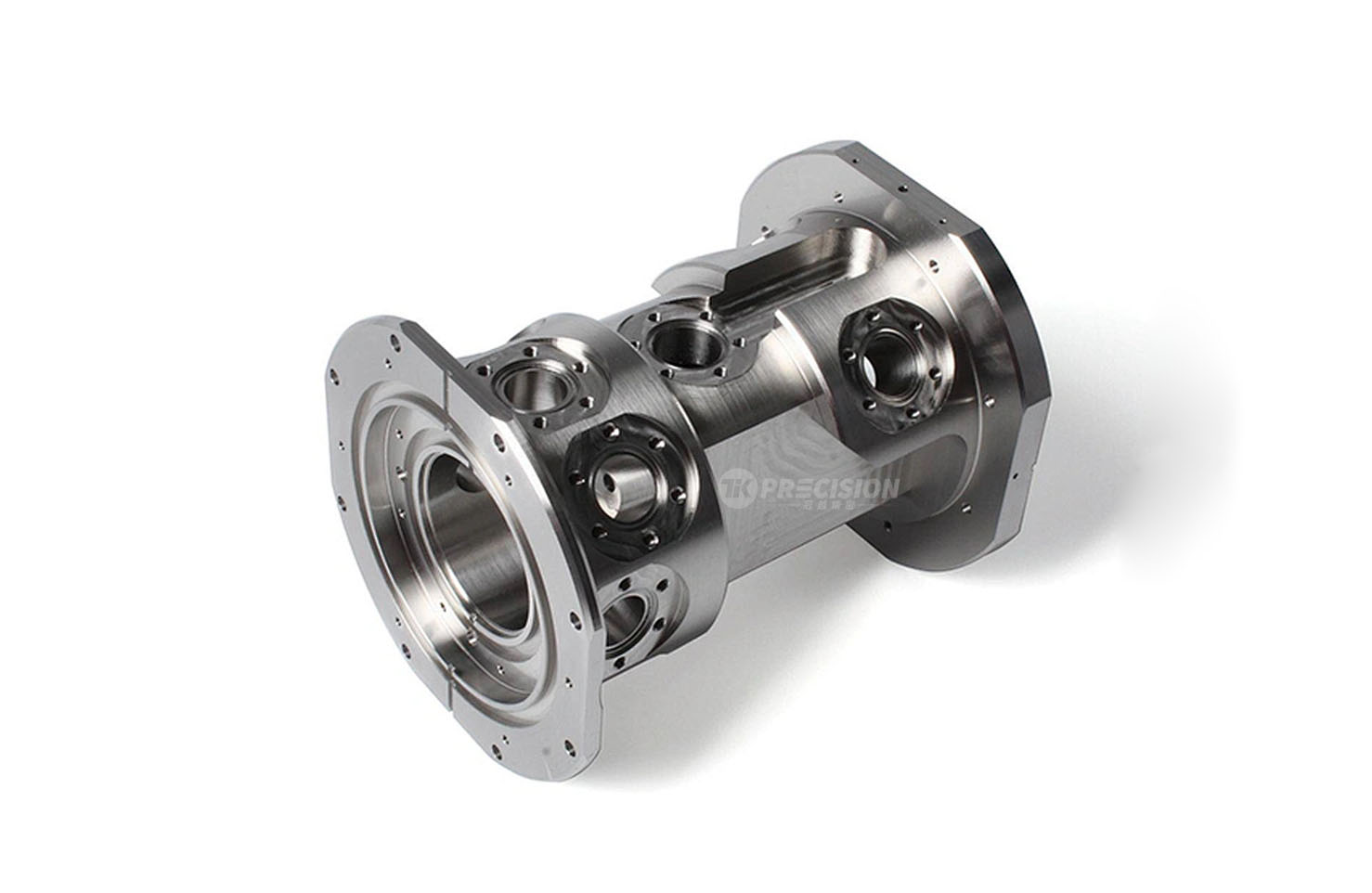


Understanding CNC Machining Tolerances

Picture of Kenny Gan
Kenny Gan
Share

Table of Contents

1. Introduction: Why Tolerances Matter in CNC Machining

In the world of precision manufacturing, CNC machining tolerances define the permissible limit of variation for a part’s dimensions. Essentially, they specify how much a component can deviate from its CAD model without compromising its functional integrity. Whether you are designing for aerospace or medical devices, understanding how to apply tight CNC tolerances is critical for ensuring part interchangeability and system performance.

At Tik Precision, our professional CNC machining services prioritize dimensional accuracy to meet the rigorous demands of modern engineering. Properly defined tolerances not only ensure quality but also optimize production costs and lead times.


2. Common Types of CNC Machining Tolerances

Linear and Angular Tolerances

  • Linear Tolerances: Control straight-line distances (length, width, height). Standard precision often ranges from ±0.1 mm to ±0.01 mm for critical features.
  • Angular Tolerances: Specify the allowable variation in degrees for features like chamfers, bevels, and sloped surfaces.

Geometric Dimensioning and Tolerancing (GD&T)

GD&T is a more advanced system used in CNC milling and CNC turning to define the form, orientation, and location of features. Key callouts include:

  • Flatness & Cylindricity: Ensuring surfaces and cylindrical features remain within specified geometric limits.
  • Position & Perpendicularity: Controlling the exact location and orientation of holes or mating faces relative to a datum.

3. Factors Influencing Tolerance Selection

Material Machinability

The choice of material significantly impacts achievable precision. For instance, Aluminum 6061 is highly stable and easy to machine to tight limits, whereas certain plastics may deform under cutting forces or thermal stress, requiring more relaxed tolerance windows.

Secondary Processes & Surface Finishes

Post-machining treatments like anodizing or plating add thickness to the part surface. It is vital to account for these changes during the design phase to ensure the final component remains within the required functional tolerance after finishing.


4. Advanced Inspection & Verification Methods

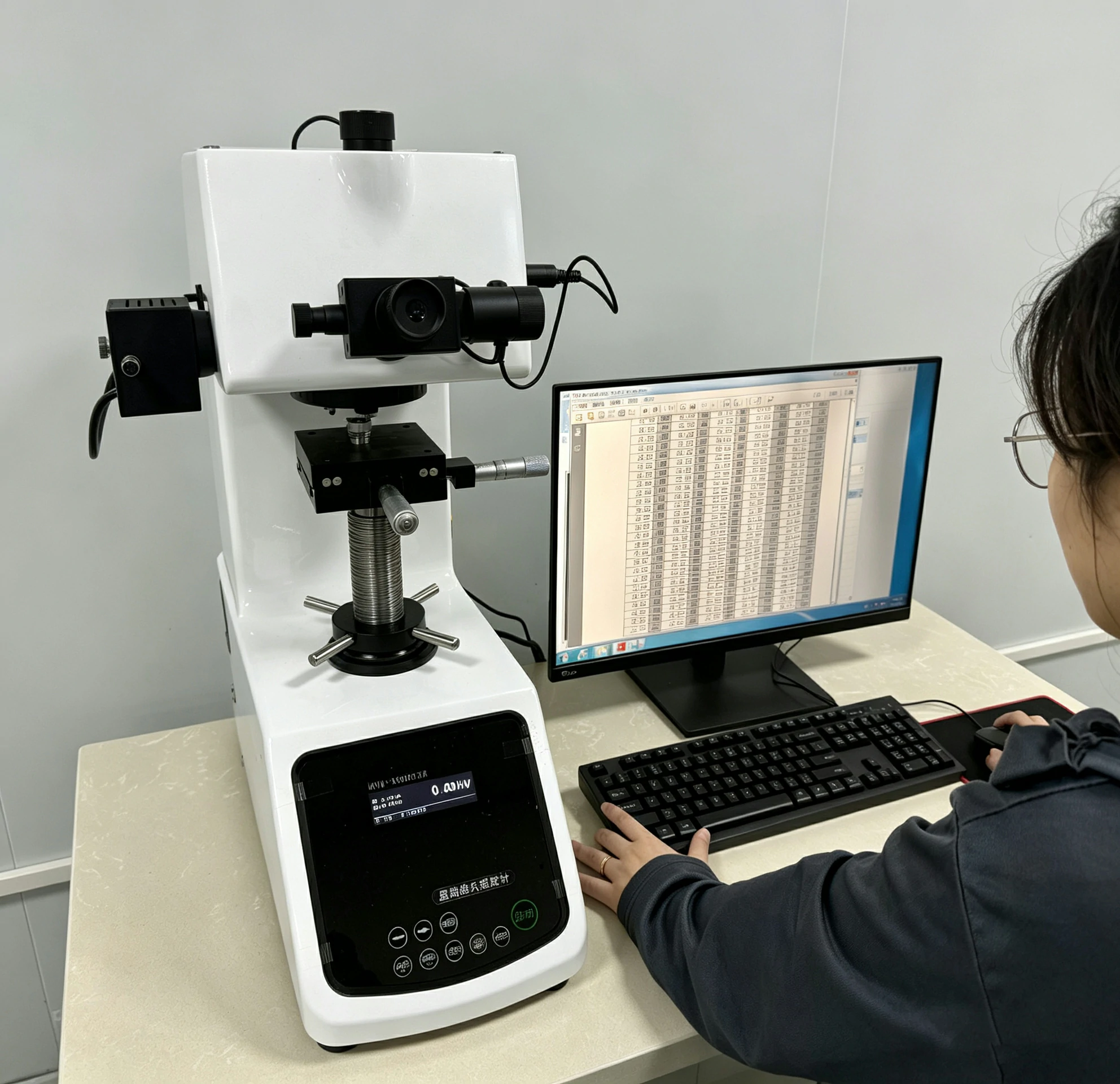
To guarantee that every part meets its specified CNC machining tolerance, Tik Precision utilizes state-of-the-art metrology equipment:

  • Coordinate Measuring Machines (CMM): For high-precision 3D dimensional verification of complex geometries.
  • Micrometers & Digital Calipers: For rapid, accurate checks of linear dimensions.
  • Optical Comparators: To inspect profiles and intricate features against digital overlays.

5. Best Practices for Tolerance Optimization

To balance performance and cost, follow these DFM (Design for Manufacturability) tips:

  • Apply Precision Selectively: Use tight tolerances (e.g., ±0.02 mm) only for critical mating surfaces like bearing seats or press fits.
  • Standardize Non-Critical Features: Use general tolerances (±0.1 mm or greater) for cosmetic or non-functional areas to reduce machining time.
  • Consult Your Machining Partner: Early collaboration can help identify opportunities to simplify geometries and lower rejection rates.

Conclusion: Achieving Precision with Tik Precision

Mastering CNC machining tolerances is the key to successful product development. By choosing the right balance of precision and manufacturability, you can ensure your parts perform reliably while keeping production efficient. Contact Tik Precision today for expert guidance on optimizing your CNC project tolerances!


Need a Manufacturing Quote?

Upload your drawings and receive DFM feedback, material recommendations, and a clear manufacturing quote.

16+

Year

50K+

Parts Manufactured

98.2%

On-time Delivery

Request a Quote
All Articles From The Author
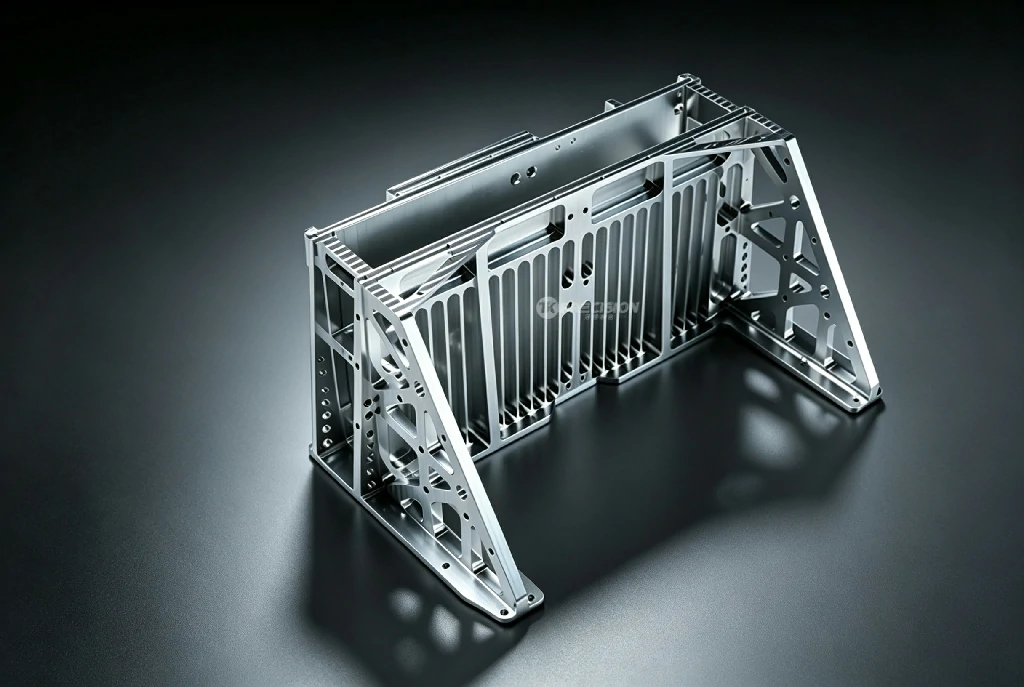
5 Axis CNC Machined Lightweight Aluminum Aerospace Frame

Precision CNC Machining for Aircraft Engine Casings and Housings | International Aerospace Solutions

Aerospace turbine blades feature complex, twisted geometries and thin-wall sections that present significant manufacturing hurdles. Controlling distortion during the machining process is critical for

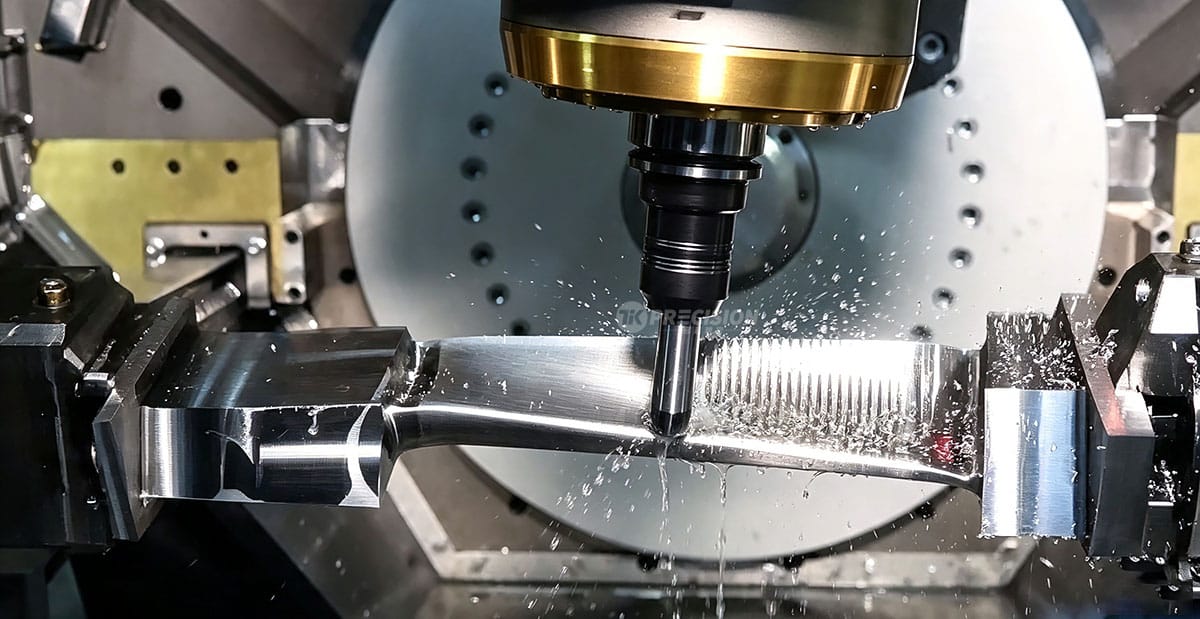
5-axis CNC machining center milling twisted aerospace engine turbine blade, precision CNC milling of aeroengine turbine blade with coolant, aerospace precision machined components

5-Axis CNC Machining for Aerospace Turbine Components: Achieving Precision on Complex Airfoil Geometries

  The Role of 5-Axis Machining in Modern Turbine Manufacturing 5-axis CNC machining has become a critical manufacturing technology for producing today’s most demanding

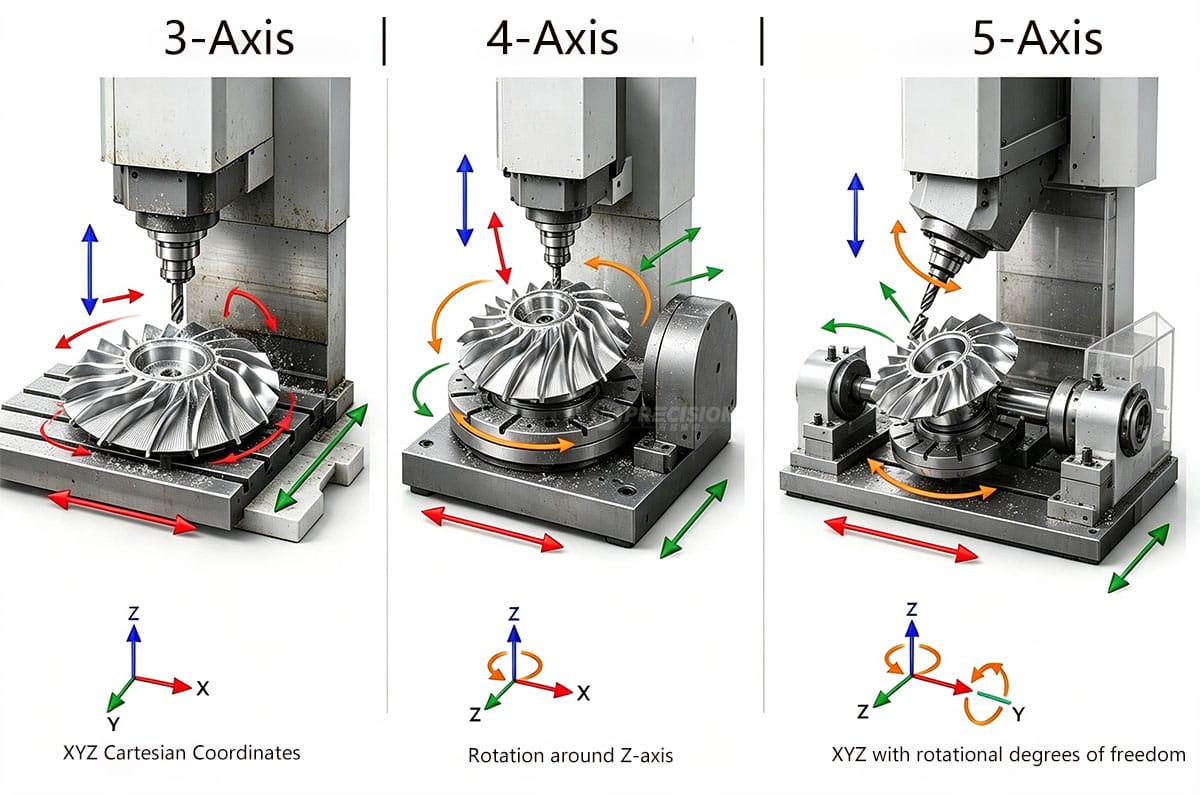
Industrial technical illustration, three panels side by side, labeled at top left to right: 3-axis, 4-axis, 5-axis.

3-Axis vs 4-Axis vs 5-Axis CNC Machining: Which One Do You Need?

Not every part needs 5-axis machining, and not every part can be made on a 3-axis machine. Choosing the right CNC machining process affects

DFM Checklist for CNC Machining: Design for Manufacturability Guide

Design for Manufacturability (DFM) review catches costly problems before a part ever reaches the machine shop floor. A part that looks fine on screen

CNC Machining for Aerospace: Materials, Tolerances, and Best Practices

Aerospace components carry higher stakes than most other industries — failure isn’t just costly, it can be catastrophic. That reality shapes nearly every decision

Final quality check before shipment for custom parts

CNC Machining vs 3D Printing: Which Process Should You Use?

Both CNC machining and 3D printing serve prototyping and low-volume production needs, but they aren’t interchangeable. Choosing the wrong one can mean a part

The Complete Guide to Precision CNC Machining Services Capabilities, Processes, and Applications

The Complete Guide to Precision CNC Machining Services: Capabilities, Processes, and Applications

Precision CNC machining is the backbone of modern manufacturing. From aerospace turbine components to medical implants to consumer electronics enclosures, CNC machining produces the

5-Axis CNC Impeller Machining Overcoming 5 Common Manufacturing Challenges

Impeller CNC Machining-Precision Components for Compressors, Pumps & Turbines

The Ultimate Guide to Impeller CNC Machining: Precision Components for Compressors, Pumps & Turbines In the world of rotating machinery, the impeller is the

CNC Machining Hydraulic Valve Body Parts: A Complete Guide to Precision Manufacturing and Quality Control

What Are Hydraulic Valve Body Parts? Hydraulic valve body parts are critical components used in hydraulic control systems. They regulate fluid flow, pressure, and

Start a New Project

Turn Your CAD Files Into Precision Parts

Share your requirements with our engineering team. We will review manufacturability, materials, tolerances and lead time before quoting.

2-Hour Quote

Fast response for complete RFQs

Free DFM Review

Engineering feedback before production

Secure CAD Files

Confidential upload and NDA support

No MOQ

Prototype to low-volume production

Need help preparing an RFQ?

info@tikprecision.com

RFQ Form

Tell Us About Your Project

Upload CAD Files | Free DFM Analysis | 2-Hour Quote | No MOQ Required | NDA Protected