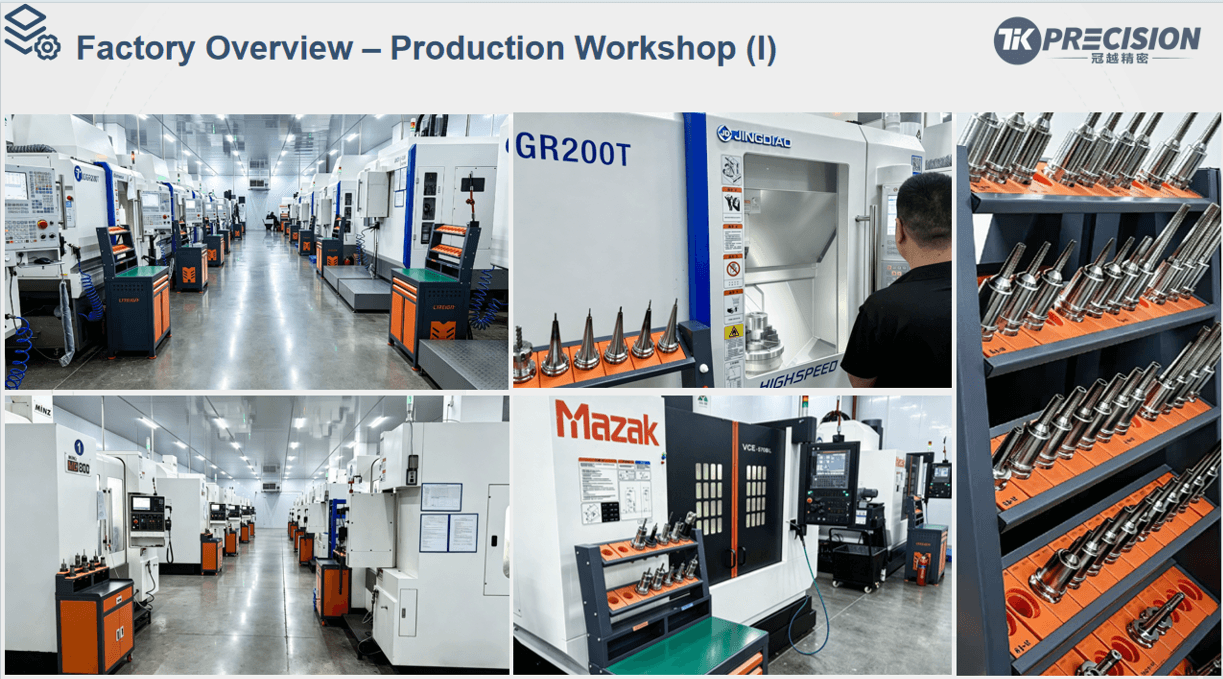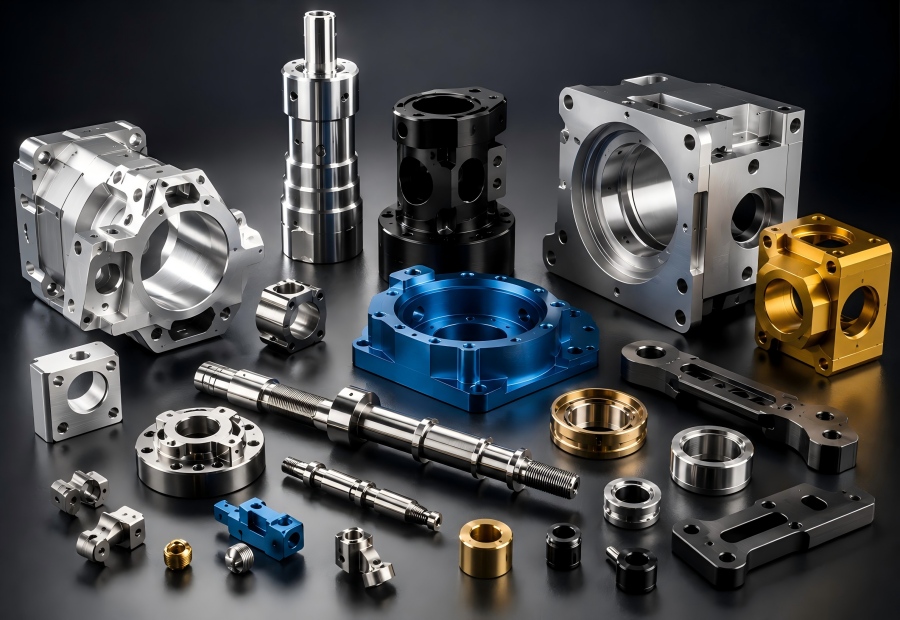
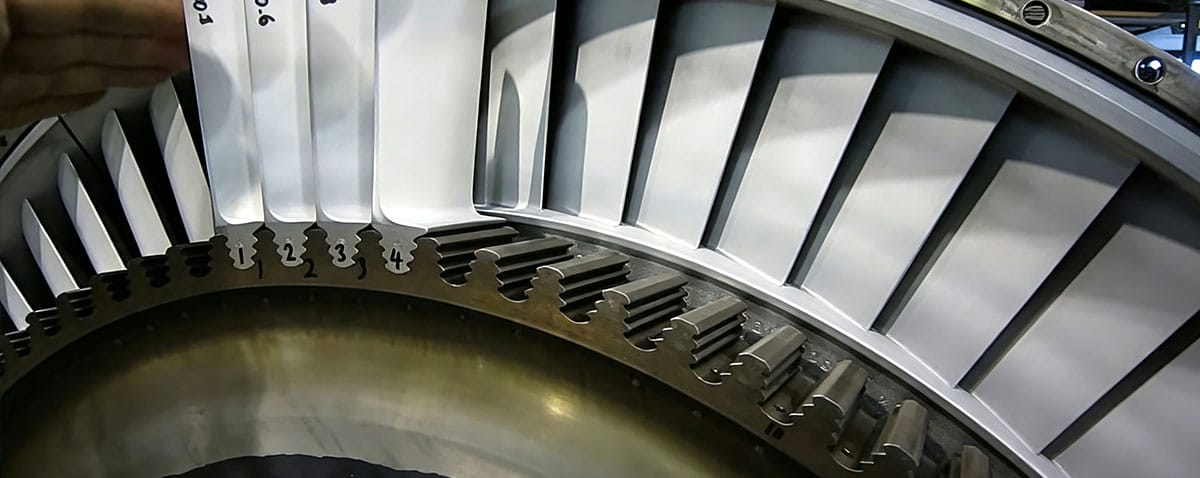
Aerospace turbine components operate in punishing environments. They face extreme heat, oxidizing gases, and high mechanical stress. While base material selection is the foundation, advanced aero-engine turbine coating and surface treatments are essential. These treatments extend component life significantly. They also protect the underlying substrate from degradation. At Tik Precision, we integrate precision CNC machining services with advanced surface engineering to meet these rigorous demands.
Critical Machining Challenges for Coated Components
Preparing turbine parts for advanced coatings involves unique manufacturing hurdles. These must be addressed during the precision machining of aerospace turbine blades. First, substrate integrity is vital. Microscopic surface defects or “smearing” during CNC machining can lead to coating delamination. This problem is especially common under thermal cycling. Second, complex cooling holes present a challenge. Machining thousands of tiny film-cooling holes in coated blades requires extreme precision. We use EDM or laser drilling to avoid cracking the ceramic top coat. Finally, pre-coating tolerances are critical. Initial machined dimensions must account for coating thickness. This is a key factor in distortion control for thin-wall parts.
Material Selection and Compatibility
The synergy between the substrate and the coating system is vital for engine performance. Understanding how to machine exotic alloys is the first step in this process. Nickel-based superalloys like Inconel 718 provide the strength required to support Thermal Barrier Coatings (TBC). Additionally, MCrAlY overlay alloys serve as bond coats. They provide a necessary chemical bridge between the metal substrate and ceramic top coats.
Precision and Surface Finishing Techniques
We maintain precision through rigorous process control. Our team utilizes 5-axis CNC machining to achieve optimal surface geometry for aero-engine turbine coating application. Surface roughness (Ra) is a primary concern. Pre-coating surfaces are finished to specific values to optimize mechanical interlocking. Furthermore, dimensional compensation is required. CNC toolpaths are adjusted to account for the exact thickness of the planned coating stack.
DFM for Coated Turbine Components
Following a strict DFM checklist for CNC machining facilitates high-quality coating application. Uniform radii are essential. Avoiding sharp edges ensures even coating thickness and prevents premature cracking. Masking considerations are also important. We design parts with clear landing zones for masking tools. This protects non-coated features like fir-tree roots from accidental treatment.
Frequently Asked Questions
What is a Thermal Barrier Coating (TBC)?
A TBC is a multi-layer ceramic system that insulates metal parts from gases hotter than the metal’s melting point.
Why is shot peening used after machining?
Shot peening introduces compressive residual stresses. These stresses prevent fatigue cracks from forming during high-speed rotation.
Conclusion
Coating technology represents a critical intersection of materials science and precision machining. Tik Precision ensures every machined surface is perfectly prepared for aero-engine turbine coating and surface treatment. For more information, explore our guide on aerospace CNC machining best practices.