Many projects stall or run into unexpected cost between the prototype stage and production — not because the design was wrong, but because the transition wasn’t planned properly. Here’s how to move from a validated prototype to stable low-volume production.
Stage 1: Prototype Validation
The goal of a prototype isn’t just to check that a part looks right — it’s to validate form, fit, and function before committing to larger quantities. During this stage:
- Confirm the part fits correctly with mating components
- Test functional performance under real or simulated operating conditions
- Identify any design changes needed before scaling up
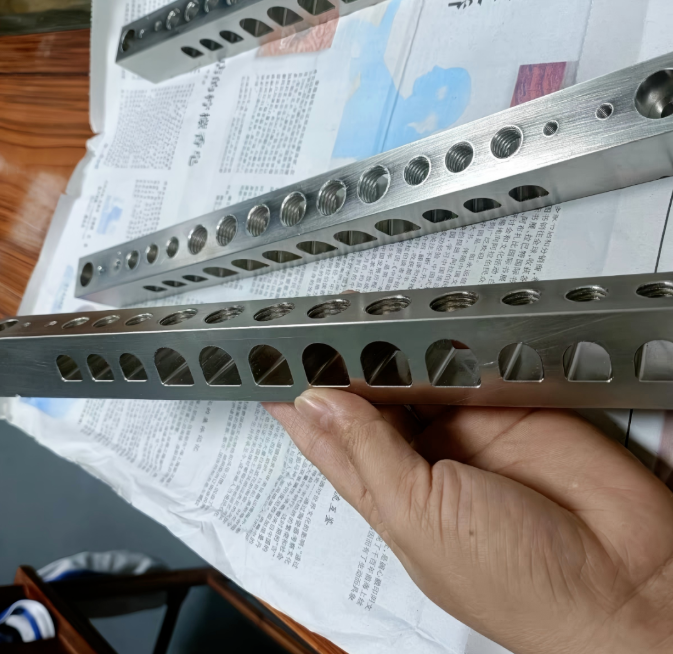
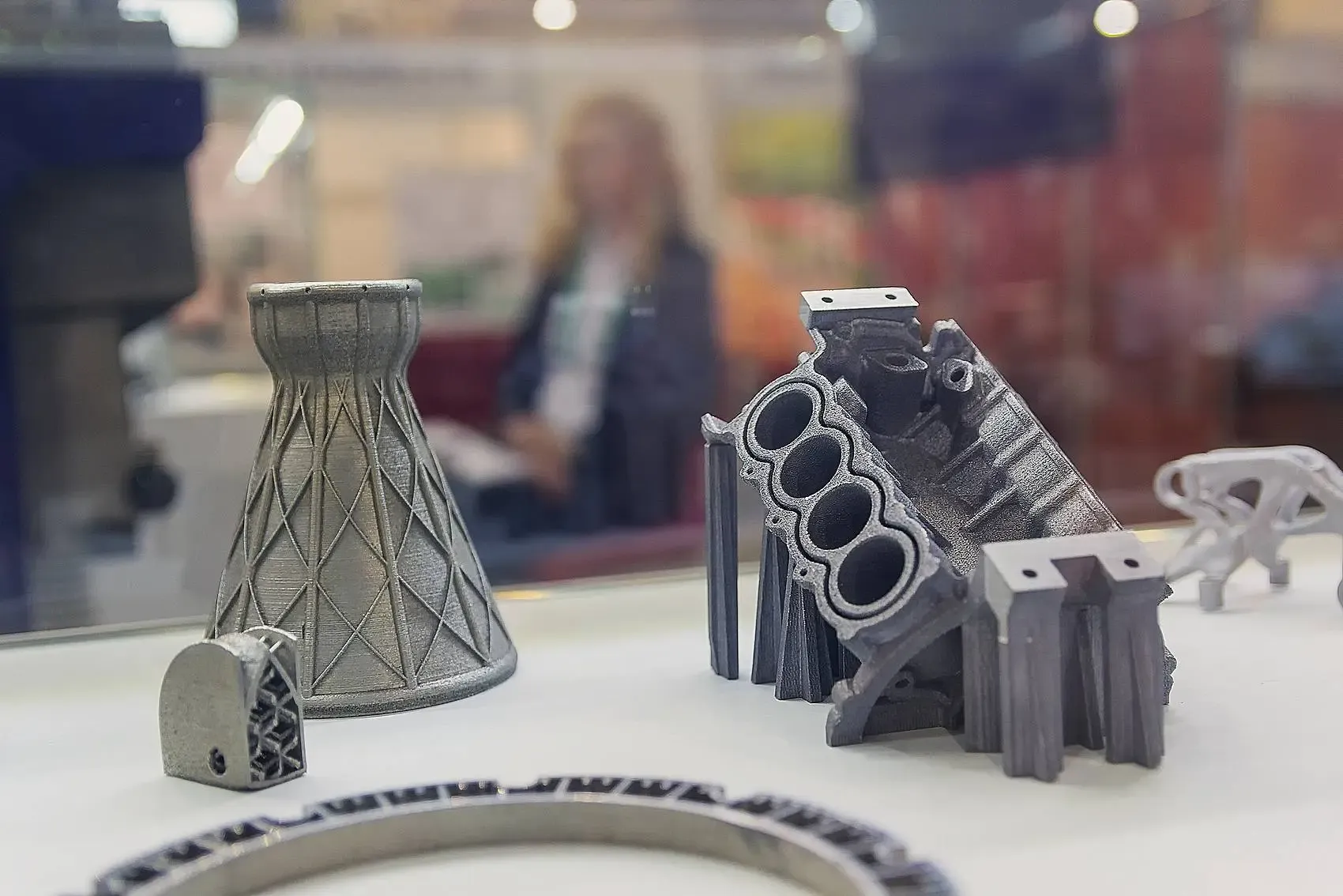
A DFM review during prototyping — not after — catches manufacturability issues while changes are still cheap to make. For early-stage validation, understanding the trade-offs between CNC machining vs 3D printing can save significant time and budget.
Stage 2: First Article Inspection
Before committing to a full batch, a first article inspection (FAI) verifies that the production process reliably reproduces the validated design. This step checks:
- Critical dimensions against the drawing
- Surface finish and cosmetic requirements (see our surface finish guide)
- Material certification, if required
Skipping this step and jumping straight to full production is one of the most common causes of costly batch rework.
Stage 3: Low-Volume Pilot Run
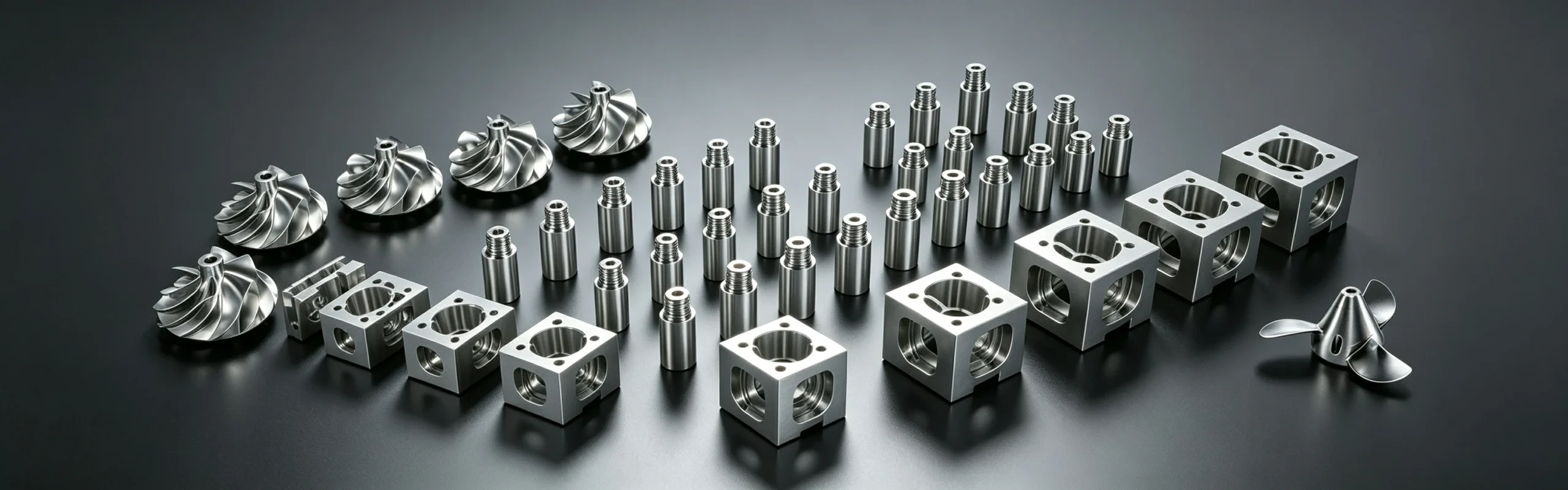
A pilot run — typically a small batch — tests process stability and consistency before scaling to full production quantities. This stage often reveals issues that don’t show up in a single prototype, such as:
- Tool wear affecting dimensions across a batch
- Fixture repeatability across multiple parts
- Finish consistency across a production run
Stage 4: Production-Ready Delivery
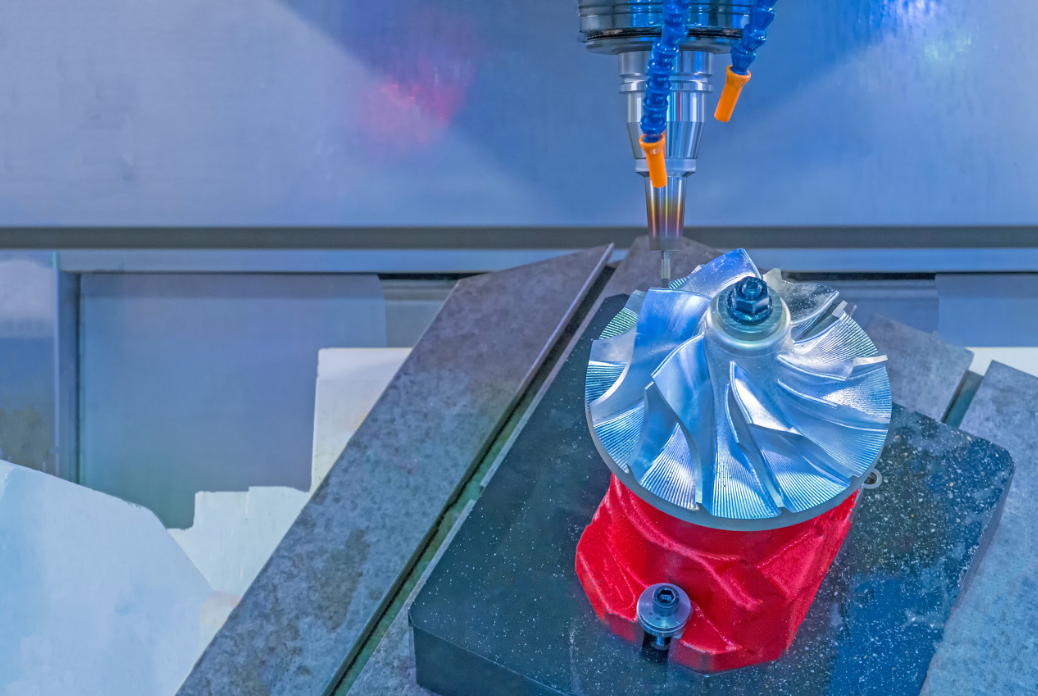
Once the pilot run confirms process stability, production can scale with confidence. At this stage, quality control shifts from validating the design to maintaining consistency. Utilizing professional precision CNC machining services ensures that every component meets rigorous industrial standards.
- In-process quality checks during machining
- Final dimensional inspection before shipment
- Packaging and labeling standards for repeat orders
Why CNC Machining Suits This Workflow Well
Unlike injection molding or die casting, CNC machining basics allow for production without hard tooling, which means:
- No upfront tooling investment before validating the design
- Design changes can be made between prototype and production without scrapping tooling
- Low-volume production is economically viable without high minimum order quantities
Common Mistakes When Scaling Up
- Skipping first article inspection to save time, only to discover a systemic issue after a full batch is produced
- Changing suppliers between prototype and production, losing the process knowledge built up during prototyping
- Not communicating quantity plans upfront, which can affect material purchasing and lead time planning
FAQ
Do I need a new supplier for production after prototyping with someone else? Not necessarily — many machining suppliers who handle prototypes also support pilot runs and full low-volume production, which preserves the process knowledge gained during prototyping and avoids re-validating with a new partner.
What is a first article inspection and why does it matter? It’s a full dimensional and functional check of the first part from a production setup, confirming the process reliably reproduces the validated design before committing to a full batch.
Is CNC machining suitable for production quantities, or only prototypes? CNC machining works well for both prototypes and low-to-medium volume production, since it doesn’t require hard tooling like injection molding does.
How many parts should be in a pilot run before scaling to full production? This depends on the part and application, but a pilot run is typically sized to reveal process consistency issues — often 10-50 units — before committing to a larger batch.
Ready to move from prototype to production? Talk to our engineering team about pilot run planning and quality gates for your project.