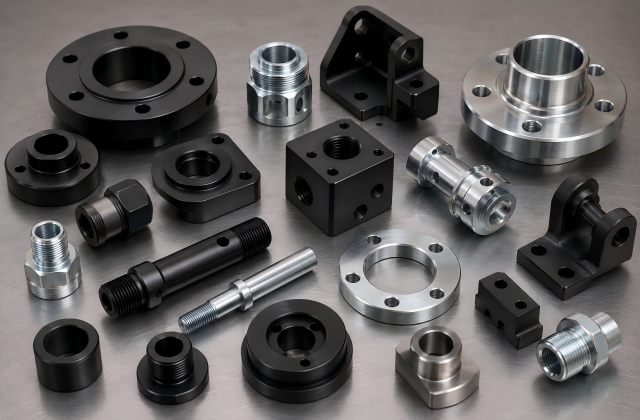
In the world of high-precision manufacturing, the difference between a successful project and a costly failure often lies in CNC machining material selection. Choosing the right substrate impacts not only the part’s final performance but also the machining speed, tool life, and overall production cost. Consequently, this comprehensive guide explores the critical factors and top material choices for achieving micron-level accuracy.
1. Critical Factors in CNC Machining Material Selection
Before picking a material, engineers must evaluate the specific requirements of the application. Specifically, to ensure optimal CNC machining material selection, you should consider:
- Machinability: How easily can the material be cut while maintaining a superior surface finish?
- Thermal Stability: Does the material expand significantly under heat? This is vital for maintaining tight tolerances during long machining cycles.
- Corrosion Resistance: Will the part be exposed to harsh chemicals or outdoor environments?
- Strength-to-Weight Ratio: Critical for aerospace and medical applications.
2. Top Metal Choices for High Precision
Aluminum 6061 & 7075
Aluminum is the “workhorse” of the industry. In addition, 6061 offers excellent machinability and corrosion resistance, while 7075 provides aircraft-grade strength. Both are ideal for rapid prototyping and complex geometries, making them top picks in CNC machining material selection.
Stainless Steel 304 & 316
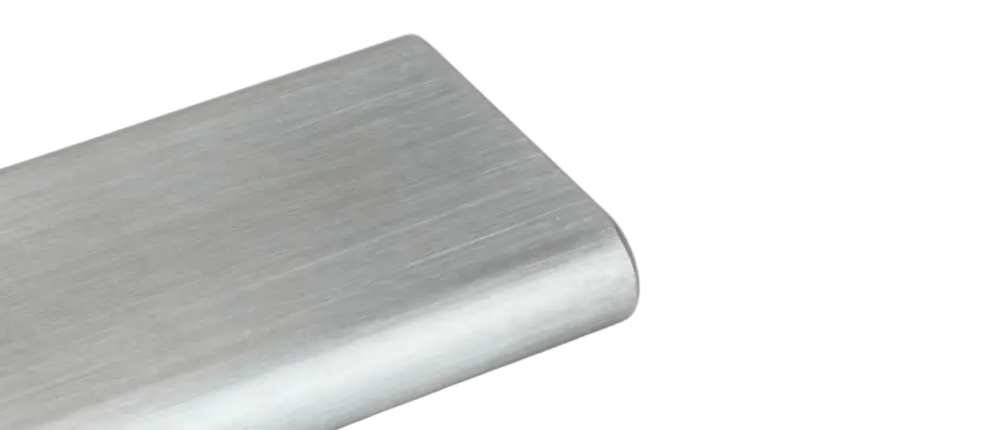
Known for exceptional durability and corrosion resistance. Furthermore, 316 Stainless Steel is the preferred choice for medical devices and marine components due to its superior resistance to chlorides.
Titanium (Grade 5)
Titanium offers the strength of steel at nearly half the weight. Although it is challenging to machine due to its low thermal conductivity, it remains indispensable for aerospace and medical implants.
3. High-Performance Plastics for Precision Parts
Not all precision parts are metal. Engineering plastics offer unique benefits in CNC machining material selection:
- PEEK: High thermal stability and chemical resistance; often replaces metal in demanding environments.
- POM (Delrin): Excellent dimensional stability and low friction, making it perfect for gears and sliding parts.
- PTFE (Teflon): Renowned for its non-stick properties and high-temperature tolerance.
4. Achieving Micron-Level Tolerances
Material selection is only half the battle. To achieve high-precision tolerances, one must consider the interaction between the material and 5-axis machining capabilities. Therefore, stress-relieved materials are often preferred to prevent warping after the machining process.
Final Thoughts on CNC Machining Material Selection
Selecting the right material is a strategic decision that balances performance, manufacturability, and cost. At Tik Precision, we specialize in helping clients navigate CNC machining material selection to deliver world-class components.